
US and Iran Signal Potential Weekend Breakthrough to Reopen Strait of Hormuz
President Trump announced a potential weekend summit in Europe to sign a breakthrough agreement with Iran, aiming to restore a fragile ceasefire and reopen the Strait of Hormuz. While Tehran remains cautious about the timeline, oil markets have begun to stabilize in anticipation of an end to the economic standoff.
By Factlen Editorial Team
- US Administration
- Views the accelerated summit as a necessary step to stabilize domestic gas prices ahead of midterms and secure a major diplomatic win.
- Iranian Leadership
- Approaches the talks with deep skepticism, demanding concrete sanctions relief before committing to a permanent de-escalation.
- Global Energy Markets
- Desperate for a rapid resolution to reopen the Strait of Hormuz, warning that current supply buffers cannot sustain a prolonged closure.
What's not represented
- · Regional Gulf States (Saudi Arabia, UAE)
- · Commercial Shipping Companies
Why this matters
The closure of the Strait of Hormuz has choked off roughly 20% of the world's global oil supply, threatening to send gas prices skyrocketing and plunge importing nations into recession. A diplomatic breakthrough would immediately stabilize global energy markets and de-escalate a direct military confrontation between Washington and Tehran.
Key points
- President Trump announced a potential weekend summit in Europe to sign a peace deal with Iran.
- The primary goal is to restore a broken ceasefire and reopen the Strait of Hormuz to commercial shipping.
- Oil prices have surged to $128 per barrel amid fears of prolonged supply disruptions.
- Iranian officials are downplaying the timeline, demanding concrete guarantees on sanctions relief.
- The diplomatic push coincides with Iran's national team playing its World Cup opener in Los Angeles.
President Donald Trump announced on Thursday that the United States and Iran could sign a breakthrough diplomatic agreement in Europe over the weekend, signaling a potential end to the recent hostilities that have rattled the Middle East. The proposed summit aims to restore a fragile ceasefire that recently collapsed and, crucially, reopen the Strait of Hormuz to commercial shipping. The sudden diplomatic push comes after weeks of escalating military exchanges that brought the two nations to the brink of all-out war, disrupting global supply chains and sending energy markets into a panic.[1][4]
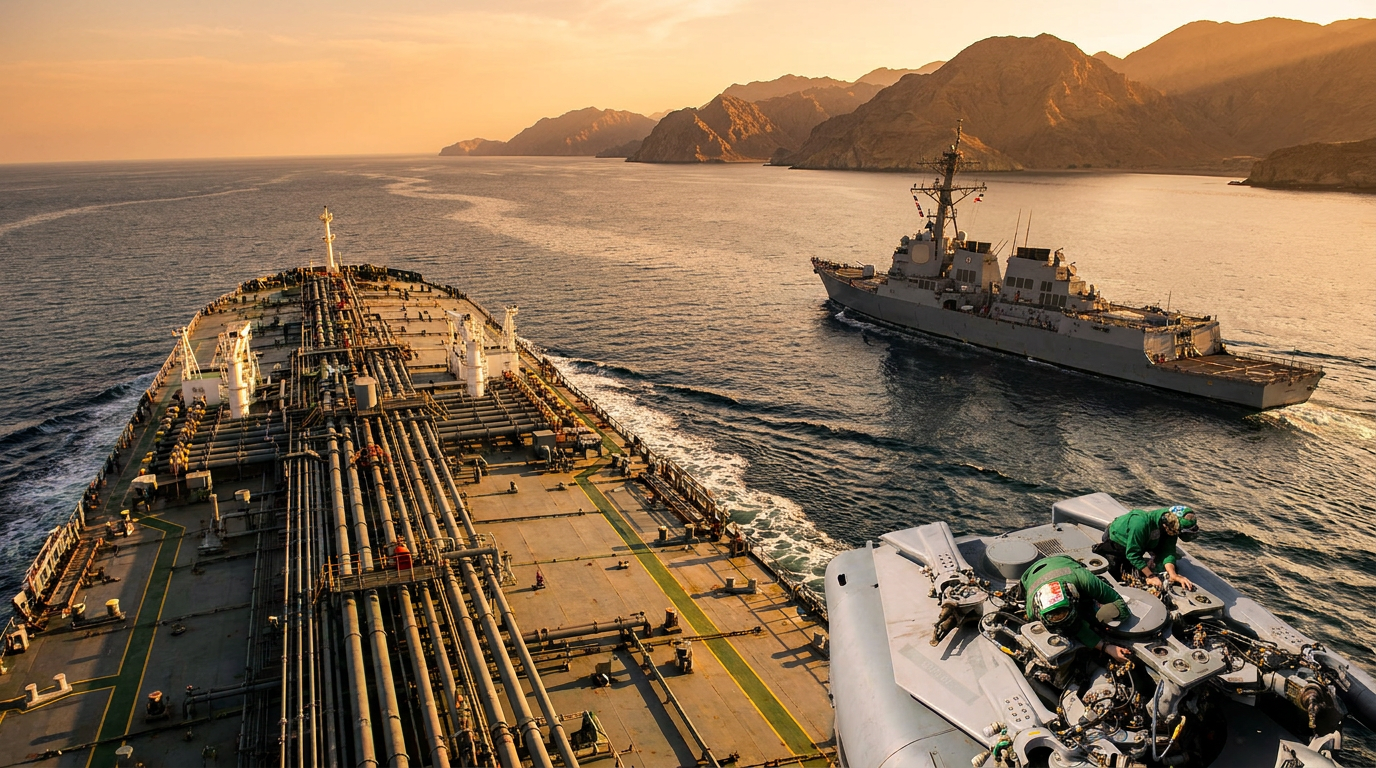
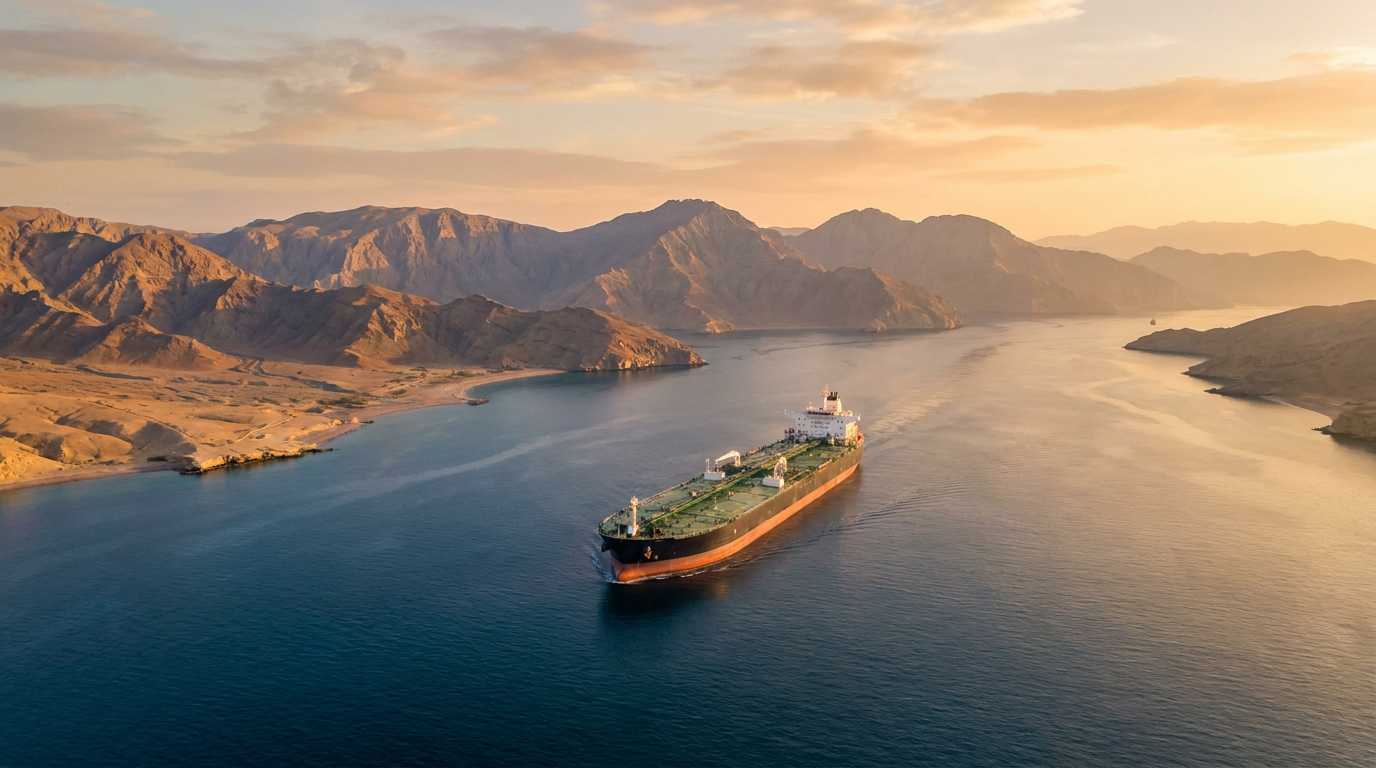
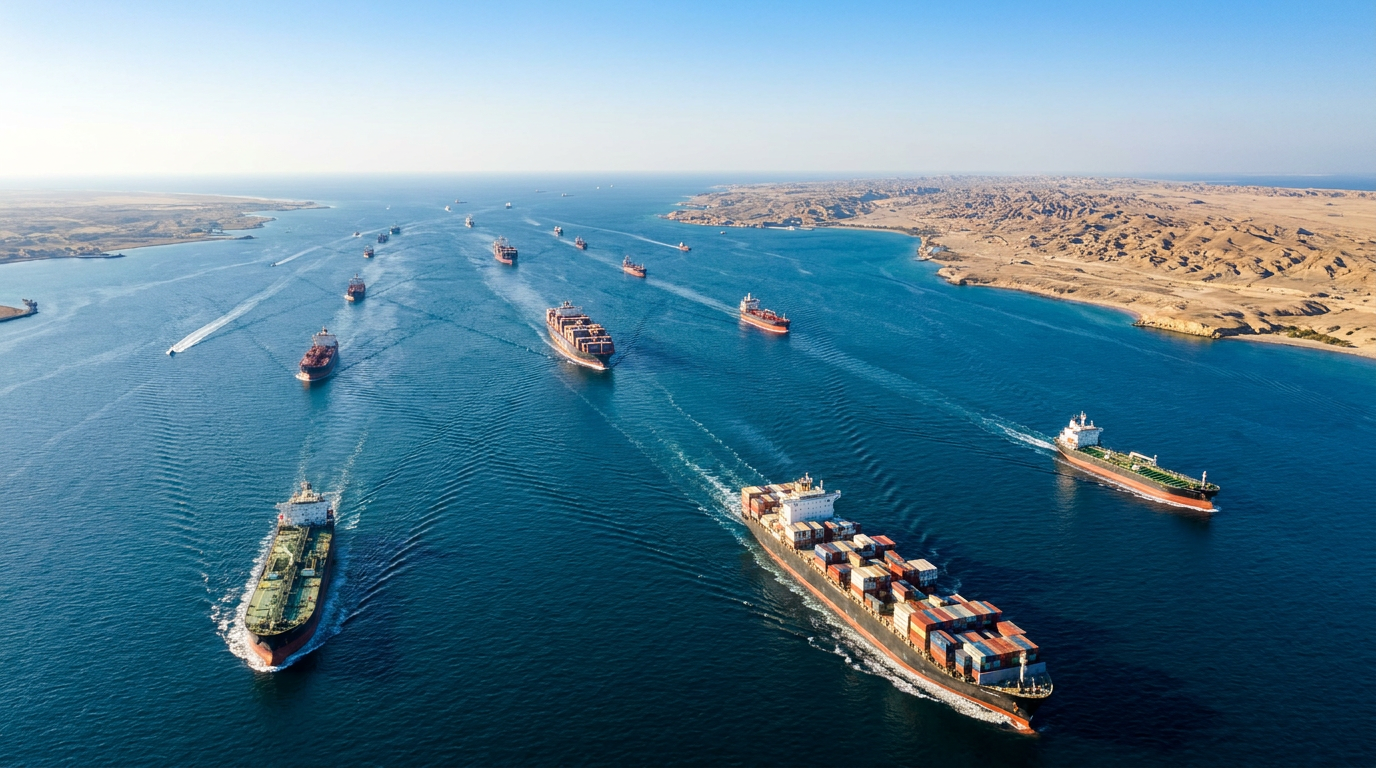
The urgency of the talks is driven largely by the economic stranglehold on the Strait of Hormuz, a critical maritime chokepoint through which roughly a fifth of the world's oil consumption passes. Following the breakdown of the previous ceasefire, commercial transit through the strait ground to a halt amid threats of naval interdiction and missile strikes. Analysts warn that the global market's shock absorbers are wearing dangerously thin, and a prolonged closure would inevitably trigger severe shortages in major importing countries across Europe and Asia.[2][6]
The economic fallout is already materializing, with Brent crude prices surging to $128 per barrel in recent trading sessions. Domestically, the Trump administration faces mounting pressure to stabilize prices at the pump, which had been falling but now threaten to spike again as the midterm elections approach. A failure to reopen the strait could translate into economically devastating energy costs for American consumers during a critical political season.[2][5]

Despite the optimism emanating from Washington, officials in Tehran have publicly cautioned against premature speculation. Iranian state media and diplomatic sources emphasize that while backchannel discussions are ongoing, a finalized deal is not guaranteed by the weekend. Iran's leadership is reportedly demanding ironclad guarantees regarding sanctions relief and the unfreezing of international assets before committing to a formal de-escalation in the Persian Gulf. They view the accelerated timeline as a political pressure tactic rather than a reflection of finalized terms.[1][7]
European diplomats are currently scrambling to prepare the logistical and security groundwork for a potential high-stakes summit, likely to be held in Geneva or Vienna. Mediators from Switzerland and Oman, who have historically facilitated indirect talks between Washington and Tehran, are working around the clock to bridge the remaining gaps in the draft text. The proposed framework reportedly involves a synchronized withdrawal of naval assets from the immediate vicinity of the strait, coupled with a phased easing of specific economic restrictions.[5][7]

European diplomats are currently scrambling to prepare the logistical and security groundwork for a potential high-stakes summit, likely to be held in Geneva or Vienna.
Adding a surreal cultural backdrop to the geopolitical crisis is the ongoing 2026 FIFA World Cup, hosted across North America. In an unprecedented scenario that tests FIFA's "football unites the world" slogan, the Iranian national team is scheduled to play its opening match against New Zealand in Los Angeles on Monday. This marks the first time in World Cup history that a participating nation will compete on the soil of a host country with which it is actively engaged in armed conflict.[3]
The juxtaposition of potential peace talks in Europe and a World Cup match in California highlights the complex, multi-layered nature of the current US-Iran dynamic. Security preparations around the Los Angeles stadium have been elevated to unprecedented levels, with federal and local law enforcement coordinating to prevent any protests or security breaches. The match itself has become a focal point for international media, serving as a real-time barometer for the diplomatic tensions playing out an ocean away.[3][4]

For global energy markets, the weekend summit represents a binary outcome: either a rapid de-escalation that floods the market with delayed shipments and drives prices down, or a diplomatic collapse that cements the Hormuz closure and guarantees a summer of severe energy inflation. Traders are currently pricing in a cautious optimism, but the volatility remains exceptionally high. The next 48 hours will determine whether the global economy faces a localized disruption or a systemic energy shock.[2][6]
The structural reality of the Strait of Hormuz means that neither side can afford a permanent stalemate. Iran relies heavily on the waterway for its own illicit and sanctioned oil exports, primarily to China, while the US and its allies require it for global macroeconomic stability. This mutual vulnerability is ultimately what has forced both parties back to the negotiating table, despite the deep-seated ideological animosity and the recent exchange of military fire.[5][6]
As the weekend approaches, all eyes are on the European capitals where the final details are being hammered out. If a deal is signed, it will mark a significant foreign policy achievement and an immediate relief to the global economy. If talks falter, the fragile ceasefire is likely to shatter completely, plunging the region back into active conflict and forcing the US to consider more direct military intervention to secure the vital shipping lanes.[1][4][7]
How we got here
Early June 2026
A fragile ceasefire between the US and Iran collapses, leading to renewed military exchanges.
June 10, 2026
Commercial transit through the Strait of Hormuz effectively halts amid threats of naval interdiction.
June 11, 2026
President Trump announces a potential weekend peace summit in Europe to resolve the crisis.
June 15, 2026
Iran is scheduled to play New Zealand in Los Angeles for the 2026 FIFA World Cup.
Viewpoints in depth
US Administration's view
Washington sees the summit as a critical off-ramp to avoid a recession-inducing energy crisis ahead of the midterm elections.
For the Trump administration, reopening the Strait of Hormuz is an urgent domestic political necessity as much as a foreign policy goal. With midterm elections approaching, the prospect of $5-a-gallon gasoline caused by a prolonged Middle East conflict is viewed as an electoral disaster. Consequently, the administration is pushing aggressively for a rapid, high-profile diplomatic victory in Europe that can immediately calm the markets and demonstrate decisive leadership on the world stage.
Tehran's view
Iranian leadership views the accelerated timeline with suspicion, prioritizing permanent sanctions relief over a quick public relations win.
Tehran is acutely aware of the leverage it holds over global energy markets and is hesitant to surrender it without ironclad concessions. Iranian diplomats argue that previous ceasefires failed because the US did not follow through on economic unfreezing. By publicly cautioning against speculation, Iran is signaling to its domestic hardliners that it will not be rushed into a disadvantageous deal simply to suit Washington's political calendar, demanding verifiable sanctions relief before any naval de-escalation.
Global Energy Markets' view
Traders and importing nations are desperate for a resolution, warning that the global economy cannot sustain a closed Hormuz.
Energy analysts and major importing nations in Europe and Asia are watching the weekend developments with intense anxiety. The market's 'shock absorbers'—strategic petroleum reserves and alternative supply routes—are insufficient to replace the 20% of global supply that flows through the strait. From the market's perspective, the ideological differences between the US and Iran are secondary to the mathematical reality that a failure in Geneva will almost certainly trigger a global recession driven by energy inflation.
What we don't know
- Whether Iran will formally agree to attend the weekend summit in Europe.
- The specific terms of sanctions relief being offered by the United States.
- How regional allies like Israel and Saudi Arabia will react to a sudden US-Iran pact.
Key terms
- Strait of Hormuz
- A narrow waterway between the Persian Gulf and the Gulf of Oman, serving as the only sea passage from the Persian Gulf to the open ocean.
- Brent Crude
- The leading global price benchmark for Atlantic basin crude oils, used to price two-thirds of the world's internationally traded crude oil supplies.
- Sanctions Relief
- The reduction or removal of economic penalties applied by one or more countries against a targeted nation, often used as an incentive in diplomatic negotiations.
Frequently asked
Why is the Strait of Hormuz currently closed?
Recent military hostilities and the collapse of a fragile ceasefire between the US and Iran have made the waterway too dangerous for commercial shipping.
How does this affect global gas prices?
Because 20% of the world's oil passes through the strait, its closure threatens to cause a severe spike in global crude prices, which quickly translates to higher prices at the pump.
Is Iran still playing in the World Cup in the US?
Yes, despite the ongoing conflict, the Iranian national team is scheduled to play its opening match against New Zealand in Los Angeles under heavy security.
Sources
Source coverage
7 outlets
3 viewpoints surfaced







[1]Al JazeeraIranian Leadership
Are Iran, US really close to a breakthrough ‘deal’?
Read on Al Jazeera →[2]AxiosUS Administration
When oil prices could get even worse
Read on Axios →[3]The GuardianGlobal Energy Markets
Iran to become first World Cup team to play in country with which it is at war
Read on The Guardian →[4]Fox NewsUS Administration
Trump administration signals historic peace agreement with Iran could reopen Strait of Hormuz
Read on Fox News →[5]ReutersGlobal Energy Markets
Oil markets stabilize as US and Iran signal potential weekend summit in Europe
Read on Reuters →[6]Wall Street JournalGlobal Energy Markets
Economic Toll of Hormuz Closure Pushes Tehran and Washington to the Negotiating Table
Read on Wall Street Journal →[7]BBC NewsGlobal Energy Markets
European diplomats prepare for high-stakes US-Iran talks
Read on BBC News →

Every angle. Every day.
Get news politics stories with full source coverage and perspective breakdowns delivered to your inbox.