
US and Iran Reach Peace Agreement to End War and Reopen Strait of Hormuz
The United States and Iran have announced a landmark memorandum of understanding to end military hostilities and lift the blockade on the Strait of Hormuz. The agreement, set to be formally signed on Friday, has triggered global relief and a sharp drop in oil prices, though specific diplomatic concessions remain undisclosed.
By Factlen Editorial Team
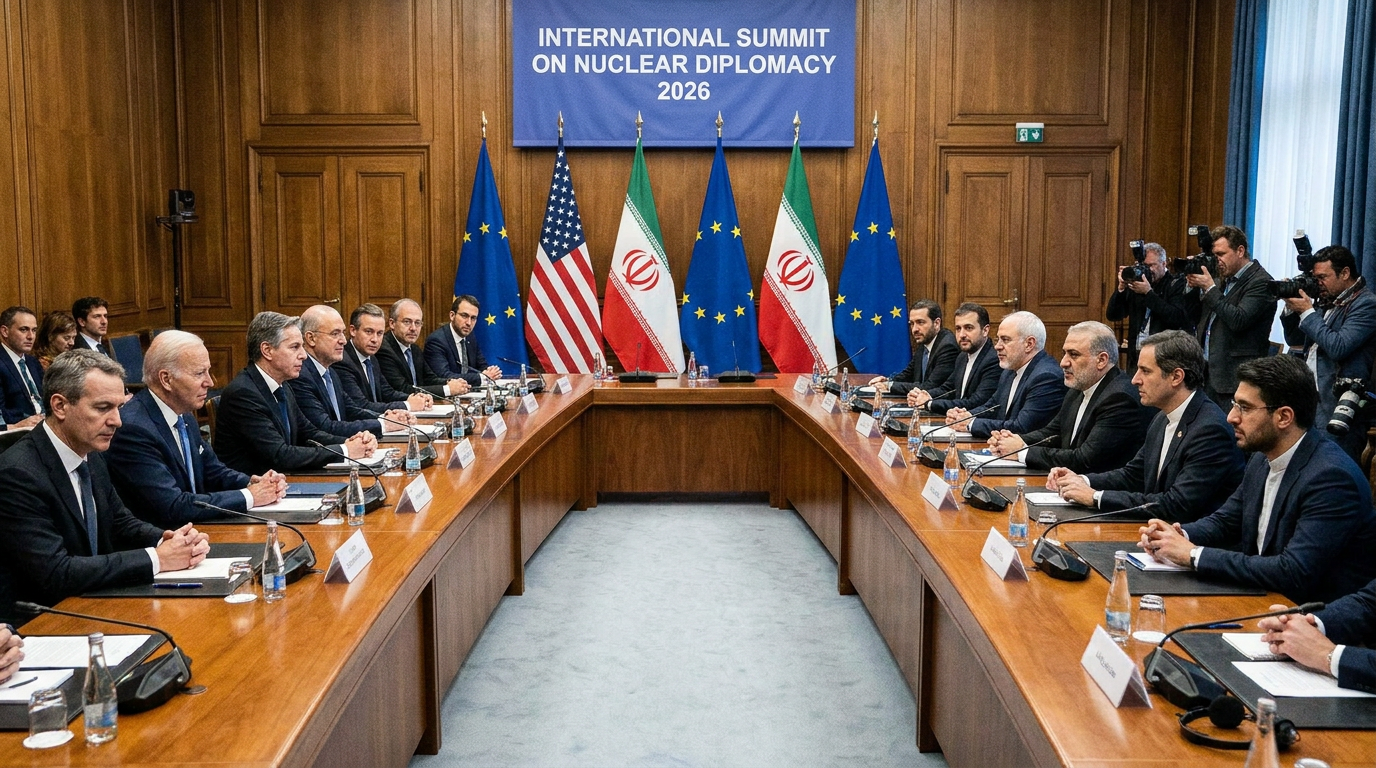
- US Administration & Domestic Voices
- Focuses on the diplomatic victory of ending the war, while critics demand transparency on the classified concessions.
- Iranian Leadership
- Frames the agreement as a decisive victory that successfully breaks the US military blockade.
- Global Markets & Economics
- Prioritizes the immediate stabilization of oil prices and the resumption of global supply chains.
- International Observers
- Views the deal with profound relief, emphasizing regional stability and the avoidance of a wider war.
What's not represented
- · Commercial shipping conglomerates
- · Regional military commanders on the ground
Why this matters
The reopening of the Strait of Hormuz—a critical chokepoint for global energy supplies—will immediately stabilize international oil markets and reduce the risk of a broader Middle Eastern conflict. For consumers, this signals an end to the severe energy price spikes that have driven global inflation over the past months.
Key points
- The US and Iran have agreed to a memorandum of understanding to end their military conflict.
- The Strait of Hormuz is scheduled to reopen to commercial shipping on Friday.
- Global oil prices plunged immediately following the announcement of the de-escalation.
- The specific terms of the agreement remain classified, drawing criticism from US lawmakers.
- Allied nations and regional intermediaries have widely praised the breakthrough.
The United States and Iran have reached a sudden memorandum of understanding to end their military conflict and reopen the Strait of Hormuz. The breakthrough agreement, announced after weeks of intense back-channel negotiations, halts a war that had severely disrupted global energy markets and threatened to engulf the broader Middle East in a prolonged regional conflict.[1][5]
President Donald Trump confirmed the last-minute agreement early Monday, stating that a formal signing ceremony is scheduled for Friday. While the administration has heralded the deal as a major diplomatic victory that restores vital international shipping lanes, the specific text of the agreement remains classified, prompting immediate scrutiny from lawmakers demanding transparency on what concessions were made.[2]
In Tehran, the government framed the understanding as a decisive victory that terminates the US military blockade. Iranian state media and official channels declared that the "peace deal" effectively ends the war on all fronts, allowing the Islamic Republic to resume normalized maritime trade without the threat of American naval interception or further kinetic strikes.[1][7]

The most immediate global consequence of the pact is the reopening of the Strait of Hormuz. The narrow waterway, which typically facilitates more than 20% of the world's daily oil consumption, has been effectively paralyzed by the conflict, leading to severe supply bottlenecks, rerouted shipping fleets, and skyrocketing energy costs that have battered the global economy.[4][8]
The most immediate global consequence of the pact is the reopening of the Strait of Hormuz.
Financial markets reacted instantly to the news of the de-escalation. Global crude benchmarks plunged as traders priced in the return of unimpeded Middle Eastern oil exports. In Australia, Prime Minister Anthony Albanese welcomed the peace deal, noting that the stabilization of the Middle East could allow his government to phase out temporary fuel excise cuts that were implemented to shield consumers from the crisis.[3][4]

Despite the international relief, domestic reception in the United States remains deeply polarized. Critics of the administration have labeled the unreleased agreement a "surrender document," arguing that the lack of transparent enforcement mechanisms suggests Washington may have conceded significant leverage to secure a rapid end to the hostilities ahead of domestic political deadlines.[2]
Allied nations and regional neighbors, however, have expressed near-universal support for the de-escalation. Leaders in Qatar and Pakistan, who played crucial intermediary roles during the height of the crisis, applauded the agreement as a vital step toward lasting regional tranquility and the prevention of a wider humanitarian disaster.[1][6]

European leaders gathering for the G7 summit in Évian-les-Bains, France, rapidly adjusted their agenda to address the implications of the ceasefire. French President Emmanuel Macron and other heads of state are expected to discuss coordinated frameworks for monitoring the Strait of Hormuz and ensuring that both Washington and Tehran adhere to the Friday terms.[3][5]
The coming days will be critical as the memorandum transitions into a binding framework. Military commanders on both sides have reportedly been issued stand-down orders, but naval assets remain heavily concentrated in the Persian Gulf. The true durability of the peace will be tested on Friday when the Strait officially reopens to commercial tankers under the new, yet-to-be-revealed diplomatic parameters.[1][2][7]
How we got here
Early 2026
Military hostilities escalate, leading to a de facto blockade of the Strait of Hormuz.
Spring 2026
Global energy prices skyrocket as commercial shipping is rerouted away from the Persian Gulf.
June 14, 2026
Back-channel negotiations yield a sudden memorandum of understanding between Washington and Tehran.
June 15, 2026
The agreement is publicly announced, triggering a massive drop in global crude oil benchmarks.
Viewpoints in depth
US Administration's View
The White House frames the deal as a necessary victory to restore global commerce.
For the US administration, the primary objective was the restoration of the global economic order. By securing a commitment to reopen the Strait of Hormuz, the administration argues it has neutralized the most severe threat to international markets without committing to a prolonged, unwinnable ground war in the Middle East. However, the secrecy surrounding the exact terms has forced the administration to defend the deal against domestic critics who suspect significant sanctions relief was quietly conceded.
Tehran's View
Iranian leadership views the agreement as a successful breaking of the American military blockade.
Iranian state media and government officials have projected total victory, emphasizing that the agreement forces the withdrawal of the US naval blockade without compromising Iran's core sovereignty. For Tehran, the reopening of the Strait is not just an economic necessity but a validation of their resistance strategy, allowing them to resume vital oil exports and stabilize their domestic economy after months of intense pressure.
Global Markets' View
Financial and energy sectors are focused entirely on the resumption of reliable supply chains.
Market analysts and allied governments are largely agnostic to the political optics of the deal, focusing instead on the tangible economic relief. The immediate plunge in crude prices reflects a massive unwinding of the "war premium" that had been priced into global logistics. For nations like Australia and European states grappling with inflation, the deal offers a crucial off-ramp from emergency economic measures like fuel excise cuts.
What we don't know
- The specific diplomatic and economic concessions made by either side to secure the agreement.
- The exact enforcement mechanisms that will govern the reopening of the Strait of Hormuz.
- Whether hardline factions within either country will attempt to disrupt the Friday signing.
Key terms
- Strait of Hormuz
- A narrow waterway between the Persian Gulf and the Gulf of Oman through which roughly 20% of the world's daily oil consumption passes.
- Memorandum of Understanding
- A formal agreement between two or more parties that establishes a framework for cooperation, often preceding a finalized, binding treaty.
- Fuel Excise
- A flat tax levied by governments on motor fuels, which some nations temporarily cut to shield consumers from price spikes during the conflict.
Frequently asked
When will the Strait of Hormuz reopen?
The Strait is scheduled to officially reopen to commercial shipping on Friday, coinciding with the formal signing of the peace agreement.
What are the exact terms of the peace deal?
The specific diplomatic concessions and enforcement mechanisms remain classified, though both sides have agreed to a memorandum of understanding to end hostilities.
How have global markets reacted?
Energy markets reacted instantly, with global crude oil benchmarks plunging as traders anticipated the resumption of unimpeded Middle Eastern oil exports.
Sources
Source coverage
8 outlets
4 viewpoints surfaced








[1]Al JazeeraInternational Observers
US and Iran announce ‘understanding’ to end the war
Read on Al Jazeera →[2]Fox NewsUS Administration & Domestic Voices
Trump again says deal is close, then confirms a last-minute agreement with Iran, but details still secret
Read on Fox News →[3]The GuardianGlobal Markets & Economics
Albanese signals fuel excise cut may be extended to help motorists paying more amid Middle East crisis
Read on The Guardian →[4]ReutersGlobal Markets & Economics
Oil prices plunge as US, Iran reach deal to reopen Strait of Hormuz
Read on Reuters →[5]The New York TimesUS Administration & Domestic Voices
Trump Announces Breakthrough Iran Deal, Easing Global Tensions
Read on The New York Times →[6]BBC NewsInternational Observers
Global relief as US and Iran agree to end hostilities
Read on BBC News →[7]IRNAIranian Leadership
Tehran confirms historic agreement ending US blockade, war on all fronts
Read on IRNA →[8]BloombergGlobal Markets & Economics
Global Markets Rally as Hormuz Reopening Signals End to Energy Squeeze
Read on Bloomberg →
More in news politics
See all 9 stories →US-Iran Deal
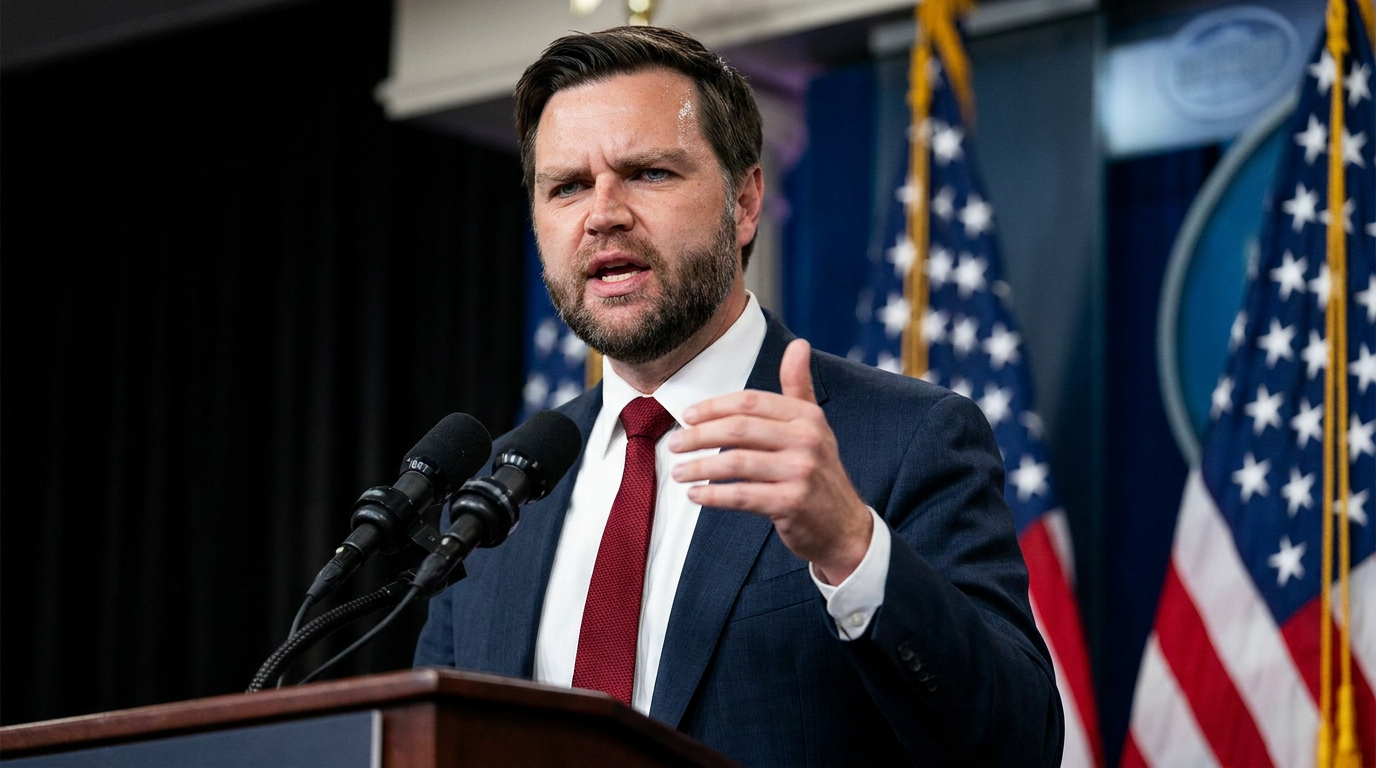
U.S. and Iran Sign Agreement to End War; Vance Lashes Out at Israeli Critics
7 sources
U.S.-Iran Deal
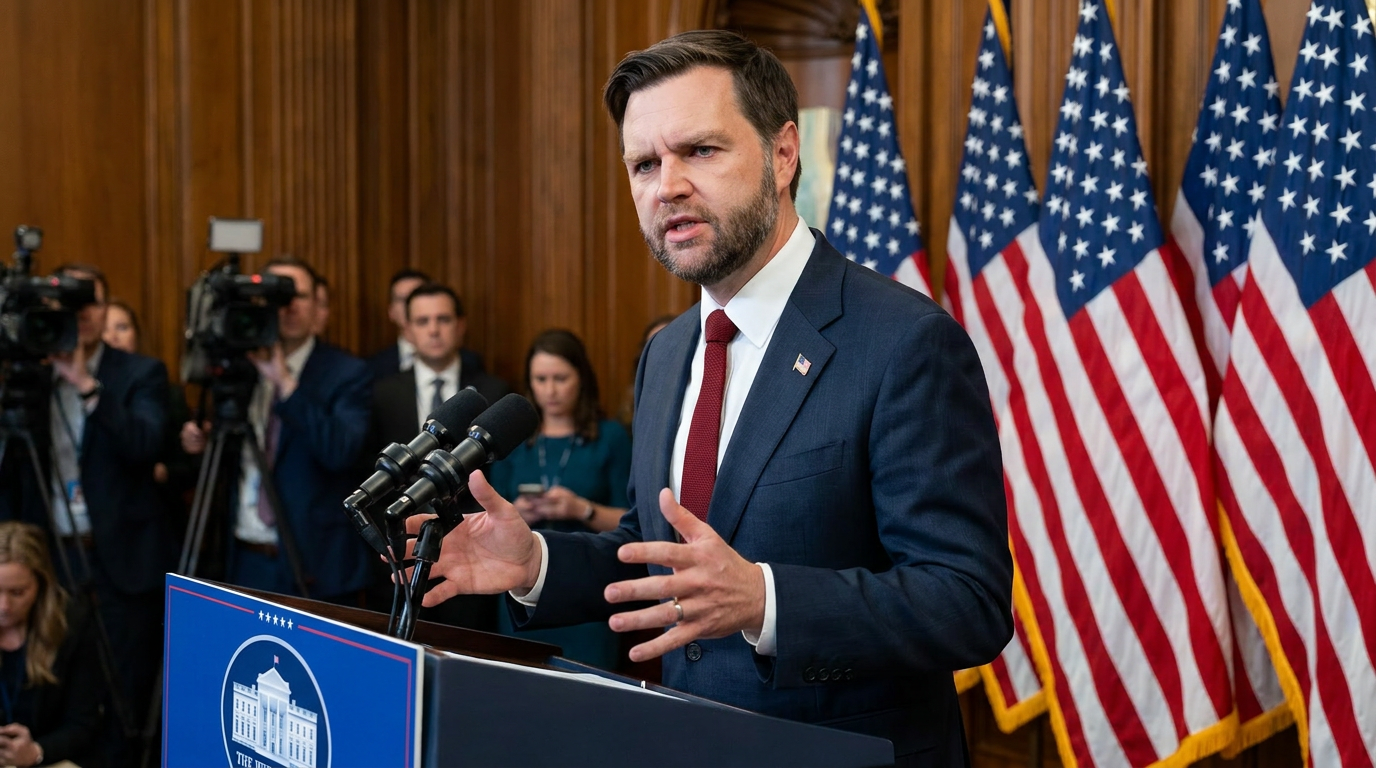
U.S. and Iran Sign 14-Point Agreement to End War, Sparking Fierce Backlash from Israel
6 sources
U.S.-Iran Relations
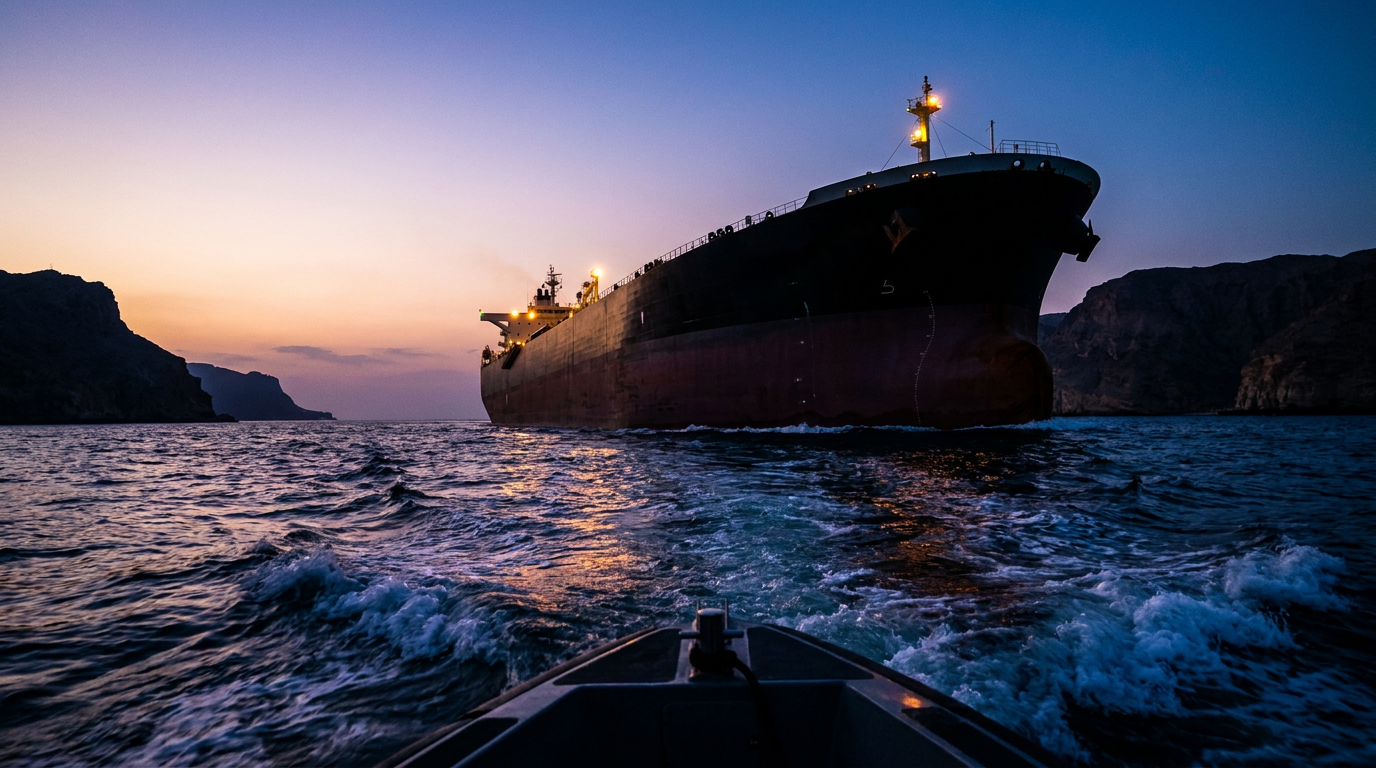
Vance Rebukes Israeli Critics of U.S.-Iran Peace Agreement, Warning Against Alienating 'Only Powerful Ally'
8 sources
Cognitive Defense
The Science of 'Prebunking': How Psychological Inoculation is Defeating Misinformation
6 sources

Every angle. Every day.
Get news politics stories with full source coverage and perspective breakdowns delivered to your inbox.