
US and Iran Reach Interim Agreement to Reopen Strait of Hormuz
A breakthrough interim pact between Washington and Tehran aims to unblock the world's most critical oil chokepoint, sparking a global market rally while raising new questions about long-term inflation and regional stability.
By Factlen Editorial Team
- Market Optimists
- Focused on the immediate evaporation of tail risk and the resumption of risk-on trading.
- Geopolitical Skeptics
- Viewing the pact as a fragile, temporary band-aid rather than a lasting peace.
- Inflation Hawks
- Concerned that the deal may paradoxically reignite global inflation via Chinese demand.
What's not represented
- · Local coastal communities
- · Alternative energy producers
Why this matters
The reopening of the Strait of Hormuz directly impacts the price of gasoline, global shipping costs, and the trajectory of inflation, potentially altering how central banks manage interest rates for the rest of the year.
Key points
- The US and Iran have reached an interim agreement to safely reopen the Strait of Hormuz to commercial shipping.
- Global financial markets experienced a massive relief rally as the immediate threat of a prolonged energy blockade receded.
- Shipping analysts warn that returning to normal transit volumes will take months due to lingering insurance and security hurdles.
- Economists caution that a resurgence in Chinese oil demand could paradoxically reignite global inflation despite the deal.
The United States and Iran have brokered a breakthrough interim agreement aimed at reopening the Strait of Hormuz, effectively halting a severe maritime standoff that had paralyzed one of the world's most critical economic arteries. The diplomatic pact, finalized after weeks of intense back-channel negotiations, establishes a framework to restore commercial navigation through the narrow waterway connecting the Persian Gulf to the open ocean. By securing mutual security guarantees, the deal temporarily defuses a flashpoint that had threatened to drag the broader Middle East into a direct superpower confrontation. While the exact text of the agreement remains closely guarded, officials confirm it includes provisions for immediate de-escalation by naval forces and the gradual resumption of international shipping.[4][6]
The announcement triggered an immediate and forceful relief rally across global financial markets, as investors priced out the worst-case scenarios of a prolonged energy blockade. Equities surged from Wall Street to Tokyo, driven by optimism that the resumption of oil flows would alleviate the crippling energy crisis that has weighed heavily on importing nations. Major indices recorded their sharpest single-day gains in months, reflecting a collective exhale from institutional investors who had spent weeks hedging against a catastrophic spike in crude prices. The sudden pivot in market sentiment underscores just how heavily the specter of a closed Strait of Hormuz had depressed global economic forecasts for the second half of the year.[2][5]
Capitalizing on the sudden de-escalation, hedge funds and asset managers have rapidly reopened their pre-war investment playbooks. Portfolio managers are aggressively rotating back into shorter-maturity United States Treasuries, beaten-down Asian currencies, and emerging market equities that were disproportionately punished during the standoff. Even consumer staples and instant-noodle stocks, traditionally seen as defensive plays in Asia, are catching bids as the perceived risk premium evaporates. This aggressive repositioning highlights a broader consensus on Wall Street: the immediate tail risk of a global energy shock has been removed from the table, allowing capital to flow back into assets that require a stable macroeconomic horizon to generate returns.[11]

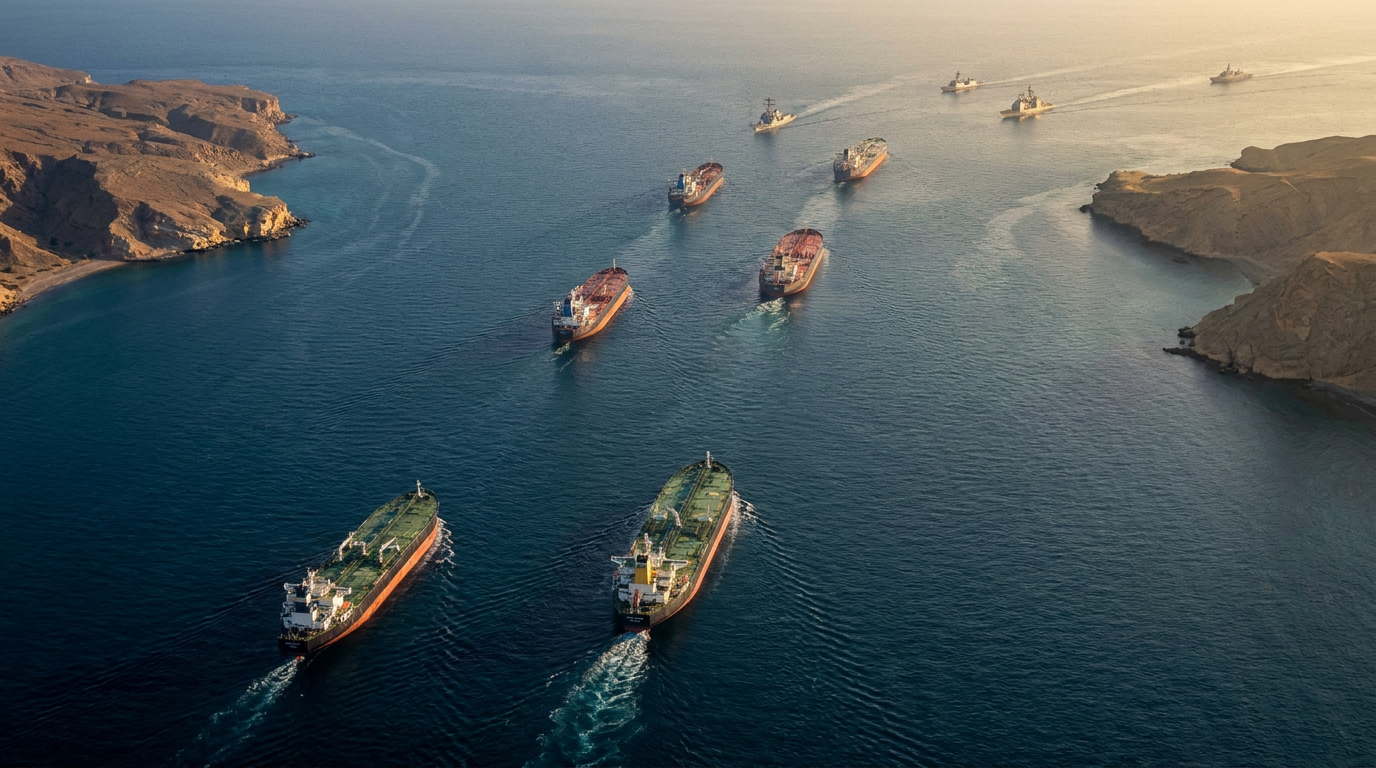
To understand the magnitude of this relief, one must look at the sheer physical reality of the Strait of Hormuz. At its narrowest point, the shipping lanes are just two miles wide in either direction, yet historically, roughly one-fifth of the world's total oil consumption passes through this maritime chokepoint. When the waterway was effectively shuttered by military posturing and the threat of asymmetric attacks, it trapped millions of barrels of crude and liquefied natural gas inside the Persian Gulf. The resulting supply shock forced energy importers to scramble for alternative, vastly more expensive sources, fundamentally altering the global balance of trade and threatening to plunge vulnerable economies into deep recessions.[4][8]
Despite the diplomatic breakthrough and the euphoria in financial markets, energy analysts are warning that the physical return to normality will be a protracted process. The interim agreement is merely the first step; the actual resumption of high-volume commercial shipping through the Strait of Hormuz could take several months to fully materialize. The waters must be rigorously surveyed for potential hazards, naval escorts must be coordinated, and the complex logistics of clearing a massive backlog of anchored vessels must be managed. For the energy market, this means that while the panic has subsided, the physical supply of oil will not instantly flood the market tomorrow morning.[3]
The most significant hurdle to immediate normalization lies within the maritime insurance industry. During the height of the standoff, underwriters either refused to cover vessels entering the Persian Gulf or demanded exorbitant war-risk premiums that made transit economically unviable for many shipping giants. Even with a political agreement in place, insurance syndicates in London and elsewhere will require sustained proof of safe passage before they normalize their rates. Shipping conglomerates are currently preparing for a gradual, phased return to the transit corridor, carefully weighing the reduced but lingering risks against the urgent demand from their clients to resume normal supply chain operations.[8]

Paradoxically, the resolution of the Hormuz crisis introduces a new, complex macroeconomic challenge: the potential for a renewed surge in global inflation. While the unblocking of the strait prevents a catastrophic price spike, economists warn that the deal sets the stage for a massive recovery in Chinese oil demand. If the world's second-largest economy regains full access to its primary sources of Middle Eastern crude, its industrial engine could accelerate rapidly. This sudden influx of demand, competing for a supply chain that is still slowly returning to normal capacity, risks driving up baseline energy prices and reigniting the very inflationary pressures central banks have been fighting to suppress.[1]
Paradoxically, the resolution of the Hormuz crisis introduces a new, complex macroeconomic challenge: the potential for a renewed surge in global inflation.
This inflationary threat is not merely theoretical; it is already a central concern for monetary policymakers navigating the fallout of the crisis. European Central Bank President Christine Lagarde recently noted that the prolonged period of high energy prices has already begun to feed through to other sectors of the economy. These 'second-round effects'—where elevated energy costs force businesses to raise prices on everyday goods and services, prompting workers to demand higher wages—are notoriously difficult to eradicate. Even if oil prices stabilize in the wake of the US-Iran deal, the inflationary momentum generated during the standoff may force central banks to maintain restrictive interest rates longer than markets currently anticipate.[9]
Beyond the immediate economic mechanics, the interim agreement carries profound geopolitical implications, potentially paving the way for a broader diplomatic reset. By successfully negotiating the reopening of the strait, Washington and Tehran have established a fragile but functional channel of communication. Diplomatic sources suggest this de-escalation could serve as a foundational stepping stone for the resumption of stalled talks regarding Tehran's nuclear program. If the current pact holds, it may provide the necessary political cover for both administrations to engage in more comprehensive negotiations aimed at establishing a long-term security architecture in the Persian Gulf.[6][7]

However, veteran diplomats and regional experts are urging extreme caution, warning against the assumption that this narrow maritime agreement heralds a new era of regional harmony. Alan Eyre, a former senior US diplomat, has publicly stated that while the deal is a vital tactical achievement, it will not lead to a fundamentally 'new Middle East.' The underlying ideological conflicts, proxy networks, and historical grievances that precipitated the crisis remain entirely unresolved. The interim pact is widely viewed by geopolitical realists as a pragmatic, mutually beneficial pause in hostilities rather than a comprehensive peace treaty capable of reshaping the region's deeply entrenched power dynamics.[7]
The fragility of the broader regional security environment is starkly illustrated by the ongoing violence outside the scope of the Hormuz agreement. Even as Washington and Tehran finalized their maritime pact, the conflict between Israel and Hezbollah continued to escalate. Israel recently launched bombing campaigns in Lebanon's capital, Beirut, in direct retaliation for drone incursions, demonstrating that the cessation of hostilities in the Persian Gulf has not translated to the Levant. These parallel conflicts threaten to undermine the delicate diplomatic progress, as hardliners on all sides point to the continuing violence as proof that their adversaries cannot be trusted.[10]
The persistence of the Israel-Lebanon conflict also highlights the stark limitations of American diplomatic leverage in the current geopolitical landscape. Despite explicit warnings from President Donald Trump to halt the attacks, the military operations have continued unabated. Regional analysts, including Julia Roknifard, point out that the United States appears either unwilling or incapable of forcing a comprehensive ceasefire across all theaters of the Middle Eastern conflict. This perceived limitation in Washington's ability to dictate outcomes to its allies adds a layer of profound uncertainty to the durability of the US-Iran agreement, as regional actors continue to pursue their independent security imperatives.[10]

For the global economy, the next several weeks will be a critical period of observation and adjustment. Energy traders, supply chain managers, and central bankers will be closely monitoring the physical flow of vessels through the Strait of Hormuz, looking for any signs of friction or delays that could signal a breakdown in the agreement. The speed at which the backlog of crude is cleared will dictate the short-term trajectory of global energy prices, while the behavior of Chinese industrial demand will determine the medium-term inflationary outlook. Every successful transit will incrementally rebuild the market's confidence in the resilience of the global supply chain.[1][3][8]
Ultimately, the US-Iran interim agreement represents a masterclass in high-stakes crisis management, pulling the global economy back from the brink of a devastating energy shock. It has provided immediate, tangible relief to financial markets and offered a glimmer of hope for broader diplomatic engagement. Yet, it is a solution built on a foundation of profound mistrust and surrounded by active conflict zones. The true test of the agreement will not be the initial market rally, but the painstaking, month-long process of safely navigating millions of barrels of oil through a waterway that remains one of the most heavily militarized and geopolitically sensitive chokepoints on the planet.[2][7]
As the world watches the first tankers resume their vital journeys, the narrative shifts from the immediate threat of a blockade to the complex realities of a post-crisis economy. The relief rally may have been instantaneous, but the work of stabilizing global inflation, securing maritime insurance, and managing the delicate diplomatic balance in the Middle East has only just begun. The Strait of Hormuz is open, but the geopolitical currents flowing through it remain as turbulent and unpredictable as ever, ensuring that energy markets will remain on high alert for the foreseeable future.[3][9][11]
How we got here
Early 2026
Military posturing and asymmetric threats effectively halt commercial shipping through the Strait of Hormuz.
Spring 2026
Global energy prices spike as millions of barrels of crude are trapped in the Persian Gulf, triggering inflation fears.
June 2026
Back-channel negotiations between Washington and Tehran intensify as economic pressures mount on both sides.
June 15, 2026
The US and Iran officially announce an interim agreement to de-escalate and reopen the waterway.
Viewpoints in depth
Global Markets & Investors
Focused on the immediate evaporation of tail risk and the resumption of risk-on trading.
For institutional investors and hedge funds, the interim agreement represents the removal of a catastrophic downside scenario. By eliminating the immediate threat of a prolonged energy blockade, capital is rapidly flowing back into equities, emerging markets, and shorter-maturity Treasuries. This camp views the geopolitical nuances as secondary to the macroeconomic relief, pricing in a stabilized energy market for the remainder of the fiscal year.
Macroeconomists & Central Banks
Concerned that the deal may paradoxically reignite global inflation.
Central bankers and economic analysts are looking past the immediate drop in oil prices to the secondary effects of the agreement. Their primary concern is that unblocking the strait will facilitate a massive resurgence in Chinese industrial demand for crude. If this demand outpaces the speed at which shipping normalizes, it could drive baseline energy prices higher, embedding 'second-round' inflationary effects into the global economy and forcing central banks to maintain restrictive interest rates.
Geopolitical Realists
Viewing the pact as a fragile, temporary band-aid rather than a lasting peace.
Veteran diplomats and regional security analysts emphasize the severe limitations of the interim agreement. They point out that the underlying proxy conflicts, historical grievances, and parallel wars—such as the ongoing violence between Israel and Hezbollah—remain entirely unresolved. From this perspective, the deal is a pragmatic pause in hostilities born of mutual economic necessity, not a foundational shift toward a 'new Middle East' or a comprehensive security architecture.
Shipping & Logistics Industry
Focused on the physical and financial hurdles of resuming transit.
For the conglomerates that actually move the world's oil, a political agreement is only the first step. The shipping industry remains highly cautious, focused on the exorbitant war-risk insurance premiums that still plague the region and the physical dangers of navigating a recently militarized zone. This camp warns that clearing the backlog of vessels and returning to pre-crisis transit volumes will be a slow, month-long process dictated by underwriters and naval escorts.
What we don't know
- The exact timeline for when major maritime insurance syndicates will lower war-risk premiums to pre-crisis levels.
- Whether the interim maritime agreement will successfully translate into broader negotiations regarding Tehran's nuclear program.
- How the ongoing, parallel conflict between Israel and Hezbollah might impact the durability of the US-Iran pact.
Key terms
- Strait of Hormuz
- A highly strategic, narrow maritime chokepoint between Oman and Iran that serves as the primary export route for Middle Eastern oil.
- Relief rally
- A sudden, widespread increase in stock market prices that occurs when a major economic or geopolitical threat is resolved or delayed.
- Second-round effects
- An economic phenomenon where an initial price shock causes businesses to raise prices and workers to demand higher wages, embedding inflation into the broader economy.
- War-risk premium
- Additional insurance costs charged to shipping companies when their vessels transit through active conflict zones or highly militarized waters.
Frequently asked
What exactly did the US and Iran agree to?
The two nations reached an interim agreement to de-escalate military posturing and establish a framework to safely reopen the Strait of Hormuz to commercial shipping.
Will gas prices drop immediately?
While global oil futures dropped on the news, analysts warn it will take months for physical shipping to fully normalize, meaning immediate relief at the pump may be delayed.
Does this mean the war in the Middle East is over?
No. The agreement is narrowly focused on maritime transit in the Persian Gulf. Other regional conflicts, including hostilities between Israel and Hezbollah, are ongoing.
Why is the Strait of Hormuz so important?
It is a narrow waterway connecting the Persian Gulf to the open ocean, through which approximately 20% of the world's total oil consumption passes daily.
Sources
Source coverage
11 outlets
3 viewpoints surfaced






[1]BloombergInflation Hawks
US-Iran Deal Poses Inflation Risk If Chinese Oil Demand Recovers
Read on Bloomberg →[2]CNBCMarket Optimists
CNBC Daily Open: Iran deal fuels global relief rally
Read on CNBC →Hormuz Trade Will Take Months to Return to Normal, Analysts Say
Read on Bloomberg →[4]ReutersGeopolitical Skeptics
Oil markets stabilize as Washington and Tehran strike interim Hormuz pact
Read on Reuters →[5]Financial TimesMarket Optimists
Global equities surge on Strait of Hormuz breakthrough
Read on Financial Times →[6]Al JazeeraGeopolitical Skeptics
US and Iran reach interim agreement to unblock vital shipping lane
Read on Al Jazeera →Eyre: US Iran Deal Will Not Lead to a new Middle East
Read on Bloomberg →[8]Wall Street JournalGeopolitical Skeptics
Shipping giants prepare for gradual return to Hormuz transit
Read on Wall Street Journal →Lagarde Says ECB Has Started to See Second Round Effects
Read on Bloomberg →Roknifard: US Unwilling or Incapable to Stop Israel
Read on Bloomberg →Hedge Funds Reopen Pre-War Playbooks as Iran Risks Recede
Read on Bloomberg →

More in business
See all 5 stories →AI Infrastructure
SpaceX Raises Record $85.7 Billion in Historic IPO to Fund Orbital AI Infrastructure
7 sources
AI Economics
The Compute-First Era: How AI is Rewriting the Rules of Venture Capital
6 sources
Fed Watch
Federal Reserve Holds Rates Steady as New Chair Kevin Warsh Signals Hawkish Pivot
8 sources
Every angle. Every day.
Get business stories with full source coverage and perspective breakdowns delivered to your inbox.