
US and Iran Reach Agreement to End Hostilities and Reopen Strait of Hormuz
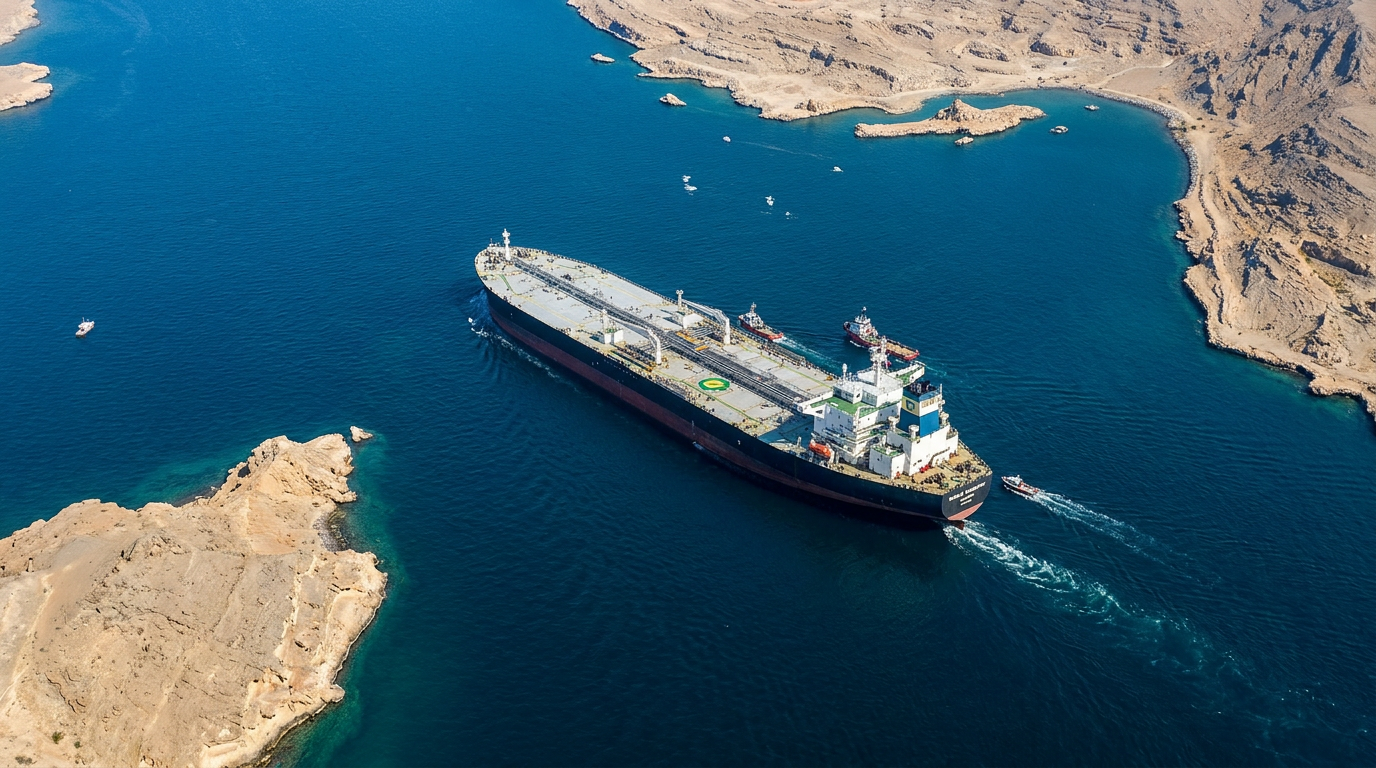
Washington and Tehran have announced a ceasefire agreement intended to end their recent conflict and reopen the critical Strait of Hormuz to global shipping. The breakthrough immediately sent global oil prices tumbling and sparked a rally across international stock markets.
By Factlen Editorial Team
- Global Energy Markets
- Focused on the immediate economic relief, plummeting oil prices, and the logistical restoration of supply chains.
- US Administration
- Views the agreement as a major diplomatic victory that secures global trade and lowers domestic gas prices.
- Regional Security Observers
- Cautious about the fragility of the unsigned deal and concerned about unresolved proxy militia threats in the region.
What's not represented
- · Iranian domestic political factions
- · European energy importers
Why this matters
The reopening of the Strait of Hormuz relieves a massive bottleneck in the global energy supply chain, directly lowering gasoline prices for consumers and easing a major drag on the global economy.
Key points
- The US and Iran announced an agreement to end hostilities and reopen the Strait of Hormuz.
- Global oil prices dropped over 4% to a three-month low following the news.
- Asian stock markets surged as the threat of a prolonged energy shock subsided.
- President Trump claimed the Strait will be 'permanently toll free' under the new terms.
- Diplomats caution that the final comprehensive peace deal has not yet been formally signed.
- Israel remains wary that the rapid de-escalation leaves threats from Iranian proxy groups unaddressed.
The United States and Iran have reached a breakthrough agreement to end ongoing hostilities and reopen the Strait of Hormuz, signaling a potential close to a conflict that has severely disrupted global energy markets since late February.[1][2]
The announcement of the ceasefire extension immediately sent shockwaves through the global economy. Asian stock markets surged in early trading, and crude oil prices plummeted over 4% to their lowest levels in more than three months as traders priced in the return of reliable Middle Eastern supply lines.[1][2][8]
The closure of the Strait of Hormuz—a critical maritime chokepoint through which roughly a fifth of the world's oil supply passes—had created an unprecedented energy shock. The resulting spike in crude prices caused U.S. gasoline prices to soar to their highest levels since 2022, creating significant political headwinds and acting as a heavy drag on global economic growth.[2][6]

President Donald Trump championed the agreement in a phone call to reporters, claiming that under the newly negotiated terms, the Strait of Hormuz will be "permanently toll free." The administration is framing the de-escalation as a major diplomatic and economic victory ahead of the upcoming election cycle.[3][5]
During the same call, Trump offered praise for the leaders of Russia and China, while describing Israeli Prime Minister Benjamin Netanyahu as "a very difficult guy." The remarks highlight the complex, multi-polar diplomatic maneuvering that took place behind the scenes to bring Tehran to the negotiating table.[3]
Despite the optimism emanating from the White House, regional diplomats are urging caution regarding the finality of the pact. U.S. diplomat Alan Eyre emphasized that while a ceasefire extension has been announced and hostilities have paused, a comprehensive peace deal does not officially exist until it has been formally signed and ratified by both nations.[4]

Despite the optimism emanating from the White House, regional diplomats are urging caution regarding the finality of the pact.
The timing of the announcement has also drawn intense scrutiny from geopolitical analysts. Regional observers suggest that a recent Israeli military strike in Beirut may have accelerated the timeline, pushing the Trump administration to lock in the Iran announcement quickly to prevent further regional escalation that could derail the talks.[4][7]
In Israel, the reaction has been notably guarded. Officials in Jerusalem remain wary that a rapid U.S.-Iran de-escalation might leave unaddressed the broader network of Iranian-aligned militias, particularly Hezbollah in Lebanon, which continues to pose a direct security threat to Israel's northern border.[7]

For the global shipping industry, the immediate focus is on operational security rather than political declarations. While the diplomatic agreement clears the path for reopening the Strait, maritime insurers and major freight operators are conducting rapid risk assessments before committing their full fleets back to the previously contested waterway.[6][8]
If the ceasefire holds and the waterway resumes normal operations, economists expect the easing of the energy bottleneck to provide a substantial boost to the global economy. The restoration of free navigation is projected to reduce inflationary pressures worldwide and offer immediate financial relief to consumers at the gas pump.[1][2][8]
How we got here
Late Feb 2026
Conflict begins, resulting in severe restrictions on oil traffic through the Strait of Hormuz.
Spring 2026
An unprecedented energy shock hits the global economy, sending U.S. gas prices to their highest levels since 2022.
June 14, 2026
The U.S. and Iran announce a ceasefire extension and an agreement to reopen the waterway.
Viewpoints in depth
US Administration's View
The White House is framing the agreement as a decisive diplomatic victory that secures global commerce.
President Trump and his administration view the reopening of the Strait of Hormuz as a major win for both international security and the domestic economy. By securing a 'permanently toll free' waterway, the administration argues it has neutralized a massive threat to global energy markets while simultaneously relieving the political pressure caused by soaring gas prices at home. The administration's willingness to praise rival leaders like Russia and China suggests a pragmatic, results-oriented approach to securing the deal.
Global Energy Markets
Financial and shipping sectors are focused purely on the restoration of supply lines and the drop in crude prices.
For the global economy, the geopolitical nuances take a backseat to the mathematical reality of supply and demand. The closure of the Strait had created an artificial bottleneck that inflated costs across the entire global supply chain. Market analysts and shipping insurers are reacting with immense relief, evidenced by the immediate 4% drop in crude prices and the rally in Asian equities. However, the shipping industry remains in a 'trust but verify' posture, waiting for concrete security guarantees before fully normalizing transit schedules.
Regional Security Observers
Middle Eastern allies and diplomats warn that the underlying regional conflicts remain unresolved.
Diplomats and regional allies, particularly Israel, are expressing deep reservations about the speed and scope of the agreement. Observers note that while the immediate maritime crisis may be paused, the broader proxy war—specifically involving groups like Hezbollah in Lebanon—remains highly volatile. Skeptics worry that a rushed U.S. exit from the immediate conflict, potentially accelerated by recent Israeli strikes in Beirut, might leave allied nations exposed to continued asymmetric warfare even if the shipping lanes are clear.
What we don't know
- When the final, formalized peace treaty will be officially signed by both nations.
- What specific concessions, if any, were made to Iran to secure the 'toll free' status of the Strait.
- How quickly major maritime insurers will lower premiums to allow full commercial shipping to resume.
Key terms
- Strait of Hormuz
- A vital maritime chokepoint between the Persian Gulf and the Gulf of Oman through which a massive portion of the world's oil supply is transported.
- Brent Crude
- A major trading classification of sweet light crude oil that serves as a benchmark price for purchases of oil worldwide.
- Ceasefire Extension
- A temporary pause in fighting that has been prolonged to allow diplomats more time to negotiate a permanent peace treaty.
Frequently asked
Will gas prices go down immediately?
Wholesale crude oil prices dropped over 4% immediately following the announcement. This typically translates to lower consumer gas prices at the pump within a few weeks as the cheaper supply works its way through the refining system.
Is the peace deal officially signed?
Not yet. U.S. diplomats have cautioned that while a ceasefire extension is in place and hostilities have paused, the comprehensive agreement has not been formally formalized or signed by both nations.
Why is the Strait of Hormuz so important?
It is a narrow waterway connecting the Persian Gulf to the open ocean. Roughly 20% of all global oil consumption passes through it, making it one of the world's most critical economic chokepoints.
Sources
Source coverage
8 outlets
3 viewpoints surfaced







[1]Al JazeeraRegional Security Observers
Stock markets soar, oil falls as US, Iran confirm deal to end war
Read on Al Jazeera →[2]AxiosGlobal Energy Markets
Oil prices fall on US, Iran deal announcement
Read on Axios →[3]NYTUS Administration
Trump Claims Strait Will be ‘Permanently Toll Free’ Under Agreement With Iran
Read on NYT →Claims Israel’s Beirut strike pushed Trump on Iran announcement
Read on Al Jazeera →[5]Fox NewsUS Administration
Trump brokers historic peace deal with Iran, reopening Strait of Hormuz
Read on Fox News →[6]BloombergGlobal Energy Markets
Brent Crude Tumbles Below $80 as Hormuz Shipping Lanes Set to Reopen
Read on Bloomberg →[7]Times of IsraelRegional Security Observers
Jerusalem wary as US-Iran ceasefire leaves Hezbollah questions unanswered
Read on Times of Israel →[8]ReutersGlobal Energy Markets
Global markets rally on US-Iran ceasefire agreement
Read on Reuters →
More in news politics
See all 9 stories →US-Iran Deal
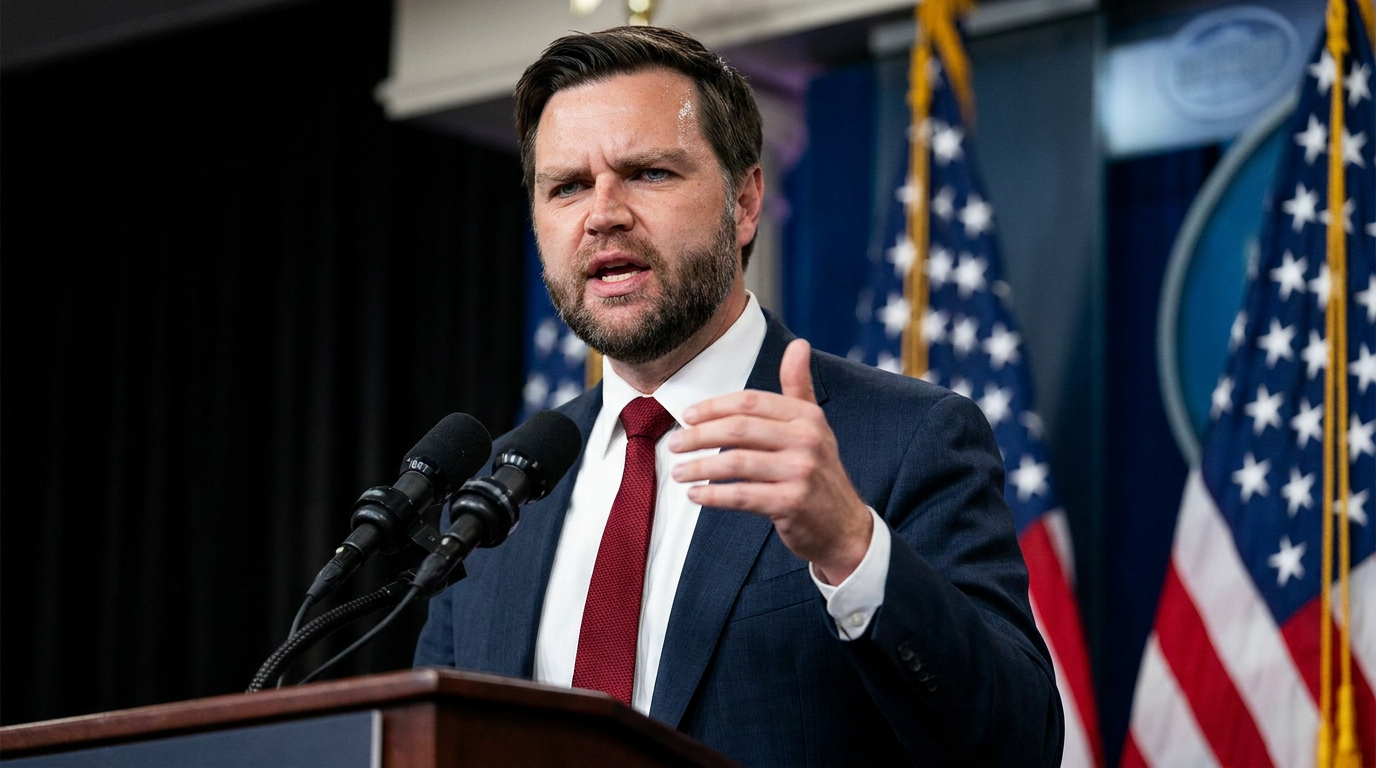
U.S. and Iran Sign Agreement to End War; Vance Lashes Out at Israeli Critics
7 sources
U.S.-Iran Deal
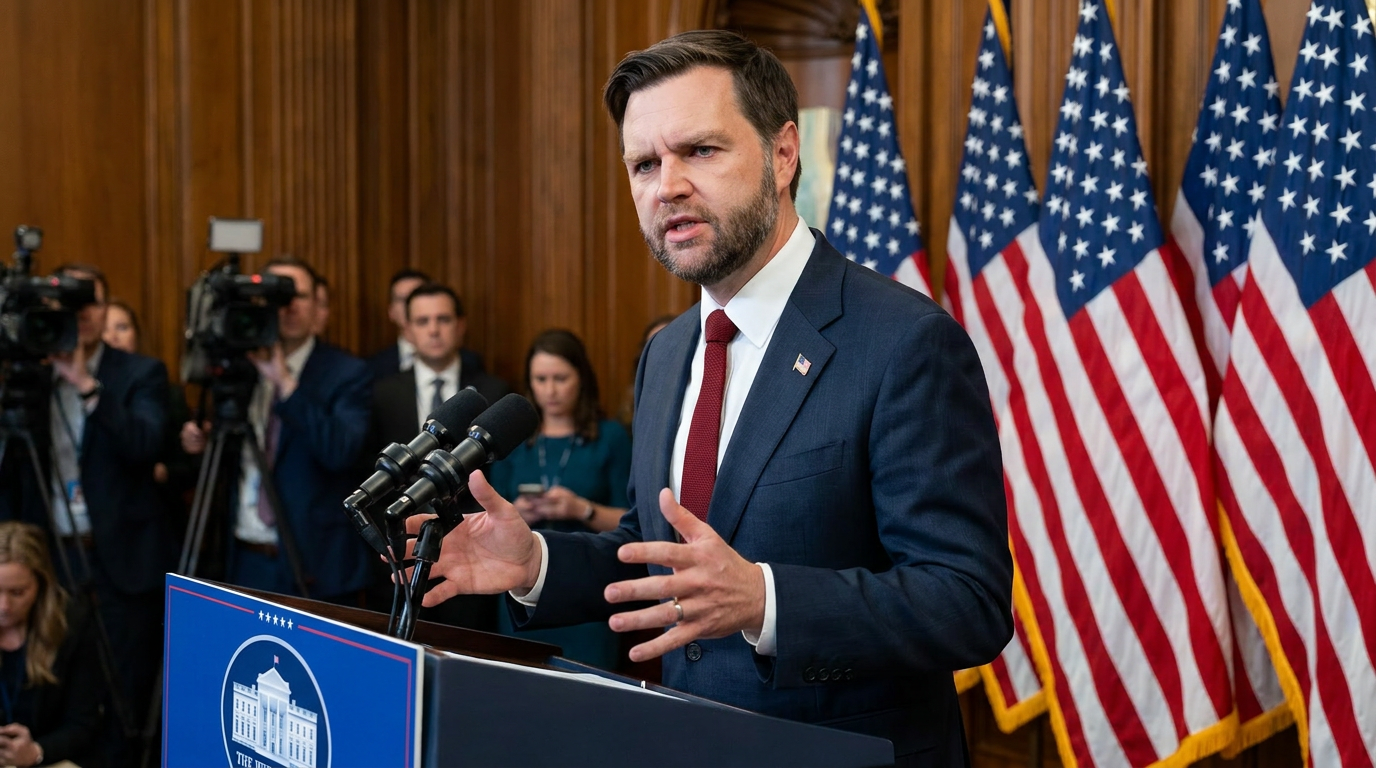
U.S. and Iran Sign 14-Point Agreement to End War, Sparking Fierce Backlash from Israel
6 sources
U.S.-Iran Relations
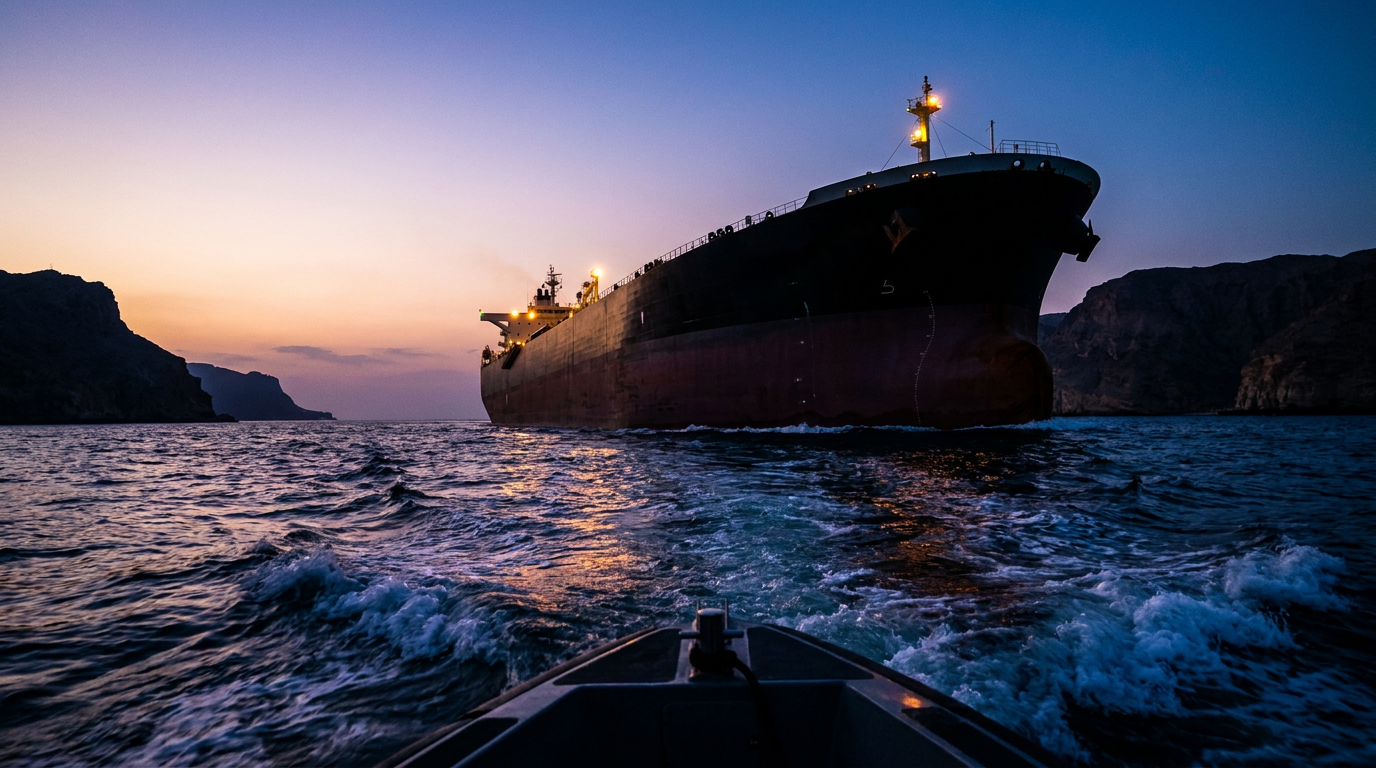
Vance Rebukes Israeli Critics of U.S.-Iran Peace Agreement, Warning Against Alienating 'Only Powerful Ally'
8 sources
Cognitive Defense
The Science of 'Prebunking': How Psychological Inoculation is Defeating Misinformation
6 sources

Every angle. Every day.
Get news politics stories with full source coverage and perspective breakdowns delivered to your inbox.