
US and Iran Agree to 60-Day Peace Framework to End War and Reopen Strait of Hormuz
The United States and Iran have reached an initial agreement to halt their three-month war, lifting the U.S. naval blockade and initiating a 60-day window to negotiate a permanent nuclear accord.
By Factlen Editorial Team
- U.S. Administration
- Argues the deal is a victory achieved through maximum pressure, securing the reopening of the Strait and forcing nuclear concessions.
- Iranian Government
- Frames the agreement as a successful resistance that forced the lifting of the U.S. naval blockade and secured sanctions relief.
- Global Shipping Industry
- Focused entirely on the logistical and humanitarian crisis, prioritizing the safe evacuation of 20,000 stranded seafarers and mine clearance.
- International Mediators
- Views the ceasefire as a fragile but essential window to de-escalate the broader Middle East conflict and negotiate a lasting framework.
What's not represented
- · Stranded Seafarers' Families
- · Regional Gulf States (UAE, Saudi Arabia)
Why this matters
The reopening of the Strait of Hormuz will unblock 20% of the world's daily oil supply, stabilizing global energy markets and ending a logistical nightmare that trapped 20,000 seafarers. If the 60-day framework holds, it averts a broader Middle Eastern conflict that threatened to drag in multiple global powers.
Key points
- The U.S. and Iran have agreed to a 60-day ceasefire to negotiate a permanent end to the war.
- The U.S. will lift its naval blockade, allowing the Strait of Hormuz to reopen.
- Roughly 20,000 seafarers and 1,000 commercial ships have been trapped in the Gulf for over 100 days.
- Iran has agreed to freeze its nuclear program at the current status quo during the 60-day window.
- The waterway must undergo extensive mine clearance before commercial oil transit can fully resume.
The United States and Iran have reached an initial agreement to end a devastating three-and-a-half-month war, signaling the reopening of the Strait of Hormuz and a halt to military operations across the Middle East.[2][3]
The diplomatic breakthrough was announced by U.S. President Donald Trump on Sunday, who declared the deal "complete" just hours before hosting a massive UFC cage-fighting event on the White House South Lawn to celebrate his 80th birthday.[1]
Brokered heavily by Pakistan and Qatar, the framework establishes a 60-day Memorandum of Understanding (MoU) that is set to be formally signed this Friday in Switzerland.[2][3]
During this 60-day window, both Washington and Tehran have agreed to an immediate and permanent termination of military operations on all fronts, including the heavily contested conflict in Lebanon.[3][4]

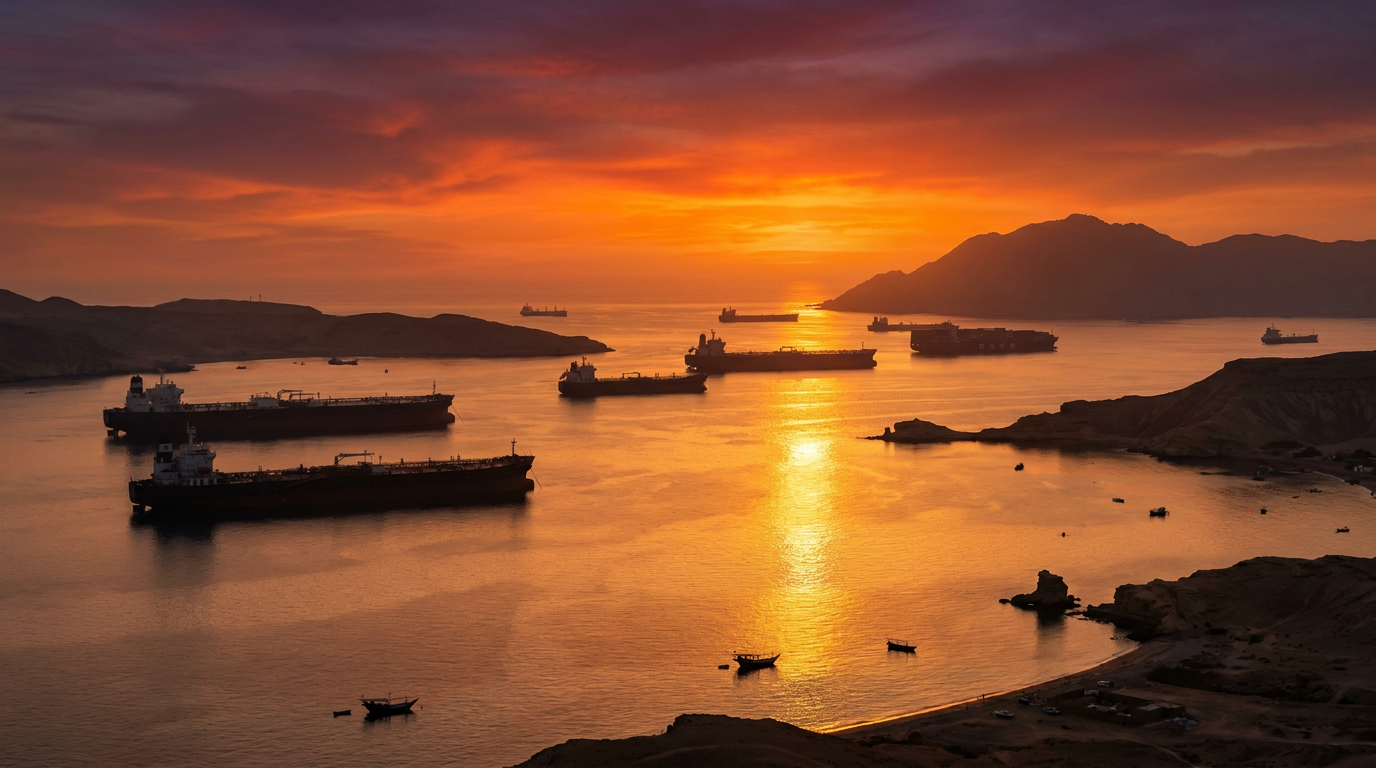
For the global economy, the most critical immediate mechanism is the reopening of the Strait of Hormuz. The waterway, which normally handles more than a fifth of the world's daily oil supply, has been effectively closed to commercial traffic since the war erupted on February 28.[2][8]
Trump announced he had authorized the "immediate removal" of the U.S. naval blockade on Iranian ports, while Iranian state media reported that the strait would be managed under "Iranian arrangements" moving forward.[2][3]
The human toll of the maritime closure has been staggering. An estimated 1,000 commercial ships and 20,000 seafarers have been trapped in the Arabian Gulf for over 100 days, caught in the crossfire of naval strikes and mine deployments.[6]

The International Maritime Organization (IMO) and the International Chamber of Shipping (ICS) welcomed the ceasefire, but cautioned that evacuating the stranded crews will require immense logistical coordination and time.[5][6]
Before commercial traffic can resume at scale, the strait must be painstakingly cleared of naval mines. Trump indicated the waterway would open initially "for purposes of mine removal," a perilous operation that the U.K. government has already offered to support.[2][5][8]
Before commercial traffic can resume at scale, the strait must be painstakingly cleared of naval mines.
Beyond the immediate maritime crisis, the 60-day MoU serves as a ticking clock for the war's most intractable issue: Iran's nuclear program.[3][4]
Under the preliminary terms, Iran has agreed to maintain the nuclear status quo—halting further uranium enrichment and freezing the expansion of its nuclear facilities—while diplomats attempt to hammer out a permanent accord.[4]

U.S. officials assert the final agreement will require the dismantling of Iran's highly enriched uranium stockpile, while Iranian officials maintain they have secured relief from crippling U.S. sanctions and the release of frozen assets without surrendering their civilian nuclear rights.[4][7]
Global markets reacted swiftly to the news of the truce. Asian shipping stocks rallied and oil prices dropped overnight as traders priced in the eventual return of Middle Eastern crude to the global market.[2][8]
However, shipping analysts warn that a return to normal navigation will be gradual. Major shipping companies, already scarred by the ongoing Red Sea crisis, are awaiting clear security guarantees and lower insurance premiums before committing new vessels to the region.[6][8]

The diplomatic breakthrough also leaves Israel in a complex position. While the agreement halts the broader regional war, Israeli media reports indicate Prime Minister Benjamin Netanyahu informed the U.S. that Israel is not a direct party to the bilateral Washington-Tehran pact.[4][7]
As the Friday signing approaches, the world watches to see if the fragile truce can hold. The next two months will test whether a temporary cessation of hostilities can be converted into a durable geopolitical settlement, or if the region will slip back into a conflict that has already reshaped global trade.[2][3]
How we got here
Feb 28, 2026
The U.S. and Israel launch military operations against Iran, leading to the closure of the Strait of Hormuz.
March - May 2026
The conflict expands across the Middle East, trapping 1,000 ships and 20,000 seafarers in the Arabian Gulf.
June 14, 2026
President Trump announces an initial agreement to end the war and lift the U.S. naval blockade.
June 19, 2026
The U.S. and Iran are scheduled to sign a 60-day Memorandum of Understanding in Switzerland.
Viewpoints in depth
U.S. Administration
Argues the deal is a victory achieved through maximum pressure, securing the reopening of the Strait and forcing nuclear concessions.
U.S. officials are framing the 60-day framework as a decisive victory for the administration's 'peace through strength' approach. By maintaining a crippling naval blockade and executing targeted military operations, the administration argues it forced Tehran to the negotiating table. The U.S. position maintains that the final accord will require the complete dismantling of Iran's highly enriched uranium stockpile, permanently removing the threat of an Iranian nuclear weapon while securing the vital flow of global oil.
Iranian Government
Frames the agreement as a successful resistance that forced the lifting of the U.S. naval blockade and secured sanctions relief.
Iranian state media and diplomatic officials are presenting the ceasefire as a triumph of national resistance. They emphasize that the agreement forces the United States to end its naval blockade and suspend crippling economic sanctions, allowing Iran to access billions in frozen assets and resume oil exports. Crucially, Iranian officials argue they have not surrendered their right to a civilian nuclear program, framing the 60-day freeze as a temporary concession rather than a permanent dismantling of their infrastructure.
Global Shipping Industry
Focused entirely on the logistical and humanitarian crisis, prioritizing the safe evacuation of 20,000 stranded seafarers and mine clearance.
For international maritime organizations and shipping conglomerates, the geopolitical maneuvering is secondary to the immediate humanitarian and logistical nightmare in the Arabian Gulf. Industry advocates are urgently pressing for the safe evacuation of the 20,000 seafarers who have been trapped in a war zone for over 100 days. Shipping analysts warn that despite the political agreement, commercial vessels will not return to the Strait of Hormuz until extensive mine clearance operations are completed and insurance premiums return to sustainable levels.
International Mediators
Views the ceasefire as a fragile but essential window to de-escalate the broader Middle East conflict and negotiate a lasting framework.
Nations that helped broker the deal, including Pakistan and Qatar, alongside international bodies like the United Nations, view the 60-day Memorandum of Understanding as a critical but highly fragile window. They emphasize that the immediate cessation of hostilities in Lebanon and the Gulf must be rapidly converted into a durable diplomatic settlement. Mediators are acutely aware that if the nuclear negotiations collapse during this two-month period, the region risks sliding back into an even more destructive phase of the conflict.
What we don't know
- Whether Iran will ultimately agree to dismantle its highly enriched uranium stockpile during the 60-day negotiation period.
- Exactly how long it will take to clear the Strait of Hormuz of naval mines before commercial shipping can safely resume.
- How Israel will respond to the bilateral agreement, given reports that it does not consider itself a party to the pact.
Key terms
- Strait of Hormuz
- A vital maritime chokepoint between the Persian Gulf and the Gulf of Oman, through which roughly 20% of the world's oil supply passes.
- Memorandum of Understanding (MoU)
- A formal agreement between two or more parties that establishes a framework for cooperation, often preceding a final, binding treaty.
- Naval Blockade
- A military operation in which ships are used to prevent vessels from entering or leaving a nation's ports, effectively cutting off maritime trade.
- International Maritime Organization (IMO)
- The United Nations specialized agency responsible for the safety and security of shipping and the prevention of marine pollution by ships.
Frequently asked
When does the war officially end?
A 60-day Memorandum of Understanding is scheduled to be signed on Friday in Switzerland, establishing an immediate ceasefire.
What happens to the Strait of Hormuz?
The U.S. is lifting its naval blockade, and the waterway will be reopened initially for mine clearance before commercial shipping resumes.
What about the stranded sailors?
The International Maritime Organization is coordinating a massive logistical effort to safely evacuate the 20,000 seafarers trapped in the Gulf since February.
Did Iran agree to give up its nuclear program?
Iran agreed to freeze its nuclear program at the current status quo for 60 days while a permanent agreement is negotiated.
Sources
Source coverage
8 outlets
4 viewpoints surfaced








[1]NPRU.S. Administration
Trump celebrates 80th birthday with Iran deal and UFC fights at the White House
Read on NPR →[2]The GuardianIranian Government
Monday briefing: Trump's late-night deal with Iran
Read on The Guardian →[3]PBS NewsHourIranian Government
US-Iran deal to end war expected 'within 24 hours'
Read on PBS NewsHour →[4]Times of IsraelInternational Mediators
US, Iran agree on peace framework to end war, reopen Strait of Hormuz
Read on Times of Israel →[5]Al JazeeraInternational Mediators
Seafarers’ advocates welcome US-Iran deal after months-long limbo in Gulf
Read on Al Jazeera →[6]Seatrade Maritime NewsGlobal Shipping Industry
US - Iran peace deal – safe departure of stranded crew top priority: ICS
Read on Seatrade Maritime News →[7]TIMEU.S. Administration
US and Iran Reach Deal to End War, Trump Says
Read on TIME →[8]Splash247Global Shipping Industry
Asian shipping stocks rally on US-Iran deal
Read on Splash247 →
More in news politics
See all 9 stories →US-Iran Deal
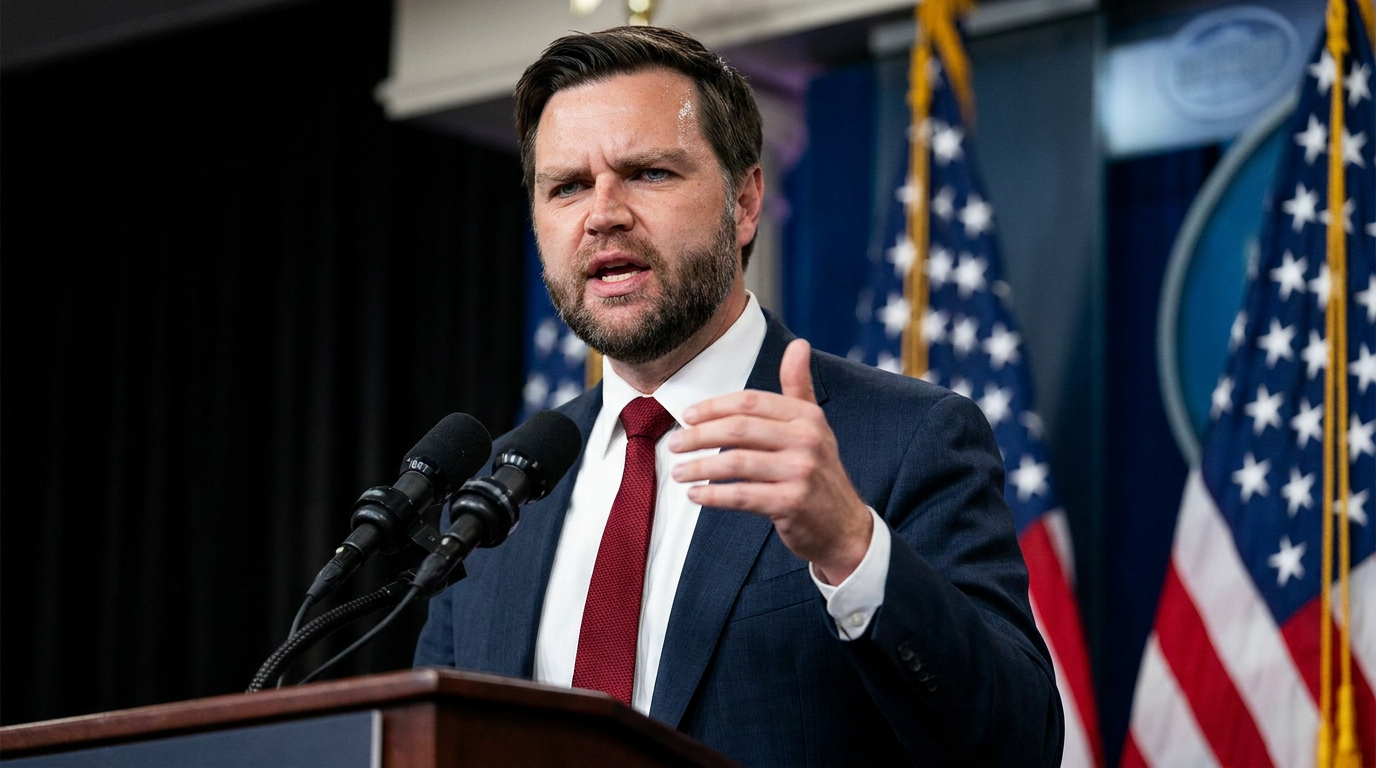
U.S. and Iran Sign Agreement to End War; Vance Lashes Out at Israeli Critics
7 sources
U.S.-Iran Deal
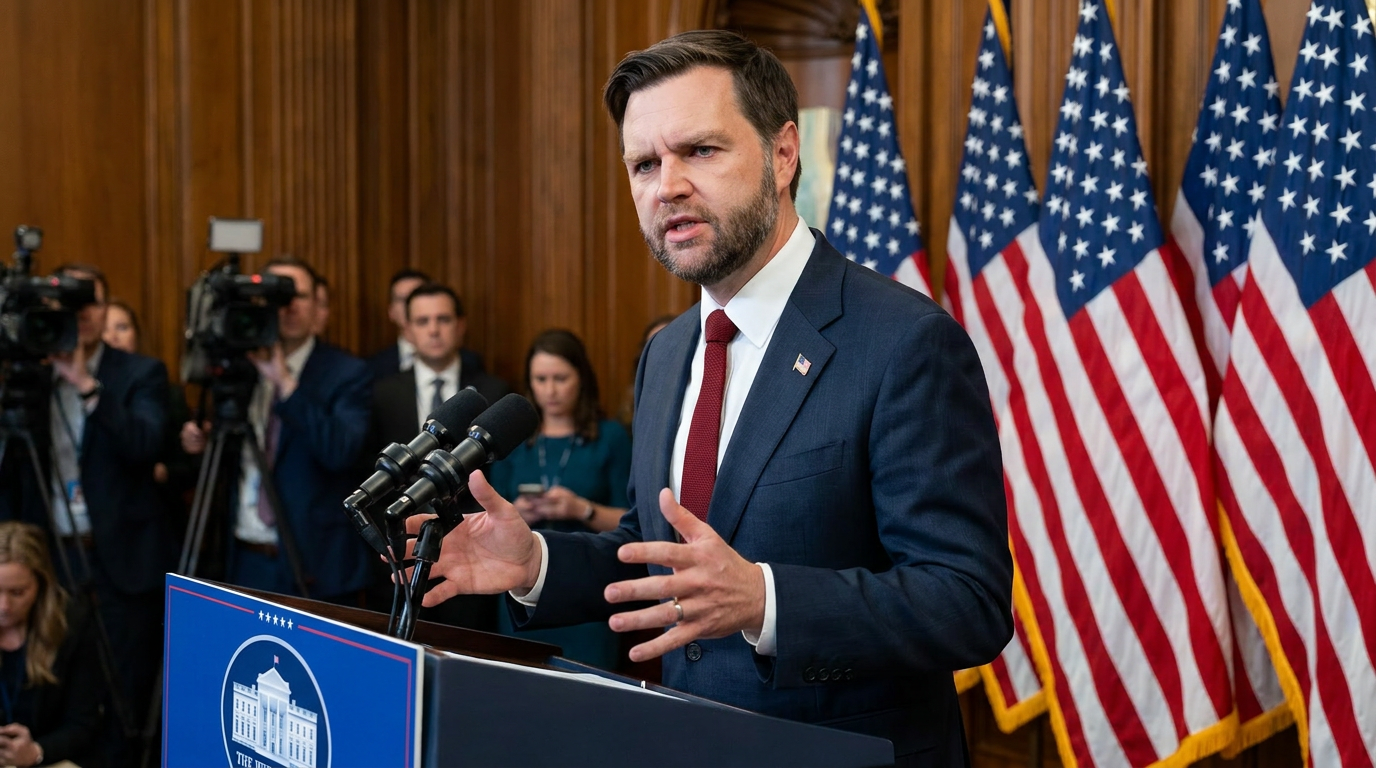
U.S. and Iran Sign 14-Point Agreement to End War, Sparking Fierce Backlash from Israel
6 sources
U.S.-Iran Relations
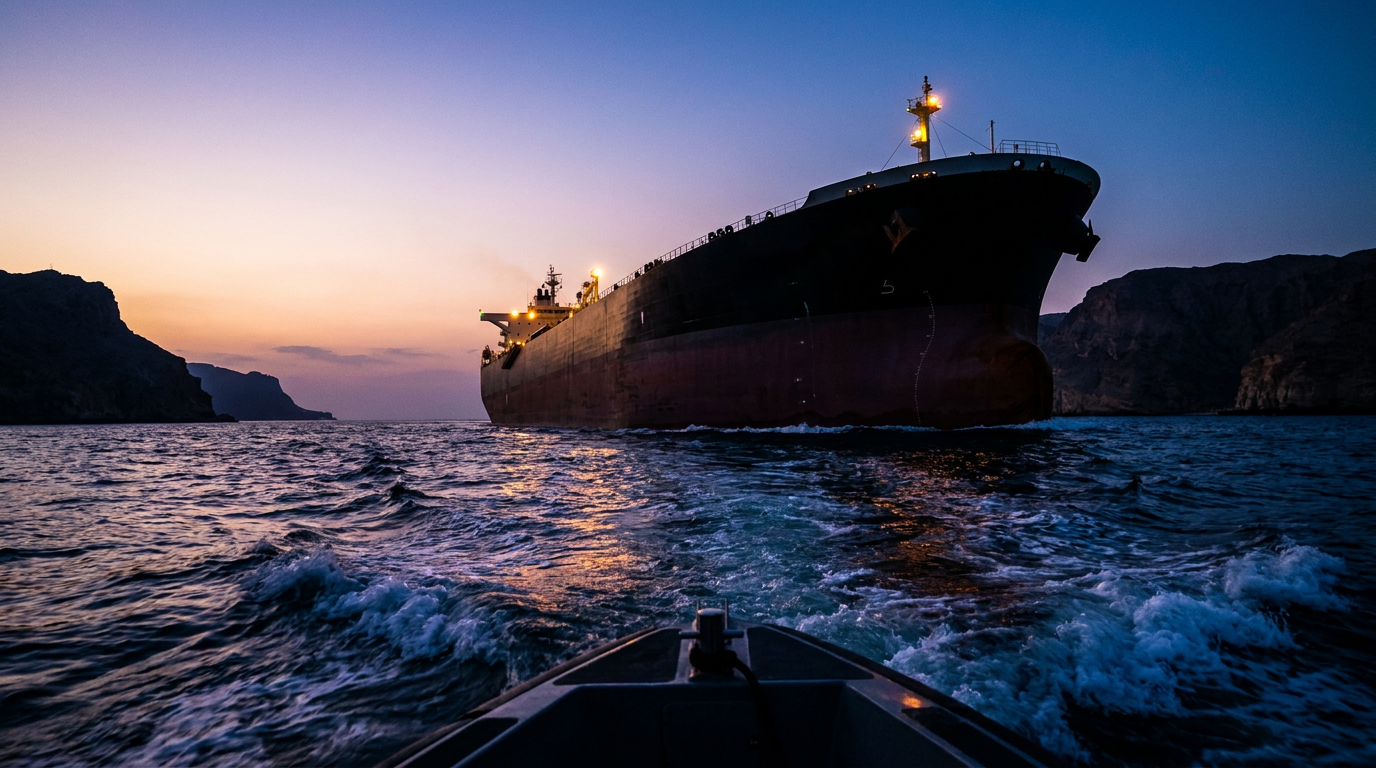
Vance Rebukes Israeli Critics of U.S.-Iran Peace Agreement, Warning Against Alienating 'Only Powerful Ally'
8 sources
Cognitive Defense
The Science of 'Prebunking': How Psychological Inoculation is Defeating Misinformation
6 sources

Every angle. Every day.
Get news politics stories with full source coverage and perspective breakdowns delivered to your inbox.