
Trump Cancels Iran Strikes, Claims Peace Deal Is Imminent as Tehran Cautions No Final Agreement Reached
President Trump called off planned military strikes on Iranian oil infrastructure, claiming a peace agreement is nearly finalized. While Iranian officials acknowledge progress, they caution that a final deal has not yet been approved.
By Factlen Editorial Team
- U.S. Administration
- Argues that maximum military pressure and economic threats have successfully forced Iran to accept a comprehensive peace settlement.
- Iranian Leadership
- Maintains that while negotiations have advanced, no final agreement is in place and Tehran will not compromise on its core red lines.
- Regional Allies
- Focuses on ensuring that any U.S.-Iran agreement permanently dismantles Tehran's nuclear enrichment capabilities.
- Diplomatic Analysts
- Cautions that the memorandum is only a conceptual framework and that significant gaps and potential spoilers remain.
What's not represented
- · European Union negotiators
- · Global shipping companies affected by the blockade
Why this matters
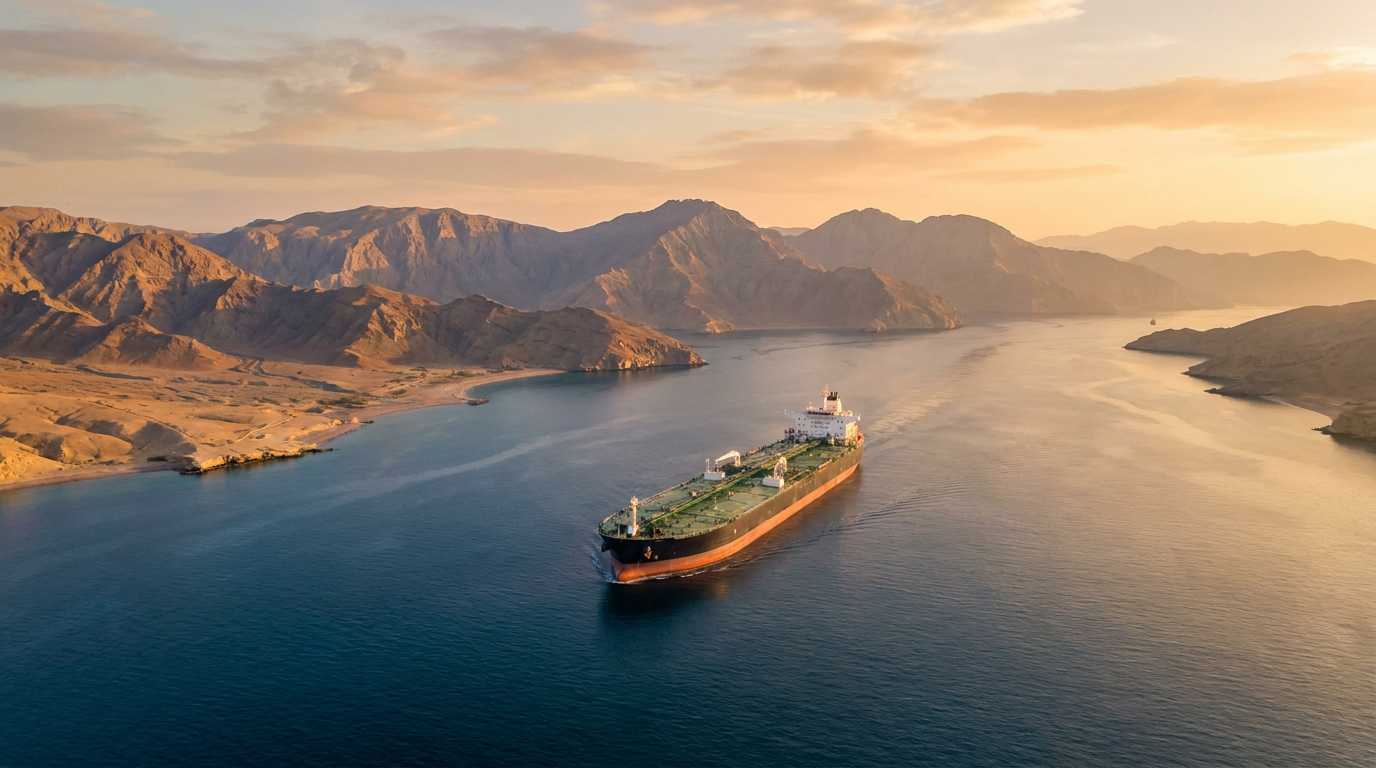
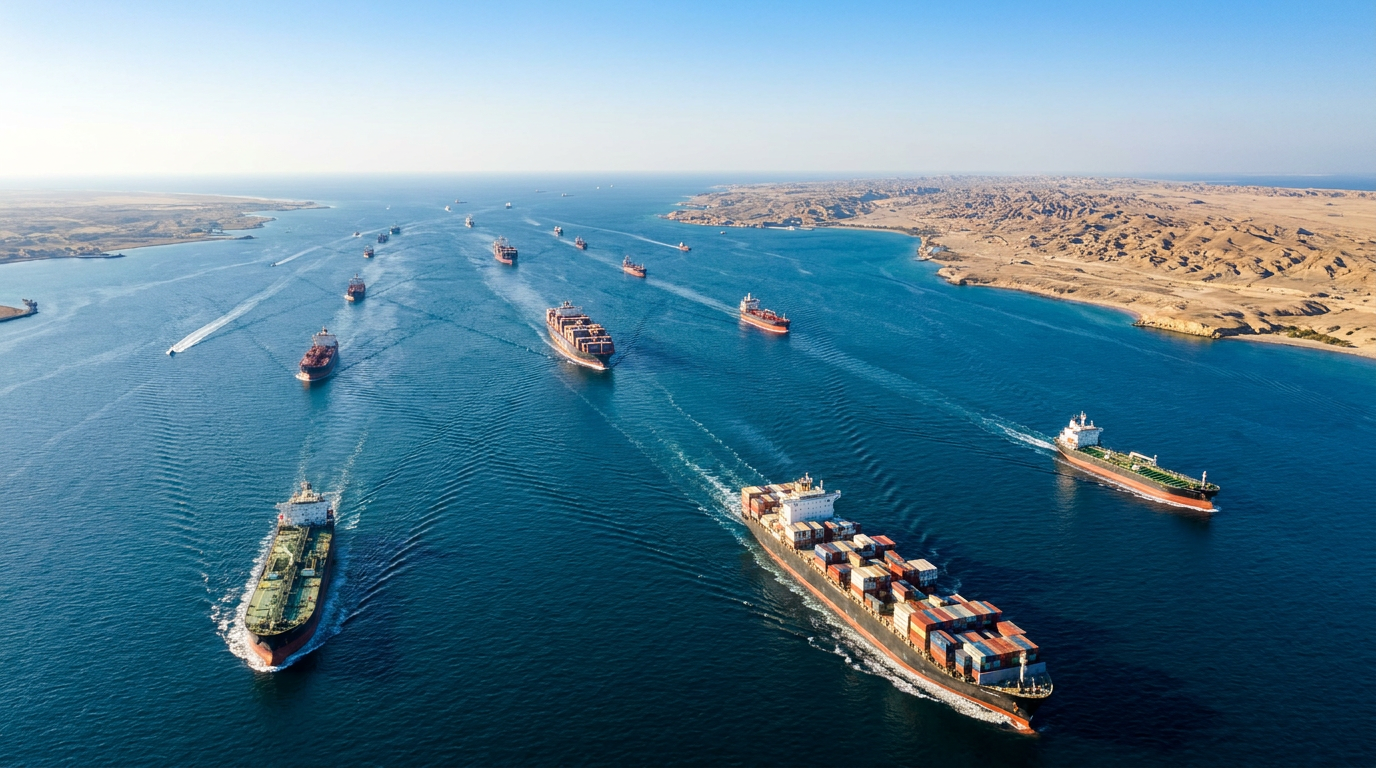
A finalized peace agreement would end a three-month conflict that has disrupted global energy markets and threatened a broader regional war. Reopening the Strait of Hormuz would immediately impact global oil prices and unblock critical international shipping routes.
Key points
- President Trump canceled planned military strikes on Iran, citing major progress in peace negotiations.
- The U.S. president claimed a deal could be signed in Europe as soon as this weekend.
- Iranian officials stated that while progress has been made, no final agreement has been reached.
- Earlier on Thursday, Trump had threatened to seize Iran's Kharg Island oil terminal.
- The proposed deal would initiate a 60-day negotiation period and reopen the Strait of Hormuz.
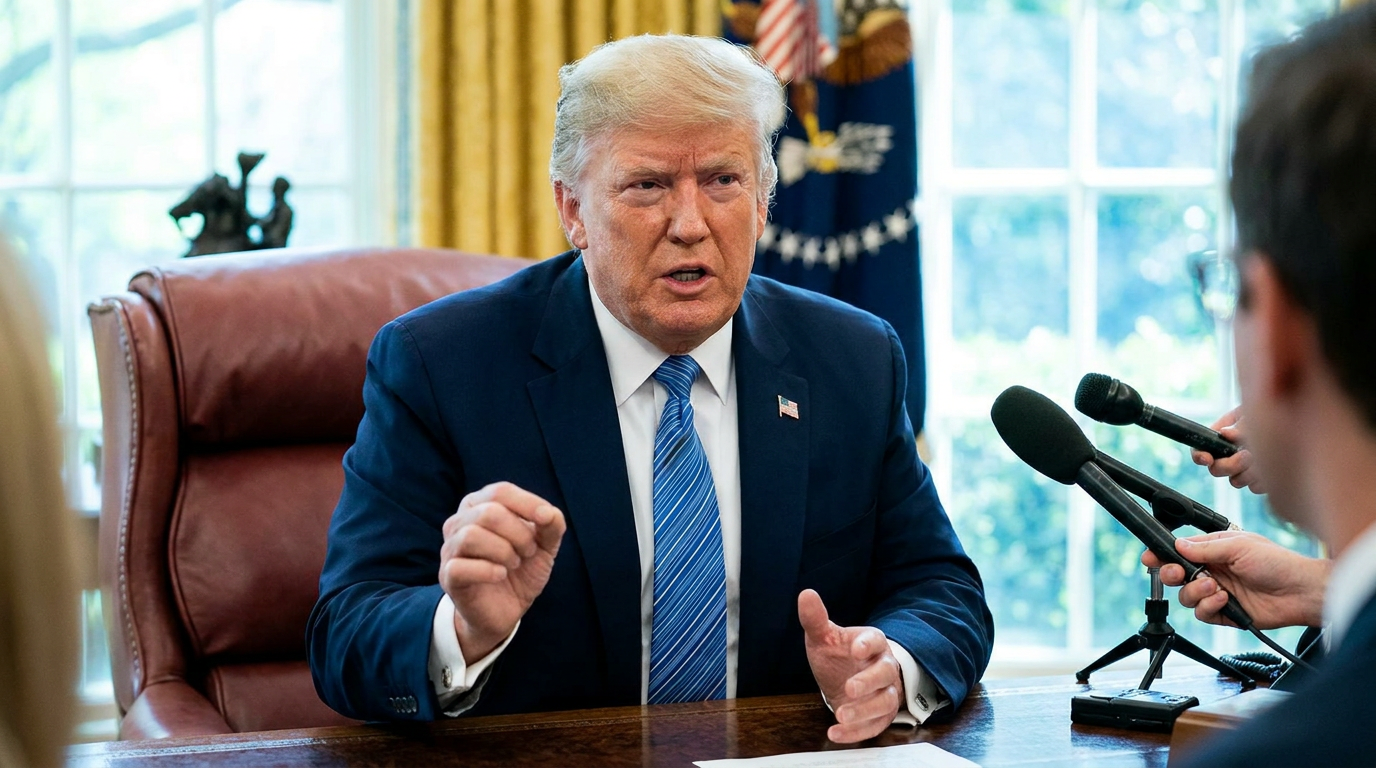
President Donald Trump abruptly canceled a wave of planned military strikes against Iran on Thursday evening, announcing that a "great settlement" had been reached to end the three-month-old war. Speaking from the Oval Office and posting on Truth Social, Trump claimed that discussions had been approved at the highest levels of Iranian leadership. He suggested that a formal signing ceremony could take place in Europe as soon as this weekend, with Vice President JD Vance attending on behalf of the United States. The sudden pivot halted what was expected to be a severe escalation in the conflict, which has heavily disrupted global energy markets.[2][3][8]
The diplomatic whiplash came just hours after Trump issued stark threats to cripple Iran's economy by seizing its most vital energy assets. On Thursday morning, the president warned that the U.S. military would strike Iran "VERY HARD" and take control of Kharg Island, the Persian Gulf terminal that historically handled roughly 90% of Iran's crude oil shipments. Trump explicitly compared the proposed operation to recent U.S. actions in Venezuela, asserting that Washington would assume "total control" of Iranian oil and gas markets to force Tehran's hand.[4][7]
However, Trump later softened his rhetoric during a live telephone interview on Fox News, expressing doubt about whether the American public had the "appetite" or "stomach" for a ground operation to occupy Kharg Island. He also noted a reluctance to target civilian infrastructure, such as power plants, acknowledging that "the people suffer" when such facilities are destroyed. By Thursday evening, the threats of imminent bombardment were entirely replaced by declarations of a diplomatic breakthrough, with Trump asserting that the stock market's positive reaction proved the deal's value.[1][2][7]

Despite the White House's optimism, officials in Tehran quickly pumped the brakes on the narrative that a final deal was already sealed. Iranian Foreign Ministry spokesperson Esmaeil Baghaei stated that while large portions of the text had been finalized, Iran had not yet reached a "final conclusion" and would not compromise on its established red lines. Tasnim, a semi-official Iranian news agency, cautioned the public to dismiss any announcements from Trump until a formal understanding is confirmed by Iranian leadership.[1][6]
Despite the White House's optimism, officials in Tehran quickly pumped the brakes on the narrative that a final deal was already sealed.
Even with the official caution, there are strong indications from within Iran that an agreement is highly probable. The semi-official Fars News agency reported that the text accepted by the United States has already been approved by Iranian negotiators, though a formal response has not yet been delivered. Diplomatic sources briefed on the talks indicated that key gaps were significantly narrowed during recent mediation sessions in Qatar, though they warned that potential spoilers could still derail the fragile consensus.[5][6][8]
If finalized, the memorandum of understanding would serve as a conceptual framework rather than a comprehensive treaty. According to sources familiar with the negotiations, the signing would trigger a 60-day window for intensive talks regarding Iran's nuclear program and the unfreezing of billions of dollars in Iranian assets. A critical immediate provision would involve demining the Strait of Hormuz and reopening the vital maritime chokepoint to commercial shipping, though the U.S. naval blockade would reportedly remain in place during the initial demining phase.[1][3][6]

The push for a settlement follows a volatile week that threatened to shatter a nominal ceasefire established in April. The U.S. and Iran have engaged in a cycle of retaliatory strikes since the war escalated in late February, with the U.S. recently targeting Iranian military surveillance capabilities, air-defense sites, and vessels allegedly attempting to run the blockade. The conflict has resulted in thousands of casualties across the region and forced global shipping to reroute away from the Persian Gulf.[1][8]
Regional allies are watching the negotiations closely, particularly regarding the stipulations surrounding Iran's nuclear capabilities. Israeli Prime Minister Benjamin Netanyahu held a phone call with Trump on Thursday to discuss the emerging memorandum. While Israel is not a party to the agreement, Netanyahu's office released a statement expressing appreciation for Trump's commitment that any final deal would require the dismantling of Iran's nuclear enrichment infrastructure and the removal of enriched material.[5][8]

The coming days will test whether the current diplomatic momentum can survive the deep mistrust between Washington and Tehran. Trump has previously claimed that a deal was imminent only for negotiations to collapse and hostilities to resume. However, the explicit cancellation of Thursday's airstrikes and the detailed framework emerging from Qatari mediation suggest that both sides are closer to a formal off-ramp than at any point since the war began 105 days ago.[1][4][5]
How we got here
February 2026
The U.S. and Israel launch airstrikes on Iran, initiating the current 105-day conflict.
April 2026
A fragile ceasefire is announced but is repeatedly strained by retaliatory strikes.
June 10, 2026
Hostilities escalate with a new round of heavy U.S. military strikes on Iranian targets.
June 11, 2026 (Morning)
President Trump threatens to seize Kharg Island and assume control of Iran's oil markets.
June 11, 2026 (Evening)
Trump abruptly cancels planned strikes, announcing a peace deal is imminent.
Viewpoints in depth
U.S. Administration's View
The perspective that maximum pressure and military threats have successfully forced Iran to the negotiating table.
The White House views the impending agreement as a vindication of its maximum pressure campaign. By demonstrating a willingness to strike vital infrastructure like Kharg Island and maintain a naval blockade, the administration argues it has left Tehran with no choice but to accept terms. U.S. officials emphasize that the deal will permanently block Iran's path to a nuclear weapon and restore stability to global energy markets.
Iranian Leadership's View
The perspective that Tehran will not be bullied into a premature announcement and insists on strict adherence to its red lines.
Iranian officials are actively resisting the U.S. narrative that a deal is already finalized, framing Trump's announcements as premature public relations. Tehran insists that any lasting agreement must include the complete lifting of international sanctions and the unfreezing of its assets. They view the negotiations not as a surrender, but as a necessary step to relieve economic pressure while maintaining their core sovereign rights.
Regional Allies' View
The perspective of Israel and Gulf states, prioritizing the complete dismantling of Iran's nuclear enrichment capabilities.
Regional powers, particularly Israel, are cautiously optimistic but remain deeply concerned about the specifics of the nuclear provisions. For these nations, a ceasefire that merely pauses hostilities without permanently dismantling Iran's nuclear infrastructure is insufficient. They are lobbying Washington to ensure that the final 60-day negotiations result in verifiable, irreversible limits on Tehran's capabilities.
What we don't know
- Whether Iran's Supreme Leader Mojtaba Khamenei has officially approved the draft agreement.
- The exact mechanisms for releasing Iran's frozen assets and lifting sanctions.
- How the agreement will enforce limits on Iran's nuclear enrichment program.
Key terms
- Kharg Island
- Iran's primary oil export terminal in the Persian Gulf, historically handling the vast majority of the country's crude shipments.
- Strait of Hormuz
- A crucial maritime chokepoint between the Persian Gulf and the Gulf of Oman, through which a significant portion of the world's oil passes.
- Memorandum of Understanding
- A formal agreement between two or more parties that establishes a framework for future negotiations, though often not legally binding.
Frequently asked
Is the war between the U.S. and Iran officially over?
Not yet. While President Trump claims a settlement has been reached, Iranian officials say a final agreement is still pending and has not been formally approved.
What would the proposed peace deal do?
It would establish a 60-day negotiation period, initiate the demining and reopening of the Strait of Hormuz, and address Iran's nuclear program and frozen assets.
Why did Trump threaten Kharg Island?
Kharg Island is Iran's main oil export hub. Seizing it would effectively give the U.S. control over Iran's oil revenues, a tactic Trump compared to U.S. actions in Venezuela.
Sources
Source coverage
8 outlets
4 viewpoints surfaced








[1]The GuardianIranian Leadership
Trump claims US and Iran on verge of signing peace agreement, but Tehran says no final decision made
Read on The Guardian →[2]Fox NewsU.S. Administration
Trump cancels scheduled strikes against Iran, claiming progress in talks
Read on Fox News →[3]CBS NewsU.S. Administration
Trump says he's canceled tonight's strikes, citing progress on a potential deal
Read on CBS News →[4]Al JazeeraIranian Leadership
Iran war day 105: Trump halts attacks after Kharg Island threat
Read on Al Jazeera →[5]Middle East EyeRegional Allies
Iran and the US both signalled a breakthrough in ceasefire talks
Read on Middle East Eye →[6]AxiosDiplomatic Analysts
Trump claims Iran deal reached, Tehran says no 'final decision'
Read on Axios →[7]CNBCU.S. Administration
Trump threatens to seize 'total control' of Iran's oil industry including key export terminal Kharg Island
Read on CNBC →[8]Al ArabiyaRegional Allies
Trump says canceling Iran strikes, flags possible deal
Read on Al Arabiya →

Every angle. Every day.
Get news politics stories with full source coverage and perspective breakdowns delivered to your inbox.