
'Toy Story 5' Smashes Box Office Records With $160 Million Debut, Reviving Summer Cinema
Pixar's latest installment secured the biggest opening weekend of 2026 so far, pushing the summer box office back to pre-pandemic levels.
By Factlen Editorial Team
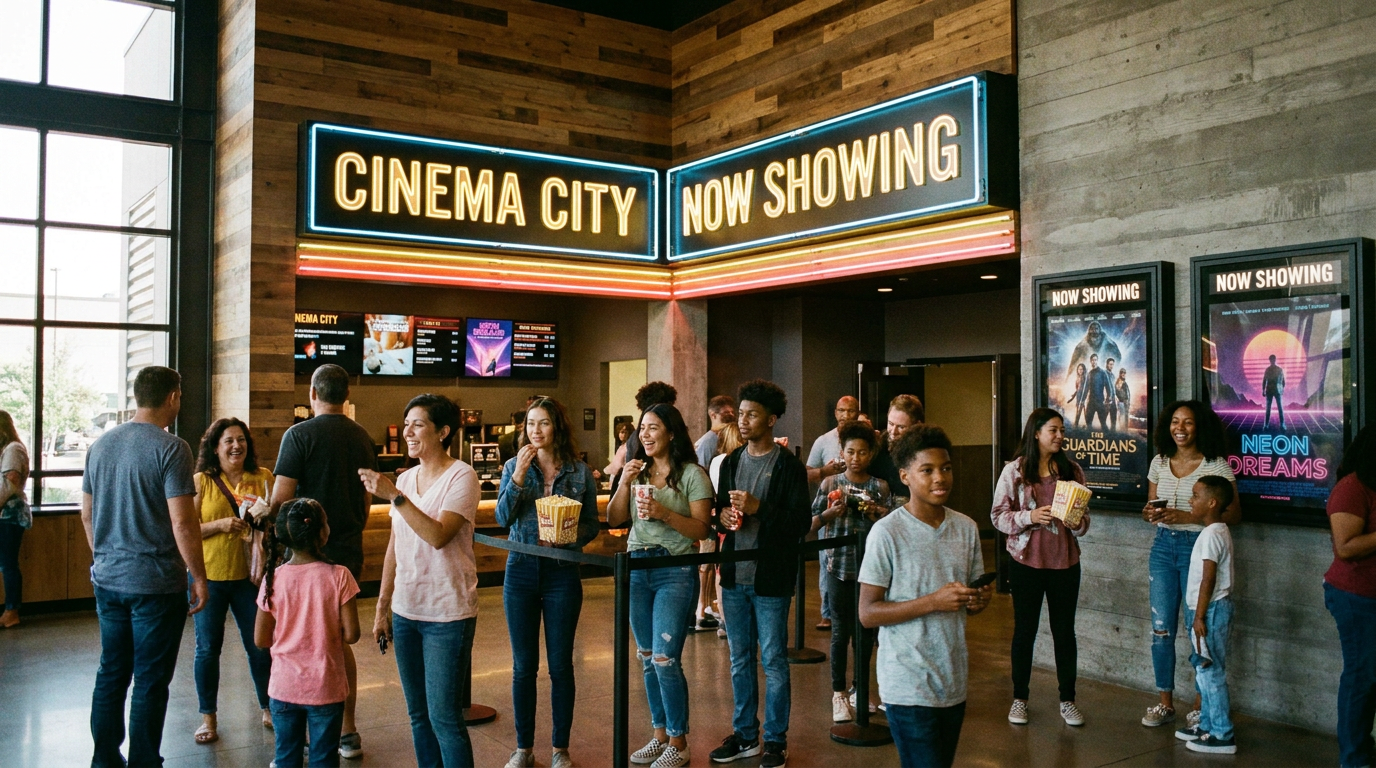
- Box Office Analysts
- Focuses on the macro recovery of the theatrical industry and the return to pre-pandemic revenue levels.
- Disney & Pixar Leadership
- Emphasizes the enduring multi-generational appeal of the franchise and the relatable themes of the new film.
- Theatrical Exhibitors
- Celebrates the massive turnout and the high percentage of premium-format ticket sales driving revenue.
What's not represented
- · Independent Filmmakers
- · Streaming Platform Executives
Why this matters
The record-breaking debut signals a full recovery for the theatrical exhibition industry, proving that audiences will still turn out in massive numbers for communal, big-screen experiences. For the broader economy of Hollywood, it confirms that well-executed family tentpoles remain the most reliable economic engine for studios and theater owners alike.
Key points
- Pixar's latest sequel opened to $160 million domestically and $312 million globally, the biggest debut of 2026.
- The opening shatters the franchise's previous record and ranks as the second-highest animated debut in history.
- The summer box office is now tracking 15% ahead of 2025 and is nearly equal to pre-pandemic 2019 levels.
- Premium large formats like IMAX accounted for a massive 40% of the film's opening weekend ticket sales.
- The film's plot centers on the classic toys confronting the modern threat of electronic devices and tablets.
More than three decades after Woody and Buzz Lightyear first revolutionized computer animation, Pixar's flagship franchise has proven it still commands the theatrical landscape. "Toy Story 5" dominated the weekend box office with a staggering $160 million domestic debut, easily securing the biggest opening weekend of 2026 so far. The highly anticipated sequel also resonated massively overseas, pulling in an additional $152 million for a massive global launch of $312 million. The blockbuster performance instantly injected new life into the summer movie season, signaling that family audiences are returning to multiplexes in droves.[1][2][3]
The massive debut shatters previous records for the 31-year-old franchise. The $160 million domestic haul far surpasses the series' previous high-water mark—the $120.9 million opening of "Toy Story 4" in June 2019. In the broader historical context, the film now holds the second-highest domestic opening weekend for an animated feature of all time, sitting just behind Pixar's own "Incredibles 2." Adjusted for inflation, the opening still ranks among the studio's elite tier, proving the enduring, multi-generational appeal of characters that many modern parents grew up watching.[2][3]
The narrative of the fifth installment strikes a particularly timely chord, pivoting away from traditional toy-box rivalries to address the modern digital age. The familiar gang of toys finds themselves confronting the existential threat of electronic devices, specifically a captivating new tablet named Lilypad. Andrew Cripps, head of theatrical distribution for Walt Disney Studios, noted that the "tech versus toys" conflict is an easily graspable concept for families, reflecting a universal dynamic that modern parents navigate daily. This relatable thematic core helped drive the film's broad four-quadrant appeal.[1]

To bring the ambitious story to life, Pixar assembled a mix of legacy talent and high-profile newcomers. Tom Hanks, Tim Allen, and Joan Cusack reprised their iconic roles as Woody, Buzz Lightyear, and Jessie, anchoring the emotional weight of the film. They are joined by a fresh voice cast that includes Conan O'Brien, Greta Lee, and Tony Hale. Behind the scenes, Pixar veteran Andrew Stanton took the directorial reins, with McKenna Harris serving as co-director, ensuring the film maintained the studio's signature blend of humor and heart.[1][3]
To bring the ambitious story to life, Pixar assembled a mix of legacy talent and high-profile newcomers.
The financial and creative investment required to maintain that standard remains immense. The production budget for the sequel hovered between $150 million and $200 million, with a dedicated crew of approximately 300 artists and technicians working out of Pixar's Emeryville, California headquarters. That investment appears to have paid off not just financially, but critically; the film earned strong reviews and an elite "A" CinemaScore from opening weekend audiences, suggesting that strong word-of-mouth will give the movie long legs throughout the summer.[1][3]
Beyond Disney's bottom line, the blockbuster opening is a rising tide lifting the entire theatrical exhibition industry. With the massive influx of ticket sales, the 2026 summer box office is currently tracking 15% ahead of the same period in 2025. More impressively, industry data shows that summer ticket sales are now nearly equal to the pre-pandemic benchmark of 2019, sitting just 1.9% behind that year's pace. For theater owners who have weathered years of unpredictable release schedules, the return to historical norms is a massive relief.[2]

Industry analysts are pointing to 2026 as a potential blueprint for the ideal theatrical ecosystem. Paul Dergarabedian, head of marketplace trends for Rentrak, described the current landscape as a "hybrid summer" where massive franchise tentpoles coexist with and support diverse original programming. While the Pixar sequel dominated the top spot, theaters also saw strong holds from Steven Spielberg's original sci-fi film "Disclosure Day," which took second place with $17 million, and the microbudget horror phenomenon "Obsession," which crossed the $200 million domestic mark in its sixth weekend.[2][5]
The weekend also highlighted a continuing shift in how audiences choose to consume event cinema. Disney executives reported that a remarkable 40% of the film's ticket sales came from premium large-format screens. IMAX alone generated $11.5 million of the opening weekend gross, representing its fourth-best animated opening ever. This data reinforces a growing industry consensus: when audiences decide to leave their homes for a movie, they are increasingly willing to pay top dollar for the most immersive, high-quality audio-visual experience available.[3]
Ultimately, the record-breaking weekend validates Disney and Pixar's broader theatrical strategy. Following the massive successes of recent sequels like "Inside Out 2" and "Zootopia 2," the studio has proven that returning to beloved intellectual property is still the surest bet in Hollywood, provided the creative execution remains high. As the summer movie season stretches into July, the industry is riding a wave of momentum that could push total seasonal grosses past the $4 billion mark for only the second time since the pandemic began.[1][3]
How we got here
November 1995
The original 'Toy Story' premieres, revolutionizing computer animation and launching a multi-billion dollar franchise.
June 2019
The fourth installment opens to $120.9 million, setting the previous high-water mark for the series.
June 2026
The fifth film debuts to a record-breaking $160 million, pushing the summer box office back to pre-pandemic levels.
Viewpoints in depth
Box Office Analysts
Industry trackers view the opening as proof of a fully recovered theatrical ecosystem.
Market analysts point to the 15% year-over-year bump as evidence that the theatrical exhibition industry has finally stabilized after years of pandemic-induced volatility. They argue that the current 'hybrid summer'—where massive IP tentpoles draw casual viewers who then discover original films like 'Disclosure Day' and 'Obsession'—is the healthiest model for the box office. By nearly matching 2019's pre-pandemic numbers, the industry is proving that streaming has not permanently cannibalized the desire for communal viewing.
Disney & Pixar Leadership
Studio executives credit the film's success to its timely narrative and multi-generational trust.
For Disney and Pixar, the record-breaking debut is a validation of their massive $150 million to $200 million production budgets. Executives highlight that the franchise's pivot to a 'tech versus toys' storyline allowed the film to resonate with modern parents navigating screen-time battles, while still delivering the humor and heart expected by long-time fans. They view this four-quadrant appeal as the key differentiator that makes their flagship sequels the safest bets in the entertainment business.
Theatrical Exhibitors
Theater owners are focused on the increasing consumer willingness to pay for premium experiences.
Exhibitors are particularly encouraged by the internal metrics of the opening weekend, specifically the 40% share of ticket sales coming from premium large formats like IMAX and Dolby Cinema. Theater owners argue this data proves that when audiences leave their homes, they want an experience that cannot be replicated in a living room. This trend justifies the heavy capital investments theaters have made in upgrading their projection and sound systems over the past decade.
What we don't know
- Whether the film's strong opening will translate into long-term 'legs' throughout the competitive July release window.
- How the massive success of the sequel will influence Pixar's future balance of original films versus established franchises.
Key terms
- Premium Formats
- Upgraded movie theater auditoriums, such as IMAX or Dolby Cinema, that offer larger screens, advanced sound systems, and higher ticket prices.
- Four-Quadrant Hit
- A movie that appeals to all four major demographic groups: male, female, over 25, and under 25.
- CinemaScore
- A market research company that surveys film audiences after they view a movie to rate their viewing experiences with letter grades.
Frequently asked
What is the plot of the new movie?
The familiar toys, including Woody and Buzz, must confront the threat of modern electronic toys, specifically a tablet named Lilypad.
Who directed the film?
Pixar veteran Andrew Stanton directed the film, with McKenna Harris serving as co-director.
How does this opening compare to previous films in the franchise?
It is the highest-grossing debut in the franchise's 31-year history, easily surpassing the $120.9 million opening of the fourth installment in 2019.
Sources
Source coverage
5 outlets
3 viewpoints surfaced





[1]Los Angeles TimesDisney & Pixar Leadership
'Toy Story 5' rakes in the biggest box-office debut of the year with a franchise-best $160 million
Read on Los Angeles Times →[2]Associated PressBox Office Analysts
'Toy Story 5' rakes in the biggest box-office debut of the year with a franchise-best $160 million
Read on Associated Press →[3]Screen DailyTheatrical Exhibitors
'Toy Story 5' launches with record $312m at global box office
Read on Screen Daily →[4]LiveMintBox Office Analysts
Toy Story 5 Box Office Collection: Pixar sequel opens to record $160 million in North America
Read on LiveMint →[5]BoxOfficeReportBox Office Analysts
Weekend Box Office Predictions: June 19 - June 21, 2026
Read on BoxOfficeReport →
Every angle. Every day.
Get entertainment stories with full source coverage and perspective breakdowns delivered to your inbox.