
The Science of Tooth Remineralization: How Hydroxyapatite is Challenging Fluoride
For decades, fluoride has been the undisputed gold standard in cavity prevention. Now, a biocompatible mineral originally developed by NASA is offering a regenerative alternative that rebuilds enamel from the inside out.

In short
- Hydroxyapatite is a naturally occurring mineral that makes up 97% of human tooth enamel.
- Originally developed by NASA, nano-hydroxyapatite rebuilds teeth by filling microscopic cracks.
- Clinical studies show 10% nano-hydroxyapatite is as effective as fluoride in remineralizing early cavities.
For more than 70 years, the global approach to preventive dentistry has relied on a single, undisputed champion: fluoride. Since its widespread introduction into public water supplies and commercial toothpastes in the mid-20th century, fluoride has drastically reduced the prevalence of cavities worldwide.
It became the foundational pillar of modern oral hygiene, universally recommended by dental associations and public health officials alike. But in recent years, a quiet revolution has been brewing in the oral care aisle, driven by a growing understanding of biomimetic science and the delicate ecosystem of the human mouth.[3]
The challenger to fluoride's monopoly is not a newly synthesized chemical, but rather the very building block of the human tooth. Hydroxyapatite is a naturally occurring calcium phosphate mineral that constitutes approximately 97 percent of tooth enamel and 70 percent of the underlying dentin. While it has recently become a buzzword in premium oral care, its application in dentistry is the result of decades of specialized research, originating far beyond the dental clinic.
The story of synthetic hydroxyapatite begins in the 1970s with NASA. During extended missions in microgravity, astronauts were experiencing significant losses in both bone density and tooth enamel. In response, NASA scientists developed a synthetic version of hydroxyapatite to help repair and remineralize this lost tissue. In 1978, the Japanese company Sangi Co. acquired the rights to this technology and launched the world's first hydroxyapatite toothpaste, Apadent. By 1993, the Japanese government had officially recognized it as a highly effective anti-cavity agent.[3]
To understand why hydroxyapatite is gaining traction today, it is essential to understand how its mechanism differs from fluoride. When fluoride is introduced to the mouth, it interacts with calcium and phosphate ions naturally present in saliva. This chemical reaction creates a new compound on the surface of the tooth called fluorapatite. Fluorapatite is exceptionally hard and highly resistant to the acidic byproducts of oral bacteria, effectively creating an armored shield over the existing enamel.
However, fluoride does not actually replace the exact mineral that the tooth has lost; it creates a harder, but slightly more brittle, substitute on the surface. Nano-hydroxyapatite (nHA), an engineered, ultra-small version of the mineral, takes a biomimetic approach. Because it is chemically identical to the tooth's natural structure, nHA particles physically bind to the enamel. Instead of just coating the surface, these nanoparticles penetrate and fill in microscopic cracks, fissures, and early lesions from the inside out, genuinely rebuilding the depleted enamel.[3]
For years, the primary question surrounding hydroxyapatite was whether this biomimetic approach could actually match the proven cavity-fighting power of fluoride. A landmark 2019 double-blind, randomized crossover study published in BDJ Open provided a definitive answer. Researchers compared the effectiveness of a toothpaste containing 10 percent hydroxyapatite against a standard toothpaste containing 500 ppm of amine fluoride in adults wearing intra-oral appliances.[1]
The results were striking. The study utilized microradiography to quantify mineral loss and lesion depth before and after the trial. The researchers concluded that the 10 percent hydroxyapatite formulation achieved comparable efficacy to the 500 ppm fluoride formulation in remineralizing initial caries and preventing further demineralization. Statistically, there was no significant difference in performance between the two, proving that nHA is a highly viable, equal-weight alternative for early cavity reversal.[1]
Beyond simple remineralization, the shift toward hydroxyapatite is being heavily driven by new research into the oral microbiome. The human mouth is a complex ecosystem teeming with billions of bacteria. While some of these bacteria produce the acids that cause decay, many others are highly beneficial, playing crucial roles in pre-digestion, immune defense, and maintaining a healthy pH balance.[2]
Fluoride is inherently bactericidal, meaning it actively kills bacteria in the mouth. While this is effective for neutralizing cavity-causing pathogens, it is a blunt instrument that can also disrupt the beneficial flora, potentially leading to a state of dysbiosis. Traditional antibacterial agents like chlorhexidine, often used in prescription mouthwashes, face similar criticisms for indiscriminately wiping out the oral ecosystem.[2][3]
Hydroxyapatite interacts with the microbiome entirely differently. Because it physically fills in the microscopic imperfections on the tooth's surface, it leaves the enamel incredibly smooth. This anti-adherent property makes it mechanically difficult for plaque and harmful bacteria to stick to the teeth and form biofilms. Studies show that nHA reduces bacterial attachment to enamel surfaces just as effectively as chlorhexidine, but it does so without killing the bacteria or disrupting the mouth's natural ecological balance.[2]
This biomimetic smoothing effect offers another significant clinical benefit: the rapid reduction of dentin hypersensitivity. Tooth sensitivity typically occurs when enamel wears thin or gums recede, exposing the underlying dentin layer. Dentin is full of microscopic tubules that lead directly to the tooth's nerve center. When exposed to hot, cold, or sweet stimuli, these tubules transmit sharp pain.
While traditional sensitivity toothpastes use nerve-numbing agents like potassium nitrate to mask the pain, nano-hydroxyapatite addresses the root cause. The nanoparticles are the exact right size to physically plug and seal the exposed dentinal tubules. By acting as a biomimetic mineral patch, nHA provides long-lasting relief from sensitivity while simultaneously strengthening the compromised area.[3]
The safety profile of hydroxyapatite is perhaps its most appealing attribute for parents and integrative health consumers. Because it is a naturally occurring mineral already abundant in the human body, it is entirely biocompatible and non-toxic. If swallowed, it simply dissolves in the stomach's acid, releasing harmless calcium and phosphate. This makes it an ideal choice for young children who have not yet mastered the ability to spit out their toothpaste.
In contrast, excessive ingestion of fluoride during early childhood can lead to dental fluorosis—a condition characterized by white spots or streaking on the permanent teeth. In severe cases of overexposure, fluoride toxicity can occur. While standard fluoride toothpastes are perfectly safe when used as directed, the zero-risk profile of hydroxyapatite eliminates the anxiety associated with accidental swallowing.[3]
Despite the mounting clinical evidence, hydroxyapatite faces significant regulatory hurdles in the United States. Currently, the FDA and the American Dental Association (ADA) only recognize fluoride as an approved active ingredient for cavity prevention. This is largely due to the sheer volume of long-term, large-scale public health data supporting fluoride, accumulated over seven decades. Hydroxyapatite, while proven in targeted clinical trials, lacks the multi-generational epidemiological data that health authorities typically require for official endorsement.[3]
Ultimately, the choice between fluoride and hydroxyapatite does not have to be a binary conflict. Many progressive dental professionals are beginning to view the two ingredients as complementary rather than mutually exclusive. Some modern formulations are now combining both, utilizing fluoride to create a hard, acid-resistant outer shield, while relying on nano-hydroxyapatite to deeply rebuild and regenerate the internal structure. As biomimetic science continues to advance, the future of dentistry is clearly shifting from merely fighting decay to actively regenerating the smile.[3]
Definitions
- Hydroxyapatite (HAp)
- A naturally occurring calcium phosphate mineral that makes up approximately 97 percent of human tooth enamel and 70 percent of bone.
- Nano-hydroxyapatite (nHA)
- An engineered, ultra-small version of hydroxyapatite designed to penetrate and physically fill microscopic cracks in teeth.
- Biomimetic
- A synthetic process, material, or mechanism that mimics natural biological structures or functions.
- Remineralization
- The process of restoring lost minerals, such as calcium and phosphate, to tooth enamel, effectively reversing early stages of decay.
- Fluorapatite
- A hard, acid-resistant mineral compound formed when fluoride binds with calcium and phosphate on the surface of a tooth.
- Oral Microbiome
- The complex community of beneficial and harmful bacteria, fungi, and microorganisms living within the human mouth.
- Dentin Hypersensitivity
- Sharp tooth pain caused when the microscopic tubules in the underlying dentin layer are exposed to hot, cold, or sweet stimuli.
Questions & answers
Is hydroxyapatite safe to swallow?
Yes. Because hydroxyapatite is a naturally occurring mineral that already makes up your bones and teeth, it is completely non-toxic and biocompatible. If swallowed, it safely dissolves in stomach acid.
Can hydroxyapatite reverse a cavity?
It can successfully remineralize and reverse 'initial caries'—the very early, microscopic stages of enamel decay. However, it cannot regrow a tooth or fix an advanced cavity that has already formed a physical hole.
Why isn't it approved by the ADA?
The FDA and the American Dental Association currently only recognize fluoride as an approved anti-cavity active ingredient. This is largely because fluoride has over 70 years of extensive, multi-generational public health data, whereas large-scale epidemiological data for hydroxyapatite is still developing.
Can I use both fluoride and hydroxyapatite?
Yes. Many progressive dental professionals recommend combining both. Fluoride works well to harden the outer surface against acid, while nano-hydroxyapatite excels at deeply rebuilding the internal structure and reducing sensitivity.
Analysis by camp
Biomimetic Dentistry Advocates
This camp argues that the future of oral care lies in regenerating natural tissue rather than relying on synthetic chemical shields.
Advocates for biomimetic dentistry emphasize that the mouth is a delicate ecosystem, not a sterile environment. They argue that the widespread use of bactericidal agents like fluoride and chlorhexidine indiscriminately wipes out beneficial bacteria, leading to dysbiosis and other oral health issues. By utilizing nano-hydroxyapatite, this camp believes we can achieve the same cavity-fighting results by physically smoothing the tooth surface—preventing harmful plaque from adhering while allowing the natural, healthy microbiome to thrive. They view nHA not just as a cavity preventative, but as a holistic regenerative tool.
Traditional Dental Consensus
Public health officials and traditional dental associations maintain that fluoride remains the undisputed gold standard for cavity prevention.
The traditional consensus, represented by organizations like the ADA and the FDA, points to the unparalleled, 70-year track record of fluoride. They argue that while hydroxyapatite shows immense promise in controlled clinical trials, it lacks the multi-generational, population-wide epidemiological data that supports water fluoridation and fluoride toothpastes. For this camp, fluoride is a known, highly cost-effective public health triumph. Until hydroxyapatite can demonstrate the same level of long-term, large-scale efficacy across diverse socioeconomic populations, they remain hesitant to officially endorse it as a complete replacement.
Integrative Health Consumers
A growing demographic of parents and health-conscious consumers prioritizing non-toxic, biocompatible ingredients.
For this rapidly expanding consumer base, the primary appeal of hydroxyapatite is its safety profile. Many parents are concerned about the risks of dental fluorosis—white spotting on the teeth caused by children swallowing too much fluoride toothpaste. Because hydroxyapatite is a naturally occurring mineral already found in the human body, it is entirely non-toxic and safe to ingest. This camp is driving the commercial explosion of nHA products, willing to pay a premium for oral care that offers clinical-grade efficacy without the anxiety of chemical toxicity.
- Biomimetic Dentistry Advocates
- Argue that oral care should focus on regenerating natural tissue and preserving the microbiome rather than relying solely on synthetic chemicals.
- Traditional Dental Consensus
- Maintain that fluoride remains the undisputed gold standard due to its 70-year track record, FDA approval, and extensive public health data.
- Integrative Health Consumers
- Prioritize biocompatible, non-toxic alternatives to avoid the risks of fluorosis and chemical ingestion, especially for young children.
Perspectives this story doesn't cover
- Public Water Authorities
- Dental Insurance Providers
Sources
Source coverage
3 outlets
3 viewpoints surfaced


- [1]BDJ Open
Comparative efficacy of a hydroxyapatite and a fluoride toothpaste for prevention and remineralization of dental caries
Read on BDJ Open → - [2]PubMed CentralBiomimetic Dentistry Advocates
Hydroxyapatite Particles in Oral Biofilm Management
Read on PubMed Central → - [3]Factlen Editorial TeamIntegrative Health Consumers
Synthesis by Factlen editorial team
Read on Factlen Editorial Team →
More in Health
See all →Regenerative Dentistry
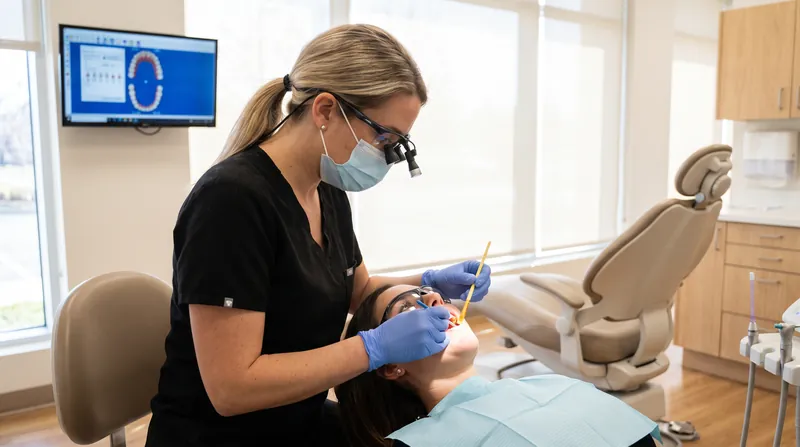
Protein-Based Gel Mimics Amelogenin to Regenerate Lost Enamel, Offering First Functional Repair for Tooth Decay
2 sources
Dental Tech
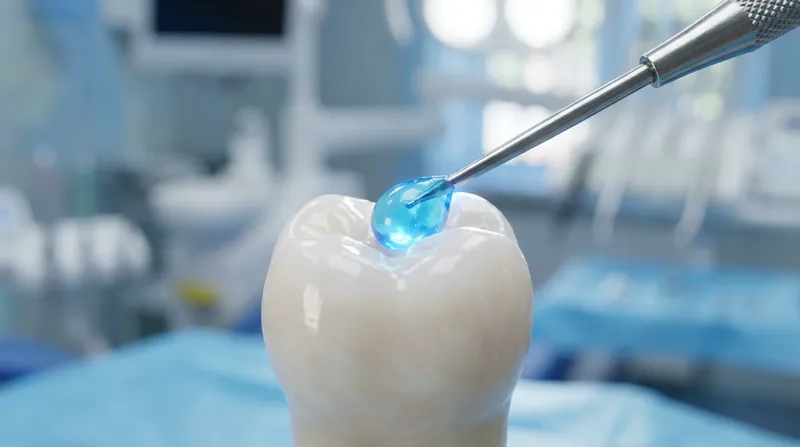
Landmark ADA/AAOMR Consensus Recommends Ending Use of Thyroid Shields in Dental X-Rays
4 sources
Genomic Testing
Landmark Phase 3 Trial Shows Genomic Test Safely Spares Two-Thirds of High-Risk Breast Cancer Patients from Chemotherapy
4 sources

Drill-Free Dentistry
The Evidence Pack: How a Painless Liquid is Replacing the Dental Drill
4 sources

Comments
Every angle. Every day.
Get Health stories with full source coverage and perspective breakdowns, free every day.