
The Science of Thermal Recovery: When to Use Ice Baths, Saunas, and Contrast Therapy
While cold plunges and saunas have both become staples of athletic recovery, new sports science reveals that applying the wrong temperature at the wrong time can actively sabotage your fitness goals.
By Factlen Editorial Team
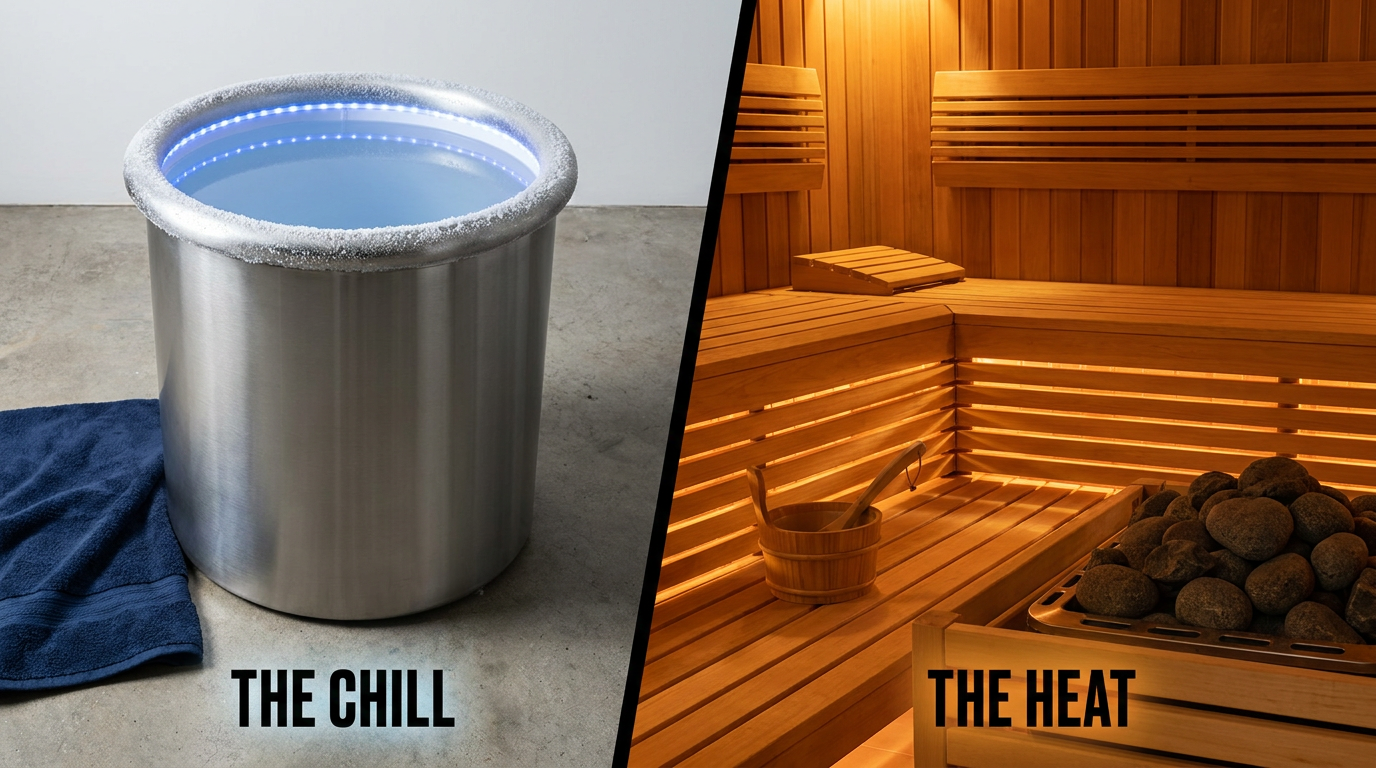
- Cryotherapy Advocates
- Focus on immediate pain relief, inflammation reduction, and central nervous system resets.
- Heat & Hypertrophy Proponents
- Prioritize cellular repair, muscle growth, and cardiovascular conditioning through thermal stress.
- Contrast & Circulation Advocates
- Champion the 'vascular pump' method to maximize metabolic clearance without extreme prolonged exposure.
What's not represented
- · Casual gym-goers without access to expensive thermal facilities
- · Athletes with cardiovascular contraindications to extreme temperature exposure
Why this matters
Understanding the distinct physiological mechanisms behind heat and cold exposure allows you to strategically match your recovery protocol to your specific goals—ensuring you aren't accidentally blunting muscle growth or prolonging joint inflammation.
Key points
- Cold water immersion reduces inflammation and numbs pain through rapid vasoconstriction.
- Ice baths taken immediately after resistance training can blunt long-term muscle hypertrophy.
- Heat therapy promotes vasodilation, increasing blood flow to muscles by up to 400 percent.
- Sauna use upregulates Heat Shock Proteins, which repair damaged cells and prevent muscle atrophy.
- Contrast therapy alternates hot and cold to create a 'vascular pump' that flushes metabolic waste.
- Athletes should match their thermal recovery choice to their specific daily training goals.
The modern fitness landscape has transformed the concept of recovery from a passive rest day on the couch into an active, highly optimized biohacking arms race. At the center of this revolution are two opposing extremes: the biting shock of a 45-degree cold plunge and the suffocating embrace of a 180-degree cedar sauna. Walk into any high-performance training facility, and you will see athletes religiously moving between these thermal extremes, chasing the promise of faster healing, reduced soreness, and enhanced performance. But as temperature therapy transitions from elite locker rooms to residential garages, a critical scientific debate has emerged. Applying the wrong temperature at the wrong time isn't just ineffective—it can actively sabotage the very training adaptations an athlete is working so hard to achieve. Understanding the distinct physiological mechanisms behind heat, cold, and the combination of the two is essential for anyone looking to optimize their physical resilience.[6]
For decades, the prevailing wisdom in sports medicine was simple: if it hurts, put ice on it. Cold Water Immersion (CWI) has dominated post-game recovery protocols, driven by its immediate, undeniable ability to numb pain. When the human body is submerged in water below 15 degrees Celsius, it triggers a dramatic survival response. The peripheral blood vessels rapidly constrict—a process known as vasoconstriction—which shunts blood away from the extremities and forces it toward the vital organs in the core. This mechanical clamping of the vascular system serves a dual purpose for the recovering athlete: it physically limits the accumulation of fluid and swelling in micro-torn muscle tissues, and it drastically slows the conduction velocity of the nervous system, providing a powerful, natural analgesic effect.[1][2]
The biochemical reality of cold exposure extends far beyond temporary pain relief. Extensive meta-analyses of recovery modalities have consistently demonstrated that cold water immersion is superior to passive rest for reducing Delayed Onset Muscle Soreness (DOMS) in the 24 to 48 hours following strenuous exercise. Furthermore, blood tests reveal that athletes who utilize CWI show significantly lower circulating levels of creatine kinase (CK), a primary enzymatic biomarker for exercise-induced muscle damage. By lowering the metabolic demand of the peripheral tissues, the cold essentially puts the damaged muscles into a state of suspended animation, preventing secondary tissue damage that can occur when injured cells have a high metabolic rate but a compromised oxygen supply.[1][2]

However, the very mechanism that makes ice baths so effective at killing pain has revealed a significant caveat for athletes focused on building size and strength. The acute inflammatory response—the swelling, the heat, the rush of immune cells to the damaged tissue—is not a mistake; it is the biological trigger for muscle protein synthesis. Recent sports science research has shown that jumping into a cold plunge immediately after a heavy resistance training session can actually blunt this necessary inflammatory cascade. By prematurely shutting down the localized immune response, the cold signals the body to halt the repair and rebuilding process, potentially limiting long-term muscle hypertrophy. For bodybuilders and powerlifters, the ice bath has become a tool to be used with extreme strategic caution.[1][6]
Enter the heat. While cold therapy seeks to suppress and contain, heat therapy—via saunas, steam rooms, or hot water immersion—operates on the exact opposite physiological principle: expansion. When exposed to high ambient temperatures, the body initiates vasodilation to dissipate heat. Blood vessels widen, and peripheral blood flow can increase by up to 400 percent. This massive surge in circulation acts as a biological transit system, flushing out accumulated metabolic waste products like lactate and hydrogen ions that contribute to the sensation of muscular fatigue. Simultaneously, this supercharged blood flow delivers a rich supply of oxygen, amino acids, and nutrients directly to the micro-torn muscle fibers, accelerating the cellular repair process without requiring the mechanical stress of active recovery exercises.[3][5]
The true magic of heat therapy, however, occurs at the microscopic level through the upregulation of Heat Shock Proteins (HSPs). When cells are subjected to thermal stress, they rapidly produce these specialized proteins, particularly HSP70. Heat Shock Proteins act as 'molecular chaperones' within the cell. During intense exercise, the physical and oxidative stress causes cellular proteins to misfold or become damaged. HSPs patrol the intracellular environment, repairing these misfolded proteins, protecting the cell from further oxidative stress, and preventing muscle atrophy. Regular sauna use effectively increases the body's baseline reservoir of these protective proteins, meaning the muscles are pre-equipped with a larger, more active maintenance crew ready to deploy the moment training-induced damage occurs.[4][5]
Beyond cellular repair, heat stress has been shown to directly interact with the body's primary mechanisms for muscle growth. Research indicates that the thermal stress of a sauna session triggers the mammalian target of rapamycin (mTOR) signaling pathway, which is the central regulator of cell growth and protein synthesis. While the mechanical tension of lifting heavy weights remains the primary driver of hypertrophy, heat acts as a powerful supplementary stimulus. By activating the mTOR pathway and simultaneously reducing protein degradation, heat therapy essentially primes the muscle for growth even while the athlete is sitting completely still. This makes the sauna an incredibly valuable tool for strength athletes on rest days or during periods of injury rehabilitation.[4][6]

Beyond cellular repair, heat stress has been shown to directly interact with the body's primary mechanisms for muscle growth.
For athletes who refuse to choose between the analgesic relief of the cold and the circulatory benefits of the heat, Contrast Water Therapy (CWT) offers a compelling middle ground. This ancient practice, rooted in Nordic and Roman bathing traditions, involves systematically alternating between hot and cold environments. A typical protocol might involve three to four minutes of heat exposure—either in a sauna or a hot tub—followed immediately by one minute of cold water immersion, repeated for several cycles. This rapid oscillation between temperature extremes creates a unique physiological phenomenon that neither modality can achieve on its own, providing a comprehensive reset for both the muscular and nervous systems.[3][6]
The primary mechanism behind Contrast Water Therapy is the 'vascular pump.' When the body is submerged in heat, vasodilation draws blood outward to the skin and extremities. The sudden shock of the cold plunge immediately triggers severe vasoconstriction, violently squeezing that blood back toward the core. By repeating this cycle, the athlete turns their entire circulatory system into a mechanical pump. This rhythmic expansion and contraction actively forces stagnant fluid, localized inflammation, and metabolic byproducts out of the muscle tissue, while repeatedly pulling fresh, oxygenated blood back in. It is a highly efficient way to clear the biochemical debris of a hard workout without the central nervous system fatigue associated with a light recovery jog.[3][5]
Meta-analyses evaluating the efficacy of Contrast Water Therapy have found it to be particularly beneficial for team sports and multi-day athletic tournaments. In scenarios where athletes must perform at a high level on consecutive days—such as a weekend basketball tournament or a multi-stage cycling race—CWT has been shown to significantly reduce subjective fatigue and restore explosive power faster than passive rest. Because the cold exposure in a contrast protocol is brief, it avoids the prolonged muscle stiffness and potential blunting of the inflammatory response associated with deep, extended cold water immersion, making it the gold standard for rapid, mid-competition recovery.[2][3]

Beyond the mechanical flushing of the muscles, temperature therapy exerts a profound influence on the autonomic nervous system, which dictates the body's overall state of stress and recovery. The initial shock of cold water triggers a massive release of catecholamines, including adrenaline and noradrenaline, alongside a surge of dopamine. This sympathetic nervous system spike provides an immediate sensation of alertness and mood elevation. However, as the body warms back up—particularly after a contrast session ending in cold, or a long sauna session—it triggers a powerful rebound effect in the parasympathetic nervous system. This 'rest and digest' activation lowers the heart rate, reduces circulating cortisol, and prepares the brain for deep, restorative slow-wave sleep, which is when the majority of physical healing actually occurs.[5][6]
Translating this complex physiology into a practical recovery protocol requires athletes to clearly define the goal of their current training phase. If the primary objective is immediate pain relief, injury management, or surviving a grueling competitive season where performance today matters more than adaptation tomorrow, Cold Water Immersion is the superior choice. A 10-to-15-minute plunge at 5 to 10 degrees Celsius will effectively numb the nervous system, reduce acute swelling, and allow the athlete to get back on the field with minimal perceived soreness. Endurance athletes, in particular, benefit from the systemic reset of the cold without the same hypertrophy concerns that plague strength athletes.[1][2]
Conversely, if the athlete is in an off-season building phase, focusing on maximizing muscle size, strength, and long-term cardiovascular adaptations, heat therapy should take precedence. Utilizing a sauna for 15 to 20 minutes after a resistance training session—or on dedicated rest days—will capitalize on the vasodilation, upregulate Heat Shock Proteins, and support the mTOR pathway without interrupting the acute inflammatory signals required for muscle growth. The heat provides a passive cardiovascular workout, lowering blood pressure and improving endothelial function, which pays massive dividends for overall work capacity and longevity.[4][5]

For the general fitness enthusiast looking to balance recovery, mood enhancement, and joint health, Contrast Water Therapy offers the most versatile and time-efficient solution. By ending a contrast session on cold, the body is forced to naturally warm itself up, which burns additional calories and leaves the nervous system in a state of calm alertness. Whether utilizing a high-end facility with dedicated plunge pools or simply alternating the temperature dial in a home shower, the vascular pump effect remains a highly accessible tool for clearing daily fatigue and maintaining tissue pliability.[3][6]
Ultimately, the science of temperature therapy reveals that there is no single 'best' recovery modality. The human body is a highly adaptive organism, and both heat and cold are simply different forms of environmental stress that force the body to respond. The most sophisticated athletes and coaches no longer view recovery as a one-size-fits-all cooldown; they view it as a targeted prescription. By understanding the vasoconstrictive power of the cold, the expansive, protein-synthesizing nature of the heat, and the mechanical flushing of contrast therapy, anyone can weaponize temperature to build a more resilient, capable body.[6]
How we got here
Antiquity
Nordic, Roman, and Japanese cultures utilize communal heat exposure and cold plunges for general health and hygiene.
Late 20th Century
Ice baths become a staple in professional locker rooms, primarily used to numb acute pain and reduce swelling after games.
2010s
The rise of sports science biohacking brings saunas and contrast therapy into mainstream fitness, shifting focus from mere pain relief to cellular adaptation.
2020s
Advanced meta-analyses clarify the specific, divergent mechanisms of hot and cold, warning against cold exposure immediately after hypertrophy training.
Viewpoints in depth
Cryotherapy Advocates
Focus on immediate pain relief, inflammation reduction, and central nervous system resets.
Proponents of cold water immersion emphasize its unmatched ability to reduce Delayed Onset Muscle Soreness (DOMS) and lower circulating levels of creatine kinase. By forcing rapid vasoconstriction, the cold effectively acts as a systemic ice pack, slowing nerve conduction velocity to provide immediate analgesia. For athletes in the middle of a grueling competitive season, this camp argues that the immediate restoration of functional movement and pain relief far outweighs any theoretical blunting of long-term muscle adaptation.
Heat & Hypertrophy Proponents
Prioritize cellular repair, muscle growth, and cardiovascular conditioning through thermal stress.
This camp views the sauna not just as a relaxation tool, but as an active driver of physiological adaptation. By exposing the body to high heat, they point to the upregulation of Heat Shock Proteins (HSPs) and the activation of the mTOR signaling pathway, both of which are critical for muscle protein synthesis. Furthermore, the massive increase in peripheral blood flow—up to 400% during a session—delivers oxygen and nutrients to damaged tissues without the mechanical stress of additional exercise, making it an ideal modality for rest days and hypertrophy blocks.
Contrast & Circulation Advocates
Champion the 'vascular pump' method to maximize metabolic clearance without extreme prolonged exposure.
Why choose one extreme when alternating them yields a unique mechanical benefit? Advocates of Contrast Water Therapy (CWT) focus on the rapid shift between vasodilation and vasoconstriction. This rhythmic expansion and contraction of the blood vessels creates a 'vascular pump' that actively flushes metabolic waste products like lactate and hydrogen ions out of the muscle tissue. This camp argues that CWT provides the best of both worlds: the circulatory flush of heat combined with the analgesic snap of the cold, making it the gold standard for multi-day tournament recovery.
What we don't know
- The exact threshold at which cold water immersion begins to negatively impact muscle hypertrophy.
- Whether the cardiovascular benefits of sauna use can fully replicate the physiological adaptations of moderate aerobic exercise.
- The optimal ratio of hot-to-cold time in contrast therapy for different specific sports.
Key terms
- Vasoconstriction
- The narrowing of blood vessels, which reduces blood flow to the extremities and redirects it to the core.
- Vasodilation
- The widening of blood vessels, which increases blood flow, oxygen, and nutrient delivery to peripheral tissues.
- Heat Shock Proteins (HSPs)
- A family of proteins produced by cells in response to stressful conditions, acting as 'molecular chaperones' to repair damaged proteins.
- mTOR Pathway
- A central cellular signaling pathway that regulates cell growth, proliferation, and muscle protein synthesis.
- Creatine Kinase (CK)
- An enzyme found in muscle tissue; elevated levels in the blood serve as a biomarker for exercise-induced muscle damage.
Frequently asked
Should I take an ice bath immediately after lifting weights?
If your primary goal is building muscle size (hypertrophy), it is generally recommended to avoid cold plunges immediately after lifting, as the cold can blunt the inflammatory response needed for muscle growth. Wait at least a few hours or save it for rest days.
How long should I stay in a cold plunge?
Research suggests that 10 to 15 minutes at temperatures between 5°C and 10°C is optimal for reducing muscle soreness and lowering markers of muscle damage.
Does contrast therapy actually work?
Yes. Alternating between hot and cold creates a 'vascular pump' effect that flushes metabolic waste and has been shown to significantly reduce subjective fatigue and muscle soreness, especially in team sports.
Can saunas help build muscle?
While saunas alone won't build muscle without resistance training, the heat stress upregulates Heat Shock Proteins and activates the mTOR pathway, which supports muscle repair and can prevent atrophy.
Sources
Source coverage
6 outlets
3 viewpoints surfaced






[1]Frontiers in PhysiologyCryotherapy Advocates
Network meta-analysis of cold water immersion protocols on acute exercise-induced muscle damage
Read on Frontiers in Physiology →[2]Sports MedicineCryotherapy Advocates
Effects of Cold-Water Immersion Compared with Other Recovery Modalities
Read on Sports Medicine →[3]MDPI SportsContrast & Circulation Advocates
Vascular and Recovery Responses to Contrast Water Therapy
Read on MDPI Sports →[4]Journal of Applied PhysiologyHeat & Hypertrophy Proponents
Heat stress, mTOR signaling, and Heat Shock Proteins in skeletal muscle
Read on Journal of Applied Physiology →[5]National Institutes of Health (NIH)Heat & Hypertrophy Proponents
Musculoskeletal adaptations from passive heat therapy
Read on National Institutes of Health (NIH) →[6]Factlen Editorial TeamContrast & Circulation Advocates
Synthesis by Factlen editorial team
Read on Factlen Editorial Team →
Every angle. Every day.
Get fitness stories with full source coverage and perspective breakdowns delivered to your inbox.