
The Science of the Maillard Reaction: Unlocking Flavor in Everyday Cooking
The chemical process responsible for the golden crust on bread and the savory sear on a steak is a complex cascade of reactions between amino acids and sugars. Understanding how to control it is the secret to elevating home cooking.
By Factlen Editorial Team
Culinary Professionals 45%Food Scientists 35%Public Health Researchers 20%
- Culinary Professionals
- Focuses on the practical application of heat and moisture control to maximize flavor.
- Food Scientists
- Focuses on the precise chemical pathways, intermediate compounds, and molecular structures.
- Public Health Researchers
- Focuses on the toxicological byproducts of high-heat cooking, such as acrylamide.
What's not represented
- · Industrial Food Manufacturers
- · Dietitians
Why this matters
Mastering the Maillard reaction allows home cooks to intentionally build complex, restaurant-quality flavors rather than just following recipe steps. Understanding the chemistry of heat and moisture is the most reliable way to improve everyday meals.

More in food drink
See all 41 stories →Gut-Brain Axis
Psychobiotics and the Gut-Brain Axis: How Diet Shapes Mood and Mental Health
8 sources
Culinary Science
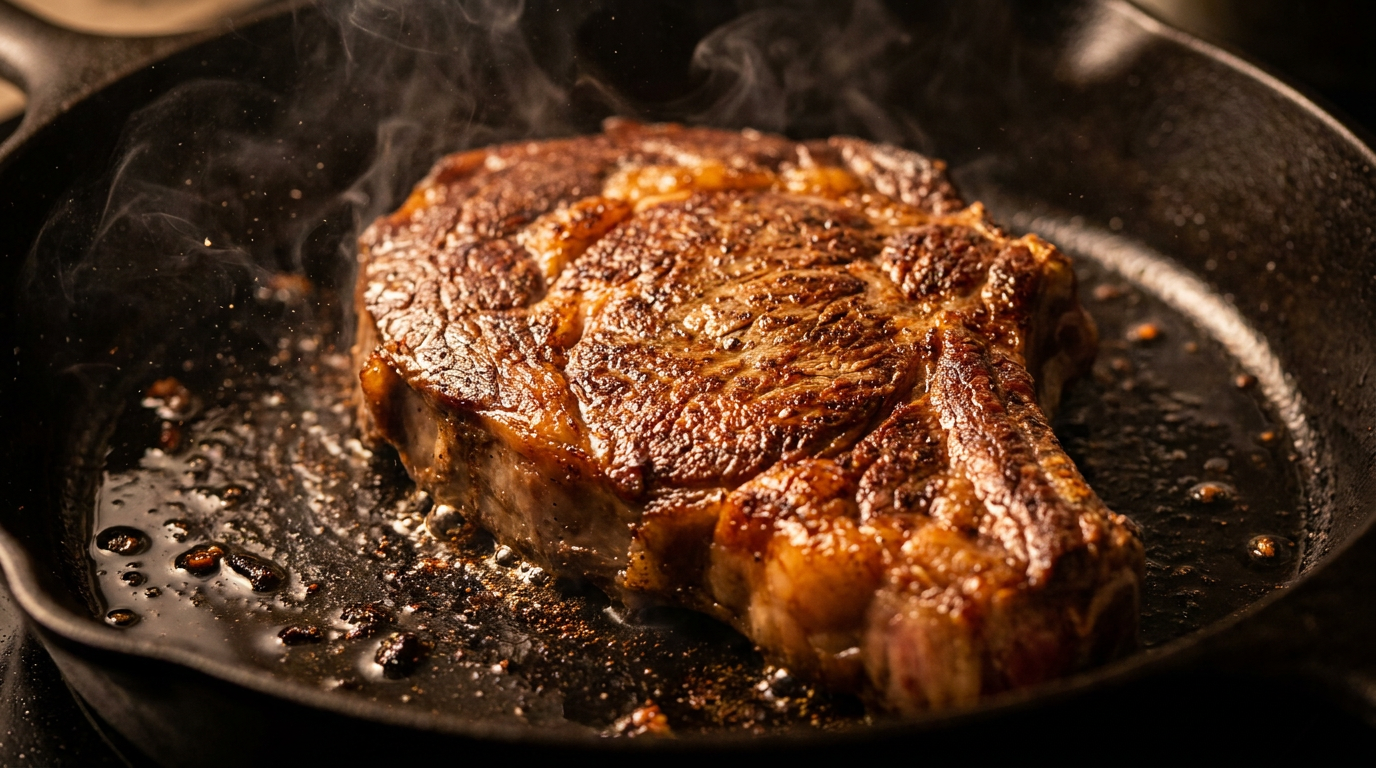
The Science of the Maillard Reaction: How Heat and Chemistry Transform Home Cooking
7 sources
Crop Science
Beyond Arabica: The Forgotten Coffee Species Making a Climate-Resilient Comeback
6 sources

Food Science
The Science of Building Umami in Plant-Based Cooking
8 sources
Stay informed
Every angle. Every day.
Get food drink stories with full source coverage and perspective breakdowns delivered to your inbox.