
The Science of the Cut: How MMA is Finally Solving its Most Dangerous Tradition
For decades, extreme dehydration was a dangerous prerequisite for combat sports. Now, strict hydration testing and day-of-fight weigh-ins are reshaping mixed martial arts.
By Ryder James

The image of the gaunt, sunken-eyed fighter stepping onto the scale is a staple of combat sports. For decades, extreme weight cutting has been the sport's most dangerous open secret, a grueling ritual where athletes push their bodies to the brink of organ failure just to qualify for a bout.
But in 2026, the landscape of mixed martial arts (MMA) is undergoing a quiet revolution. Driven by alarming medical data and pioneering regulatory shifts, the era of extreme dehydration is being systematically dismantled in favor of fighter safety and biomechanical optimization.[8]
To understand the shift, one must understand the mechanism of the traditional cut. Fighters typically aim to shed 15 to 20 pounds in the final week before a bout. This is not fat loss; it is the rapid, forced expulsion of water from the human body.
The process often begins with "water loading." Athletes consume up to two gallons of water a day, tricking the kidneys into a state of hyper-excretion. When water intake is abruptly cut off 48 hours before the weigh-in, the kidneys continue flushing fluid, rapidly dehydrating the athlete.
This is compounded by glycogen depletion. By eliminating carbohydrates from their diet, fighters empty their muscle glycogen stores. Because every gram of glycogen holds nearly three grams of water, this diet strips additional pounds of fluid directly from the muscle tissue.
The final hours involve intense thermal stress—saunas, hot salt baths, and heavy sweat suits—to wring the last drops of moisture from the skin. The result is an athlete who successfully makes the contracted weight but is left dangerously compromised.
The health stakes of this practice are severe. Medical researchers note that extreme dehydration drastically reduces the volume of cerebrospinal fluid, the brain's natural shock absorber. This shrinkage increases the space between the brain and the skull, significantly elevating the risk of concussions and traumatic brain injuries during the bout.[1]
Beyond the brain, the cardiovascular system bears a massive burden. Dehydration thickens the blood, reducing cardiac output and oxygen delivery. Studies have documented acute kidney injury, hypernatremia, and even cardiovascular collapse occurring right at the weigh-in scales.[1][4]
Recognizing these fatal risks, regulatory bodies have begun rewriting the rules of engagement. The California State Athletic Commission (CSAC) was among the first in the United States to implement a comprehensive 10-point plan to combat severe dehydration, including day-of-fight weight checks and strict bans on intravenous (IV) rehydration.[5]
The most aggressive and successful model, however, was pioneered by the Asia-based ONE Championship. Following a tragic weight-cutting fatality in 2015, the promotion abolished traditional weight cutting entirely, instituting a mandatory hydration testing protocol that has become the gold standard for the industry.[6]
Under this system, athletes must pass a Urine Specific Gravity (USG) test to prove they are safely hydrated before they are allowed to step on the scale. The threshold is strict: a USG reading of 1.025 or lower. If the urine is too concentrated, the fighter simply cannot weigh in.[6]
To prevent fighters from passing the hydration test and then ballooning in size before the fight, progressive commissions have introduced the 105% rule. Athletes are weighed again on fight day and cannot exceed their contracted weight class limit by more than 5%.[7]
If a fighter misses this secondary mark, they face heavy fines, forfeiture of a significant portion of their purse, or forced relocation to a heavier weight class for future bouts. This effectively eliminates the incentive to cut massive amounts of water weight.[7]
Interestingly, sports scientists are discovering that these safety measures actually improve the product inside the cage. Research from Edith Cowan University demonstrated that extreme weight cutting severely hampers endurance, while biomechanical studies show it reduces muscle contractility and power output.[2][3]
A landmark study revealed that a staggering 39% of MMA fighters were stepping into the cage still significantly dehydrated from their cut. By forcing athletes to fight closer to their natural walking weight, promotions are seeing higher-paced, more technical bouts that do not end in early exhaustion.
The cultural shift is still facing some resistance from traditionalists who view the grueling weight cut as a test of discipline and a necessary sacrifice for a size advantage. However, as more fighters experience the benefits of full hydration—better chin durability, higher energy, and longer careers—the old paradigm is slowly dying out.
As MMA continues its push for mainstream global acceptance, the eradication of extreme weight cutting marks a critical maturation point. The sport is finally recognizing that the most dangerous opponent a fighter faces should be the person across the cage, not the scale.[8]
The essentials
- For decades, MMA fighters have routinely dehydrated themselves to shed 15 to 20 pounds in the week before a bout.
- Extreme dehydration significantly increases the risk of traumatic brain injuries by reducing the protective fluid around the brain.
- Progressive promotions now require fighters to pass a Urine Specific Gravity test (≤1.025) before they are allowed to weigh in.
- The "105% rule" prevents fighters from ballooning in size by capping their allowable weight regain on the day of the fight.
- Sports scientists have proven that fighting fully hydrated improves endurance, muscle contractility, and overall bout quality.
Timeline
Dec 2015
Following a tragic weight-cutting fatality, ONE Championship abolishes traditional weight cutting and introduces mandatory hydration testing.
May 2017
The California State Athletic Commission (CSAC) approves a 10-point plan to curb severe dehydration, including day-of-fight weight checks.
May 2019
Clinical studies document acute kidney injury and hypernatremia in MMA fighters, prompting calls for wider regulatory action.
2026
Hydration testing and the 105% weight-regain rule become increasingly standardized, shifting the sport toward safer, natural-weight bouts.
- Regulatory Bodies & Commissions
- Argue that fighter safety must supersede traditional weight advantages, advocating for continuous hydration monitoring.
- Sports Scientists & Medical Professionals
- Emphasize the physiological damage of dehydration, noting that it impairs biomechanical performance and increases brain trauma risk.
- Traditional MMA Camps
- Historically view the grueling weight cut as a test of discipline and a necessary tactic to secure a size and strength advantage on fight night.
Perspectives this story doesn't cover
- Nutritionists specializing in gradual weight loss
- Amateur fighters lacking regulatory oversight
Sources
Source coverage
8 outlets
3 viewpoints surfaced








- [1]MedCraveSports Scientists & Medical Professionals
Cardiovascular collapse leading to head impact exposure during weigh-in - highlighting the dangers of extreme weight cutting in MMA
Read on MedCrave → - [2]Hilaris PublisherSports Scientists & Medical Professionals
Weight Cutting in Mixed Martial Arts Biomechanical Performance Impact
Read on Hilaris Publisher → - [3]Edith Cowan UniversitySports Scientists & Medical Professionals
MMA athletes may put health at risk by using extreme weight loss techniques
Read on Edith Cowan University → - [4]Combat Sports LawSports Scientists & Medical Professionals
Study Documents Harmful Effects of Extreme Weight Cutting in MMA
Read on Combat Sports Law → - [5]FOX SportsRegulatory Bodies & Commissions
CSAC makes weight cutting safety a priority for MMA regulation
Read on FOX Sports → - [6]ONE ChampionshipRegulatory Bodies & Commissions
Hydration & Weigh-In System
Read on ONE Championship → - [7]GroundedMMA
ONE Championship Weight-Cutting Rules (Simply Explained)
Read on GroundedMMA → - [8]Factlen Editorial Team
Synthesis by Factlen editorial team
Read on Factlen Editorial Team →
More in Sports
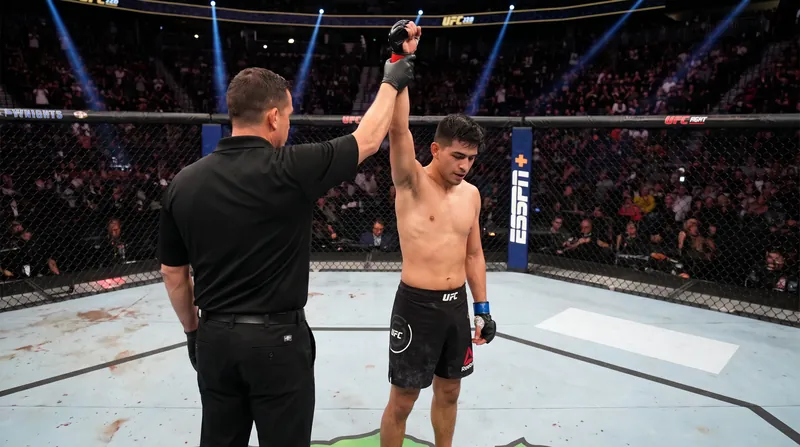
See all →Injury
Rinya Nakamura Returns From 13-Month Injury Layoff at UFC Vegas 121
7 sources
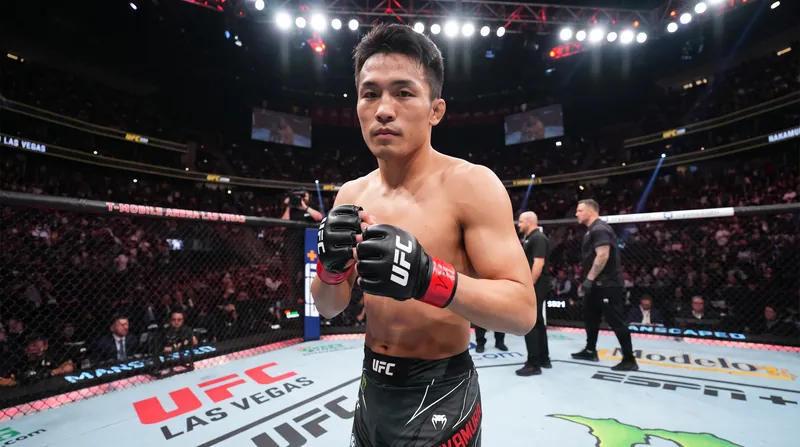
Standings
ONE Championship Unveils Eight-Man Field for 2026 Flyweight Muay Thai World Grand Prix
6 sources
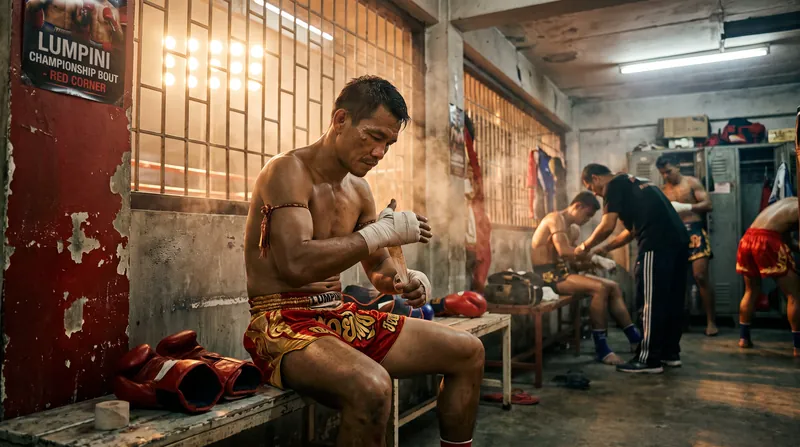
Storyline
Raul Rosas Jr. Set to Make UFC History as Youngest Main Eventer Against Raoni Barcelos
6 sources
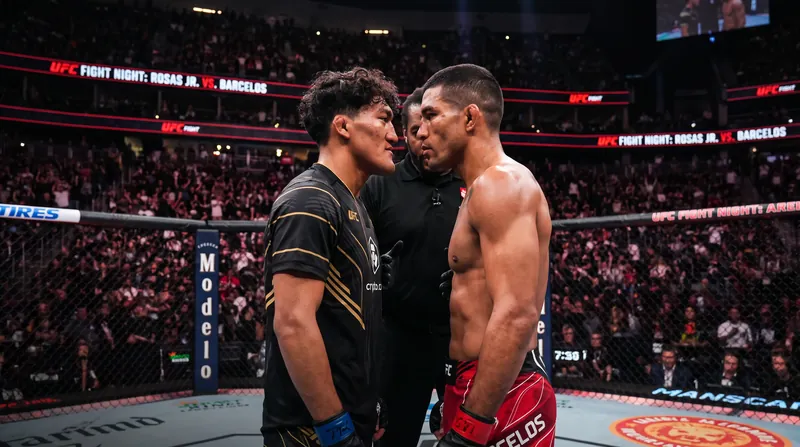
Trade
Dana White Hands Out Historic Six UFC Contracts on Contender Series Week 7, Including Deals for Two Losing Fighters
7 sources
Comments
Every angle. Every day.
Get Sports stories with full source coverage and perspective breakdowns, free every day.