
The Science of Prebunking: How Psychological Inoculation is Defeating Misinformation
A growing body of peer-reviewed evidence shows that 'prebunking'—exposing people to weakened forms of manipulation before they encounter false claims—is highly effective at building cognitive immunity against misinformation.
By Factlen Editorial Team

- Cognitive Psychologists
- Focus on the underlying mechanism of attitudinal cross-protection and mental antibodies.
- Fact-Checking Organizations
- Focus on the operational shift from reactive debunking to proactive prebunking.
- Digital Literacy Advocates
- Focus on integrating inoculation tools into formal education for long-term resilience.
What's not represented
- · Disinformation creators who continuously adapt their techniques to bypass inoculation
- · Older demographics who may not be reached by gamified interventions or social media ads
Why this matters
Traditional fact-checking often arrives too late, struggling against the human brain's tendency to remember a lie even after it's corrected. Understanding how to 'vaccinate' your own mind against emotional manipulation and logical fallacies is one of the most powerful tools for navigating the modern internet.
Key points
- Prebunking exposes individuals to weakened manipulation techniques to build cognitive immunity before they encounter real misinformation.
- Studies show prebunking is significantly more effective than traditional debunking at preventing initial susceptibility to false claims.
- The technique successfully scales on social media, with short video interventions boosting users' ability to spot fearmongering by 21 percentage points.
- Experts recommend a hybrid approach, using prebunking to build general resilience and debunking to correct specific, entrenched falsehoods.
The internet is flooded with misinformation, and traditional fact-checking is struggling to keep up. By the time a lie is debunked, millions have already internalized it, making reactive corrections an uphill battle for information integrity.[6]
This phenomenon, known as the "continued influence effect," means that even when people acknowledge a factual correction, they often continue to rely on the false information in their reasoning. Once a falsehood takes root, overwriting it is incredibly difficult.[2][5]
Enter "prebunking," a strategy rooted in psychological inoculation theory. Just as a medical vaccine exposes the body to a weakened virus to build physical antibodies, prebunking exposes the mind to weakened forms of manipulation to build cognitive antibodies.[2][3]
Rather than waiting for a specific lie to go viral, prebunking warns individuals about the underlying techniques used to deceive them—such as emotional manipulation, fake experts, or false dichotomies.[5]

A 2026 study published in the Journal of Current Research in Humanities and Social Sciences directly compared prebunking to traditional debunking. The researchers found that prebunking demonstrated significantly stronger potential in preventing initial susceptibility.[1]
The study highlighted that prebunking works upstream. By enhancing critical awareness of manipulation techniques before exposure, it reduces the residual influence of false claims, particularly among audiences with low prior knowledge.[1]
This is not just laboratory theory. The European Fact-Checking Standards Network has officially integrated prebunking into its methodology, noting that it allows fact-checkers to proactively address narratives rather than constantly playing catch-up.[4]
According to the network's guidelines, an effective prebunk requires three elements: a forewarning of the manipulation attempt, a weakened exposure to the tactic, and a preemptive refutation based on logic or facts.[4]
Research published in The ANNALS of the American Academy of Political and Social Science in 2026 evaluated the deployment of prebunking videos on platforms like Instagram and YouTube to see if the theory scales to modern social media.[2]
The results were striking. Baseline recognition of emotional manipulation among polled users was poor—around 38 percent. However, exposure to a short prebunking campaign boosted users' ability to spot fearmongering by 21 percentage points.[2]

Beyond passive videos, researchers have developed "active" inoculation tools, such as the browser game Bad News. Players take on the role of fake news creators, learning firsthand how to deploy common manipulation techniques.[5]
Data from the game's intervention shows significant reductions in the perceived reliability of manipulative content across multiple languages and cultures, proving the technique is not limited to a single political context.[5]
A 2025 exploratory experiment published in the journal Societies tested these methods on primary school children in the Netherlands. The study confirmed that teaching children to recognize disinformation in advance significantly improved their media literacy compared to traditional debunking lessons.[3]

A crucial concern among researchers is whether prebunking simply makes people cynical about all news. However, recent meta-analyses confirm that inoculation increases manipulation discernment without causing undue skepticism of credible, factual content.[2]
Despite its success, experts caution that prebunking is not a silver bullet. The 2026 comparative study concluded that neither approach is sufficient in isolation.[1]
While prebunking prevents initial infection, debunking remains necessary to correct entrenched false beliefs once misinformation has been internalized. A complementary strategy offers the most robust framework.[1][4]
Ultimately, the shift toward psychological inoculation represents a major victory in the fight for a healthier information ecosystem. By equipping citizens with the tools to spot manipulation before it takes root, society is moving from a reactive stance to a proactive defense.[6]
How we got here
1960s
Psychologist William McGuire first proposes psychological inoculation theory as a method for resisting persuasion.
2017
Researchers begin applying inoculation theory specifically to combat climate change misinformation.
2020
The 'Bad News' browser game demonstrates that active psychological inoculation works across multiple languages and cultures.
2022-2024
Major tech platforms begin rolling out prebunking video ads to millions of users based on academic partnerships.
2025-2026
Major fact-checking networks officially adopt prebunking as a core methodological standard alongside traditional debunking.
Viewpoints in depth
Cognitive Psychologists
Focus on the underlying mechanism of attitudinal cross-protection.
Researchers in this camp emphasize that human memory is inherently flawed, making post-exposure corrections highly inefficient due to the 'continued influence effect.' They argue that building 'mental antibodies' through preemptive exposure is the only sustainable way to protect populations at scale, focusing heavily on the psychological mechanisms of pattern recognition rather than the specific factual content of the claims.
Fact-Checking Organizations
Focus on the operational shift from reactive debunking to proactive prebunking.
For professional fact-checkers, prebunking represents a critical evolution in their workflow. While they acknowledge the scalability of inoculation, they maintain that rigorous, after-the-fact debunking remains essential for holding specific public figures accountable. They advocate for a hybrid approach, using prebunking to protect audiences from broad narrative trends while reserving traditional fact-checks for specific, high-stakes falsehoods.
Digital Literacy Advocates
Focus on integrating inoculation tools into formal education.
Advocates in this space argue that while social media interventions are useful, true resilience requires structural changes to how we teach media literacy. They point to studies showing that active inoculation—such as gamified learning in primary schools—creates long-lasting critical thinking skills. Their goal is to make psychological inoculation a standard part of the educational curriculum, protecting younger generations before they ever join social platforms.
What we don't know
- Exactly how long the 'cognitive immunity' provided by a single prebunking intervention lasts before a booster is required.
- How effectively bad actors will adapt their manipulation techniques to bypass populations that have already been inoculated.
Key terms
- Prebunking
- The process of preemptively warning and exposing people to weakened doses of misinformation tactics to build cognitive resistance.
- Debunking
- The traditional fact-checking process of correcting false claims after they have already been published and consumed.
- Continued Influence Effect
- A cognitive bias where people continue to rely on false information in their reasoning even after they have acknowledged a factual correction.
- Attitudinal Cross-Protection
- The ability of an inoculation against one specific manipulation technique to protect an individual against entirely different topics that use the same technique.
Frequently asked
Does prebunking make people stop trusting real news?
No. Extensive meta-analyses show that effective prebunking improves discernment—the ability to tell true from false—without increasing blind skepticism toward credible, factual sources.
How is prebunking different from debunking?
Debunking corrects a specific lie after it has already spread and been consumed. Prebunking teaches people how to spot deceptive techniques before the lie even reaches them, working upstream to prevent belief formation.
Can prebunking be used effectively on social media?
Yes. Researchers and tech companies have successfully deployed short prebunking videos as ads on platforms like YouTube and Instagram, significantly boosting users' ability to spot manipulation in their regular feeds.
Sources
Source coverage
6 outlets
3 viewpoints surfaced






[1]Journal of Current Research in Humanities and Social SciencesCognitive Psychologists
Comparative Effectiveness of Prebunking and Debunking in Misinformation Mitigation
Read on Journal of Current Research in Humanities and Social Sciences →[2]The ANNALS of the American Academy of Political and Social ScienceCognitive Psychologists
Psychological inoculation against misinformation: Current evidence and future directions
Read on The ANNALS of the American Academy of Political and Social Science →[3]Societies JournalDigital Literacy Advocates
Prebunking and Debunking: An Exploratory Experiment on Media Literacy
Read on Societies Journal →[4]European Fact-Checking Standards NetworkFact-Checking Organizations
Adding to the Fact-Checking Toolkit: Prebunking
Read on European Fact-Checking Standards Network →[5]Inoculation ScienceCognitive Psychologists
The Bad News Game and Psychological Resistance
Read on Inoculation Science →[6]Factlen Editorial TeamDigital Literacy Advocates
Synthesis by Factlen editorial team
Read on Factlen Editorial Team →
More in news politics
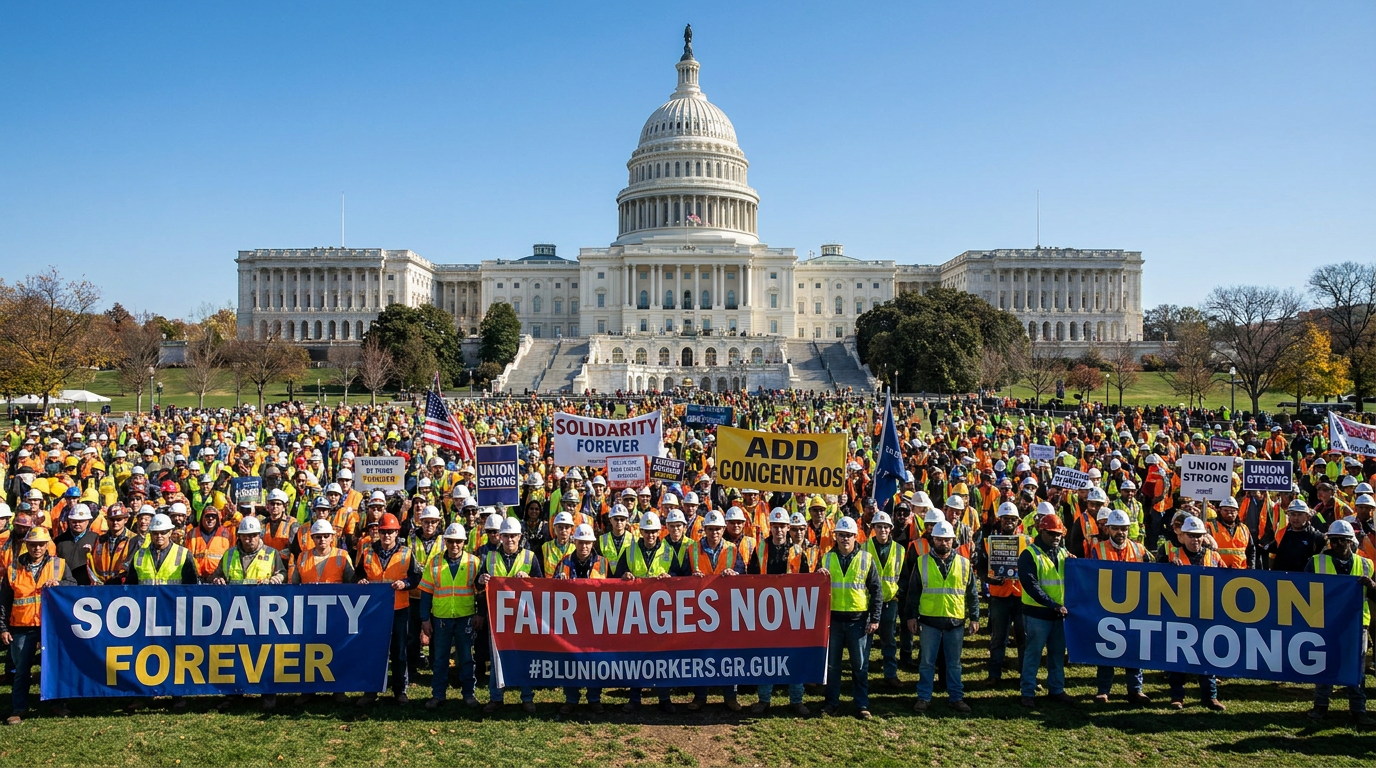
See all 5 stories →Labor Law
US House Passes Landmark Bill Imposing Strict Timelines and Binding Arbitration on First Union Contracts
8 sources
Synthetic Media
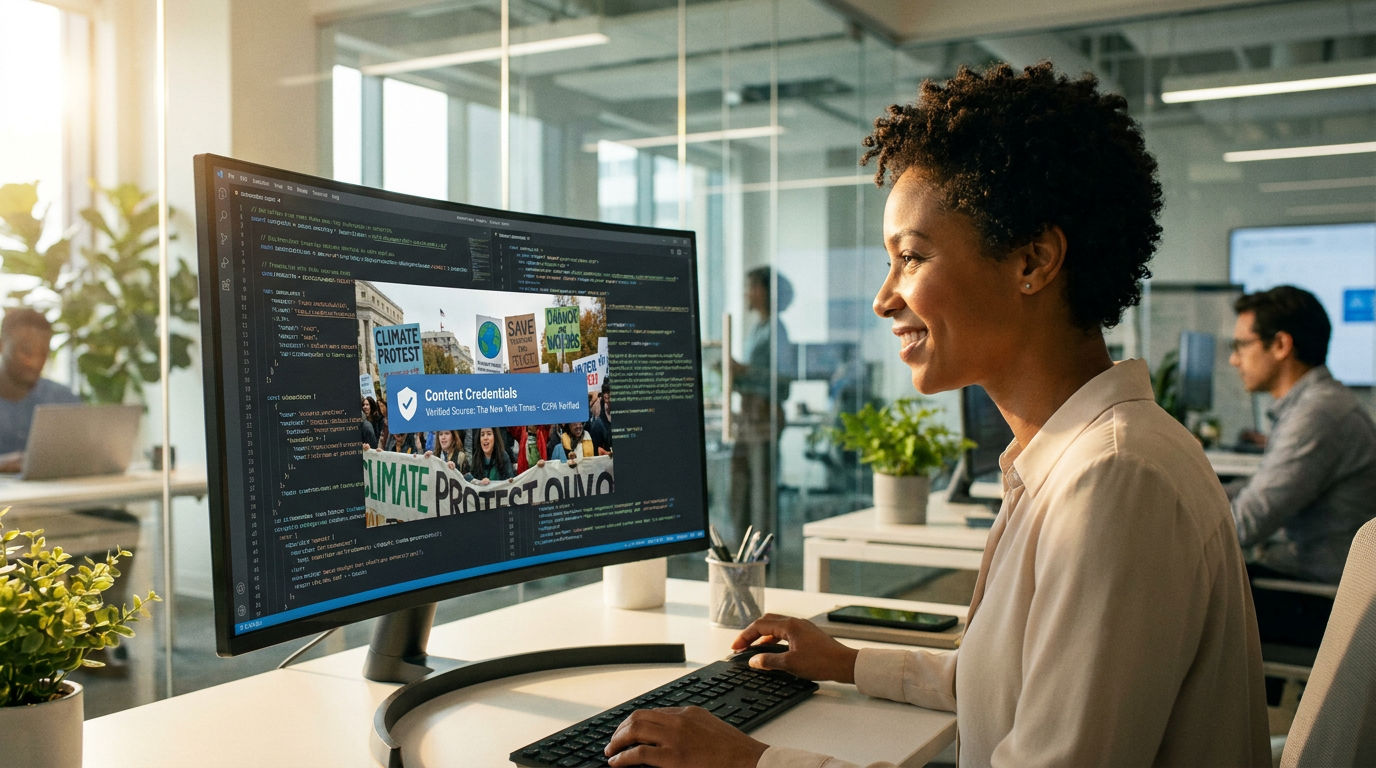
Evidence Pack: How Effective Are Deepfake Detection Tools in 2026?
8 sources
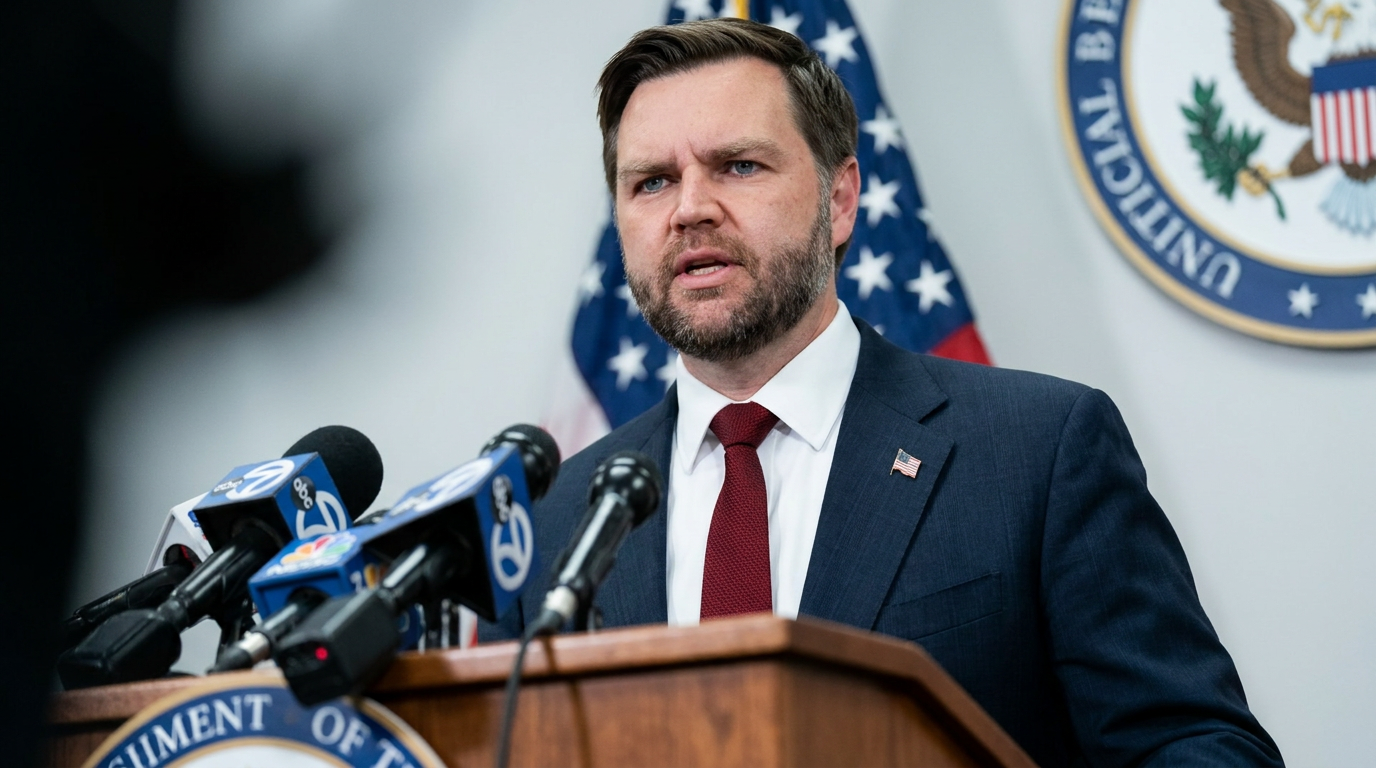
US-Iran Diplomacy
U.S. Envoy Heads to Switzerland for Iran Nuclear Talks as Vance Rebukes Israeli Criticism
7 sources

Every angle. Every day.
Get news politics stories with full source coverage and perspective breakdowns delivered to your inbox.