
The Science of Exercise Mimetics: Can a Pill Replicate a Workout?
Cambrian Biopharma has reported positive human data for a drug that mimics the metabolic effects of aerobic exercise. The breakthrough reignites the pursuit of 'exercise mimetics' to treat age-related decline, though significant scientific hurdles remain.
By Factlen Editorial Team
- Longevity Biotech Developers
- Argue that targeting metabolic pathways like AMPK can safely mimic exercise to extend human healthspan and prevent age-related decline.
- Clinical Geroscientists
- Emphasize that exercise mimetics should be reserved as medical interventions for the frail and elderly, not as lifestyle shortcuts for the healthy.
- Pharmacology Skeptics
- Warn that exercise is a complex, multi-system stressor that cannot be safely or fully replicated by targeting a single molecular pathway.
What's not represented
- · Fitness Industry Professionals
- · Bioethics Scholars
Why this matters
Physical exercise is the most potent known intervention for extending human healthspan, but millions of elderly and disabled individuals cannot partake. Developing safe drugs that replicate these cellular benefits could revolutionize preventative medicine and drastically reduce the burden of age-related chronic diseases.
Key points
- Cambrian Biopharma presented positive Phase 1b human data for ATX-304, a drug that mimics the metabolic effects of exercise.
- The drug successfully activated AMPK, the body's master metabolic switch, increasing energy expenditure and lipid metabolism.
- Other research is focusing on blood proteins like Gpld1, which transfer the cognitive benefits of exercise to the brain.
- Clinical geroscientists stress these drugs are intended for the elderly and disabled, not as a lifestyle shortcut for healthy people.
- Significant safety hurdles remain regarding the long-term effects of artificially keeping the body in a high metabolic state.
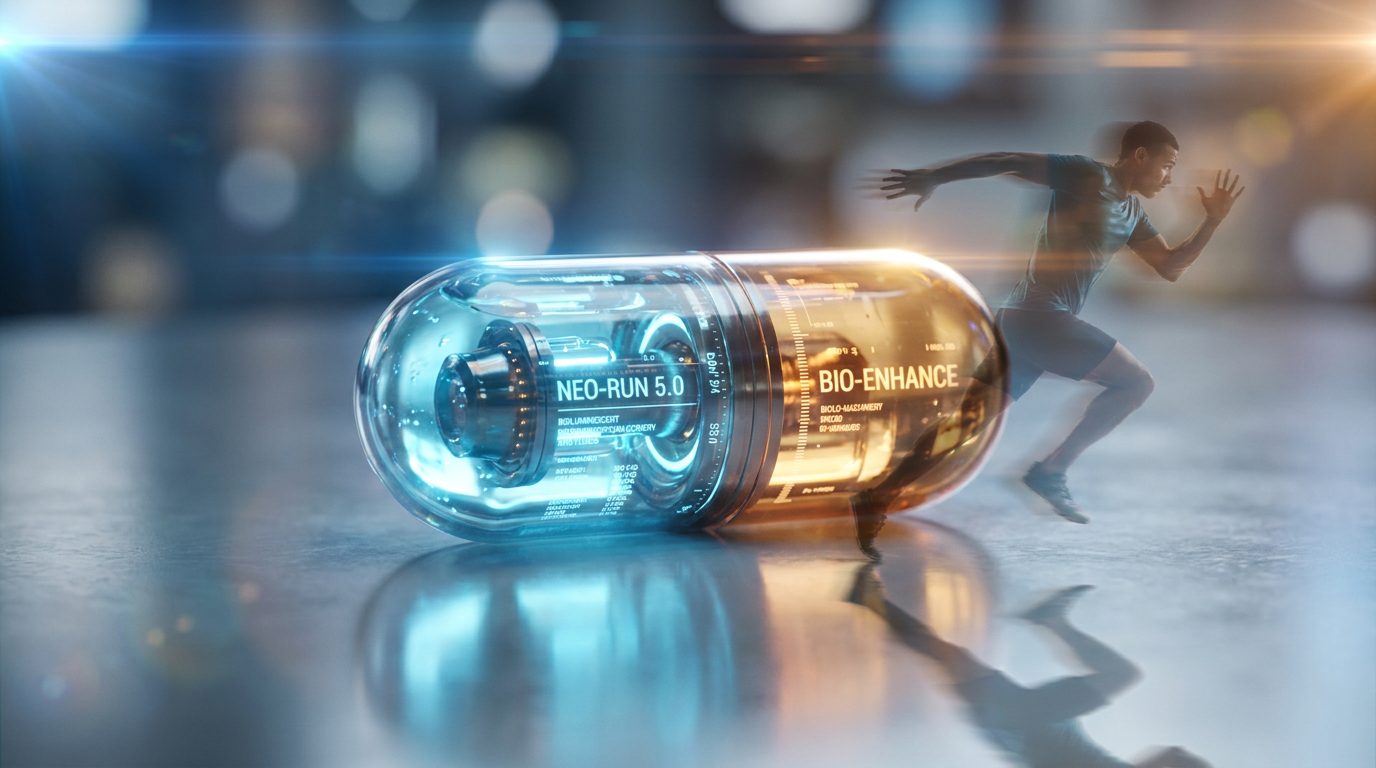
The holy grail of longevity medicine has long been a pill that confers the benefits of a five-mile run without the sweat. For decades, the concept of an "exercise mimetic"—a drug that tricks the body into believing it has just completed a grueling workout—remained confined to speculative biology and mouse models. But the landscape of pharmacological fitness is shifting rapidly from science fiction to clinical reality. This week, the longevity biotech firm Cambrian Biopharma reported positive human translational data for ATX-304, an experimental drug designed to mimic the metabolic effects of aerobic exercise.[1][3]
The development marks a significant milestone in the quest to untangle the molecular pathways of physical exertion. Exercise is universally recognized as the most potent intervention for extending human healthspan, slashing the risk of dementia, cardiovascular disease, and metabolic dysfunction. Yet, for millions of elderly, disabled, or chronically ill individuals, rigorous physical activity is biologically impossible. The emergence of exercise mimetics aims to bridge this gap, offering the systemic benefits of a workout at the cellular level without requiring a single muscle contraction.[2][7]
To understand how these experimental drugs work, one must look at the body's master metabolic switch: an enzyme known as AMP-activated protein kinase, or AMPK. AMPK acts as a highly sensitive cellular fuel gauge, constantly monitoring the ratio of energy available versus energy being consumed. When a cell's energy levels drop precipitously—as they do during intense physical exercise, prolonged fasting, or oxygen deprivation—AMPK immediately activates to restore the balance. It commands the cell to halt all non-essential, energy-consuming processes and simultaneously ramps up energy production by pulling glucose directly from the bloodstream and mobilizing stored fat to be burned as fuel.[3][4]

Cambrian's investigational drug, ATX-304, is classified as a pan-AMPK activator, meaning it artificially flips this metabolic switch to the 'on' position across multiple tissue types simultaneously. By doing so, it essentially tricks the body into believing it is undergoing rigorous physical exertion, forcing it into a fast-burn metabolic state. According to the company's Phase 1b clinical trial results, which were recently presented at the American Diabetes Association's 86th Scientific Sessions, the drug successfully increased the whole-body metabolic rate in human subjects. The data confirmed elevated energy expenditure and significantly improved lipid metabolism, mirroring the physiological response to a sustained cardiovascular workout.[3]
The clinical data represents a major breakthrough in a pharmacological field that has historically seen its share of false starts and dead ends. 'Unlocking the potential of AMPK activation has been a major drug development goal for almost 30 years,' noted Cambrian Bio CEO James Peyer, emphasizing that ATX-304 is the first drug to demonstrate full AMPK network activation safely in humans. The drug effectively increases both cellular glucose uptake and mitochondrial respiration, creating a balanced increase in energetic supply and demand that closely resembles the physiological demands of aerobic training, without the associated cardiovascular strain.[3]
The evidence supporting AMPK activation as a longevity strategy is robust, though historically limited to preclinical models. In animal studies, ATX-304 demonstrated muscle-sparing weight loss, reversed multiple cardiometabolic diseases, and significantly improved exercise endurance in older subjects. Unlike popular GLP-1 agonists that induce weight loss by suppressing appetite in the brain, AMPK activators work peripherally in the muscle and fat tissues, essentially forcing the body to burn calories as if it were running on a treadmill.[3][4]

But AMPK is not the only molecular pathway researchers are targeting in the high-stakes race to bottle the benefits of exercise. Another highly promising avenue involves estrogen-related receptors (ERRs), which are orphan nuclear receptors that regulate the complex gene programs responsible for aerobic endurance and muscle fiber composition. A specialized research tool compound known as SLU-PP-332, along with its more pharmacologically optimized successor SLU-PP-915, have demonstrated remarkable, exercise-mimicking effects in preclinical mouse models, opening an entirely different door to pharmacological fitness. These compounds specifically target the genetic switches that dictate how muscles utilize energy over long periods.[8]
But AMPK is not the only molecular pathway researchers are targeting in the high-stakes race to bottle the benefits of exercise.
When administered to completely sedentary mice, these pan-ERR agonists activate the exact same genetic pathways that are normally triggered by months of marathon training. The treated mice exhibited massively enhanced treadmill endurance, significantly reduced body fat mass, and improved insulin sensitivity, all without engaging in any actual physical training. While these specific compounds remain strictly in the preclinical research phase and are not approved for human use—often serving merely as chemical probes to understand muscle biology—they provide compelling, proof-of-concept evidence that the genetic architecture of endurance can indeed be pharmacologically hacked.[8]
Beyond metabolic health and muscle endurance, scientists are also uncovering how exercise mimetics might eventually protect the brain against age-related cognitive decline. It is well-documented in medical literature that physical activity promotes neurogenesis—the growth of new neurons—and significantly improves memory and executive function. However, the exact mechanism by which flexing a bicep or running on a track fortifies the neural networks of the brain has long puzzled neurobiologists, prompting a search for the chemical messengers that bridge the gap between muscle and mind.[5]
Recent breakthroughs have identified specific circulating factors in the blood that act as direct messengers between exercising muscle tissue and the brain. Researchers at the University of California, San Francisco, discovered that a liver-derived protein called Gpld1 increases significantly in the blood plasma of both mice and elderly humans following sustained aerobic exercise. When scientists transferred Gpld1 to sedentary older mice, the animals exhibited the exact same neurogenesis and cognitive improvements as those that had been actively running on exercise wheels for several weeks.[5]

This remarkable discovery suggests that the cognitive benefits of exercise are not solely dependent on increased mechanical blood flow to the brain, but are actively mediated by specific, targetable molecular signals. Identifying and synthesizing these signals could lead to an entirely new class of neuroprotective drugs that mimic the brain-boosting effects of a workout. Such medications would offer a potential lifeline for patients in the early stages of Alzheimer's disease, Parkinson's disease, and other neurodegenerative conditions where physical exercise is often severely limited by the patient's physical decline.[5][7]
The therapeutic potential of these exercise-induced blood factors is already being rigorously tested in human clinical trials. In Norway, a landmark clinical trial known as ExPlas—short for exercised plasma—is currently underway and drawing international attention. The study involves taking blood plasma from young, healthy adults who exercise vigorously on a regular basis and injecting it into older patients diagnosed with early-stage Alzheimer's disease. The trial aims to determine whether the rich cocktail of exercise hormones and proteins present in the athletes' blood can successfully rejuvenate the aging brain and halt cognitive decline.[7]
Despite these thrilling scientific advances, the field of exercise mimetics faces significant scientific, safety, and regulatory hurdles before these drugs can reach pharmacy shelves. A foundational paper published in the journal Clinical Pharmacology and Therapeutics, aptly titled 'Exercise Mimetics: Running Without a Road Map,' cautioned that translating these preclinical successes into safe human therapies is fraught with immense unknowns. Exercise is a profoundly complex, multi-system physiological stressor that triggers thousands of simultaneous molecular changes; reducing this vast biological symphony to a single molecular target risks missing the broader benefits while introducing unforeseen side effects.[6]
Furthermore, the long-term safety profile of artificially keeping the human body in a state of high metabolic demand remains a major question mark for pharmacologists. Chronic, uninterrupted activation of energy-sensing pathways like AMPK could theoretically lead to unintended consequences, such as cellular exhaustion or the inadvertent promotion of certain cancers that thrive on altered metabolic states. Achieving precise tissue-specific activation—ensuring the drug exclusively targets skeletal muscle and adipose fat tissue without dangerously overstimulating the heart muscle or the liver—is a critical, ongoing challenge for drug developers in this space.[4][6]

It is also crucially important to clarify the intended demographic for these emerging therapies, as public perception often misaligns with clinical reality. Researchers and bioethicists emphasize that exercise pills are not being developed as a convenient shortcut for healthy individuals looking to bypass the gym and still eat junk food. The primary clinical targets are the elderly, the bedridden, patients with severe clinical obesity, and those suffering from debilitating muscle-wasting diseases like sarcopenia. For these highly vulnerable populations, an exercise mimetic is not a lifestyle optimization; it is a vital, life-saving medical intervention designed to halt the fatal downward spiral of physical frailty.[4][7]
As Cambrian Biopharma prepares to advance ATX-304 into larger Phase 2 clinical trials, the entire longevity and biotech sector is watching closely. The upcoming studies will evaluate the drug's efficacy and safety at higher exposures, specifically targeting chronic weight management and severe cardiometabolic disorders in human cohorts. If these trials prove successful, it could pave the way for a radical new paradigm in preventative medicine, where the biological decay of aging is treated proactively at the cellular level rather than reactively after diseases have already taken root.[2][3]
Ultimately, the pursuit of exercise mimetics represents a profound and necessary shift in how modern science approaches the biology of aging and physical decline. By meticulously mapping the precise molecular cascades triggered by physical exertion, researchers are moving closer to isolating the very essence of human vitality. While a daily pill will never fully replace the psychological, social, and holistic benefits of a brisk walk in the park or a team sport, it may soon offer the biological equivalent to those who need it most, ensuring that the protective shield of exercise is accessible to all, regardless of their physical ability.[2][4]
How we got here
1990s
Researchers first identify AMPK as a critical cellular energy sensor and potential therapeutic target.
2017
Scientists publish 'Running Without a Road Map,' highlighting the massive translational challenges of exercise mimetics.
2020
UCSF researchers identify the liver protein Gpld1 as a key factor in transferring exercise benefits to the brain.
2023
The ExPlas clinical trial begins in Norway, testing exercised blood plasma in Alzheimer's patients.
June 2026
Cambrian Biopharma presents the first successful human translational data for an AMPK network activator.
Viewpoints in depth
Longevity Biotech Developers
Viewing exercise mimetics as the key to extending human healthspan.
Biotech firms and longevity researchers argue that the biological decay of aging is fundamentally a metabolic problem. By developing drugs that activate pathways like AMPK or ERRs, they believe we can force the body into a state of continuous metabolic repair. They point to successful Phase 1b human trials as proof that the genetic architecture of endurance can be safely hacked, offering a scalable solution to the global burden of age-related chronic diseases.
Clinical Geroscientists
Focusing on frailty and medical necessity over lifestyle optimization.
Medical professionals treating the elderly emphasize that exercise mimetics must be viewed strictly as medical interventions. Their focus is on patients who are bedridden, suffering from severe obesity, or facing muscle-wasting diseases like sarcopenia. For this demographic, the inability to exercise creates a fatal downward spiral. Geroscientists argue that these drugs should be heavily regulated to prevent off-label abuse by healthy individuals seeking a shortcut, ensuring the focus remains on restoring baseline function to the frail.
Pharmacology Skeptics
Highlighting the immense complexity of exercise and the risks of single-target drugs.
Skeptics in the pharmacological community warn that exercise is a highly complex, systemic stressor that triggers thousands of simultaneous molecular changes across the brain, heart, muscles, and liver. They argue that attempting to replicate this symphony by artificially jamming a single metabolic switch—like AMPK—could lead to unforeseen consequences. Chronic activation of energy-sensing pathways might prematurely exhaust cells or inadvertently fuel the growth of certain cancers, making safe human translation exceptionally difficult.
What we don't know
- Whether chronic, long-term pharmacological activation of AMPK is safe in humans without causing cellular exhaustion.
- If a single molecule can ever fully replicate the complex, multi-organ symphony of actual physical exertion.
- How to perfectly target these drugs to muscle and fat tissue without overstimulating the heart or liver.
Key terms
- AMPK (AMP-activated protein kinase)
- An enzyme that serves as the body's master metabolic switch, activating during times of low energy to increase cellular energy production.
- Exercise Mimetic
- A pharmacological compound that artificially induces the physiological and metabolic benefits of physical activity.
- Neurogenesis
- The process by which new neurons are formed in the brain, which is naturally stimulated by aerobic exercise.
- Pan-ERR Agonist
- A type of drug that activates estrogen-related receptors to turn on the genetic programs associated with aerobic endurance.
- Cardiometabolic Disease
- A spectrum of conditions including obesity, diabetes, and cardiovascular disease that are often linked to metabolic dysfunction.
Frequently asked
What exactly is an exercise mimetic?
It is a pharmacological drug or biological intervention designed to activate the same metabolic and genetic pathways in the body that are normally triggered by physical exercise.
Is the Cambrian drug ATX-304 available to the public?
No. ATX-304 is an experimental investigational drug currently entering Phase 2 clinical trials and is not approved for public use.
Will these drugs replace the need to go to the gym?
Experts emphasize that these drugs are intended for the elderly, disabled, or chronically ill who cannot physically exercise, rather than as a shortcut for healthy individuals.
Can a pill really replicate all the benefits of exercise?
Likely not. Exercise is a complex stressor that affects nearly every organ system. While drugs can mimic specific metabolic effects, replicating the holistic benefits remains a major scientific challenge.
Sources
Source coverage
8 outlets
3 viewpoints surfaced








[1]STAT NewsLongevity Biotech Developers
STAT+: Cambrian’s experimental longevity drug mimics exercise
Read on STAT News →[2]Factlen Editorial TeamClinical Geroscientists
Synthesis by Factlen editorial team
Read on Factlen Editorial Team →[3]BioSpaceLongevity Biotech Developers
Cambrian Bio Presents Positive Human Translational Data for ATX-304, the First AMPK Network Activator
Read on BioSpace →[4]Frontiers in AgingPharmacology Skeptics
Toward precision longevity: aging interventions in the single-cell atlas era
Read on Frontiers in Aging →[5]ScienceClinical Geroscientists
Scientists Identify a Molecule that Mimics the Anti-Aging Effects of Exercise on the Brain
Read on Science →[6]Clinical Pharmacology and TherapeuticsPharmacology Skeptics
Exercise Mimetics: Running Without a Road Map
Read on Clinical Pharmacology and Therapeutics →[7]The GuardianClinical Geroscientists
Could exercise pills help create a healthier society?
Read on The Guardian →[8]European Journal of Medicinal ChemistryLongevity Biotech Developers
Synthesis and pharmacological optimization of the SLU-PP chemical series
Read on European Journal of Medicinal Chemistry →
More in health
See all 5 stories →Exercise Psychiatry
The Evidence Pack: How Strength Training Became a Frontline Treatment for Depression
7 sources

Depression Treatment
The Evidence for Exercise as a First-Line Treatment for Depression
8 sources

Exercise Therapy
The Evidence Pack: Why Clinical Guidelines Now Prescribe Exercise as a First-Line Depression Treatment
7 sources

Every angle. Every day.
Get health stories with full source coverage and perspective breakdowns delivered to your inbox.