
The Science of Enzymatic Cleaners: How Biological Cleaning Actually Works
Enzymatic cleaners are replacing harsh chemicals in homes and hospitals by using biological proteins to dismantle stains and odors at the molecular level.
By Factlen Editorial Team
- Biotech Formulators
- Scientists and manufacturers focused on the molecular efficiency of biological cleaning.
- Healthcare & Commercial Cleaners
- Facilities managers who prioritize deep sanitation and material preservation.
- Eco-Conscious Consumers
- Everyday users seeking safe, non-toxic alternatives for home hygiene.
What's not represented
- · Traditional Chemical Manufacturers
- · Municipal Water Treatment Facilities
Why this matters
Understanding how biological cleaners function allows households to effectively eliminate stubborn stains and odors without exposing their families or the environment to the toxic fumes and corrosive residues of traditional chemicals.
Key points
- Enzymatic cleaners use biological proteins to break down organic stains and odors at the molecular level.
- Different enzymes target specific messes: proteases for proteins, lipases for fats, and amylases for starches.
- Unlike chemical cleaners, enzymes continue working for hours or days as long as the surface remains damp.
- Enzymes permanently neutralize odors by digesting the source material rather than masking the smell.
- Biological cleaners are highly sensitive to temperature and cannot be mixed with bleach or strong disinfectants.
The traditional approach to cleaning relies on brute chemical force—bleach, ammonia, and synthetic surfactants that dissolve grime but leave behind harsh fumes and toxic residues.[4][5]
In recent years, both commercial industries and households have begun replacing these caustic chemicals with biological alternatives: enzymatic cleaners. These solutions offer a safer, more sustainable way to achieve a deep clean without compromising indoor air quality.[4][7]
To understand how these products work, it is essential to look at the biology. Enzymes themselves are not living organisms; they are complex proteins produced by living cells that act as biological catalysts.[1][3]
In nature, enzymes speed up chemical reactions that would otherwise take years to occur. In a cleaning bottle, they perform the exact same function, rapidly accelerating the breakdown of organic matter.[1][6]

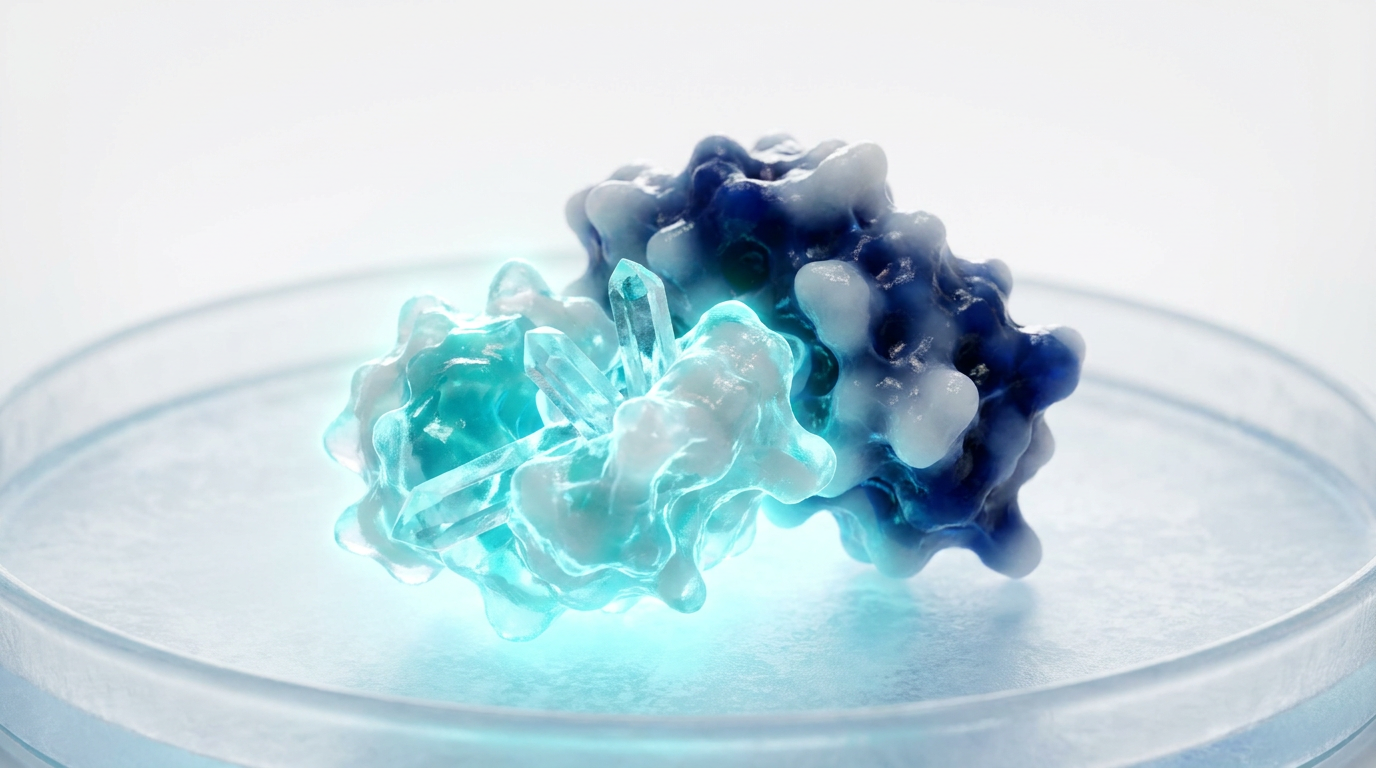
The process relies on a highly specific "lock-and-key" mechanism. Each enzyme is uniquely shaped to fit only one specific type of organic molecule, known as a substrate.[6][7]
When an enzyme locates its target, it binds to the molecule and initiates a process called hydrolysis. Using water, the enzyme slices the large, complex stain into smaller, water-soluble fragments that can be easily rinsed away.[2][7]
Crucially, the enzyme is never consumed or altered during this reaction. Once a molecule is broken, the enzyme releases it and immediately moves on to the next target, providing exponential cleaning power from a tiny amount of product.[5][6]
Most commercial formulations rely on a blend of three primary enzymes. The first, protease, is the heavy lifter for biological stains. Proteases target protein-based soils like blood, sweat, urine, and food, chopping long protein chains into harmless amino acids.[1][2]
Most commercial formulations rely on a blend of three primary enzymes.
The second key enzyme is lipase, the fat fighter. Lipases break down lipids, making them essential for kitchen degreasers. They dismantle cooking oils, butter, and cosmetic residues that water and traditional soap struggle to penetrate.[2][3]
The third is amylase, the starch specialist. Amylases target carbohydrates, breaking down sticky, starchy residues from pasta, potatoes, and sauces into simple, soluble sugars.[2][3]

While enzymes break down the mess, many advanced cleaners pair these proteins with beneficial bacteria, or probiotics. The enzymes act as the "knife and fork," cutting the complex waste into bite-sized pieces.[3][6]
The live bacteria then consume these smaller molecules, converting them into harmless carbon dioxide and water. As the bacteria feed and multiply, they produce even more enzymes, creating a continuous, self-sustaining cleaning cycle.[3][6]
This creates one of the greatest advantages of biological cleaning: residual action. Unlike chemical cleaners that stop working the moment they dry, enzymatic cleaners continue to hunt and break down organic matter for hours or even days, as long as the surface remains slightly damp.[3][4]
This residual action is particularly effective for odor control. Traditional air fresheners and chemical cleaners often just mask smells with heavy perfumes. Enzymatic cleaners digest the uric acid and organic decay causing the odor, permanently neutralizing it at the source.[4][5]

Despite their power, biological cleaners require specific environments to thrive. Because they are proteins, enzymes are highly sensitive to temperature. Boiling water will denature the proteins, destroying their shape and rendering them permanently useless.[1][4]
Cold water, conversely, slows their activity to a crawl. Most enzymatic cleaners perform best in lukewarm water, typically between 90°F and 130°F (32°C to 54°C), where their catalytic activity is at its peak.[1][7]
Chemical incompatibility is another major limitation. Enzymes cannot be mixed with traditional disinfectants. Bleach, strong acids, and high-alcohol solutions will instantly deactivate the enzymes.[4][7]

Finally, the biggest adjustment for consumers is the element of time. Chemical cleaners offer immediate, visible results through aggressive, corrosive reactions. Enzymatic cleaning is a biological process that requires dwell time—often 10 to 15 minutes—to fully break down stubborn stains.[4][7]
As biotechnology continues to advance, the formulation of these biological cleaners is becoming more sophisticated and accessible. By harnessing nature's own recycling mechanism, enzyme cleaners offer a powerful, eco-friendly alternative to the toxic chemicals that have dominated under-sink cabinets for decades.[5][7]
How we got here
Early 1900s
Otto Röhm introduces the first use of enzymes in detergents by extracting trypsin from animal tissues.
1959
The industry achieves a breakthrough with the microbial synthesis of proteases, making commercial production viable.
1980s-1990s
Lipases and cellulases are introduced into mainstream laundry detergents to tackle fats and protect fabrics.
2010s
Advances in biotechnology allow for the stabilization of multi-enzyme blends in liquid household cleaners.
Today
Enzymatic cleaners become a standard in both healthcare decontamination and eco-friendly household hygiene.
Viewpoints in depth
Biotech Formulators
Scientists and manufacturers focused on the molecular efficiency of biological cleaning.
For biotechnology firms and detergent manufacturers, enzymes represent the ultimate efficiency in chemical engineering. Because a single enzyme molecule can catalyze thousands of reactions without being consumed, formulators can drastically reduce the volume of active ingredients required in a product. This camp emphasizes that biological cleaners are not just an eco-friendly alternative, but a functionally superior technology capable of dismantling multi-layered, complex stains that traditional surfactants can only lift or mask.
Healthcare & Commercial Cleaners
Facilities managers who prioritize deep sanitation and material preservation.
In hospitals, sterile processing departments, and commercial kitchens, the priority is breaking down dangerous bioburdens—such as blood, tissue, and heavy grease—without destroying expensive equipment. This camp values enzymatic cleaners for their neutral pH and material compatibility. Unlike highly alkaline or acidic chemicals that can corrode delicate surgical instruments or degrade HVAC coils over time, enzymes offer a targeted, non-corrosive method to eliminate organic matter at the microscopic level.
Eco-Conscious Consumers
Everyday users seeking safe, non-toxic alternatives for home hygiene.
For the domestic market, the appeal of enzymatic cleaners lies in their safety profile. This camp advocates for the removal of volatile organic compounds (VOCs), harsh fumes, and toxic residues from the home environment, particularly around children and pets. They highlight the environmental benefits of biological cleaning, noting that enzymes and beneficial bacteria are 100% biodegradable and actively help break down waste in municipal water systems and septic tanks, rather than poisoning them.
What we don't know
- How quickly new enzyme strains can be engineered to tackle synthetic or non-organic stains that currently require chemical solvents.
- The long-term impact of widespread household probiotic cleaner use on indoor microbiomes.
Key terms
- Enzyme
- A complex protein produced by living cells that acts as a catalyst to speed up specific chemical reactions.
- Substrate
- The specific organic molecule, such as a fat or protein, that an enzyme targets and breaks down.
- Hydrolysis
- A chemical reaction where water is used to break down the bonds of a complex molecule.
- Denature
- The process where a protein loses its specific shape due to extreme heat or harsh chemicals, rendering it inactive.
- Protease
- An enzyme specifically designed to break down protein chains into smaller amino acids.
- Lipase
- An enzyme that targets and breaks down lipids, including fats, oils, and greases.
Frequently asked
Are the enzymes in cleaners alive?
No, enzymes are complex proteins that act as chemical catalysts, not living organisms. However, many enzymatic cleaners also contain live beneficial bacteria that produce these enzymes.
Can I mix an enzyme cleaner with bleach?
No. Bleach, strong acids, and harsh disinfectants will denature the proteins and instantly destroy the enzymes' cleaning ability.
Why do enzyme cleaners take longer to work?
Enzymatic cleaning is a biological process, not a caustic chemical reaction. The enzymes need time—often 10 to 15 minutes—to physically bind to and break apart complex organic molecules.
Do enzyme cleaners expire?
Yes. Because they are biological proteins, they can degrade over time or if exposed to extreme heat. Most have a shelf life of one to two years.
Sources
Source coverage
7 outlets
3 viewpoints surfaced







[1]STERISHealthcare & Commercial Cleaners
Cleaning Process for Enzymatic Cleaner
Read on STERIS →[2]Catalex BioBiotech Formulators
Protease vs Lipase vs Amylase | Best Enzymes for Detergent Cleaning
Read on Catalex Bio →[3]Nyco ProductsHealthcare & Commercial Cleaners
Simple Science: How in the World do Enzymes Clean?
Read on Nyco Products →[4]Green KultureEco-Conscious Consumers
Debunking Myths About Enzyme Cleaners: What They Can and Can't Do
Read on Green Kulture →[5]EarthwormEco-Conscious Consumers
Chemical Cleaners vs Enzyme Cleaners | What's the Difference
Read on Earthworm →[6]Clean-AirBiotech Formulators
Unlocked: How Enzyme Cleaners Hold the Key to Better HVAC Hygiene
Read on Clean-Air →[7]Factlen Editorial TeamBiotech Formulators
Synthesis by Factlen editorial team
Read on Factlen Editorial Team →
Every angle. Every day.
Get home stories with full source coverage and perspective breakdowns delivered to your inbox.