
The Science of Biophilic Design: How Nature-Inspired Homes Impact Mental Health
Biophilic design goes beyond houseplant aesthetics, using evolutionary biology and environmental psychology to reduce stress and improve cognitive function indoors. Research shows that integrating natural light, organic materials, and spatial refuge into residential architecture can significantly boost occupant well-being.
By Kabir Mehra

In short
- Biophilic design is an evidence-based architectural framework that integrates nature into the built environment to improve health.
- Exposure to natural elements lowers cortisol, reduces blood pressure, and helps the brain recover from cognitive fatigue.
- The framework includes direct nature (plants, light), natural analogues (wood, organic shapes), and spatial design (prospect and refuge).
Modern humans spend roughly 90 percent of their lives indoors, often navigating environments defined by rigid geometry, artificial lighting, and synthetic materials. This prolonged detachment from the natural world has subtle but compounding effects on mental health, contributing to what some researchers call "nature deficit disorder." In response, a growing movement within residential architecture is shifting away from sterile, machine-like efficiency. The solution is biophilic design—an evidence-based approach that actively integrates natural elements, patterns, and spatial configurations into the home to support human well-being.[4]
The concept is rooted in evolutionary biology. In 1984, biologist Edward O. Wilson popularized the term "biophilia" to describe humanity's innate, genetically programmed affinity for the natural world and other living systems. Because the human brain evolved in natural landscapes over hundreds of thousands of years, our nervous systems are uniquely calibrated to process the sensory inputs of nature. Biophilic design argues that stripping these inputs from our daily habitats places a chronic, low-grade stress on the human body.[3][4]
At its core, biophilic architecture is not merely an aesthetic trend involving scattered houseplants; it is a structural framework designed to trigger specific physiological responses. Environmental psychologists study how natural stimuli activate the parasympathetic nervous system, which lowers cortisol levels, reduces blood pressure, and slows the heart rate. When homes are designed to mimic the conditions of a natural habitat, the built environment transitions from a source of sensory fatigue to an engine of active recovery.[4]
One of the primary mechanisms explaining this phenomenon is Attention Restoration Theory (ART). In highly artificial environments, the brain relies on "directed attention" to filter out harsh stimuli and focus on tasks, a process that quickly leads to cognitive fatigue. Natural environments, however, engage "soft fascination"—a state where the brain is gently stimulated by effortless inputs, such as the rustling of leaves or the movement of water. Integrating these elements into a home allows the brain's directed attention reserves to replenish.
To standardize this approach, environmental consulting firms like Terrapin Bright Green have codified biophilic design into 14 distinct patterns, grouped into three broad categories: Nature in the Space, Natural Analogues, and Nature of the Space. These patterns provide a blueprint for architects and homeowners to systematically introduce restorative cues into residential interiors, moving far beyond simple decoration.[1]
The first category, "Nature in the Space," refers to the direct, physical presence of natural elements. This includes maximizing dynamic, diffuse daylight that shifts in color temperature throughout the day, which is critical for regulating the body's circadian rhythms and sleep cycles. It also encompasses the integration of indoor vegetation, water features, and natural airflow. Beyond their psychological benefits, indoor plants actively improve indoor air quality by filtering volatile organic compounds (VOCs) and regulating humidity.[1][2]
However, direct nature is only one piece of the puzzle. The second category, "Natural Analogues," involves indirect references to nature through materials, textures, and shapes. Humans display a strong visual preference for organic, biomorphic forms over the sharp, 90-degree angles that dominate modern construction. Incorporating curved archways, rounded furniture, and fractal patterns—complex geometric shapes that repeat at different scales, much like a fern frond or a snowflake—can significantly reduce visual stress.[1]
Material selection plays a crucial role in this indirect connection. Utilizing minimally processed materials like exposed wood grain, natural stone, bamboo, and rattan introduces tactile complexity to a room. Research suggests that touching natural wood surfaces can elicit a calming neurological response similar to spending time in a forest, whereas touching synthetic plastics or cold metals does not.[1]
Perhaps the most profound, yet least understood, pillar of biophilic design is "Nature of the Space." This concept, often referred to as "invisible biophilia," focuses on spatial configurations that mimic the landscapes early humans sought out for survival. It relies heavily on the evolutionary principles of "prospect" and "refuge."[1]
"Prospect" refers to an unimpeded view over a distance, which historically allowed humans to spot resources or approaching danger. In a home, this translates to open floor plans, large windows, and elevated sightlines. "Refuge," conversely, is a space that provides a sense of protection from behind and overhead, such as a cozy reading nook, an alcove, or a lowered ceiling. Homes that successfully balance open prospect with secure refuge create an environment where the nervous system can fully relax.[1]
The measurable impact of these design choices is substantial. Recent quantitative studies analyzing high-rise residential buildings have demonstrated a statistically significant correlation between biophilic design features and occupant health. In units where natural light, organic materials, and indoor vegetation were prioritized, occupant satisfaction levels increased by 35 percent, while self-reported mental well-being improved by 28 percent.[2]
Despite the clear benefits, the implementation of biophilic design is not without challenges and uncertainties. A primary debate among researchers is the "dose-response" relationship: exactly how much nature is required to trigger a restorative effect? It remains unclear whether a high-definition digital screen displaying a forest can provide the same cognitive benefits as a physical window, or if the human brain can detect the artificiality.[4]
Furthermore, the maintenance of direct natural elements can be resource-intensive. Elaborate living green walls and indoor water features require significant upkeep, plumbing, and energy to sustain. If these elements fail or die, they can actually induce stress rather than alleviate it. Consequently, many architects advocate for relying more heavily on passive biophilic strategies—like spatial layout, natural light harvesting, and durable organic materials—which require zero maintenance.[4]
For the average homeowner or renter, embracing biophilic design does not require a costly architectural overhaul. Simple interventions can yield immediate benefits. Rearranging furniture to maximize views out of a window, swapping synthetic curtains for natural linen to diffuse harsh sunlight, and introducing a variety of low-maintenance plants can fundamentally alter the sensory profile of a room.[2][4]
Ultimately, biophilic design represents a paradigm shift in how we conceptualize residential spaces. Rather than viewing the home as a sterile machine for living, this approach treats the home as a living ecosystem. By acknowledging our evolutionary past and designing spaces that actively nourish the human nervous system, biophilic architecture offers a sustainable, evidence-based path to healthier, more resilient daily living.[4]
Key terms
- Biophilia
- The innate, evolutionary human desire to connect with nature and other living systems.
- Attention Restoration Theory (ART)
- A psychological theory suggesting that exposure to nature helps the brain recover from the fatigue of intense concentration.
- Fractal Patterns
- Complex geometric shapes that repeat at different scales, commonly found in nature (like ferns or snowflakes), which are visually soothing.
- Prospect and Refuge
- An architectural concept where a space provides both an open, expansive view (prospect) and a secure, protected enclosure (refuge).
- Volatile Organic Compounds (VOCs)
- Harmful chemicals emitted by many synthetic building materials and furnishings, which can be filtered by certain indoor plants.
Frequently asked
What is the difference between biophilic design and just having houseplants?
While houseplants are a key element, biophilic design is a holistic architectural approach. It includes maximizing natural light, using organic materials like wood and stone, and designing spatial layouts that mimic natural environments to reduce stress.
Is biophilic design expensive to implement?
It doesn't have to be. While structural changes like adding skylights are costly, passive strategies like rearranging furniture for better views, opening windows for airflow, and using natural textiles are highly accessible.
How does biophilic design improve mental health?
Research shows that exposure to natural stimuli lowers cortisol levels, reduces blood pressure, and helps the brain recover from cognitive fatigue by engaging 'soft fascination' rather than demanding intense focus.
What is 'invisible biophilia'?
Invisible biophilia refers to spatial designs that evoke nature without literal natural elements. Examples include creating cozy, protected alcoves (refuge) or open, sweeping sightlines (prospect) that satisfy evolutionary psychological needs.
Viewpoints in depth
Environmental Psychologists
Focus on the measurable cognitive and physiological benefits of nature exposure.
This camp views the home through the lens of the nervous system. Relying on frameworks like Attention Restoration Theory, environmental psychologists argue that modern sterile environments actively deplete cognitive reserves. They advocate for biophilic design not as an aesthetic choice, but as a necessary public health intervention to lower baseline cortisol levels and combat the chronic stress of urban living.
Architectural Designers
Emphasize spatial flow, sustainable materials, and structural integration of natural elements.
For architects, biophilia is about the fundamental geometry and materiality of a space. Rather than simply adding potted plants to a finished room, this perspective prioritizes 'invisible biophilia'—designing floor plans that offer prospect and refuge, harvesting natural daylight through strategic window placement, and utilizing locally sourced, minimally processed materials that age naturally.
Urban Residents
Value practical, low-maintenance applications of nature in dense living spaces.
Occupants of high-density housing focus on the accessibility of biophilic principles. While they value the mental health benefits of nature, they are often constrained by space, budget, and rental agreements. This camp prioritizes high-impact, low-effort interventions, such as optimizing existing natural light, utilizing natural textiles, and incorporating resilient houseplants that do not require complex irrigation systems.
- Environmental Psychologists
- Focus on the measurable cognitive and physiological benefits of nature exposure.
- Architectural Designers
- Emphasize spatial flow, sustainable materials, and structural integration of natural elements.
- Urban Residents
- Value practical, low-maintenance applications of nature in dense living spaces.
Perspectives this story doesn't cover
- Commercial Real Estate Developers
- Synthetic Material Manufacturers
Sources
Source coverage
4 outlets
3 viewpoints surfaced




- [1]Terrapin Bright GreenArchitectural Designers
14 Patterns of Biophilic Design: Improving Health and Well-Being in the Built Environment
Read on Terrapin Bright Green → - [2]ResearchGateUrban Residents
How biophilic design principles influence urban residential environments
Read on ResearchGate → - [3]Harvard University PressEnvironmental Psychologists
Biophilia by Edward O. Wilson
Read on Harvard University Press → - [4]Factlen Editorial TeamArchitectural Designers
Synthesis by Factlen editorial team
Read on Factlen Editorial Team →
More in Lifestyle
See all →Neuroarchitecture
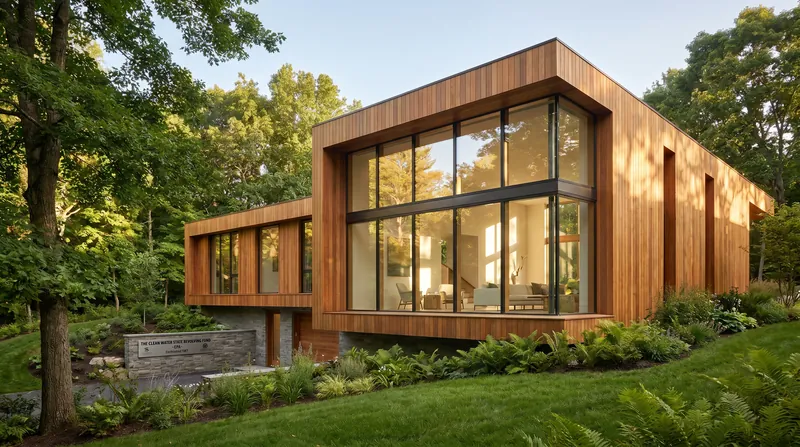
How Neuroarchitecture and Biophilic Design Are Re-Engineering the Modern Home
9 sources
Thermal Dynamics
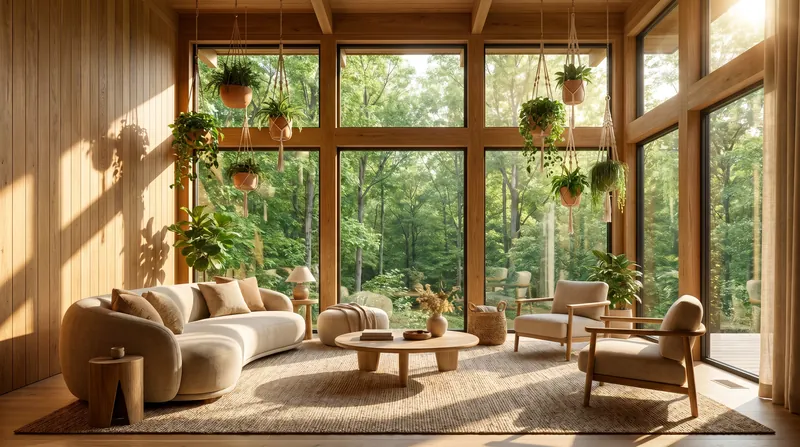
Why Tilted Windows Cause Mold and Waste Energy While Shock Airing Keeps Homes Warm
3 sources
Appliance Science
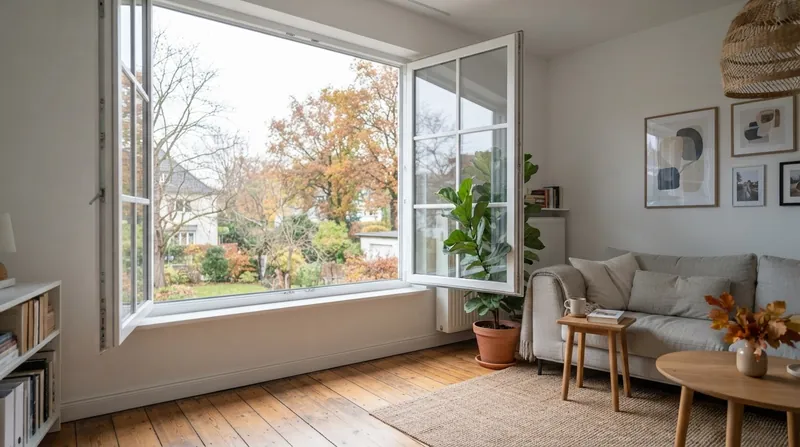
Optical Turbidity Sensors Misread Pre-Rinsed Dishes, Shortening Wash Cycles and Freeing Alkaline Detergents to Etch Glassware
4 sources
Home Infrastructure
The 120°F Setting: How Plumbing Codes and Biological Risk Dictate Water Heater Temperatures
8 sources

Comments
Every angle. Every day.
Get Lifestyle stories with full source coverage and perspective breakdowns, free every day.