
The Science of Bio-Fabricated Furniture: How Mycelium is Grown into Chairs and Tables
Material scientists and designers are harnessing the root structure of fungi to grow zero-waste, fully compostable furniture. The bio-fabrication process promises to replace toxic glues and plastics with a circular, regenerative alternative.
By Noor Saidi

In short
- Mycelium, the root network of fungi, is being used to bind agricultural waste into solid furniture.
- The bio-fabrication process eliminates the need for toxic, formaldehyde-based glues found in traditional MDF.
- Mycelium composites are naturally fire-retardant, lightweight, and act as effective acoustic insulators.
The modern living room is quietly harboring a metabolic crisis. For decades, the global furniture industry has relied on a cocktail of medium-density fiberboard (MDF), polyurethane foams, and synthetic laminates to furnish homes at scale.
These materials are cheap and abundant, but they come with a steep environmental cost: they off-gas volatile organic compounds (VOCs) into indoor air and are destined to sit in landfills for centuries. Now, a coalition of material scientists and avant-garde designers is proposing a radical alternative. The furniture of the future, they argue, will not be built on an assembly line. It will be grown.[1]
The engine behind this manufacturing revolution is mycelium—the hidden, root-like network of fungi that thrives beneath the forest floor. While mushrooms are the visible fruiting bodies, mycelium is the vegetative web that does the heavy lifting, secreting enzymes to break down organic matter and absorb nutrients. Composed of microscopic, tubular filaments called hyphae, mycelium is encased in chitin, the same tough polymer found in crab shells. Innovators have realized that by harnessing this natural growth process, mycelium can be deployed as a powerful, self-assembling biological binder.[1]
The process of "bio-fabrication" begins not in a lumber mill, but with agricultural waste. Designers source localized byproducts that would otherwise be discarded or burned, such as hemp hurd, sawdust, flax, or canola waste. In India, the design studio Anomalia specifically utilizes crop residues that farmers typically incinerate, a practice that severely worsens regional air pollution. By redirecting this waste into the furniture supply chain, bio-fabrication solves two environmental problems simultaneously: it sequesters agricultural carbon and eliminates the need for virgin timber.
Once the agricultural waste is gathered, it is sterilized and inoculated with a specific strain of fungal spores. This mixture is then packed into custom-designed molds. Over the course of four to six weeks, the mycelium acts as nature's glue. It consumes the cellulose in the waste, rapidly expanding its hyphal network to fill every crevice of the mold.
As it grows, it binds the loose organic matter into a dense, solid composite block. The process requires minimal energy, no sunlight, and operates entirely at room temperature, standing in stark contrast to the energy-intensive heat and pressure required to manufacture traditional plastics and resins.
A critical step in the bio-fabrication process is halting the growth. If left unchecked, the mycelium would eventually sprout mushrooms. To prevent this, designers carefully monitor the density and texture of the composite. Once the material has reached the desired structural integrity, it is removed from the mold and placed into a kiln. Baking the furniture at high temperatures kills the fungal spores, rendering the material biologically inert. The resulting product will never sprout, spread, or release spores in a consumer's home; it is entirely dormant.[1]
The physical properties of baked mycelium composite are startlingly competitive with traditional materials. Depending on the substrate used and the compression applied during molding, mycelium can mimic the lightweight shock-absorption of polystyrene foam or achieve the rigid density of engineered wood. Furthermore, the material is naturally fire-retardant and acts as a highly effective acoustic and thermal insulator. Because it binds itself together organically, it completely eliminates the need for the formaldehyde-based glues that make conventional MDF a hazard to indoor air quality.[2]
New York-based biomaterials company Ecovative has been at the vanguard of this movement for over a decade. Originally focused on replacing styrofoam packaging, the company expanded into interior design with its MycoBoard technology. By proving that mycelium could be compressed into premium, customizable panels, Ecovative demonstrated that bio-fabricated furniture could meet the rigorous structural demands of daily use. Their early prototypes, such as the Imperial Stool, showcased how every component—from the legs to the cushioning—could be cultivated from the earth.[2][4]
As the underlying science has matured, the aesthetic possibilities of mycelium have exploded. Early iterations of mushroom furniture often looked like raw, earthy blocks, appealing primarily to eco-purists. Today, designers are pushing the material into the realm of high-end luxury. British furniture maker Sebastian Cox pioneered techniques to seamlessly integrate mycelium with coppiced hazel and goat willow, creating pieces that highlight the striking visual contrast between polished wood and the organic, suede-like texture of the fungal composite.[1]
The Dutch startup Aifunghi recently debuted a collection that blends mycelium bases with seaweed-derived bio-foams and plastic-free faux furs made from nettle and flax. By combining multiple bio-fabricated materials, they are proving that sustainable furniture does not have to compromise on comfort or tactile elegance. Their semi-industrial manufacturing process is engineered for absolute zero waste, ensuring that the exact amount of raw material is used for each custom mold.[3]
The geometry of mycelium furniture is also evolving, aided by advancements in digital fabrication. Recent design projects have unveiled collections that utilize 3D-printed, reusable molds made from recycled plastic. By computationally designing the molds, architects can guide the mycelium to grow into complex, sweeping organic curves that would be nearly impossible—or prohibitively expensive—to carve from solid wood. This marriage of algorithmic design and biological growth represents a new frontier in bespoke interior architecture.[1]
Perhaps the most profound advantage of mycelium furniture is its end-of-life trajectory. The traditional furniture industry operates on a linear model: extract, manufacture, use, and discard. A standard synthetic couch or laminated table will persist in a landfill for hundreds of years, slowly leaching microplastics and chemicals into the soil. Mycelium furniture, by contrast, is designed for a circular economy. When a piece is no longer needed, it can be broken down and placed in a standard compost facility or garden.
Within approximately 180 days of exposure to active soil microbes and moisture, the mycelium composite safely biodegrades. It returns to the earth not as a pollutant, but as a nutrient-rich fertilizer. This biological circularity offers a compelling solution to the mounting crisis of fast furniture, allowing consumers to update their interiors without contributing to generational waste.
Despite its immense promise, the bio-fabricated furniture industry faces significant hurdles before it can replace mass-market brands on a global scale. The primary challenge is scaling production. "Farming" furniture requires precise environmental controls, sterile facilities to prevent rogue mold contamination during the growth phase, and massive physical space to house thousands of curing molds. While the raw materials are cheap, the specialized labor and time required currently keep mycelium furniture at a premium price point.[1][3]
There is also a psychological barrier to overcome. For many consumers, the idea of bringing "fungus" into the living room triggers an instinctive aversion, associating the word with dampness, decay, or rot. Designers must actively educate the public that baked mycelium is as dry, safe, and inert as a piece of kiln-dried lumber. Marketing the material's pristine indoor air quality and VOC-neutral status is crucial to shifting consumer perception from skepticism to desirability.[1]
Looking ahead, the intersection of synthetic biology and furniture design promises even more radical innovations. Researchers are already conceptualizing "active" furniture for the next decade—pieces where the mycelium is kept in a dormant, rather than dead, state. Future iterations could theoretically self-heal scratches when exposed to targeted moisture, or integrate bioluminescent fungal strains to provide ambient, zero-electricity lighting. While these concepts remain in the laboratory, they underscore the transformative potential of treating the home not as a static container, but as a living, regenerative ecosystem.[1]
Terms to know
- Mycelium
- The vegetative, root-like network of fungi, consisting of branching, thread-like filaments that absorb nutrients.
- Bio-fabrication
- The process of using living organisms, such as bacteria or fungi, to manufacture materials and products.
- Volatile Organic Compounds (VOCs)
- Harmful chemicals often emitted as gases from traditional furniture glues, paints, and synthetic foams.
- Chitin
- A tough, protective polymer found in the cell walls of fungi that acts as a natural structural binder in bio-fabricated materials.
- Circular Economy
- An economic model aimed at eliminating waste by ensuring materials can be continuously reused or safely returned to nature.
Questions readers ask
Will mycelium furniture grow mushrooms in my house?
No. At the end of the growing process, the furniture is baked at high temperatures. This kills the fungal spores and renders the material completely dormant and biologically inert.
Is mushroom furniture actually durable?
Yes. Depending on the density of the agricultural waste and the compression used during molding, mycelium composites can achieve the structural strength and rigidity of traditional engineered woods like MDF.
Does bio-fabricated furniture smell like fungi?
No. The final baked product is completely odorless. Furthermore, because it uses no synthetic glues, it does not off-gas the harmful chemicals (VOCs) commonly found in conventional furniture.
What happens when you throw it away?
Mycelium furniture is fully biodegradable. If broken down and placed in active soil or a compost facility, it will safely decompose and return nutrients to the earth within roughly 180 days.
Different angles
Bio-Design Innovators
Advocates for replacing static, petroleum-based manufacturing with regenerative biological processes.
This camp views the current furniture industry as fundamentally broken, heavily reliant on toxic binders and non-renewable plastics. They argue that bio-fabrication is the only viable path to a truly circular economy. By utilizing mycelium, they emphasize that we can sequester agricultural carbon and create high-performance materials that safely return to the earth. For these innovators, the goal is not just to make sustainable furniture, but to fundamentally change the relationship between the built environment and the natural world, moving from extraction to cultivation.
Traditional Manufacturing Analysts
Industry experts focused on the logistical and economic hurdles of scaling bio-fabricated materials.
While acknowledging the environmental benefits, this perspective highlights the immense challenges of mass-producing grown furniture. Analysts point out that 'farming' furniture requires sterile environments, precise climate control, and significant physical space—factors that complicate traditional supply chains. They argue that until bio-fabrication can match the speed, cost-efficiency, and standardized durability of MDF and polyurethane foams, mycelium will remain a niche, premium product rather than a global industry standard.
Environmental Advocates
Focuses on the immediate health and ecological benefits of eliminating VOCs and agricultural burning.
For environmental and public health advocates, the appeal of mycelium furniture lies in its immediate impact on air quality, both indoors and outdoors. They champion the material for eliminating the formaldehyde and VOCs that off-gas from conventional furniture, significantly improving indoor air quality. Furthermore, by repurposing agricultural waste that would otherwise be incinerated—a major source of smog and particulate pollution in developing regions—they see mycelium production as a dual-action solution to both the landfill crisis and regional air pollution.
- Bio-Design Innovators
- Advocates for replacing static, petroleum-based manufacturing with regenerative biological processes.
- Environmental Advocates
- Focuses on the immediate health and ecological benefits of eliminating VOCs and agricultural burning.
- Traditional Manufacturing Analysts
- Industry experts focused on the logistical and economic hurdles of scaling bio-fabricated materials.
Perspectives this story doesn't cover
- Agricultural workers supplying the waste biomass
- Traditional lumber and MDF manufacturers
Sources
Source coverage
4 outlets
3 viewpoints surfaced




- [1]Factlen Editorial TeamBio-Design Innovators
Synthesis by Factlen editorial team
Read on Factlen Editorial Team → - [2]Builder MagazineTraditional Manufacturing Analysts
This New Furniture is Grown from Mushroom Materials
Read on Builder Magazine → - [3]HomecruxTraditional Manufacturing Analysts
Aifunghi Redefines Sustainable Luxury With Innovative Mycelium Furniture
Read on Homecrux → - [4]Grow.bioBio-Design Innovators
Ecovative Launches New Line of Biofabricated Furniture for the Home Fully Grown From Mushroom® Materials
Read on Grow.bio →
More in Home
See all →Furniture Craftsmanship
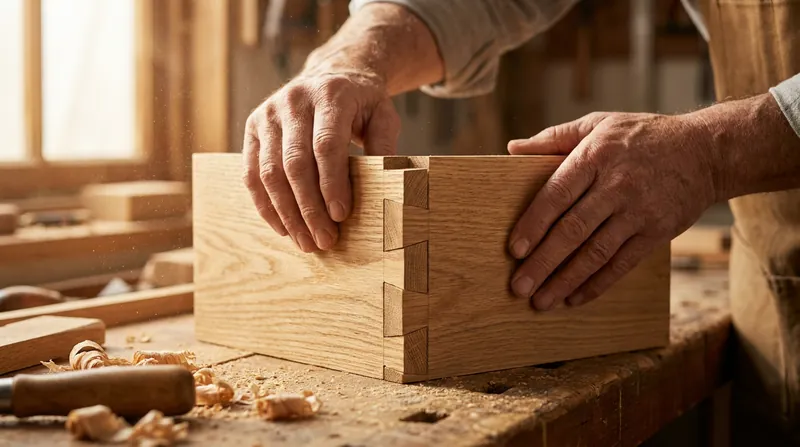
Beyond Fast Furniture: How to Identify High-Quality Wood and Joinery That Lasts Generations
3 sources
Wood Chemistry
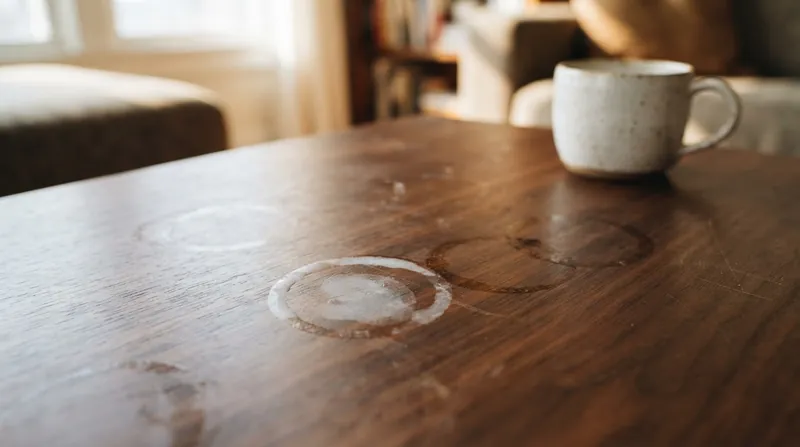
Why White Table Rings Are Optical Illusions and Black Stains Are Chemical Reactions
5 sources
Kinematics
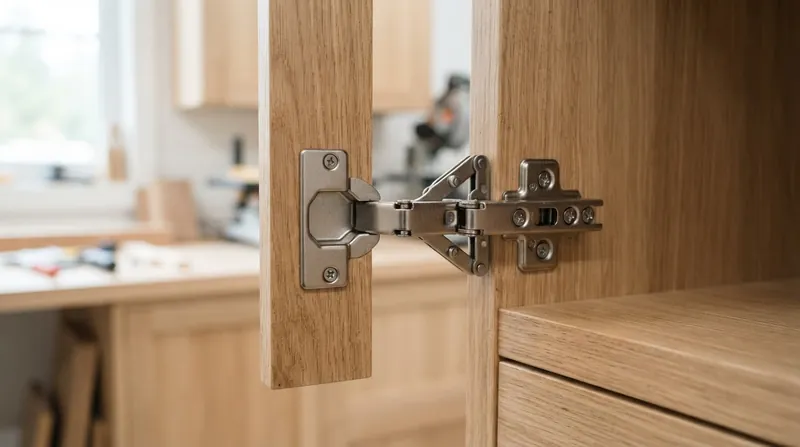
The Science of Concealed Cabinet Hinges: How Four-Bar Linkages Prevent Door Binding
4 sources
Building Physics
The 0.13 m²K/W Internal Surface Resistance: How the ISO 6946 Standard Defines the Baseline for a Wall's Thermal Performance
6 sources
Comments
Every angle. Every day.
Get Home stories with full source coverage and perspective breakdowns, free every day.