
The Password Is Dying: Evaluating the Evidence Behind the Passkey Transition
With an estimated 5 billion passkeys now in use globally, major tech platforms and government agencies are officially advising users to abandon passwords.
By Factlen Editorial Team
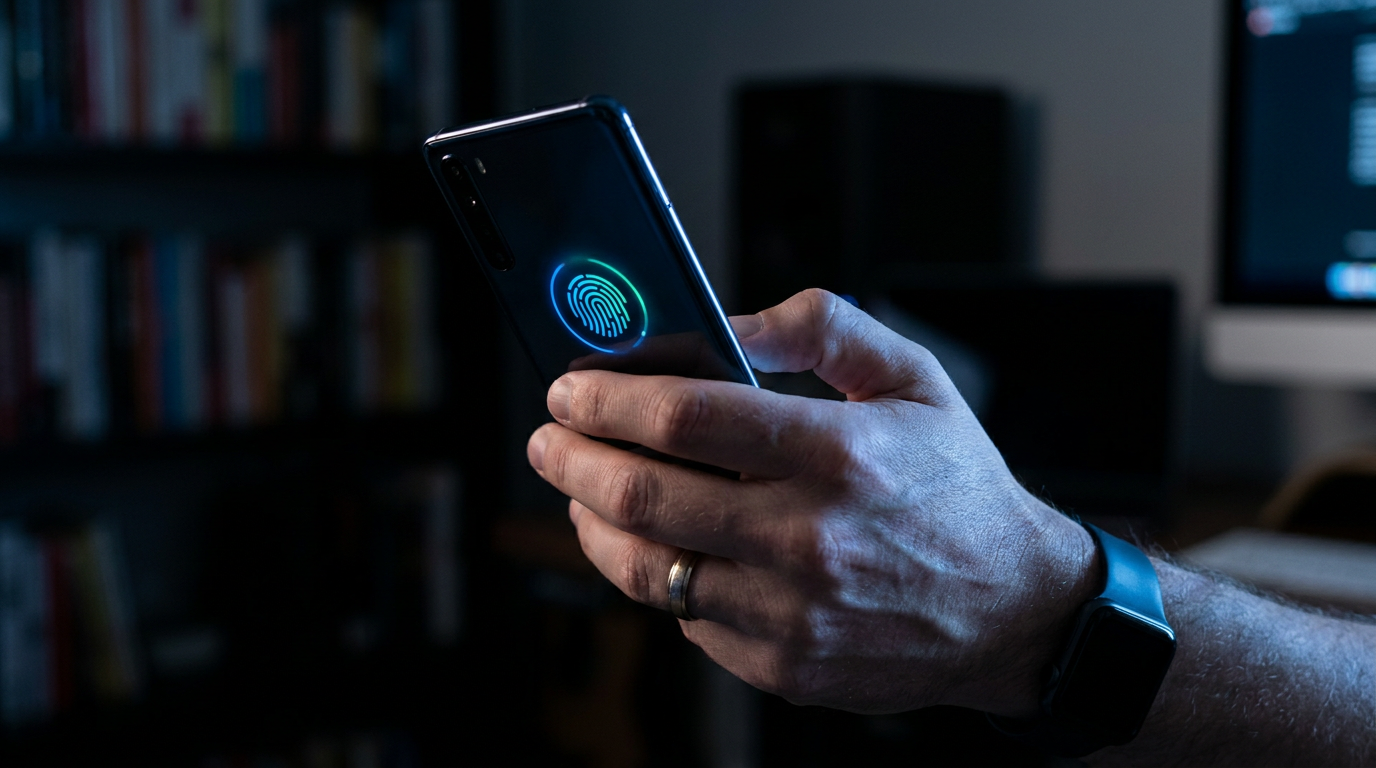
- Security Standard Bodies
- Advocates for engineering security at the protocol level to eliminate human error.
- Platform Providers
- Tech companies focused on reducing user friction and commercial losses from forgotten passwords.
- Enterprise IT
- Corporate security teams balancing new authentication methods with legacy system compatibility.
- Independent Analysts
- Evaluating the macro impact of the passwordless transition on global cybersecurity.
What's not represented
- · Users without access to modern smartphones or biometric-capable devices.
- · Privacy advocates concerned about the centralization of passkeys within major tech ecosystems.
Why this matters
Passwords are the root cause of most data breaches and account takeovers. The mainstream rollout of passkeys means the average internet user is finally gaining access to military-grade, phishing-resistant security without needing technical expertise.
Key points
- An estimated 5 billion passkeys are now in use globally, according to the FIDO Alliance.
- The UK's National Cyber Security Centre officially advises consumers to abandon passwords in favor of passkeys.
- Passkeys use public-key cryptography, making them immune to traditional phishing and credential-stuffing attacks.
- Automatic upgrades by password managers are accelerating adoption by silently provisioning passkeys.
- While consumers are adopting passkeys rapidly, 57% of enterprises still rely on phishable authentication for daily tasks.
For decades, the password has been the internet’s most persistent vulnerability. It is a shared secret that can be guessed, stolen, leaked, and reused, making it the primary vector for global cyberattacks. But in 2026, the cybersecurity industry has reached a definitive tipping point. A coordinated effort by tech giants, standard bodies, and government agencies has pushed the "passkey"—a cryptographic replacement for the password—into mainstream adoption.[1][5]
The transition represents a rare, unqualified victory for consumer security. By replacing memorized strings of text with public-key cryptography bound to a user's device, passkeys effectively neutralize phishing. In this evidence pack, we evaluate the claims driving the passwordless movement, examining adoption metrics, security efficacy, and the remaining hurdles for enterprise environments.[6]
Claim 1: Passkeys have reached mainstream consumer adoption. The evidence for this claim is strong. According to the FIDO Alliance’s 2026 State of Passkeys report, an estimated 5 billion passkeys are now in use worldwide. The data, drawn from a survey of 11,000 consumers across ten countries, indicates that 90% of people are now aware of passkeys, and 75% have enabled a passkey on at least one account.[1]

Major platform providers corroborate this scale. Microsoft reports that hundreds of millions of users are signing in with passkeys every day across consumer services like OneDrive, Xbox, and Copilot. The rapid acceleration is largely driven by "automatic upgrades." Password managers and browsers are now designed to silently provision a passkey during a standard password login, making the transition nearly invisible to the end user.[2][4]
Claim 2: Passkeys effectively eliminate phishing and credential theft. The evidence here is also highly robust. Passkeys operate on the WebAuthn standard, which uses asymmetric cryptography. When a user creates a passkey, their device generates a public-private key pair. The public key is shared with the website, while the private key never leaves the user's device. Because there is no shared secret to intercept, traditional phishing pages cannot steal a credential.[1][4]
This cryptographic reality prompted a landmark policy shift in April 2026. The UK’s National Cyber Security Centre (NCSC) officially overhauled decades of security guidance, urging consumers to abandon passwords entirely in favor of passkeys. The agency stated that passkeys should be the "first choice" for logging into digital services, citing their superior resistance to current cyber threats.[3][5]
This cryptographic reality prompted a landmark policy shift in April 2026.
Microsoft’s internal telemetry aligns with the NCSC's guidance. The company notes that sign-in success rates are significantly higher with passkeys, while exposure to credential-based attacks drops precipitously. By removing phishable credentials from user accounts, organizations are closing the door on automated brute-force and credential-stuffing attacks.[2][3]

Claim 3: The user experience is superior to passwords. The evidence supports this, though interoperability has required recent engineering breakthroughs. Passwords cause immense friction in digital commerce; the FIDO Alliance found that 47% of consumers are likely to abandon a purchase or sign-in when they cannot remember their password. Passkeys replace this friction with a simple biometric check, such as a fingerprint or facial scan.[1]
Early passkey implementations suffered from domain lock-in, where a passkey created on one site could not be used on a related regional site. However, the introduction of Related Origin Requests (ROR) has solved this, allowing organizations to maintain an authorized allowlist of domains that can share a single passkey. Furthermore, credential exchange standards now allow users to sync passkeys across different operating systems, preventing ecosystem lock-in.[4]
Claim 4: Enterprises are ready for a fully passwordless workforce. The evidence for this claim remains mixed. While 68% of organizations report that they are actively deploying passkeys for employee sign-ins, the reality on the ground is more complex. A majority of organizations—57%—still rely on phishable authentication methods for their employees' primary day-to-day access.[1]

Enterprise IT departments face unique challenges that consumers do not. Organizations must decide where passkeys will be stored—whether on a managed laptop, a cloud-based password manager, or a physical hardware token like a YubiKey. They must also establish secure recovery protocols for when an employee loses a device, ensuring that the recovery process itself does not become a backdoor for attackers.[3]
Furthermore, 24% of enterprise decision-makers report that they are waiting for technologies and standards to mature further before fully committing. Advanced features, such as the WebAuthn PRF (Pseudo-Random Function) extension—which allows passkeys to be used for zero-knowledge encryption of local vault data—are still in the rollout phase across major password managers.[1][4]
Despite these enterprise hurdles, the trajectory is clear. The password is being systematically engineered out of the internet's architecture. For the average consumer, the era of managing dozens of complex, easily stolen passwords is drawing to a close, replaced by a standard that is simultaneously easier to use and mathematically impossible to phish.[1][6]
How we got here
2012
The FIDO Alliance is founded to develop open standards for passwordless authentication.
2019
The W3C officially recognizes WebAuthn as a web standard, laying the technical groundwork for passkeys.
2022
Apple, Google, and Microsoft announce expanded support for the FIDO standard, introducing the term 'passkey' to consumers.
April 2026
The UK's NCSC drops passwords from its security guidance, urging consumers to use passkeys as their first choice.
May 2026
The FIDO Alliance reports that 5 billion passkeys are in use globally, marking mainstream adoption.
Viewpoints in depth
Security Standard Bodies
Organizations focused on establishing interoperable, phishing-resistant protocols.
Groups like the FIDO Alliance and national agencies like the UK's NCSC view passkeys as the only viable solution to the internet's phishing epidemic. They argue that educating users to spot fake websites has failed, and that security must be engineered at the protocol level. By deprecating password recommendations entirely, these bodies are forcing the industry to adopt cryptographic standards that remove human error from the authentication process.
Platform Providers
Tech giants and password managers focused on seamless user experience.
Companies like Microsoft, Apple, Google, and Dashlane prioritize reducing friction. They argue that security features only work if people actually use them, which is why they have invested heavily in 'automatic upgrades' and cross-device syncing. For platform providers, the passkey transition is as much about reducing the commercial cost of forgotten passwords—which leads to abandoned shopping carts and IT support tickets—as it is about security.
Enterprise IT
Corporate security teams managing workforce access and legacy systems.
Enterprise decision-makers are more cautious. While they acknowledge the security benefits of passkeys, they must navigate complex regulatory requirements, legacy software that doesn't support WebAuthn, and the logistics of account recovery. If an employee loses a device containing a passkey, the IT department must have a secure, un-phishable way to restore access, leading many organizations to maintain hybrid systems while the technology matures.
What we don't know
- How quickly legacy enterprise software and internal corporate tools will be updated to support WebAuthn standards.
- Whether the rollout of the WebAuthn PRF extension will successfully enable zero-knowledge encryption at scale.
- How threat actors will pivot their attack strategies once credential-harvesting phishing becomes obsolete.
Key terms
- Passkey
- A digital credential tied to a user's device that uses public-key cryptography to authenticate logins without a password.
- WebAuthn
- The web standard that allows browsers and applications to communicate with authenticators to create and use passkeys.
- Public-Key Cryptography
- A cryptographic system that uses pairs of keys: a public key shared with a server, and a private key kept securely on the user's device.
- Phishing
- A cyberattack where criminals deceive users into revealing sensitive information, such as passwords, often via fake websites.
- Credential Stuffing
- An automated attack where hackers use lists of stolen usernames and passwords to breach user accounts across multiple websites.
Frequently asked
What exactly is a passkey?
A passkey is a cryptographic entity that replaces your password. It consists of a private key stored securely on your device and a public key stored on the website's server.
What happens if I lose my phone?
Passkeys are typically synced to a cloud account, such as Apple iCloud, Google Password Manager, or a third-party manager like Dashlane. If you lose your device, you can recover your passkeys by signing into your cloud account on a new device.
Can a passkey be stolen in a data breach?
No. Websites only store your public key, which is useless to hackers on its own. Your private key never leaves your device.
Can I use a passkey on a shared computer?
Yes. You can use your smartphone to scan a QR code displayed on the shared computer's screen, allowing your phone to authenticate the login without transferring the passkey to the computer.
Sources
Source coverage
6 outlets
4 viewpoints surfaced






[1]FIDO AllianceSecurity Standard Bodies
Five Billion Passkeys: FIDO Alliance Reports Mainstream Global Usage
Read on FIDO Alliance →[2]MicrosoftPlatform Providers
Expanding passkey adoption across our ecosystem
Read on Microsoft →[3]Help Net SecurityEnterprise IT
Users advised to drop passwords and make room for passkeys
Read on Help Net Security →[4]DashlanePlatform Providers
How passkey innovation is making passwordless authentication easier
Read on Dashlane →[5]UK National Cyber Security CentreSecurity Standard Bodies
NCSC Guidance: Transitioning to Passkeys
Read on UK National Cyber Security Centre →[6]Factlen Editorial TeamIndependent Analysts
Synthesis by Factlen editorial team
Read on Factlen Editorial Team →


Every angle. Every day.
Get technology stories with full source coverage and perspective breakdowns delivered to your inbox.