
The Hollywood Weight Loss Debate: Celebrities Speak Out on Ozempic and GLP-1 Drugs
As GLP-1 medications like Ozempic and Mounjaro become increasingly common in Hollywood, celebrities are speaking out about their experiences, sparking a broader debate about body image, transparency, and the ethics of off-label drug use.
By Factlen Editorial Team

- Therapeutic Pragmatists
- View the drugs as a vital medical breakthrough that correctly treats obesity as a chronic biological disease.
- Ethical Critics
- Argue that cosmetic, off-label use by the wealthy deprives diabetic patients of essential, life-saving medication.
- Cultural Skeptics
- Warn that the trend resurrects toxic diet culture and unrealistic beauty standards under the guise of health.
Why this matters
Hollywood's shifting narrative around weight loss drugs is dismantling decades of unrealistic beauty standards while simultaneously exacerbating a global shortage of essential diabetes medications. The cultural normalization of GLP-1s by public figures is fundamentally changing how society views obesity, shifting it from a moral failing to a treatable biological condition.
Key points
- Hollywood figures are increasingly abandoning traditional diet narratives to admit using GLP-1 medications.
- The trend has sparked a cultural shift, framing obesity as a biological condition rather than a lack of willpower.
- Surging off-label demand for drugs like Ozempic has caused severe shortages for Type 2 diabetes patients.
- Critics warn the normalization of rapid weight loss drugs risks reviving toxic 'size zero' beauty standards.
- The high out-of-pocket cost of brand-name GLP-1s has highlighted deep healthcare inequalities.
For decades, the Hollywood weight loss narrative followed a predictable, often deceptive script. When a celebrity debuted a dramatically thinner physique on a red carpet, the transformation was invariably attributed to grueling Pilates regimens, alkaline diets, or simply "drinking more water." Today, that facade is rapidly crumbling under the weight of a pharmaceutical revolution [1]. The proliferation of GLP-1 receptor agonists—most notably semaglutide (marketed as Ozempic and Wegovy) and tirzepatide (Mounjaro and Zepbound)—has prompted an unprecedented wave of transparency among public figures [2]. As these injectable medications become ubiquitous in entertainment circles, the conversation has shifted from whispered rumors to open admissions, fundamentally altering the public's relationship with diet culture.[1][2]
The turning point arrived when high-profile figures began breaking the industry's omertà regarding medical weight loss interventions. Oprah Winfrey's decision to step down from the board of WeightWatchers and publicly acknowledge her use of weight-loss medication marked a watershed moment [3]. By framing the drug as a necessary medical tool rather than a cosmetic cheat code, Winfrey and others have helped destigmatize the biological realities of obesity [4]. This newfound candor has been largely welcomed by medical professionals who have long argued that chronic weight management requires clinical intervention, not just sheer willpower [5].[3][4][5]
To understand the cultural earthquake, one must understand the underlying science. GLP-1 (glucagon-like peptide-1) receptor agonists were originally developed to treat Type 2 diabetes by stimulating insulin secretion [1]. However, researchers quickly noted a profound secondary effect: the drugs significantly slow gastric emptying and interact with the brain's appetite-regulation centers to signal fullness [5]. Patients frequently report the elimination of "food noise"—the constant, intrusive thoughts about eating that plague many individuals struggling with their weight. In clinical trials, patients on these medications lost between 15% and 20% of their body weight, results previously achievable only through bariatric surgery [6].[1][5][6]

However, the Hollywood embrace of these drugs has ignited a fierce ethical debate regarding off-label use. While Wegovy and Zepbound are FDA-approved specifically for chronic weight management, Ozempic and Mounjaro are approved only for Type 2 diabetes [3]. Because the demand for the weight-loss variants has vastly outstripped supply, wealthy individuals and celebrities have frequently secured prescriptions for the diabetes-branded versions off-label [4]. This practice, fueled by concierge doctors and out-of-pocket payments exceeding $1,000 a month, has created a stark healthcare disparity [2].[2][3][4]
However, the Hollywood embrace of these drugs has ignited a fierce ethical debate regarding off-label use.
The real-world consequences of this luxury demand are severe. Across the globe, patients with Type 2 diabetes have faced chronic, life-threatening shortages of their prescribed medications [1]. Pharmacists report turning away diabetic patients because the supply chain—bottlenecked not just by the active pharmaceutical ingredients but by the manufacturing of the specialized injection pens—cannot keep pace with a market driven partly by cosmetic desires [2]. The optics of celebrities using a scarce, life-saving diabetes drug to shed ten pounds for a film role have drawn sharp criticism from patient advocacy groups and medical ethicists alike [6].[1][2][6]
Within the entertainment industry itself, a counter-movement is brewing. Several prominent actors and body positivity advocates have publicly condemned the casual normalization of appetite suppressants [5]. Critics argue that the GLP-1 craze is resurrecting the toxic "heroin chic" and size-zero aesthetics of the 1990s, threatening to erase a decade of hard-won progress in size inclusivity and body acceptance [6]. They warn that framing thinness as a universally achievable baseline—provided one has the financial means—places immense psychological pressure on the general public to conform to an artificially engineered standard.[5][6]

The physical toll of rapid, medically induced weight loss is also becoming a subject of public scrutiny. The phenomenon colloquially dubbed "Ozempic face"—characterized by a gaunt, aged appearance due to the rapid loss of facial fat—has become a frequent topic in plastic surgery circles, driving a secondary boom in dermal fillers [2]. Furthermore, physicians warn about the loss of lean muscle mass and the potential for severe gastrointestinal distress, including gastroparesis (stomach paralysis), which, while rare, has been reported among some long-term users [3].[2][3]
Despite the backlash, the democratization of these drugs is already underway. As brand-name shortages persist, a massive gray market of compounding pharmacies and telehealth startups has emerged, offering generic or compounded versions of semaglutide at a fraction of the cost [4]. While the FDA has issued warnings about the safety and efficacy of some compounded formulations, the sheer volume of consumer demand suggests that GLP-1s are transitioning from a Hollywood secret to a mainstream consumer staple [3]. This shift is forcing insurers and employers to grapple with whether to cover these expensive treatments for the broader population [1].[1][3][4]
Ultimately, the celebrity discourse surrounding GLP-1s is a microcosm of a much larger societal reckoning. By admitting to using pharmaceutical assistance, public figures are dismantling the myth of effortless perfection that Hollywood has sold for a century [5]. Yet, this transparency comes with a complex caveat: it replaces the illusion of genetic superiority with the reality of pharmaceutical privilege [6]. As the supply chains eventually stabilize and new, even more potent drugs enter the market, the conversation will likely shift from access and ethics to the long-term realities of managing weight as a chronic, medicated condition.[5][6]
How we got here
2017
The FDA approves Ozempic (semaglutide) for the treatment of Type 2 diabetes.
June 2021
The FDA approves Wegovy, a higher-dose version of semaglutide, specifically for chronic weight management.
Late 2022
Rumors of 'the Ozempic diet' sweep through Hollywood and social media, leading to sudden, widespread drug shortages.
December 2023
Oprah Winfrey publicly confirms her use of weight-loss medication, marking a watershed moment for celebrity transparency.
Early 2024
The FDA approves Zepbound (tirzepatide) for weight loss, introducing a powerful new competitor to the market.
Viewpoints in depth
Medical Community
Physicians view GLP-1s as a revolutionary treatment for chronic disease, but are frustrated by cosmetic misuse.
Endocrinologists and obesity medicine specialists largely celebrate the advent of highly effective GLP-1 drugs, viewing them as the most significant breakthrough in metabolic health in decades. They argue that these medications finally validate the scientific consensus that obesity is a complex, chronic biological disease rather than a failure of personal willpower. However, this optimism is heavily tempered by frustration over the supply chain crisis. Medical professionals express deep concern that off-label prescribing for minor, cosmetic weight loss—often facilitated by cash-only telehealth clinics—is actively harming patients with uncontrolled Type 2 diabetes who rely on these specific formulations to prevent severe complications.
Body Positivity Advocates
Activists warn that the normalization of weight-loss drugs threatens to undo years of progress in size inclusivity.
For advocates of the body positivity and fat acceptance movements, the Hollywood embrace of GLP-1s represents a dangerous cultural regression. They argue that the sudden, widespread use of these drugs reinforces the harmful societal narrative that thinness is the only acceptable physical state and that fatness is a condition that must be 'cured' at any cost. There is profound concern that the visibility of rapid celebrity weight loss is resurrecting the toxic diet culture of the 1990s and 2000s, placing immense psychological pressure on individuals to conform to an artificially engineered aesthetic standard, thereby marginalizing those who cannot afford or choose not to take the medications.
Celebrity Users
Public figures cite immense relief at finding a biological tool that ends the grueling cycle of yo-yo dieting.
Celebrities who have chosen to speak openly about their use of GLP-1 medications frequently describe the experience as liberating. For individuals whose bodies are constantly scrutinized by the public and the media, the drugs offer an escape from decades of restrictive dieting, eating disorders, and the psychological burden of 'food noise.' By framing their use of the medication as a legitimate medical intervention, these figures argue they are promoting honesty over the traditional Hollywood lies of achieving impossible physiques through mere diet and exercise. They view their transparency as a way to destigmatize medical weight management for the general public.
What we don't know
- The long-term health effects of using GLP-1 receptor agonists for decades, particularly for individuals who are not clinically obese.
- Whether the pharmaceutical industry can scale manufacturing enough to end the chronic shortages of semaglutide and tirzepatide.
- How the widespread availability of compounded, generic versions of these drugs will impact patient safety and efficacy.
Sources
Source coverage
6 outlets
3 viewpoints surfaced






[1]The Guardian
‘Ozempic face’ and the new Hollywood aesthetic: why stars are looking so different
Read on The Guardian →[2]Elle
The Celebrities Who Have Spoken Openly About Ozempic
Read on Elle →[3]Harvard Law School
Ozempic, Influencers, and the FTC: Navigating the Regulatory Void in Social Media Drug Promotion
Read on Harvard Law School →[4]The Nightly
Ozempic and the return of ‘heroin chic’: Why the new ‘skinny epidemic’ is so dangerous for young women
Read on The Nightly →[5]Women.com
Celebrities Who Have Denied Taking Ozempic
Read on Women.com →[6]South China Morning Post
5 celebrities speaking out against Ozempic for weight loss: Sharon Osbourne warns it makes you ‘too gaunt’, while Amy Schumer and Sophie Turner have also slammed the diabetes drug trend
Read on South China Morning Post →

More in entertainment
See all 6 stories →Pixar Animation
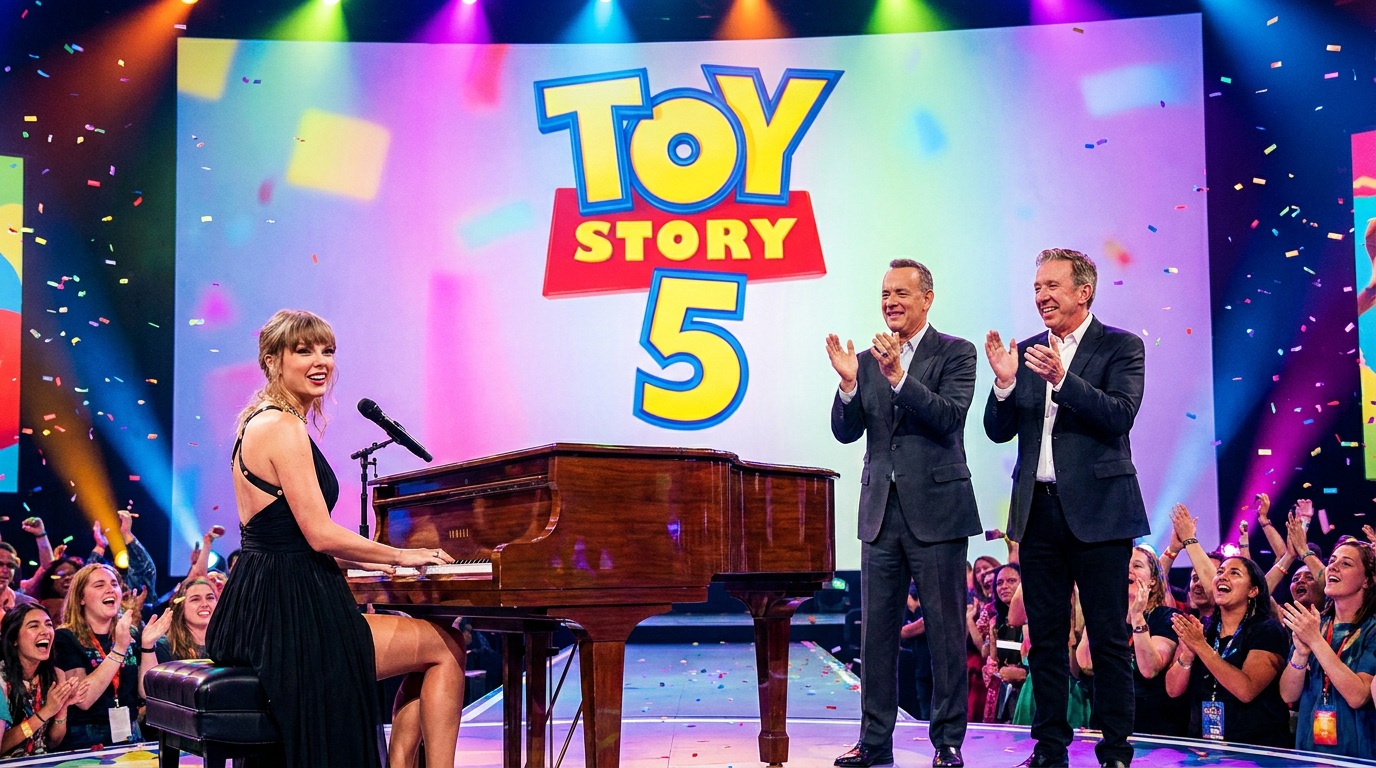
'Toy Story 5' Premieres to Critical Acclaim as Pixar Tackles the Screen-Time Era
0 sources

Toy Story 5
Toy Story 5 Premieres With Taylor Swift Original Song, Tackling the Modern Dilemma of Screen Time
0 sources
Awards History
The EGOT Explained: How Entertainment's Ultimate Crown is Actually Won
0 sources

Game Accessibility
Gaming Giants Unite to Launch Universal Accessibility Standard Across All Consoles
0 sources

Every angle. Every day.
Get entertainment stories with full source coverage and perspective breakdowns delivered to your inbox.