
The Great Streaming Rebundle: How 2026 Became the Year of Massive Subscription Savings
Major streaming platforms and internet providers are aggressively rolling out mega-bundles in 2026, offering consumers up to 45% off their monthly entertainment bills.
By Factlen Editorial Team

- Budget-Conscious Consumers
- Focuses on the relief of lower monthly bills, the end of subscription fatigue, and the value of rotating services.
- Streaming Platforms
- Views bundling as a necessary strategy to reduce subscriber churn and stabilize monthly recurring revenue.
- Telecom & Broadband Providers
- Sees streaming bundles as a powerful perk to attract and retain core internet and mobile customers.
What's not represented
- · Independent Content Creators
Why this matters
After years of price hikes and frustrating fragmentation, the streaming industry is finally making it easier and cheaper to watch your favorite shows by recreating the convenience of the cable bundle for the digital age.
Key points
- Telecom providers and media giants are partnering to offer streaming bundles that save consumers up to 45%.
- Comcast's expanded StreamSaver now allows users to combine Peacock, Netflix, Apple TV, Disney+, Hulu, and HBO Max on a single bill.
- The Disney+, Hulu, and Max bundle continues to offer nearly 40% savings compared to standalone subscriptions.
- Financial experts recommend 'subscription rotation'—subscribing to one service at a time—to cut annual costs by over 50%.
After half a decade of relentless price hikes, password-sharing crackdowns, and frustrating platform fragmentation, the entertainment industry has officially entered the era of the "Great Rebundle" in 2026. Consumers who once had to juggle half a dozen separate subscriptions and user interfaces are finally seeing significant financial relief. Major media conglomerates and telecom providers have realized that the endless proliferation of standalone apps is unsustainable, prompting them to team up and offer steep discounts. By recreating the convenience of the traditional cable television package—but with the modern flexibility of on-demand, ad-supported, and ad-free tiers—the industry is actively lowering the barrier to entry for budget-conscious households.[1][2]
The most significant recent catalyst for this shift came from Comcast's Xfinity, which massively expanded its "StreamSaver" marketplace to encompass the biggest names in the business. Originally launched as a modest package featuring Peacock, Netflix, and Apple TV, the bundle was recently upgraded to include Disney+, Hulu, and HBO Max. This unprecedented level of cross-company cooperation allows Xfinity television and internet customers to manage their entire entertainment portfolio through a single, centralized monthly bill, eliminating the headache of tracking multiple renewal dates and separate credit card charges.[2][6]
The financial math of the Xfinity expansion is highly compelling for the average viewer. Customers can mix and match up to five major streaming applications, unlocking savings of up to 45 percent compared to purchasing each service individually on the open market. For example, a comprehensive package combining Peacock, Netflix, Apple TV, Disney+, Hulu, and HBO Max tops out at roughly $35 a month. In an era where a single premium, ad-free subscription can easily cost over $20 a month, the ability to access six massive content libraries for less than double that price represents a major victory for consumer wallets.[2][6]

This aggressive bundling strategy follows the highly successful rollout of the joint Disney+, Hulu, and Max package, which brought fierce rivals Disney and Warner Bros. Discovery into a mutually beneficial alliance. That specific package currently costs subscribers $16.99 per month for the ad-supported tier, or $29.99 for the premium ad-free experience. Industry analysts note that this specific combination offers a nearly 40 percent discount compared to standalone pricing, providing families with a seamless blend of Marvel blockbusters, prestige HBO dramas, and extensive reality television programming without breaking the bank.[1][3]
Beyond the media companies themselves, telecom and broadband providers are utilizing streaming perks as their primary weapon to attract and retain long-term mobile and home internet customers. Verizon, for instance, offers a combined Netflix and Max ad-supported tier as an add-on for just $10 a month, saving users roughly $7 monthly. T-Mobile continues to bake services like Netflix and Apple TV+ directly into its premium wireless plans at no additional out-of-pocket cost. These carrier-subsidized deals effectively turn internet providers into the new digital cable boxes, centralizing access while subsidizing the cost for the end user.[3][5]
Verizon, for instance, offers a combined Netflix and Max ad-supported tier as an add-on for just $10 a month, saving users roughly $7 monthly.
Industry analysts point out that this massive shift toward bundling is driven by a mutual, urgent need: consumers are entirely exhausted by subscription fatigue, and streaming platforms are desperate to reduce "churn." Churn—the rate at which users cancel a service immediately after finishing a specific highly anticipated show—has plagued the financial models of standalone apps. By locking users into discounted, multi-service bundles, platforms willingly sacrifice a small portion of their per-user revenue in exchange for long-term subscriber stability and predictable monthly cash flow.[4][5]
The strategy fundamentally alters the economics of streaming for both the provider and the viewer. It is a digital recreation of the traditional cable television model, ensuring that even when a user isn't actively watching a specific platform, they remain subscribed because the overall bundle is too valuable to cancel. However, unlike the rigid cable contracts of the past, these modern streaming bundles do not require hardware rentals, installation fees, or long-term binding contracts, allowing consumers to maintain a degree of flexibility that legacy television never offered.[2][4]
For households looking to maximize their savings even further, financial experts are aggressively recommending that consumers conduct a routine "subscription audit." Data indicates that the average American household currently spends roughly $672 a year on streaming alone, often paying for background services they rarely watch. By taking fifteen minutes to identify duplicate coverage, leverage existing wireless carrier perks, and consolidate remaining standalone apps into official bundles, families are instantly recovering hundreds of dollars annually that can be redirected toward other household expenses.[5]

Beyond official bundling, a growing number of highly budget-conscious viewers are adopting a disciplined "rotation strategy" to defeat rising costs. Rather than maintaining six or seven subscriptions year-round, these users subscribe to just one or two services at a time. They spend four to six weeks binge-watching the desired content on that specific platform, cancel the subscription, and then rotate to a competitor for the following month. Financial bloggers note that this active management approach can slash a household's annual entertainment bill by more than 50 percent, bringing total yearly costs down to roughly $150.[4][5]
As 2026 progresses, the streaming landscape is expected to see even more consolidation and creative packaging. With platforms finally prioritizing user retention and stable advertising audiences over sheer, unsustainable subscriber growth, the era of paying full premium prices for every individual application appears to be coming to a welcome end. For the first time in years, the momentum has shifted back in favor of the consumer, proving that when the streaming wars reach a stalemate, the viewers are the ultimate winners.[1][4]

How we got here
Late 2023 - Early 2024
Streaming services implement widespread price hikes and crackdowns on password sharing, frustrating consumers.
Summer 2024
Disney and Warner Bros. Discovery launch the first major cross-company bundle combining Disney+, Hulu, and Max.
April 2026
Comcast drastically expands its Xfinity StreamSaver bundle to include six major platforms, offering up to 45% savings.
Viewpoints in depth
Budget-Conscious Consumers
Focuses on the relief of lower monthly bills and the end of subscription fatigue.
For everyday viewers, the rebundling of streaming services is a long-overdue correction to a fragmented market. Consumers have grown tired of tracking multiple billing cycles, navigating different user interfaces, and paying over $100 a month just to keep up with pop culture. By utilizing official bundles or adopting a strict 'rotation strategy'—where they subscribe to only one service per month—budget-conscious households are successfully reclaiming hundreds of dollars a year without sacrificing access to premium entertainment.
Streaming Platforms
Views bundling as a necessary strategy to reduce subscriber churn and stabilize revenue.
From the perspective of media conglomerates, the era of chasing endless subscriber growth at any cost is over. The new mandate from Wall Street is profitability and retention. Platforms have realized that users are highly prone to 'churn'—canceling a service the moment they finish a hit show. By partnering with rivals to offer discounted bundles, streaming companies accept a slightly lower revenue per user in exchange for locking that user in long-term, ensuring a predictable, stable cash flow that satisfies investors.
Telecom & Broadband Providers
Sees streaming bundles as a powerful perk to attract and retain core internet and mobile customers.
Telecom giants like Comcast, Verizon, and T-Mobile are positioning themselves as the indispensable middlemen of the digital age. By acting as the central aggregation hub for streaming apps, these companies are effectively recreating the 'cable box' model. Offering heavily discounted streaming perks makes their core products—home internet and wireless mobile plans—much stickier. A customer is far less likely to switch their internet provider if doing so means losing their 45% discount on Netflix, Disney+, and HBO Max.
What we don't know
- Whether these heavily discounted bundle prices will remain permanent or if they are introductory rates designed to lock users in before future hikes.
- How the shift toward bundled, ad-supported viewing will ultimately impact the budgets for high-end prestige television production.
Key terms
- Churn
- The rate at which customers cancel their subscriptions, a major metric streaming platforms try to minimize through bundling.
- Ad-Supported Tier
- A lower-cost subscription plan that includes commercial breaks during shows and movies, often used as the base for bundle deals.
- Subscription Fatigue
- Consumer frustration caused by having to manage, navigate, and pay for too many separate streaming services.
Frequently asked
What is the cheapest way to get Disney+, Hulu, and Max?
The official bundle from Disney and Warner Bros. Discovery costs $16.99 per month with ads, saving subscribers nearly 40% compared to buying them separately.
Do these streaming bundles include ad-free options?
Yes, most bundles offer both ad-supported and premium ad-free tiers, though the deepest percentage discounts are usually found on the ad-supported plans.
Can I get streaming deals through my phone provider?
Yes, carriers like Verizon and T-Mobile offer significant streaming perks, such as Verizon's $10/month Netflix and Max combo or T-Mobile's included Apple TV+.
Sources
Source coverage
6 outlets
3 viewpoints surfaced






[1]IGNStreaming Platforms
The Best Streaming Bundles to Combine Services in 2026
Read on IGN →[2]TheWrapTelecom & Broadband Providers
Comcast's Xfinity Adds Disney+, Hulu and HBO Max to StreamSaver Bundles
Read on TheWrap →[3]Business InsiderStreaming Platforms
Best Streaming Deals and Bundles (2026)
Read on Business Insider →[4]TechRadarBudget-Conscious Consumers
I'm slashing my streaming bills by 56% in 2026 – here's my five-step masterplan
Read on TechRadar →[5]LowerMySubs BlogBudget-Conscious Consumers
Cheapest Streaming Bundles 2026: Get 6 Services for $15-30/mo
Read on LowerMySubs Blog →[6]Comcast CorporationTelecom & Broadband Providers
Xfinity Launches the Largest Marketplace for Premium Streaming Bundles Featuring Peacock, Netflix, Apple TV, The Disney+, Hulu Bundle and HBO Max
Read on Comcast Corporation →

More in entertainment
See all 6 stories →Pixar Animation
'Toy Story 5' Premieres to Critical Acclaim as Pixar Tackles the Screen-Time Era
0 sources

Toy Story 5
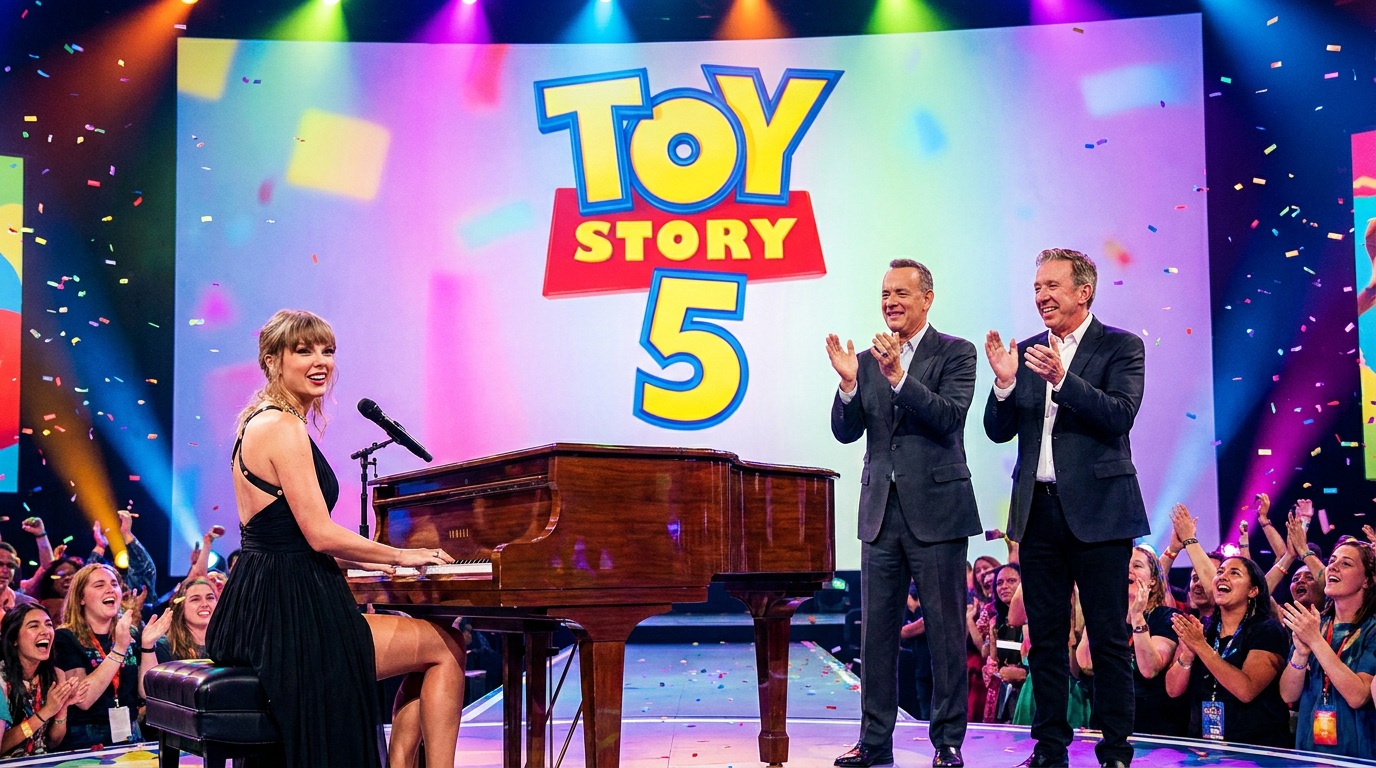
Toy Story 5 Premieres With Taylor Swift Original Song, Tackling the Modern Dilemma of Screen Time
0 sources
Awards History
The EGOT Explained: How Entertainment's Ultimate Crown is Actually Won
0 sources

Game Accessibility
Gaming Giants Unite to Launch Universal Accessibility Standard Across All Consoles
0 sources

Every angle. Every day.
Get entertainment stories with full source coverage and perspective breakdowns delivered to your inbox.