
The Fraud Trade-Off: How Mars Petcare's Pedigree Recall Exposes Supply Chain Failure After 'Destruction' Product Was Sold
Mars Petcare recalled over 185,000 cans of dog food after defective products sent for destruction were fraudulently diverted to retail shelves. The incident highlights the critical trade-offs between outsourced disposal and witnessed destruction in the consumer supply chain.

On July 2, 2026, Mars Petcare US initiated a voluntary recall of 185,184 cans of Pedigree High Protein Chopped Chicken & Duck Flavor wet dog food. The recall, coordinated with the U.S. Food and Drug Administration, was triggered by the potential presence of sharp metal and plastic fragments inside the 13.2-ounce cans. While pet food recalls occur periodically across the industry, the mechanism behind this specific incident has drawn intense scrutiny from supply chain analysts and consumer protection advocates alike.[1][4]
This was not a standard case of a manufacturing error slipping past quality control and being shipped directly to retailers. According to Mars Petcare, the company’s internal safety systems functioned exactly as designed. The two specific lots—identified by codes 613C3KKCFC and 613C1KKCFC—failed the brand's stringent quality checks at the facility. Recognizing the hazard, Mars Petcare segregated the contaminated batch and sent it to a third-party vendor with explicit instructions for destruction.[2][3]
However, the destruction never occurred. Instead, the FDA and Mars Petcare discovered that the hazardous product had been fraudulently diverted by actors within the disposal supply chain and sold into the United States retail marketplace through unauthorized channels. This diversion transformed a successfully contained manufacturing defect into a nationwide safety hazard, forcing a public recall to retrieve the dangerous cans from consumers' pantries.[1]
The Pedigree incident exposes a critical vulnerability in the modern consumer goods ecosystem: the complex trade-off between outsourced disposal and in-house product destruction. When manufacturers detect a contaminated or defective batch, they face a high-stakes logistical choice. By comparing the two primary methods used to handle rejected inventory, the structural risks of the global supply chain become clear.[3][5]
The first and most common approach is Third-Party Disposal. The argument for this method centers heavily on cost efficiency, environmental compliance, and operational scale. Specialized waste management vendors possess the industrial infrastructure required to handle massive volumes of rejected product. They can efficiently separate aluminum cans from organic matter, recycling the packaging and composting or rendering the food waste to comply with strict landfill diversion regulations.[3]
The evidence supporting Third-Party Disposal shows that it significantly reduces a manufacturer's waste management overhead. By outsourcing the destruction process, consumer brands avoid the capital expenditure of building and maintaining industrial incinerators or shredders on their own premises. It allows food producers to focus entirely on manufacturing, leaving the complex logistics of environmental compliance to specialized partners.[3]
However, the argument against Third-Party Disposal is the inherent loss of direct chain-of-custody. Once the pallets of defective goods are loaded onto a vendor's truck and leave the manufacturer's facility, the brand relies entirely on the vendor's integrity, security protocols, and employee vetting. The manufacturer is essentially trading absolute control for logistical convenience, trusting a piece of paper—a certificate of destruction—as proof that the hazard has been neutralized.[3]
The evidence against this outsourced approach is starkly illustrated by the Mars Petcare recall. A breakdown in the third-party vendor's system allowed nearly two hundred thousand hazardous cans to be diverted into the gray market. Because the product was fully packaged and visually indistinguishable from safe inventory, it held significant resale value for bad actors willing to ignore the destruction order and sell the goods to discount retailers or online liquidators.[2][4]
The second approach is In-House or Witnessed Destruction. The argument for this method is absolute security and the total elimination of brand risk. Under this protocol, defective products are either destroyed on the manufacturer's own premises using dedicated equipment, or they are transported to a disposal site under the continuous, physical supervision of brand representatives who watch the product enter the shredder or incinerator.[3]
The evidence for witnessed destruction is its near-perfect success rate in preventing gray-market diversion. By maintaining an unbroken chain of custody until the product is physically rendered unusable, manufacturers guarantee that a contaminated batch will never reach a retail shelf. This absolute certainty protects both the physical safety of the consumer and the financial reputation of the brand.[3]
The argument against In-House or Witnessed Destruction is its prohibitive cost and logistical friction. Maintaining dedicated destruction equipment dramatically increases the cost of goods sold. Alternatively, paying for independent security auditors to physically escort and witness the destruction of every defective pallet at a third-party site introduces massive delays and labor costs into the reverse logistics chain.[3]
Furthermore, the evidence shows that witnessed destruction often conflicts with corporate sustainability goals. To guarantee that a product cannot be resold, companies utilizing this method frequently rely on mass incineration. This approach generates higher carbon emissions and wastes recyclable packaging materials, putting brands at odds with their own climate pledges and local environmental regulations.[3]
Manufacturers must weigh these trade-offs carefully on a case-by-case basis. The financial and environmental savings of outsourced disposal must be balanced against the catastrophic liability of a hazardous product reaching the public. Supply chain analysts argue that the industry can no longer afford a one-size-fits-all approach to product destruction.[3]
Third-Party Disposal fits well when the product defect is purely cosmetic or administrative. If a batch of dog food features a misprinted label, a dented can, or a slight deviation in color that poses zero health risk, outsourcing the disposal is the logical choice. In these scenarios, the primary concern is merely brand presentation, and the consequences of gray-market diversion, while financially annoying, do not threaten public safety.[3]
It does not fit when the product contains physical, chemical, or biological hazards. If a batch is contaminated with sharp metal, plastic fragments, or dangerous pathogens, the risk of diversion is simply too severe to outsource without strict, continuous oversight. The Pedigree incident demonstrates that relying on trust and standard vendor contracts is insufficient when dealing with dangerous goods.[2]
Conversely, In-House or Witnessed Destruction fits well when dealing with severe health hazards. The high cost of supervised destruction is negligible compared to the legal liability, regulatory scrutiny, and public relations damage of a safety recall. When consumer safety is on the line, the absolute security of witnessed destruction justifies the logistical expense.[3]
It does not fit when dealing with massive volumes of safe, expired goods where the environmental impact of incineration would violate local regulations. For routine waste management of non-hazardous materials, the rigid protocols of witnessed destruction create unnecessary bottlenecks that hinder efficient recycling and composting efforts.[3]
Ultimately, the Pedigree recall serves as a costly reminder to the entire consumer goods industry that a product is not truly disposed of until its destruction is verified. As brands move forward, many are beginning to demand GPS tracking on waste pallets and continuous video verification to close the loop on outsourced disposal, attempting to bridge the gap between efficiency and security.[3]
Key points
- Mars Petcare recalled 185,184 cans of Pedigree dog food due to potential metal and plastic contamination.
- The defective cans were originally intercepted by internal quality checks and sent to a third-party vendor for destruction.
- The product was fraudulently diverted by actors in the disposal supply chain and sold into the US retail market.
- The incident exposes the trade-off between cost-effective outsourced disposal and the absolute security of in-house destruction.
What we don’t know
- The specific identity of the third-party disposal vendor involved in the fraudulent diversion.
- Exactly how long the diverted product circulated in the gray market before Mars Petcare discovered the fraud.
- Whether federal authorities will pursue criminal charges against the individuals responsible for reselling the hazardous goods.
How we got here
Pre-July 2026
Two lots of Pedigree canned dog food fail internal quality checks due to potential metal and plastic contamination.
Pre-July 2026
Mars Petcare sends the defective lots to a third-party vendor for destruction.
July 2026
Mars discovers the product was not destroyed and was instead fraudulently diverted into the US retail market.
July 2, 2026
Mars Petcare and the FDA announce a voluntary recall of 185,184 cans to retrieve the hazardous product.
- Brand Manufacturers
- Argue that third-party vendors must be held strictly liable for supply chain security and fraudulent diversion.
- Consumer Protection Advocates
- Emphasize that companies bear ultimate responsibility for their products until verified destruction, regardless of vendor agreements.
- Supply Chain Analysts
- Focus on the logistical trade-offs between cost-effective outsourced disposal and the absolute security of witnessed destruction.
Perspectives this story doesn't cover
- Third-party waste management and disposal vendors
- Retailers who unknowingly purchased the diverted product
Sources
Source coverage
5 outlets
3 viewpoints surfaced





- [1]PedigreeBrand Manufacturers
Update | PEDIGREE® Voluntary Recall
Read on Pedigree → - [2]DVM360Supply Chain Analysts
Mars Petcare recalls Pedigree dog food over metal, plastic fragments
Read on DVM360 → - [3]Petfood IndustrySupply Chain Analysts
Mars Petcare recalls Pedigree canned dog food after fraudulent diversion
Read on Petfood Industry → - [4]Top Class ActionsConsumer Protection Advocates
Mars Petcare recalls Pedigree dog food due to foreign materials in fraudulent resales
Read on Top Class Actions → - [5]Houston ChronicleSupply Chain Analysts
Product recall: Pedigree dog food recalled over possible metal, plastic fragments
Read on Houston Chronicle →

More in Shopping & Reviews
See all →Supply Chain Fraud
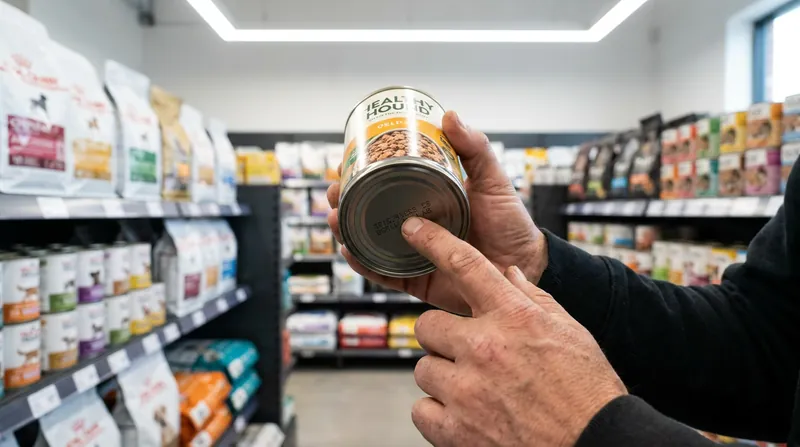
The Destruction Diversion: Comparing Authorized Pet Food Retailers vs. Discount Liquidators After the Pedigree Fraud
4 sources
Pet Food Regulation
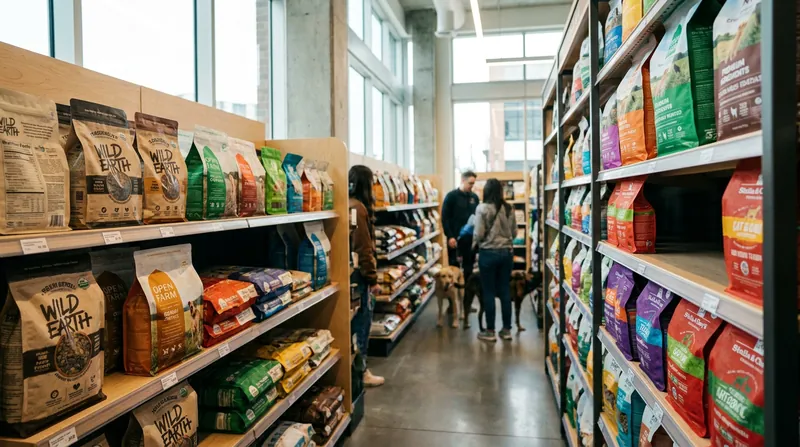
The Regulatory Trade-Off: How the PURR Act's Federal Preemption Will Reshape Pet Food Ingredient Approval and State Oversight
5 sources
Litter Materials
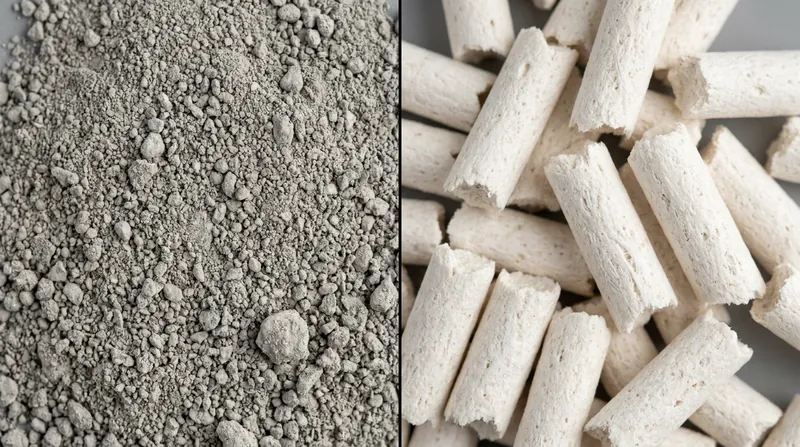
Tofu vs. Clay Cat Litter: The 2026 Trade-Off Analysis
2 sources
Canine Safety
Fi Series 3 vs. Tractive: Comparing the Top GPS Dog Collars of 2026
2 sources

Comments
Every angle. Every day.
Get Shopping & Reviews stories with full source coverage and perspective breakdowns, free every day.