
The Evidence Pack: How Personalized mRNA Vaccines Are Rewriting the Rules of Cancer Treatment
Following the global validation of mRNA technology, customized therapeutic vaccines are showing unprecedented clinical results in preventing the recurrence of melanoma and pancreatic cancer.
By Factlen Editorial Team
- Clinical Oncologists
- Focus on the unprecedented survival benefits and the powerful synergy between mRNA vaccines and existing checkpoint inhibitors.
- Immunologists
- Emphasize the precision of neoantigen targeting and the ability of mRNA to generate robust, specific T-cell responses.
- Health Economists
- Raise concerns about the scalability, manufacturing bottlenecks, and high costs of producing bespoke, individualized therapies.
What's not represented
- · Patients awaiting trial access
- · Insurance providers evaluating coverage
Why this matters
For decades, advanced solid tumors like melanoma and pancreatic cancer have carried grim prognoses due to high recurrence rates. Personalized mRNA vaccines represent a fundamental paradigm shift, offering a highly targeted, well-tolerated therapy that trains the patient's own immune system to hunt down residual disease.
Key points
- Personalized mRNA vaccines are therapeutic, designed to treat existing cancer rather than prevent it.
- The vaccines target neoantigens, which are unique mutated proteins found only on a patient's tumor cells.
- In melanoma trials, the vaccine combined with immunotherapy reduced the risk of recurrence by 44%.
- In pancreatic cancer, 50% of patients mounted a strong immune response, leading to longer cancer-free survival.
- The bespoke manufacturing process currently takes weeks, posing a challenge for rapid deployment.
For decades, the concept of a "cancer vaccine" was one of oncology's most frustrating mirages. The premise was elegant: teach the patient's own immune system to recognize and destroy malignant cells. Yet, trial after trial failed to deliver meaningful clinical results, largely because tumors are adept at camouflaging themselves as healthy tissue.[1][6]
The landscape shifted dramatically with the maturation of messenger RNA (mRNA) technology. While the global public was introduced to mRNA through prophylactic COVID-19 vaccines, the platform was originally pioneered for oncology. Now, a wave of late-stage clinical data is confirming that therapeutic mRNA cancer vaccines are not just viable—they are fundamentally altering survival curves for some of the deadliest malignancies.[2][6]
Unlike preventative vaccines, which train the immune system against a foreign pathogen before exposure, these mRNA cancer vaccines are therapeutic. They are administered after a patient has been diagnosed and, typically, after the primary tumor has been surgically removed.[1]
The goal is to hunt down microscopic residual disease and prevent recurrence. To do this, the vaccines target "neoantigens"—abnormal proteins generated by the specific genetic mutations within a patient's tumor. Because these neoantigens are entirely absent from healthy tissue, they serve as highly specific molecular bullseyes.[3][4]

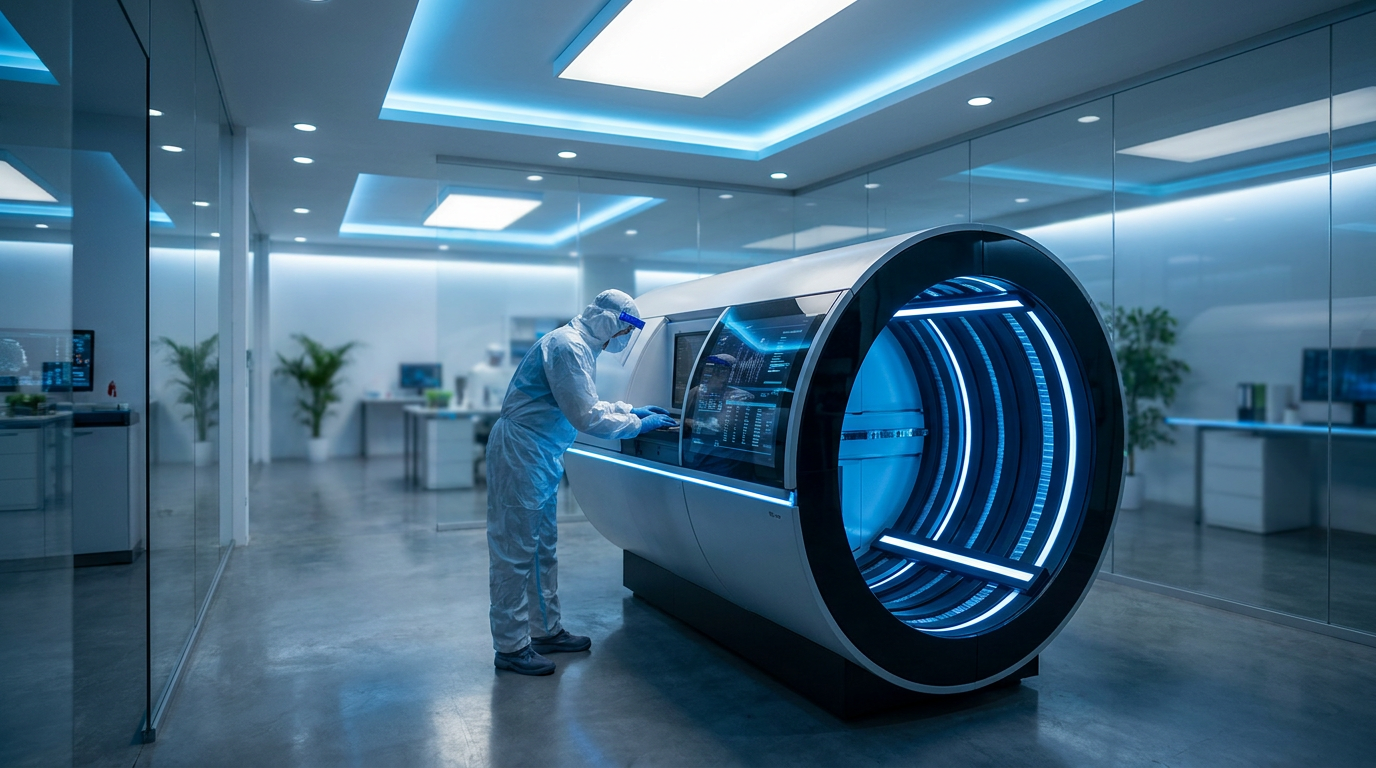
The manufacturing process begins with a biopsy of the patient's tumor and a sample of their healthy blood. Next-generation sequencing is used to compare the two, identifying the unique mutations driving the malignancy.[1]
Advanced artificial intelligence algorithms then analyze these mutations to predict which neoantigens are most likely to bind to T-cell receptors and trigger a robust immune response. The top candidates—often up to 34 distinct neoantigens—are selected for the custom vaccine.[3][5]
Scientists then synthesize a bespoke mRNA strand encoding these specific neoantigens. This genetic instruction manual is encapsulated in a lipid nanoparticle (LNP) to protect it from degradation and facilitate its entry into the patient's cells.[2]
Once injected, the LNPs are taken up by antigen-presenting cells, primarily dendritic cells. The cellular machinery reads the mRNA and translates it into the neoantigen proteins. These proteins are then displayed on the cell surface, effectively showing the immune system exactly what the enemy looks like.[2][5]
Once injected, the LNPs are taken up by antigen-presenting cells, primarily dendritic cells.
This presentation activates CD8+ cytotoxic T-cells, which multiply and patrol the body, seeking out and destroying any remaining cancer cells bearing those specific markers.[2]
The clinical evidence supporting this mechanism has moved from theoretical to highly compelling. The strongest signal to date comes from the KEYNOTE-942 trial, which evaluated Moderna's personalized mRNA-4157 vaccine in patients with high-risk, completely resected stage III or IV melanoma.[3][5]
Patients receiving the custom mRNA vaccine in combination with the immune checkpoint inhibitor pembrolizumab saw a 44% reduction in the risk of recurrence or death compared to those receiving pembrolizumab alone. Furthermore, the combination reduced the risk of distant metastasis by an astonishing 62%.[3][5]

Similar breakthroughs are emerging in pancreatic ductal adenocarcinoma (PDAC), a notoriously lethal cancer with a five-year survival rate in the single digits and a profound resistance to traditional immunotherapy.[4]
In a landmark trial of BioNTech's autogene cevumeran (BNT122), 50% of patients with resected pancreatic cancer mounted a massive, neoantigen-specific T-cell response after receiving the personalized mRNA vaccine. Those who responded showed significantly longer recurrence-free survival, remaining cancer-free at the 36-month follow-up.[4][6]
A critical finding across these trials is the synergy between mRNA vaccines and immune checkpoint inhibitors. Tumors often employ molecular "brakes" to evade immune detection. Checkpoint inhibitors release these brakes, but they only work if the immune system already recognizes the tumor.[5]
The mRNA vaccine solves this by aggressively educating the T-cells, while the checkpoint inhibitor ensures those T-cells aren't suppressed when they reach the tumor microenvironment. This one-two punch is proving far more effective than either therapy alone.[3][5]

Despite the unprecedented efficacy, significant hurdles remain. The manufacturing process is highly complex. Creating a bespoke, clinical-grade vaccine for every individual patient currently takes several weeks, though companies are racing to compress this timeline to under ten days.[1][6]
There are also questions about the therapy's effectiveness in "cold" tumors with low mutational burdens, and whether the immune memory generated by the vaccines will persist for decades.[5]
How we got here
1995
The first successful demonstration of an mRNA cancer vaccine is achieved in mice models.
2020
The rapid development of COVID-19 vaccines globally validates the safety and efficacy of the mRNA-LNP platform.
2023
The KEYNOTE-942 trial demonstrates that a personalized mRNA vaccine significantly reduces melanoma recurrence.
2025
Long-term follow-up data confirms durable, multi-year immune responses in both melanoma and pancreatic cancer cohorts.
Viewpoints in depth
Clinical Oncologists
Focus on the unprecedented survival benefits and the powerful synergy between mRNA vaccines and existing checkpoint inhibitors.
For clinical oncologists, the excitement surrounding mRNA vaccines stems from their ability to turn 'cold' tumors 'hot.' Many patients do not respond to standard immune checkpoint inhibitors because their immune systems simply do not recognize the tumor as a threat. By forcefully educating T-cells to recognize up to 34 specific tumor mutations, the mRNA vaccine acts as the ignition, while the checkpoint inhibitor acts as the fuel. This synergistic effect is yielding survival curves in melanoma and pancreatic cancer that were considered impossible a decade ago.
Immunologists
Emphasize the precision of neoantigen targeting and the ability of mRNA to generate robust, specific T-cell responses.
From an immunological perspective, the breakthrough is the platform's sheer precision. Traditional chemotherapy is a blunt instrument that damages healthy dividing cells alongside malignant ones. Personalized mRNA vaccines, however, target neoantigens—proteins that exist exclusively on the tumor. Immunologists highlight that this highly specific targeting not only maximizes the lethality of the CD8+ T-cell response against the cancer but also minimizes collateral damage to healthy tissue, fundamentally changing the toxicity profile of cancer treatment.
Health Economists
Raise concerns about the scalability, manufacturing bottlenecks, and high costs of producing bespoke, individualized therapies.
While the clinical data is overwhelmingly positive, health economists warn of a looming access crisis. Unlike off-the-shelf drugs, personalized mRNA vaccines require a bespoke manufacturing run for every single patient—involving genomic sequencing, AI analysis, and custom synthesis. This individualized supply chain is currently slow and incredibly expensive. Economists argue that unless the manufacturing timeline can be compressed to days and the costs drastically reduced, these life-saving therapies may remain accessible only to a privileged fraction of the global patient population.
What we don't know
- Whether the immune memory generated by the vaccines will persist for decades or require booster shots.
- If the technology can be successfully adapted for 'cold' tumors with very low mutational burdens, such as prostate cancer.
- How healthcare systems will manage the immense cost of bespoke, individualized manufacturing at a global scale.
Key terms
- Neoantigen
- An abnormal protein produced by cancer cells due to genetic mutations, which is entirely absent from healthy cells.
- Messenger RNA (mRNA)
- A single-stranded molecule that carries genetic instructions from DNA to the cell's protein-making machinery.
- Lipid Nanoparticle (LNP)
- A microscopic fat bubble used to protect fragile mRNA molecules and deliver them safely into human cells.
- Checkpoint Inhibitor
- A type of immunotherapy drug that blocks proteins used by cancer cells to hide from the immune system, effectively releasing the 'brakes' on T-cells.
- Dendritic Cell
- A specialized immune cell that processes foreign material and presents it on its surface to educate and activate T-cells.
Frequently asked
Are these vaccines preventative like the HPV vaccine?
No. They are therapeutic vaccines, meaning they are administered after a patient has already been diagnosed and treated for cancer, in order to prevent the disease from returning.
How long does it take to make a personalized vaccine?
Currently, the process of sequencing the tumor, identifying neoantigens, and synthesizing the custom mRNA takes several weeks, though manufacturers are working to reduce this to under 10 days.
What are the side effects?
The vaccines themselves are generally well-tolerated, causing mild flu-like symptoms and injection site reactions. However, because they are often paired with powerful immune checkpoint inhibitors, patients can experience broader immune-related side effects.
Which cancers are being targeted?
The strongest clinical data currently exists for melanoma and pancreatic cancer, but trials are rapidly expanding to include non-small cell lung cancer, colorectal cancer, and head and neck cancers.
Sources
Source coverage
6 outlets
3 viewpoints surfaced






[1]National Cancer InstituteHealth Economists
Can mRNA Vaccines Help Treat Cancer?
Read on National Cancer Institute →[2]Frontiers in ImmunologyImmunologists
mRNA vaccine as a therapeutic tool for cancer immunotherapy
Read on Frontiers in Immunology →[3]New England Journal of MedicineClinical Oncologists
Personalized neoantigen vaccine mRNA-4157 and pembrolizumab in resected melanoma
Read on New England Journal of Medicine →[4]Nature MedicineClinical Oncologists
Personalized RNA neoantigen vaccines stimulate T cells in pancreatic cancer
Read on Nature Medicine →[5]CancersImmunologists
mRNA Vaccines in Cancer Immunotherapy: Recent Advances and Clinical Translation
Read on Cancers →[6]Factlen Editorial TeamHealth Economists
Synthesis by Factlen editorial team
Read on Factlen Editorial Team →
More in science
See all 5 stories →Gamma Brainwaves
The Evidence Pack: Can 40Hz Light and Sound Therapy Protect the Aging Brain?
7 sources
Lyme Disease
The Evidence Pack: The First Lyme Disease Vaccines in 24 Years Are Nearing Approval
6 sources

Glacial Retreat
The Evidence Pack: The 2026 Thwaites Glacier Assessment and the Revised Timeline for Sea-Level Rise
6 sources

Every angle. Every day.
Get science stories with full source coverage and perspective breakdowns delivered to your inbox.