
The Brain's Nightly Wash Cycle: How Deep Sleep Clears Toxic Waste
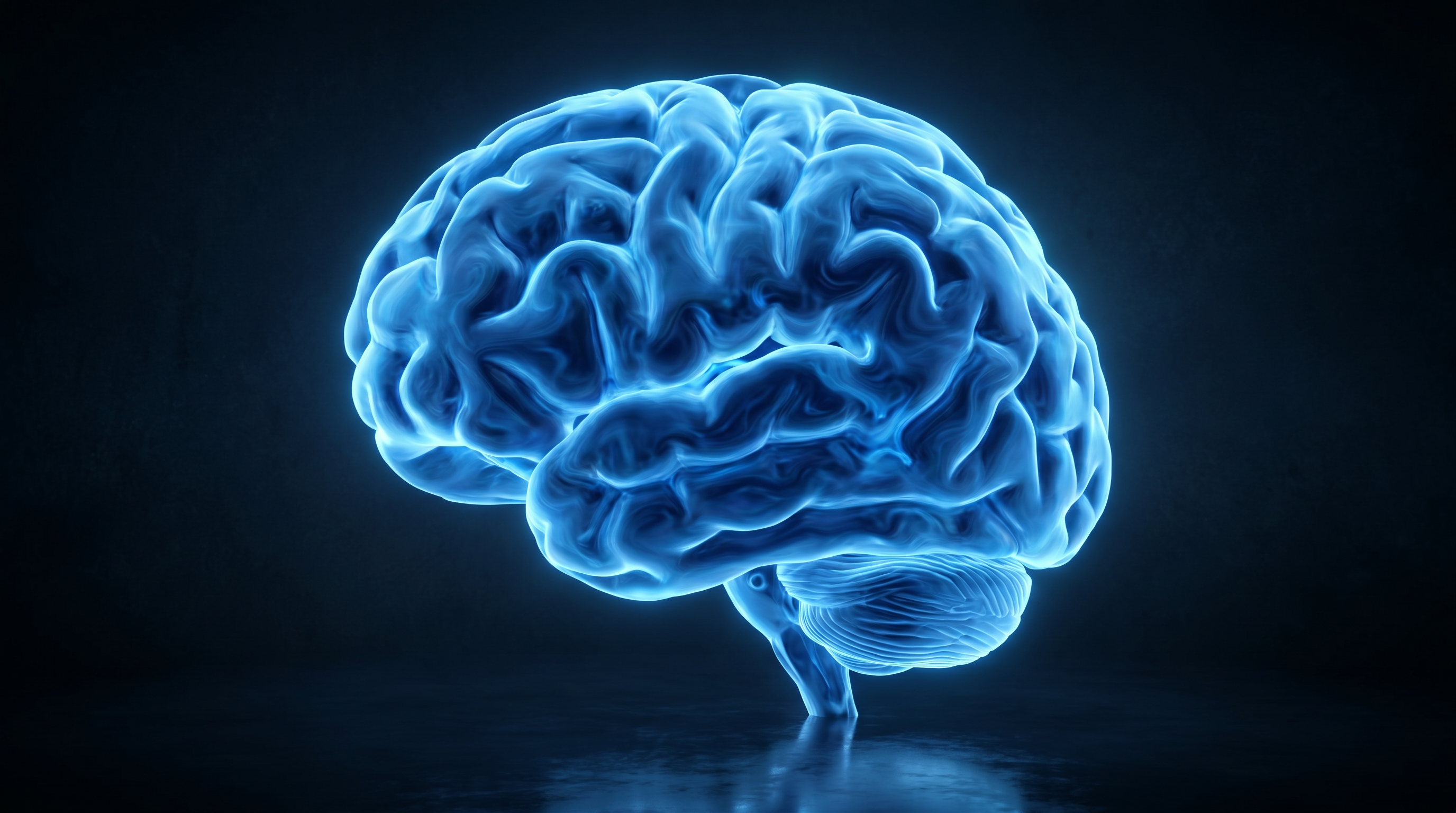
During deep sleep, the brain activates a specialized plumbing network called the glymphatic system to flush out metabolic waste linked to Alzheimer's. Recent discoveries reveal exactly how synchronized brain waves pump cleaning fluid through our neural tissue.
By Factlen Editorial Team
- Neuroscientists & Sleep Researchers
- Focus on the mechanical discoveries of cerebrospinal fluid flow and how neurons act as physical pumps.
- Public Health Advocates
- Emphasize sleep as a critical, non-negotiable pillar of dementia prevention and overall cognitive health.
- Longevity & Optimization Enthusiasts
- Focus on actionable interventions, from sleep hygiene to specific postures, to maximize brain clearance.
What's not represented
- · Shift workers who cannot maintain consistent sleep schedules
- · Patients currently living with neurodegenerative diseases
Why this matters
Understanding how the brain cleans itself transforms sleep from a passive luxury into an active, non-negotiable pillar of long-term health. By prioritizing deep sleep, you are actively washing away the toxic proteins that contribute to cognitive decline and Alzheimer's disease.
Key points
- The glymphatic system is a specialized network that clears metabolic waste from the brain.
- This cleaning process is highly active during slow-wave (deep) sleep.
- Synchronized brain waves physically pump cerebrospinal fluid through neural tissue.
- The system washes away toxic proteins, including beta-amyloid, which is linked to Alzheimer's.
- Consistent sleep schedules and daytime exercise can help optimize this nightly brainwashing cycle.
To the outside observer, sleep looks like a state of profound passivity. The body goes limp, the eyes close, and consciousness fades. But beneath the skull, the sleeping brain is anything but dormant. It is embarking on a highly active, energy-intensive biological process that scientists are only just beginning to fully map.[1]
For decades, researchers knew that sleep was restorative, but the exact mechanical reason remained elusive. That changed with the discovery of the glymphatic system—a specialized plumbing network unique to the central nervous system. Much like the lymphatic system clears waste from the rest of the body, the glymphatic system is the brain's dedicated waste disposal mechanism.[4][5]
This internal cleaning crew does not work around the clock. It is largely inactive during waking hours, when the brain is busy processing information, making decisions, and responding to stimuli. The glymphatic system only shifts into high gear during a specific phase of the night: slow-wave sleep, commonly known as deep sleep.[4][7]
When a person enters deep sleep, the physical architecture of the brain actually changes. The interstitial space—the microscopic gaps between brain cells—expands by up to 60 percent. This dramatic cellular shrinkage opens up the brain's internal pathways, creating room for cerebrospinal fluid (CSF) to flow freely through the dense neural tissue.[4][7]
The mechanics of this fluid flow are mesmerizing. In 2019, researchers at Boston University observed the sleeping human brain in an MRI scanner and witnessed a spectacular sequence of events. Every 20 seconds, a slow electrical wave sweeps across the brain. Immediately after, the volume of blood in the brain drops, and a massive wave of fresh cerebrospinal fluid rushes in to fill the space.[3]

These rhythmic blasts of fluid act like a power washer for the brain. The waves seen during sleep are vastly larger and move at a much higher velocity than anything observed during wakefulness. It is the neurological equivalent of a dishwasher's deep-clean cycle, flushing out the metabolic detritus that accumulates during a busy day of thinking.[3][5]
But what exactly is pumping this fluid? A breakthrough 2024 study from Washington University School of Medicine revealed that the brain's neurons themselves act as miniature pumps. During deep sleep, individual nerve cells coordinate to fire electrical signals in perfect synchrony.[2][6]
A breakthrough 2024 study from Washington University School of Medicine revealed that the brain's neurons themselves act as miniature pumps.
These synchronized brain waves physically propel the cerebrospinal fluid through the brain tissue. As the researchers summarized the phenomenon: neurons that fire together, shower together. Taller brain waves with larger amplitudes move the fluid with significantly more force, highlighting exactly why deep, high-quality sleep is so crucial.[2][6]
The waste being washed away is not benign. The glymphatic system clears out toxic byproducts of normal brain activity, including tau proteins and beta-amyloid. If left to accumulate, beta-amyloid can clump into sticky plaques—a primary hallmark of Alzheimer's disease and other forms of neurodegeneration.[4][5]
This nightly clearance is a vital defense mechanism against cognitive decline. Studies have shown that even a single night of severe sleep deprivation can lead to a measurable increase in beta-amyloid accumulation in the brain. Over years and decades, chronic poor sleep allows these toxic proteins to build up, gradually increasing the risk of dementia.[5]
Unfortunately, the glymphatic system's efficiency naturally declines as we age. Older adults typically experience lighter, more fragmented sleep and spend significantly less time in the slow-wave phase. Without those powerful, synchronized brain waves to pump the fluid, the brain's dishwasher may operate at a fraction of its youthful capacity.[4][5]

Fortunately, sleep science offers actionable ways to support and enhance this vital cleaning process. The most critical step is prioritizing sleep hygiene to maximize time spent in deep sleep. This means maintaining a consistent sleep schedule, keeping the bedroom cool, and aggressively blocking blue light from screens in the hours before bed, which can disrupt the transition into deeper sleep stages.[4][5]
Daytime habits also play a surprising role in nighttime brain clearance. Regular cardiovascular exercise has been shown to improve the efficiency of the glymphatic system. Movement during the day appears to prep the brain's vascular networks, making the nighttime fluid exchange more robust.[4]
Even sleep posture might make a difference. Several animal studies suggest that sleeping in the lateral position—on your side—aligns the brain's anatomical pathways to optimize the gravitational flow of cerebrospinal fluid. While human data is still emerging, side-sleeping is already the most common sleep position and may offer a natural mechanical advantage for brain clearance.[4]

Ultimately, the discovery of the glymphatic system reframes how we should think about rest. Sleep is not a luxury, a sign of weakness, or a passive state of doing nothing. It is a biological imperative—a highly active, meticulously choreographed process of self-preservation that keeps our minds sharp, our memories intact, and our brains resilient for the future.[1][5]
How we got here
2012
The glymphatic system is first discovered and named by neuroscientist Maiken Nedergaard.
2019
Boston University researchers capture the first MRI footage of cerebrospinal fluid washing into sleeping human brains.
2023
Studies increasingly link the age-related decline in deep sleep to a reduction in glymphatic clearance.
2024
Washington University researchers discover that synchronized neurons act as miniature pumps to propel the cleaning fluid.
Viewpoints in depth
Neuroscientists & Researchers
Focus on the mechanical discoveries of cerebrospinal fluid flow and brain wave synchronization.
For neuroscientists, the glymphatic system represents a paradigm shift in understanding brain mechanics. Recent breakthroughs, such as the discovery that neurons act as physical pumps, highlight the brain as a dynamic, fluid-driven organ. Researchers in this camp are heavily focused on mapping the exact triggers of cerebrospinal fluid waves, hoping to eventually develop therapies that can artificially stimulate this clearance process in patients with neurodegenerative diseases.
Public Health Advocates
Emphasize sleep as a critical, non-negotiable pillar of dementia prevention.
Public health experts view the glymphatic system as the ultimate biological argument against the glorification of sleep deprivation. By linking poor sleep directly to the accumulation of Alzheimer's-related proteins, this camp advocates for systemic changes—such as later school start times and better labor protections for shift workers—to treat sleep as a fundamental public health necessity rather than a lifestyle choice.
Longevity & Optimization Enthusiasts
Focus on actionable interventions to maximize brain clearance and cognitive lifespan.
In the wellness and longevity space, the glymphatic system is treated as a biological mechanism that can be hacked and optimized. This perspective emphasizes the use of wearable sleep trackers to monitor deep sleep duration, experimenting with sleep postures, and utilizing supplements like magnesium L-threonate to maximize the brain's nightly wash cycle and preserve cognitive function into old age.
What we don't know
- Whether artificially inducing slow-wave sleep through medication or technology provides the same clearance benefits as natural sleep.
- Exactly how much of the glymphatic system's decline is due to normal aging versus preventable lifestyle factors.
- Whether the benefits of side-sleeping observed in animal models translate to a significant difference in human brain clearance.
Key terms
- Glymphatic system
- The brain's specialized waste clearance network that uses cerebrospinal fluid to flush out toxins during sleep.
- Cerebrospinal fluid (CSF)
- A clear, colorless fluid found in the brain and spinal cord that acts as a cushion and a cleaning agent.
- Slow-wave sleep
- The deepest phase of non-rapid eye movement (NREM) sleep, characterized by synchronized, high-amplitude brain waves.
- Beta-amyloid
- A metabolic waste protein that can clump together to form plaques in the brain, strongly linked to Alzheimer's disease.
Frequently asked
Can I catch up on deep sleep on the weekends?
While you can recover some sleep debt, the brain's waste clearance is most effective when it operates on a consistent nightly schedule. Chronic disruption limits the glymphatic system's ability to clear daily waste.
Does sleep medication help the glymphatic system?
Most traditional sleep aids induce sedation rather than natural slow-wave sleep. Because the glymphatic system relies on specific, synchronized brain waves to pump fluid, chemically induced sleep may not activate the cleaning process as effectively.
Why is side-sleeping recommended for brain health?
Animal studies suggest that sleeping in the lateral position (on your side) aligns the brain's anatomical pathways to optimize the gravitational flow of cerebrospinal fluid, though human research is still ongoing.
Sources
Source coverage
7 outlets
3 viewpoints surfaced







[1]Factlen Editorial TeamLongevity & Optimization Enthusiasts
Synthesis by Factlen editorial team
Read on Factlen Editorial Team →[2]Washington University School of MedicineNeuroscientists & Sleep Researchers
Brain waves help flush waste out of brain during sleep
Read on Washington University School of Medicine →[3]Science NewsNeuroscientists & Sleep Researchers
Every 20 seconds during sleep, your brain gets a wash
Read on Science News →[4]Cleveland ClinicPublic Health Advocates
Glymphatic System: What It Is & Function
Read on Cleveland Clinic →[5]The GuardianPublic Health Advocates
The biological 'brainwashing' that happens while you are sleeping
Read on The Guardian →[6]Neuroscience NewsNeuroscientists & Sleep Researchers
Brainwaves Propel Cleansing Fluids During Sleep
Read on Neuroscience News →[7]Journal of Experimental Biology and MedicineNeuroscientists & Sleep Researchers
The glymphatic system: A review of its anatomy, physiology, and clinical implications
Read on Journal of Experimental Biology and Medicine →

More in health
See all 6 stories →Metabolic Health
Muscle as an Organ of Longevity: The Science of Myokines and Metabolic Health
0 sources

Clinical Evidence
The Evidence for Exercise as a First-Line Mental Health Treatment
0 sources

Diabetes Research
FDA Approves First Disease-Modifying Therapy for Newly Diagnosed Stage 3 Type 1 Diabetes in Youth
0 sources
Longevity Science
The Science of 'Exercise Snacks': How 1-Minute Bursts of Movement Can Transform Longevity
0 sources

Every angle. Every day.
Get health stories with full source coverage and perspective breakdowns delivered to your inbox.