
The Anatomy of Global Food Prices: How Chokepoints and Climate Shape the FAO Index
While grocery bills respond to local inflation, the baseline cost of global food is determined by international commodity markets. This explainer breaks down how the FAO Food Price Index works, and why maritime chokepoints and weather patterns like El Niño act as structural drivers of agricultural costs.
By Tariq Nasser

- Agricultural Economists
- Focus on the structural lag between wholesale commodity indices and retail grocery prices.
- Climate Risk Analysts
- View weather patterns like El Niño as the primary structural driver of long-term agricultural costs.
- Commodity Traders
- Focus on the immediate pricing of geopolitical friction and maritime supply chain risk.
Perspectives this story doesn't cover
- Smallholder Farmers
- Retail Grocery Executives
The cost of a loaf of bread or a bottle of cooking oil is the final number in a long, complex equation of global trade. Long before these products reach supermarket shelves, their baseline costs are negotiated in international commodity markets, where grains, sugars, and oils are traded in massive bulk quantities.[1]
To track these macro-level shifts, economists rely on the Food and Agriculture Organization (FAO) Food Price Index. Rather than measuring retail inflation, the index tracks the monthly change in the international export prices of a specific basket of food commodities.[1]
This basket is divided into five major groups: cereals, vegetable oils, dairy, meat, and sugar. By weighting these groups based on their average export shares, the FAO provides a standardized snapshot of whether the raw ingredients of the global food supply are becoming cheaper or more expensive to procure.[1]
However, the index is highly sensitive to friction. Because agricultural commodities are physical goods that must be grown in specific climates and transported across oceans, they are uniquely vulnerable to two structural forces: weather patterns and maritime chokepoints.[3]
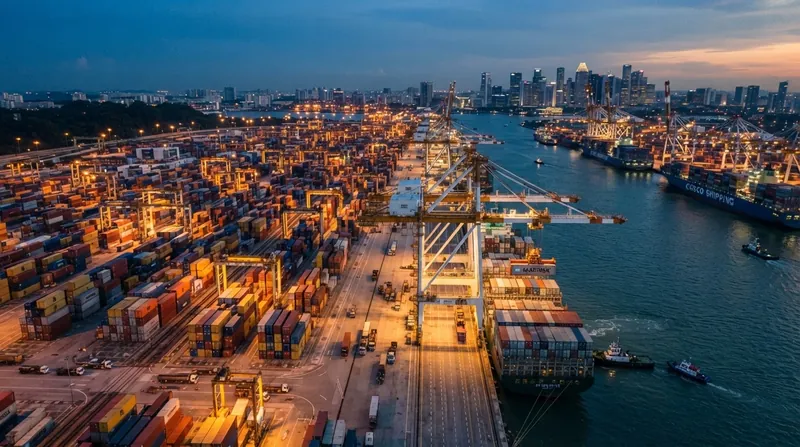
The global trade of cereals, particularly wheat and maize, relies heavily on a few critical maritime routes. The Black Sea, for example, is a primary artery for grain exports from Eastern Europe and Eurasia, regions that serve as the breadbasket for much of the developing world.[2]
When geopolitical conflicts threaten these shipping lanes, the impact on the FAO index is immediate. The physical loss of grain is often less significant than the surge in insurance premiums for bulk carriers, which raises the baseline cost of securing future food supplies before a single shipment is even delayed.[3]
Similarly, the Strait of Hormuz plays an indirect but vital role in global food prices. While it is primarily known as an energy chokepoint, modern agriculture is deeply intertwined with the energy sector.[2]
Similarly, the Strait of Hormuz plays an indirect but vital role in global food prices.
Diesel is required to power farm machinery and transport crops, while natural gas is the primary feedstock for producing nitrogen-based fertilizers. When disruptions in the Gulf drive up crude oil and natural gas prices, the cost of agricultural production rises globally.[2]
Higher energy prices also create a feedback loop in the vegetable oil market. When crude oil becomes more expensive, the demand for biofuels like biodiesel increases, which diverts palm and soybean oil away from food markets and into energy production, tightening edible oil supplies.[1]
Beyond human-made chokepoints, the physical reality of climate remains the ultimate baseline for agricultural costs. The El Niño weather pattern is one of the most significant recurring variables in the global food system.[2]
During an El Niño event, the unusual warming of surface waters in the eastern tropical Pacific Ocean alters global atmospheric circulation. This typically brings prolonged drought to Southeast Asia and drier conditions to parts of Australia and South America.[2]
These regions are critical producers of rice, sugarcane, and oilseeds. When El Niño suppresses yields in these crop belts, the reduced exportable surplus drives up the sugar and cereal components of the FAO index.[1]
The transmission mechanism from a spike in the FAO index to a higher retail grocery bill operates with a significant lag. It typically takes three to six months for wholesale commodity price increases to filter through the supply chain.[3]
During this lag, food manufacturers and retailers must decide how much of the increased commodity cost they can absorb and how much they must pass on to consumers, weighing raw material inflation against domestic labor and transportation costs.[3]
Key points
- The FAO Food Price Index tracks the wholesale export prices of five major commodity groups, not retail grocery inflation.
- Maritime chokepoints like the Black Sea and the Strait of Hormuz directly impact the cost of securing and transporting global food supplies.
- Energy market disruptions raise agricultural costs by increasing the price of diesel, natural gas fertilizers, and biofuel feedstocks.
- Weather patterns like El Niño act as structural drivers of food costs by altering rainfall in critical crop-producing regions.
- Wholesale commodity price increases typically take three to six months to filter through the supply chain to consumers.
Why this matters
Understanding the mechanics behind the FAO Food Price Index reveals how localized events—from a drought in South America to a blocked shipping lane in the Middle East—directly influence the cost of household staples worldwide. By mapping these chokepoints, consumers and policymakers can better anticipate future shifts in grocery bills.
Key terms
- FAO Food Price Index
- A measure of the monthly change in international export prices of a basket of globally traded food commodities.
- El Niño
- A climate pattern characterized by the unusual warming of surface waters in the eastern tropical Pacific Ocean, which significantly impacts global weather and crop yields.
- Commodity Chokepoint
- A narrow, highly congested transport route, such as a strait or canal, through which a large volume of global trade must pass.
- Risk Premium
- The extra cost added to the price of a commodity or insurance policy to compensate for the increased risk of disruption, such as a conflict in a shipping lane.
- Feedstock
- Raw material supplied to a machine or processing plant, such as natural gas used to produce nitrogen fertilizer.
Frequently asked
Does a rise in the FAO index mean my grocery bill will go up immediately?
No. The FAO index tracks wholesale international trade prices. It typically takes three to six months for these commodity increases to filter through the supply chain and affect retail prices.
How does the Strait of Hormuz affect food prices?
The Strait of Hormuz is a critical chokepoint for global energy shipments. Disruptions there raise the cost of diesel and natural gas, which are essential inputs for farming and transporting food.
What role does El Niño play in agricultural markets?
El Niño alters global rainfall patterns, often bringing drought to key agricultural regions like Southeast Asia and South America, which lowers crop yields and drives up prices for commodities like sugar and grain.
Why do higher crude oil prices affect vegetable oil?
Higher crude oil prices increase the demand for biofuels like biodiesel. This diverts edible oils, such as palm and soybean oil, away from food markets and into energy production.
Sources
Source coverage
3 outlets
3 viewpoints surfaced



- [1]Food and Agriculture OrganizationAgricultural Economists
FAO Food Price Index and Commodity Price Indices
Read on Food and Agriculture Organization → - [2]World BankAgricultural Economists
Commodity Markets Outlook
Read on World Bank → - [3]Factlen Editorial TeamCommodity Traders
Synthesis by Factlen editorial team
Read on Factlen Editorial Team →
Comments
More in Content Types
See all →Extreme Value Theory
The Three Mathematical Distributions That Model the Probability of Rare Events
7 sources

Supply Chain Infrastructure
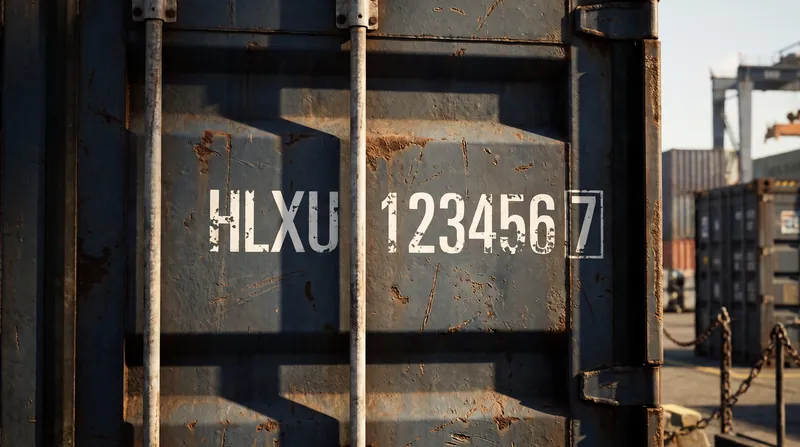
How the ISO 6346 Standard Uses an 11-Character Code and Modulo 11 Check Digit to Track Global Shipping Containers
6 sources
Tax Treaties
How the OECD Model Convention Uses Exemption and Credit Methods to Allocate Cross-Border Tax
6 sources

Food Labeling
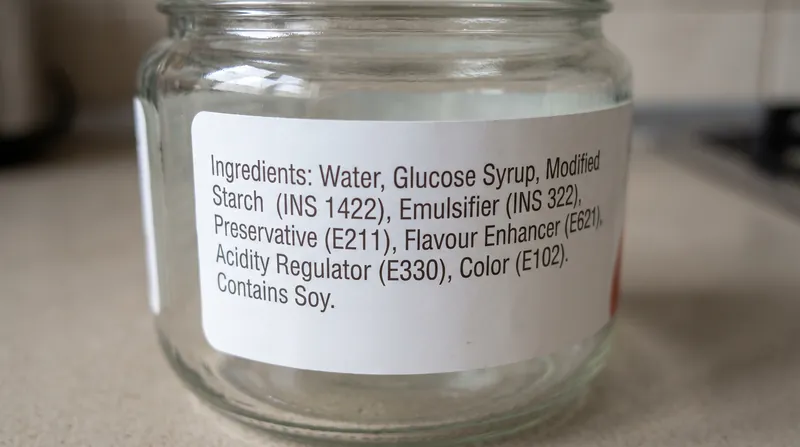
How the Codex Alimentarius INS Replaces Chemical Names with Three-Digit Codes on Global Food Labels
5 sources
Every angle. Every day.
Get Content Types stories with full source coverage and perspective breakdowns delivered to your inbox.