
Swiss Voters Reject Right-Wing Referendum to Cap Population at 10 Million
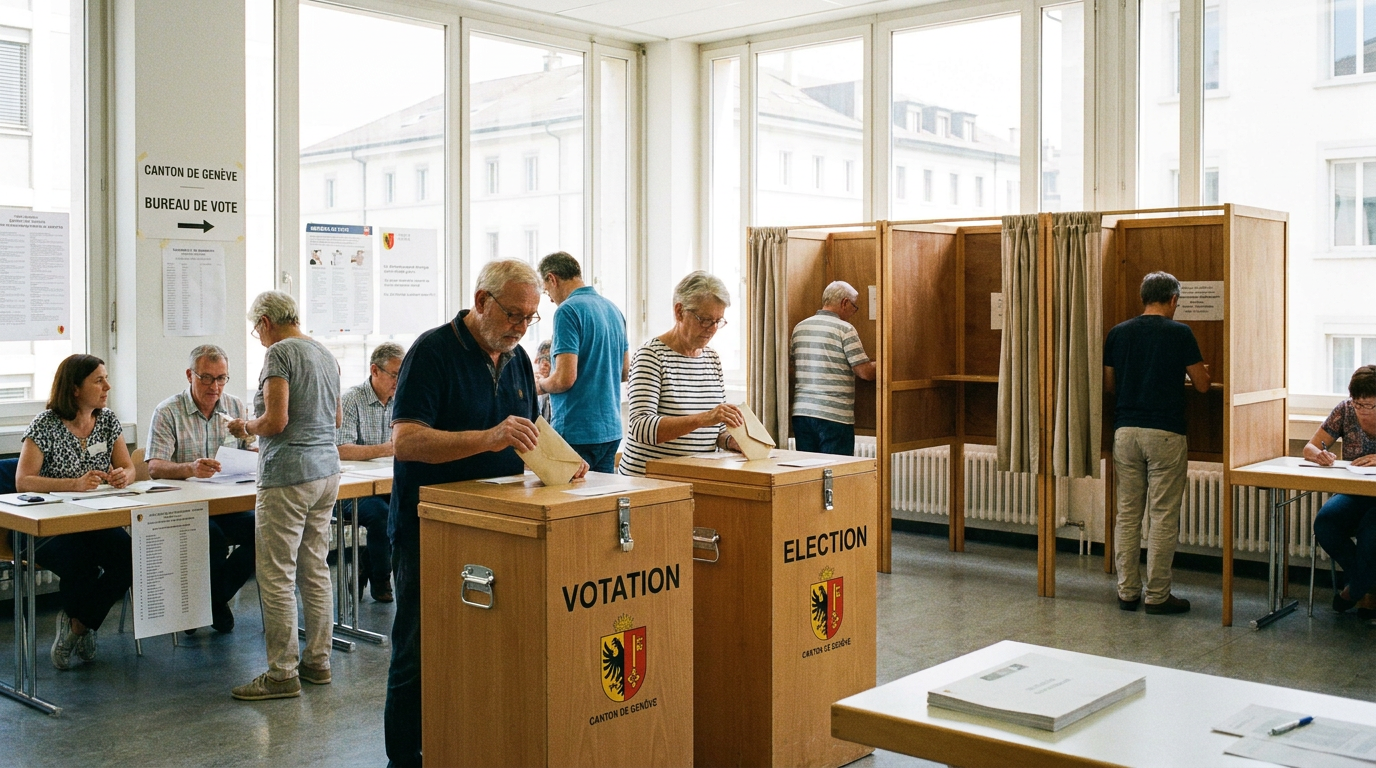
Switzerland has voted against a controversial proposal to cap its permanent resident population at 10 million by 2050. The measure, championed by the right-wing Swiss People's Party, was defeated amid concerns it would severely damage the economy and sever critical ties with the European Union.
By Factlen Editorial Team
- Economic & Trade Analysts
- Focuses on the severe risks the population cap posed to Switzerland's labor market and its critical bilateral agreements with the EU.
- Domestic Policy Watchers
- Highlights the internal pressures on Swiss infrastructure and the resonance of the SVP's anti-immigration messaging among voters.
- Global Populism Observers
- Views the referendum as a key test of right-wing, anti-immigration sentiment within the broader European political landscape.
What's not represented
- · Recent Immigrants and Cross-Border Workers
- · Environmental Groups
Why this matters
This vote preserves Switzerland's critical economic ties and open borders with the European Union, averting a major labor crisis for the country's tech, finance, and healthcare sectors. However, the tight margin highlights growing European momentum for hard demographic caps, signaling that immigration will remain a dominant political flashpoint.
Key points
- Swiss voters rejected a proposal to cap the country's population at 10 million by 2050, with nearly 55% voting against it.
- The initiative, backed by the right-wing Swiss People's Party, aimed to curb immigration and ease pressure on infrastructure.
- A 'yes' vote would have forced the government to restrict asylum and residency permits if the population reached 9.5 million.
- Business groups and the federal government strongly opposed the measure, warning it would sever the free movement of labor with the EU.
- Switzerland's current population is 9.1 million, with foreign nationals making up roughly 28% of the total.
Swiss voters have decisively rejected a highly controversial right-wing initiative that would have imposed a strict, constitutionally mandated cap on the country's population, averting a potential collision course with the European Union. Preliminary results from Sunday's nationwide referendum showed that nearly 55 percent of voters opposed the "No to ten-million Switzerland" measure, delivering a significant victory to the political establishment and the business community. Turnout for the deeply polarizing vote reached roughly 59 percent, reflecting the high stakes of a decision that touched on core national identity and economic survival. The clear rejection of the measure signals that, for now, the Swiss electorate is prioritizing economic stability and international cooperation over growing domestic anxieties regarding immigration and demographic change.[1][2]
The defeated proposal, spearheaded by the populist Swiss People's Party (SVP), sought to amend the national constitution to ensure that the permanent resident population would never exceed 10 million before the year 2050. The SVP, which currently holds the most seats in the Swiss parliament, has long utilized the country's system of direct democracy to push anti-migration policies. Had the measure passed, the Swiss government would have been legally obligated to take immediate and drastic steps to curb demographic growth the moment the population hit specific trigger points. This unprecedented attempt to dictate population levels by law would have made Switzerland the first country in the world to impose a formal, hard cap on its total number of residents.[1][4][6]
Under the strict framework of the initiative, an initial emergency trigger would have activated automatically if the population reached 9.5 million. At that critical threshold, the federal government in Bern would have been forced to enact tough, immediate restrictions on incoming asylum seekers, severely limit family reunification programs, and drastically cut the issuance of new residency permits. The legislation was designed to leave lawmakers with virtually no flexibility, mandating a hardline approach to border control regardless of the prevailing economic conditions or humanitarian crises abroad. Opponents warned that such rigid constitutional limits would paralyze the government's ability to respond dynamically to labor shortages or international obligations, effectively putting the country's demographic policy on a restrictive autopilot.[1][3][6]

More significantly, if the population continued to climb toward the absolute 10 million mark despite those initial measures, Bern would have been required to renegotiate or unilaterally scrap its foundational bilateral agreement with the European Union regarding the free movement of people. Because Switzerland is all but surrounded by EU member states and relies heavily on cross-border integration, this prospect led many political analysts and media outlets to dub the referendum a potential "Swiss Brexit." Terminating the free movement agreement would have automatically triggered a "guillotine clause," unraveling a complex web of economic and cultural treaties that govern Switzerland's access to the European single market, fundamentally altering the nation's geopolitical standing.[1][2][5]
The SVP built its passionate campaign around the central argument that rapid, unchecked demographic growth is fundamentally eroding the traditional Swiss way of life and placing an unbearable burden on the Alpine nation's limited physical space. The party claimed that a relentless influx of foreign workers—primarily commuting or relocating from neighboring EU countries—has placed unsustainable pressure on the nation's critical infrastructure. Throughout the campaign, proponents of the cap pointed to increasingly overcrowded commuter trains, chronically congested highway networks, and a severe, escalating housing shortage that has driven up rents in major urban centers. For the SVP and its supporters, the initiative was framed as a necessary emergency brake to preserve the country's high standard of living and protect its natural resources.[4][6][7]
The demographic realities driving the debate are stark: Switzerland's population has grown by nearly 25 percent over the last generation, currently standing at roughly 9.1 million people. Since Bern and Brussels eased restrictions on citizens living and working across their shared borders in 2002, the country has experienced a sustained economic boom fueled largely by imported labor. Today, foreign nationals make up between 28 and 32 percent of the total population, one of the highest proportions in the developed world. Official government projections indicate that, if current migration trends continue unabated, the total population is on track to breach the 10 million mark by the early 2040s, a timeline that gave the SVP's referendum a sense of urgent immediacy for many voters.[1][2][5]

Today, foreign nationals make up between 28 and 32 percent of the total population, one of the highest proportions in the developed world.
Despite the resonance of the SVP's arguments regarding infrastructure strain, the federal government, the national parliament, and a broad, cross-partisan coalition of trade unions strongly urged voters to reject the population cap. They argued forcefully that the initiative was a blunt, dangerous instrument that would inflict deep, self-inflicted wounds on the Swiss economy. Government officials warned that the rigid quotas would not only fail to solve the underlying issues of housing and transport but would actively deprive the state of the tax revenue needed to expand those very services. By framing the vote as a choice between managed growth and economic isolation, the "No" campaign successfully convinced a majority of the electorate that the risks of the SVP's proposal far outweighed its promised benefits.[3][5][6]
Business associations, including the influential EconomieSuisse, were particularly vocal in their opposition, warning that severing the free movement agreement with the EU—Switzerland's largest and most vital trading partner—would be catastrophic for domestic industry. They highlighted that critical, high-value sectors such as healthcare, global finance, advanced pharmaceuticals, and technology are overwhelmingly reliant on foreign labor and specialized skills to remain globally competitive. Without the ability to seamlessly recruit top talent from across the European continent, corporate leaders cautioned that multinational companies would be forced to relocate their headquarters and research facilities abroad, leading to massive job losses and a severe contraction of the Swiss economy.[2][5][6]

The rejection of the population cap was particularly decisive in the French-speaking cantons, including Geneva, Vaud, and Neuchâtel, where early results showed roughly two-thirds of voters opposing the measure. In Geneva, a major global hub for United Nations institutions and international humanitarian groups, the prospect of closing borders was viewed with deep alarm. Business leaders and municipal officials across these regions expressed immediate relief as the results solidified, noting that the outcome preserves essential economic stability. The clear defeat of the initiative also clears a major political hurdle, allowing Bern to confidently proceed with ratifying a newly struck, comprehensive deal designed to deepen bilateral economic ties with Brussels.[2][3][5]
Despite the definitive defeat of the 10 million cap, the referendum underscores the potent, enduring political force of immigration anxieties both within Switzerland and across the broader European continent. Swiss Justice Minister Beat Jans publicly welcomed the result, but he carefully acknowledged the underlying frustrations that drove nearly 45 percent of the electorate to support the drastic measure. In the wake of the vote, government leaders have pledged to meticulously analyze the results and take concrete further steps to address legitimate voter concerns regarding acute housing shortages and infrastructure strain. The challenge moving forward will be finding sustainable ways to manage the physical symptoms of rapid population growth without resorting to the economic isolationism that voters just narrowly rejected.[5][7]
How we got here
2002
Switzerland and the European Union ease restrictions on citizens living and working across their borders, accelerating demographic growth.
2024
Official projections forecast that Switzerland's population will reach 10 million by the early 2040s.
Late 2024
Bern and Brussels strike a new deal to deepen bilateral economic ties, which business groups urge the government to ratify.
June 14, 2026
Swiss voters head to the polls and reject the 'No to ten-million Switzerland' initiative by a margin of 54.8% to 45.2%.
Viewpoints in depth
Economic & Trade Analysts
Focuses on the severe risks the population cap posed to Switzerland's labor market and its critical bilateral agreements with the EU.
From an economic standpoint, the free movement of people is viewed as the bedrock of Switzerland's modern prosperity. Business associations and financial analysts argue that the country's world-class pharmaceutical, finance, and technology sectors cannot survive without frictionless access to specialized European talent. Furthermore, they emphasize that triggering a collapse of bilateral agreements with the EU would have sparked a severe recession, ultimately doing more harm to the Swiss standard of living than the infrastructure challenges posed by population growth.
Domestic Policy Watchers
Highlights the internal pressures on Swiss infrastructure and the resonance of the SVP's anti-immigration messaging among voters.
Domestic observers note that while the initiative failed, the fact that 45% of the electorate supported it reveals deep-seated anxieties about the country's carrying capacity. The rapid influx of foreign workers—who now make up nearly a third of the population—has undeniably stretched public services. Proponents of this view point to rising rents, housing shortages, and congested transport networks as tangible consequences of rapid demographic expansion, arguing that the government can no longer ignore the physical limits of the Alpine nation.
Global Populism Observers
Views the referendum as a key test of right-wing, anti-immigration sentiment within the broader European political landscape.
For international political analysts, the Swiss referendum serves as a bellwether for the broader European right-wing movement. The unprecedented attempt to dictate a hard demographic cap by constitutional law sits alongside burgeoning efforts across the continent to set tougher curbs on immigration. While the Swiss ultimately prioritized economic stability over border restrictions in this instance, observers warn that the underlying discontent over the cost of living and cultural shifts remains a potent force that will continue to shape European elections.
What we don't know
- How the Swiss government will specifically address the housing and infrastructure concerns that drove 45% of the electorate to support the cap.
- Whether the Swiss People's Party will introduce alternative, more targeted immigration restrictions in future referendums.
- How quickly Switzerland and the EU will move to ratify their newly negotiated bilateral economic agreements following this vote.
Key terms
- Swiss People's Party (SVP)
- A national-conservative, right-wing populist political party in Switzerland that frequently campaigns for stricter immigration controls.
- Free Movement of People
- A bilateral agreement between Switzerland and the EU that allows citizens to live and work freely in each other's territories.
- Cantons
- The 26 member states of the Swiss Confederation, which function similarly to states or provinces and report individual voting results in referendums.
- EconomieSuisse
- The largest umbrella organization representing the interests of the Swiss economy and business sector.
Frequently asked
Why was the referendum called a 'Swiss Brexit'?
Critics used the term because passing the population cap would have likely forced Switzerland to scrap its free movement agreement with the EU, severely damaging its relationship with its largest trading partner.
What is Switzerland's current population?
The population currently stands at approximately 9.1 million people, with foreign nationals making up roughly 28 to 32 percent of the total.
How does the Swiss referendum system work?
Switzerland's system of direct democracy allows citizens to propose constitutional amendments, known as 'popular initiatives,' which are put to a national vote if they gather 100,000 signatures within 18 months.
Sources
Source coverage
7 outlets
3 viewpoints surfaced







[1]The GuardianDomestic Policy Watchers
Swiss voters reject proposal to cap population at 10 million
Read on The Guardian →[2]NPRGlobal Populism Observers
Swiss reject right-wing's bid to cap population at 10 million, early results show
Read on NPR →[3]Financial TimesEconomic & Trade Analysts
Swiss voters reject proposal to cap population at 10mn
Read on Financial Times →[4]SWI swissinfo.chDomestic Policy Watchers
Swiss voters reject proposal to cap population at ten million
Read on SWI swissinfo.ch →[5]CNAEconomic & Trade Analysts
Swiss reject population cap in referendum, avoiding EU clash and cheering business
Read on CNA →[6]Associated PressGlobal Populism Observers
Early results show Swiss voters reject right-wing's bid to cap population at 10 million
Read on Associated Press →[7]The Japan TimesEconomic & Trade Analysts
Switzerland votes on proposal to cap population at 10 million
Read on The Japan Times →
More in news politics
See all 9 stories →US-Iran Deal
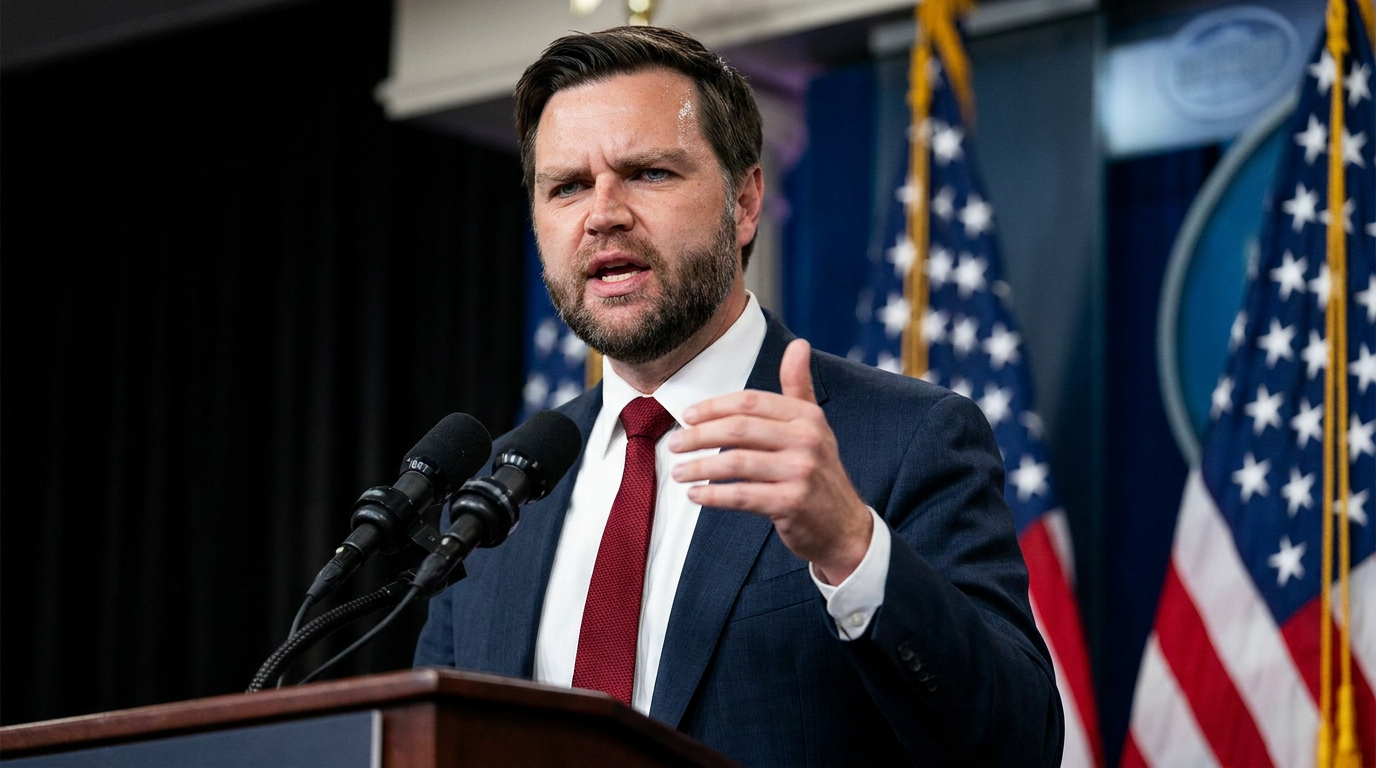
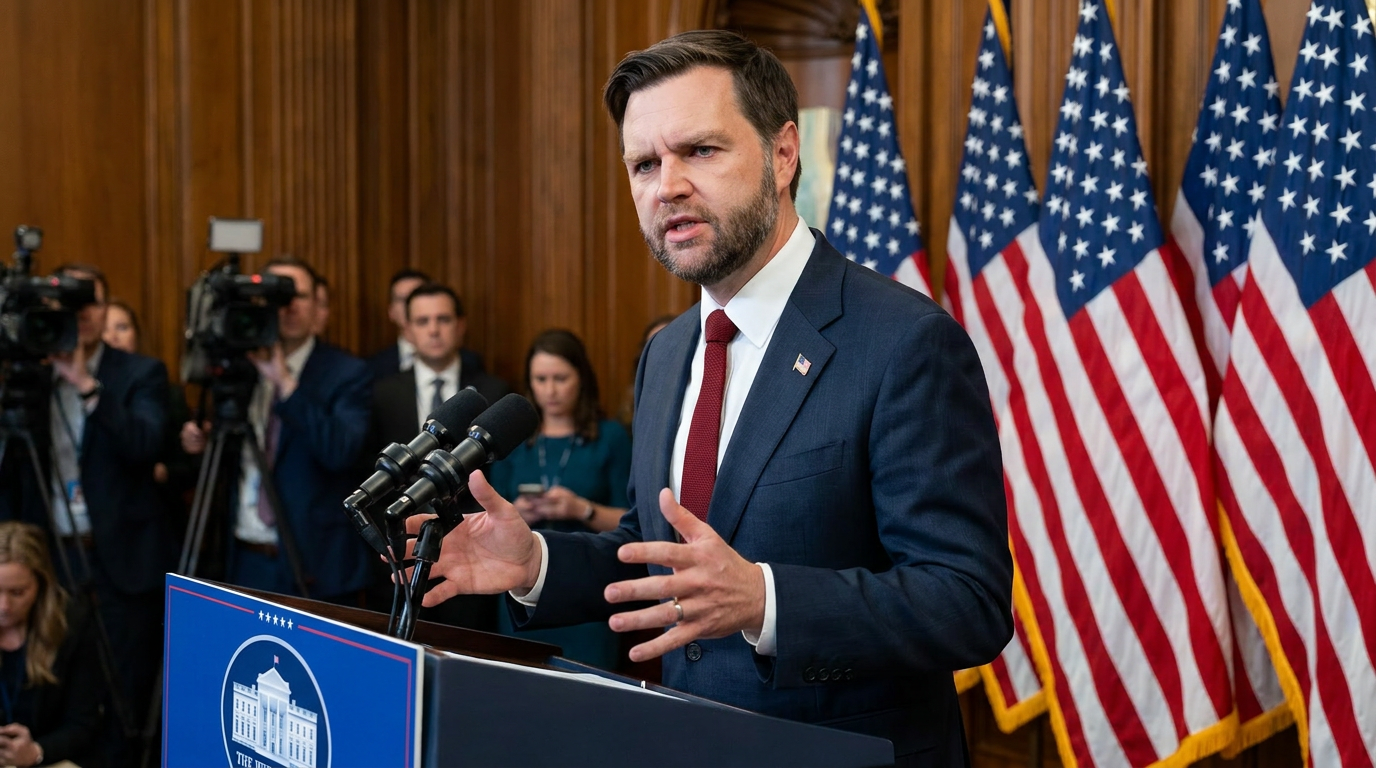
U.S. and Iran Sign Agreement to End War; Vance Lashes Out at Israeli Critics
7 sources
U.S.-Iran Deal
U.S. and Iran Sign 14-Point Agreement to End War, Sparking Fierce Backlash from Israel
6 sources

U.S.-Iran Relations
Vance Rebukes Israeli Critics of U.S.-Iran Peace Agreement, Warning Against Alienating 'Only Powerful Ally'
8 sources

Cognitive Defense
The Science of 'Prebunking': How Psychological Inoculation is Defeating Misinformation
6 sources

Every angle. Every day.
Get news politics stories with full source coverage and perspective breakdowns delivered to your inbox.