
Swiss Voters Reject Right-Wing Proposal to Cap Population at 10 Million
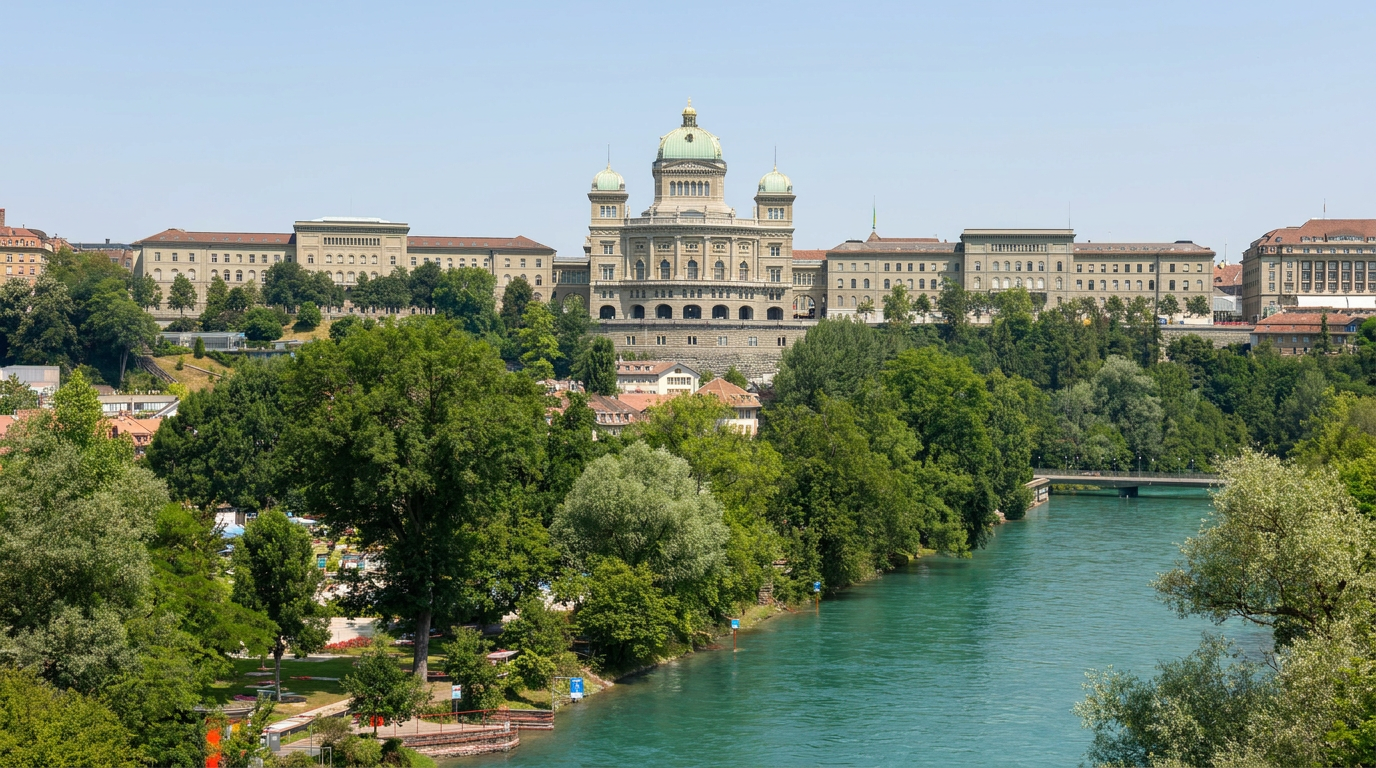
Switzerland has voted against a controversial initiative that would have capped the country's population at 10 million by 2050. The rejection preserves the nation's free movement agreement with the European Union, averting what critics had dubbed a 'Swiss Brexit.'
By Factlen Editorial Team
- Pro-European Integrationists
- Focused on preserving the delicate bilateral agreements and open borders with the European Union.
- Economic Pragmatists
- Prioritized the economic necessity of foreign labor and access to the EU single market.
- Sovereignty & Infrastructure Advocates
- Emphasized the strain on domestic housing, infrastructure, and national identity caused by rapid immigration.
What's not represented
- · Recent immigrants living in Switzerland
- · Cross-border commuters from neighboring EU countries
Why this matters
Passing the cap would have forced Switzerland to severely restrict immigration and scrap its free movement agreement with the European Union, threatening its access to the EU single market. The vote's outcome stabilizes the Swiss economy and maintains its deep integration with its European neighbors.
Key points
- Swiss voters rejected a proposal to cap the population at 10 million by 2050.
- The initiative failed with 54.8% voting against and 45.2% in favor.
- Passing the measure would have forced Switzerland to scrap its free movement deal with the EU.
- Business leaders warned the cap would severely damage the Swiss economy.
- The right-wing Swiss People's Party (SVP) championed the initiative.
Swiss voters have decisively rejected a far-right initiative aimed at capping the nation's permanent resident population at 10 million by the year 2050. Final results from Sunday's referendum show that 54.8% of voters opposed the measure, while 45.2% supported it, with a high voter turnout of nearly 59%.[2][3]
The "No to a Switzerland with 10 million! (Sustainability Initiative)" was spearheaded by the populist Swiss People's Party (SVP), the largest faction in the Swiss parliament. The SVP argued that rapid population growth—driven largely by immigration—was straining the country's infrastructure, inflating housing costs, and depleting natural resources.[2][6]
Switzerland's population currently sits at approximately 9.1 million. Since the introduction of the free movement of persons agreement with the European Union in 2002, the population has grown by roughly 23%, or 1.7 million people. Foreign nationals now make up nearly one-third of the country's residents, providing essential labor to the healthcare, finance, and technology sectors.[2][5][6]

Had the initiative passed, the Swiss government would have been constitutionally bound to ensure the population did not exceed 10 million before 2050. If the population reached 9.5 million, the government would have been forced to implement strict curbs on asylum, family reunification, and residency permits, regardless of international obligations.[5][6]
The most severe consequence of the cap would have been the mandatory termination of international agreements driving population growth. Crucially, this would have required Switzerland to withdraw from its free movement agreement with the EU, a move critics dubbed a "Swiss Brexit."[1][5]
The most severe consequence of the cap would have been the mandatory termination of international agreements driving population growth.
Terminating the free movement agreement would have triggered a "guillotine clause," nullifying a suite of bilateral treaties that grant Switzerland access to the EU's single market. Business leaders and high-profile executives from companies like Roche, Nestlé, and UBS warned that such a move would cut off vital access to foreign labor, devastating the Swiss economy and chilling foreign investment.[4][5]
Following the vote, Justice Minister Beat Jans welcomed the outcome, stating that the public had sent a message of "stability, openness and reliability." Cédric Wermuth, co-president of the left-wing Social Democratic Party, claimed the majority of the population had rejected the SVP's "scapegoat politics" and recognized the economic necessity of maintaining strong ties with Europe.[3]
Despite the defeat, the SVP maintained that the underlying issues of infrastructure strain and housing shortages remain unresolved. Party president Marcel Dettling urged those celebrating the result to tackle the problems caused by immigration, signaling that the party will continue to push for strict border controls and domestic labor prioritization.[3][4]

The referendum results highlighted a distinct regional divide within the country. French-speaking cantons in western Switzerland, such as Geneva, Vaud, and Neuchâtel, rejected the initiative by wide margins of over 64%. In contrast, rural and German-speaking areas showed stronger support for the cap, reflecting a persistent urban-rural split on issues of national identity and globalization.[3][4]
The outcome was met with immediate relief in Brussels. European Commission President Ursula von der Leyen praised the result, noting that the EU and Switzerland share deep ties and a strong partnership. The rejection avoids a major diplomatic and economic rupture between Switzerland and its largest trading partner, preserving the delicate balance of their bilateral agreements.[7]

The Swiss referendum reflects a broader debate across Europe regarding migration, national identity, and economic sustainability. While the Swiss opted to maintain their open borders with the EU to protect their economy, the substantial 45% support for the cap underscores ongoing anxieties that right-wing parties continue to mobilize across the continent.[4][5]
How we got here
2002
Switzerland's agreement on the free movement of persons with the EU comes into force.
2014
Swiss voters narrowly back a 'mass immigration' initiative, though its strict implementation is later softened by parliament.
Early 2026
The Swiss population surpasses 9.1 million, fueled largely by foreign labor recruitment.
June 14, 2026
Voters reject the 'No to ten million' initiative by a 54.8% majority.
Viewpoints in depth
Swiss People's Party (SVP)
Argued that rapid population growth is straining infrastructure and housing.
The right-wing populist party championed the 'Sustainability Initiative' as a necessary brake on what they described as uncontrolled immigration. They pointed to overcrowded trains, a tight housing market, and the depletion of natural resources as direct consequences of the population growing by 1.7 million since 2002. Despite the defeat, the SVP views the 45% support as a mandate to continue pushing for stricter border controls and asylum reforms.
Business & Economic Leaders
Warned that capping the population would devastate the Swiss economy.
Corporate executives and industry groups strongly opposed the measure, arguing that a hard population cap would starve the Swiss economy of essential foreign labor. Because passing the cap would have triggered the termination of the free movement agreement with the EU, businesses feared losing access to the European single market. Companies like Roche and UBS warned that such isolation would chill foreign investment and severely damage Switzerland's global competitiveness.
European Union Officials
Viewed the initiative as a threat to bilateral relations and the free movement of people.
For Brussels, the referendum represented a potential 'Swiss Brexit' that could have unraveled decades of carefully negotiated bilateral treaties. EU leaders, including Commission President Ursula von der Leyen, expressed profound relief at the outcome. The rejection of the cap preserves the delicate diplomatic and economic architecture that integrates non-EU member Switzerland into the broader European economic zone.
What we don't know
- How the Swiss government will address the ongoing housing and infrastructure concerns raised by the 45% who supported the cap.
- Whether the SVP will introduce alternative, less drastic measures to curb immigration in future referendums.
Key terms
- Free Movement of Persons
- An agreement allowing Swiss and EU citizens to live and work in each other's territories with minimal restrictions.
- Guillotine Clause
- A legal provision ensuring that if one of the bilateral agreements between Switzerland and the EU is terminated, all others are automatically nullified.
- Swiss People's Party (SVP)
- A national-conservative, right-wing populist political party in Switzerland, known for its anti-immigration stance.
Frequently asked
Why was the proposal called a 'Swiss Brexit'?
Passing it would have forced Switzerland to end its free movement agreement with the EU, severing its access to the European single market.
What happens now that the cap was rejected?
Switzerland will maintain its current immigration policies, and its bilateral agreements with the European Union remain intact.
How much of Switzerland's population is foreign?
Currently, foreign nationals make up nearly one-third of Switzerland's 9.1 million residents.
Sources
Source coverage
7 outlets
3 viewpoints surfaced







[1]NPREconomic Pragmatists
Swiss reject right-wing's bid to cap population at 10 million, early results show
Read on NPR →[2]The GuardianPro-European Integrationists
Swiss voters reject proposal to cap population at 10 million
Read on The Guardian →[3]SWI swissinfo.chSovereignty & Infrastructure Advocates
Swiss voters reject proposal to cap population at ten million
Read on SWI swissinfo.ch →[4]BloombergEconomic Pragmatists
Switzerland Rejects Proposal to Cap Population at 10 Million
Read on Bloomberg →[5]Los Angeles TimesSovereignty & Infrastructure Advocates
Swiss voters reject right wing's bid to cap population at 10 million, early results show
Read on Los Angeles Times →[6]Swiss Federal CouncilPro-European Integrationists
Popular initiative: 'No to a Switzerland with 10 million! (Sustainability Initiative)'
Read on Swiss Federal Council →[7]Table.BriefingsPro-European Integrationists
Switzerland: Voters reject 10 million population cap
Read on Table.Briefings →
More in news politics
See all 9 stories →US-Iran Deal
U.S. and Iran Sign Agreement to End War; Vance Lashes Out at Israeli Critics
7 sources
U.S.-Iran Deal
U.S. and Iran Sign 14-Point Agreement to End War, Sparking Fierce Backlash from Israel
6 sources

U.S.-Iran Relations
Vance Rebukes Israeli Critics of U.S.-Iran Peace Agreement, Warning Against Alienating 'Only Powerful Ally'
8 sources
Cognitive Defense
The Science of 'Prebunking': How Psychological Inoculation is Defeating Misinformation
6 sources

Every angle. Every day.
Get news politics stories with full source coverage and perspective breakdowns delivered to your inbox.