
Supreme Court Declines New Parental Notification Case, Leaving Schools in Legal Limbo Over Gender Identity
Following a string of Supreme Court shadow-docket rulings and declined appeals, public schools face mounting legal threats over whether they must disclose a student's gender transition to parents.

In short
- The Supreme Court declined to hear a new parental notification case, leaving a March 2026 shadow-docket precedent in place.
- A conservative legal group has threatened 600 California school districts with lawsuits if they do not disclose student gender transitions to parents.
- California state law still prohibits the forced outing of students, creating a direct conflict with the federal injunction.
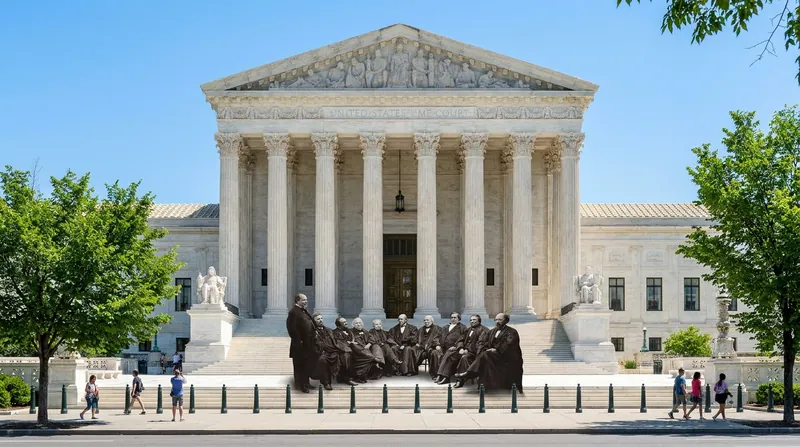
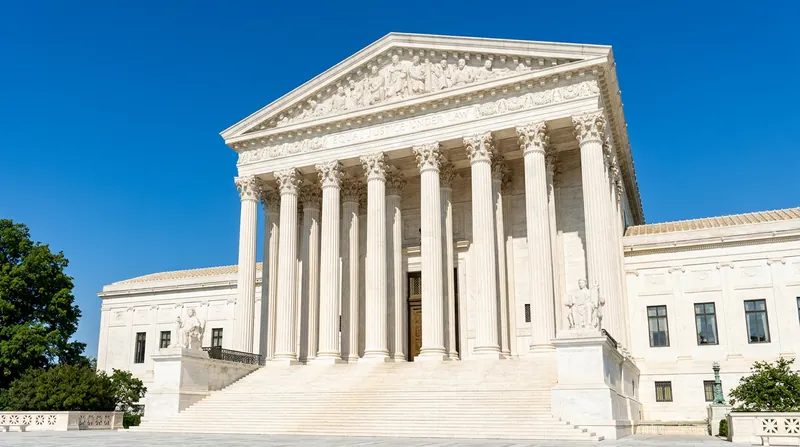
On June 3, 2026, the U.S. Supreme Court declined to hear a new case regarding parental notification in public schools, leaving a fractured and volatile legal landscape in its wake. The justices' decision not to intervene allows a highly consequential March 2026 shadow-docket ruling to stand as the de facto precedent. That earlier emergency order temporarily blocked California policies that discouraged schools from disclosing a student's gender transition to their parents, setting off a chain reaction of litigation across the state.[1][2]
The lack of a definitive, nationwide merits ruling has triggered aggressive legal maneuvering from advocacy groups eager to enforce the Supreme Court's preliminary signals. On June 2, the Liberty Justice Center, a conservative litigation firm, sent formal warning letters to approximately 600 California school districts. The group argued that these districts are actively violating the U.S. Constitution by continuing to enforce state laws that prevent the forced outing of transgender students.[1]
The current standoff is rooted in Mirabelli v. Bonta, a lawsuit originally filed in 2023 by teachers and parents against the Escondido Union School District and the California State Board of Education. The plaintiffs challenged school policies that required staff to use a student's preferred name and pronouns while simultaneously prohibiting them from disclosing that social transition to parents without the student's consent.[1][2]
In their filings, the plaintiffs argued that these nondisclosure policies violated their constitutional rights. Parents claimed the rules infringed upon their 14th Amendment right to direct the upbringing and healthcare of their children, while teachers argued that being forced to conceal a student's gender identity from parents violated their First Amendment religious freedoms.[2][4]
The legal battle reached a boiling point on March 2, 2026, when the Supreme Court's conservative majority intervened via its emergency docket. In a 6-3 decision, the Court reinstated a lower court injunction that blocked California's nondisclosure policies. While the ruling was technically preliminary, it sent a massive shockwave through the public education system by signaling how the justices view the underlying constitutional questions.[2]
In the unsigned March opinion, the Court noted that policies concealing gender transitions from parents likely violate fundamental rights. The justices wrote that "parents who assert a free exercise claim have sincere religious beliefs about sex and gender, and they feel a religious obligation to raise their children in accordance with those beliefs." They concluded that state policies facilitating social transition during school hours substantially interfere with that right.[1]
Despite the Supreme Court's emergency order, California law still technically protects student privacy. Legislation such as AB 1955 prohibits schools from requiring staff to disclose a student's sexual orientation or gender identity without consent. This contradiction has placed school administrators in an impossible bind: comply with state law and face federal lawsuits from groups like the Liberty Justice Center, or comply with the federal injunction and risk state-level penalties.[1]
Civil rights organizations warn that prioritizing parental notification over student consent puts vulnerable youth at severe risk. Advocates argue that while family acceptance is the ideal outcome, not all home environments are safe. Forcing teachers to out transgender students against their will, they argue, strips children of their autonomy during a uniquely personal developmental stage.[3]
In a recent amicus brief filed in the Ninth Circuit, groups including the National Center for Youth Law and Children's Rights detailed the potential harms of forced disclosure. They argued that outing students can lead to parental rejection, physical mistreatment, and displacement. The brief emphasized that pushing LGBTQ+ youth into the child welfare system is not a safe alternative, as these children face disproportionately high rates of discrimination and abuse in foster care settings.[3]
The reliance on the shadow docket to navigate these cultural flashpoints has frustrated legal experts and educators alike. Rather than settling the nuances of the debate through traditional oral arguments and a comprehensive merits ruling, the Supreme Court has increasingly used emergency orders to quickly halt or enforce policies. This approach leaves lower courts and school districts guessing at the exact boundaries of the law.[1][4]
The Mirabelli fallout is part of a broader trend of the Court weighing in on education and religious liberty. In June 2025, the Court ruled in Mahmoud v. Taylor that parents have the right to opt their children out of public school lessons featuring LGBTQ-inclusive materials, citing similar religious objections. Together, these rulings indicate a strong judicial preference for parental rights over state-mandated inclusion policies.[4]
As the 2026-2027 school year approaches, thousands of public schools remain trapped in legal limbo. Without a final, comprehensive ruling from the Supreme Court to reconcile state privacy laws with federal constitutional claims, educators are left to navigate a chaotic minefield. For now, the battle over who controls the conversation about a student's gender identity will continue to be fought district by district, lawsuit by lawsuit.[1][4]
Definitions
- Shadow Docket
- Emergency orders and summary decisions issued by the Supreme Court without full briefing or oral arguments.
- Social Transition
- The process by which a person adopts the name, pronouns, and gender expression that align with their gender identity in everyday life.
- Forced Outing
- The act of disclosing a person's sexual orientation or gender identity to others—such as parents—without the individual's consent.
Questions & answers
What did the Supreme Court rule in Mirabelli v. Bonta?
In a March 2026 emergency order, the Court temporarily blocked California policies that prevented schools from disclosing a student's gender transition to their parents.
Are California schools still protecting student gender identity?
State law still prohibits forced outing, but federal court injunctions have created conflicting mandates, leaving districts in legal jeopardy regardless of which rule they follow.
Why do civil rights groups oppose parental notification?
Advocates argue that outing students without their consent can lead to parental rejection, abuse, and displacement into the foster care system.
Analysis by camp
Parental Rights Advocates
Parents have a fundamental constitutional right to direct the upbringing and healthcare of their children.
This camp, supported by conservative legal groups like the Liberty Justice Center, argues that a child's social transition at school is a major psychological intervention. They maintain that the 14th Amendment guarantees parents the right to be informed and involved in such decisions. Excluding parents, they argue, not only violates religious freedoms but assumes the state knows better than the family how to care for a child.
LGBTQ+ Civil Rights Groups
Forced disclosure policies strip students of autonomy and put vulnerable youth at risk of abuse.
Organizations like the ACLU and Children's Rights emphasize that while family acceptance is the goal, not all homes are safe. They argue that forcing teachers to out transgender students against their will can lead to severe consequences, including homelessness, physical abuse, and severe mental health crises. They view school as a necessary safe harbor for students who are not yet ready to navigate their gender identity at home.
School Administrators
Educators are trapped in an unwinnable legal bind between state and federal mandates.
For school boards and superintendents, the primary concern is liability and operational chaos. Administrators in states like California are caught between state laws (like AB 1955) that mandate student privacy and federal court injunctions that demand parental disclosure. Without a definitive, nationwide merits ruling from the Supreme Court, educators are left to absorb the legal and financial risks of a deeply polarized cultural conflict.
- Parental Rights Advocates
- Parents have a fundamental constitutional right to direct the upbringing and healthcare of their children.
- LGBTQ+ Civil Rights Groups
- Forced disclosure policies strip students of autonomy and put vulnerable youth at risk of abuse.
- School Administrators
- Educators are trapped in an unwinnable legal bind between state and federal mandates.
Perspectives this story doesn't cover
- Transgender students currently navigating the public school system
- Teachers caught between state laws and federal injunctions
Sources
Source coverage
4 outlets
3 viewpoints surfaced




- [1]K-12 DiveParental Rights Advocates
Supreme Court turns away another parental notification case
Read on K-12 Dive → - [2]Wikipedia
Mirabelli v. Bonta
Read on Wikipedia → - [3]Children's RightsLGBTQ+ Civil Rights Groups
Children's Rights Joins Amicus Brief Supporting Restoration of California Protections for Transgender and Gender Nonconforming Students
Read on Children's Rights → - [4]Factlen Editorial Team
Synthesis by Factlen editorial team
Read on Factlen Editorial Team →
More in News & Politics
See all →Student Loans
Sweeping Federal Student Loan Overhaul Takes Effect July 1, Ending SAVE Plan and Capping Borrowing
3 sources

Higher Education Finance
The Capacity Crunch: Why Abolishing University Tuition Excludes Working-Class Students
9 sources
Education Policy
The Age of Separation: How Early Educational Tracking Magnifies Wealth Gaps Without Raising National Scores
4 sources

First Amendment
The 'Substantial Disruption' and 'Invasion of Rights' Tests: How the Supreme Court Defines Student Free Speech in Public Schools
10 sources
Comments
Every angle. Every day.
Get News & Politics stories with full source coverage and perspective breakdowns, free every day.