
Suez Canal Authority Declares Waterway Safe, Reports 57% Revenue Surge in August as Traffic Recovers
The Suez Canal Authority reported a 56.7% year-on-year revenue increase in August to $567.1 million, signaling a partial recovery in maritime traffic. Officials declared the waterway safe and fully operational, though transits remain below pre-disruption levels amid ongoing Red Sea security concerns.
By Aarav Khanna

Share this story
At a ceremony in Alexandria marking World Maritime Day 2026, Suez Canal Authority (SCA) Chairman Osama Rabie announced that the strategic waterway generated $567.1 million in revenue during August. The figure represents a 56.7% increase compared to the $326 million collected in the same month last year, signaling a robust, if partial, recovery from the severe disruptions that have plagued the Red Sea corridor.[1][3]
The revenue surge was driven by a marked increase in both vessel numbers and cargo weight. According to SCA data, 1,358 ships transited the canal in August, a 27% rise from the 1,070 vessels recorded a year earlier. Combined net tonnage climbed even faster, jumping 51.1% to 68.3 million tons, indicating that larger, heavier vessels are returning to the route alongside the higher overall transit volume.[2][4]
Addressing the maritime industry, Rabie formally declared the canal secure. He emphasized that navigation remains stable and that specialized local navigators are executing their duties with high efficiency. The declaration aims to reassure major shipping lines that have diverted their fleets around the Cape of Good Hope since late 2023 due to security threats in the Bab al-Mandab Strait.[1][3]
The recovery is being bolstered by the cautious return of major carriers. Container lines including CMA CGM, Maersk, MSC, Hapag-Lloyd, and COSCO have resumed scheduled Europe-Asia services through the canal. The return of these operators, coupled with a 12% temporary surcharge on container ships implemented by the SCA in July, has amplified the revenue gains generated by the rising traffic.
Beyond transit fees, the SCA is actively diversifying its revenue streams to build resilience against future shocks. "The authority has adopted flexible policies and measures aimed at maintaining operational efficiency while developing new sources of revenue and expanding maritime services," Rabie said.
The agency has expanded its ancillary offerings, providing shipbuilding and repair, marine fuel bunkering, medical assistance, and crew rotation services at its facilities. Officials are also exporting their expertise, developing simulation models for ports in Saudi Arabia and Namibia, and assisting in the reopening of Libya's Port of Sirte.[2][4]
Despite the strong year-on-year growth, the canal's performance has not fully normalized. August receipts remain approximately 36% below the $888.6 million recorded in August 2023, prior to the onset of the Red Sea crisis. Average daily transits stood at 40.8 vessels between January and August 2026, compared to 73.7 per day in 2023, underscoring that a complete recovery remains contingent on broader regional stability.[1]
The gradual reinstatement of scheduled services is already reshaping freight dynamics. Container lines restoring selected services through the canal are cutting Asia-to-Europe and India-to-US transit times by as much as two weeks. This reduction in voyage duration lowers fuel consumption, releases ships for deployment elsewhere, and shortens the period during which importers' capital remains tied up in goods at sea.
For Egypt, the recovery is about more than restoring toll revenue. As fuel, vessel, and financing costs rise globally, every additional day at sea becomes more expensive, raising the strategic value of the canal's shorter route. The SCA's ongoing investments in infrastructure and green fuel supply contracts at East Port Said Port are designed to cement this advantage, positioning the waterway to capture a larger share of a decarbonizing maritime industry.[2]
Viewpoints in depth
Suez Canal Authority
The SCA emphasizes the canal's safety and its ongoing efforts to diversify revenue and improve services.
Chairman Osama Rabie and the SCA are projecting confidence, framing the August figures as proof of the canal's resilience and indispensability to global trade. By declaring the waterway safe and highlighting the efficiency of its pilots and expanded maritime services, the authority is actively courting the return of hesitant shipping lines. The SCA's strategy extends beyond transit tolls, focusing on building a comprehensive maritime logistics hub that offers bunkering, repairs, and international consulting to insulate Egypt's economy from future transit shocks.
Global Shipping Carriers
Major shipping lines are cautiously returning to the Suez route, balancing cost savings against lingering security risks.
For international carriers like Maersk, MSC, and Hapag-Lloyd, the decision to resume Suez transits is driven by the stark economic realities of the alternative. Diverting around the Cape of Good Hope adds weeks to transit times, burns significantly more fuel, and ties up vessel capacity. While the August traffic increase indicates a growing willingness to utilize the canal, the fact that daily transits remain well below 2023 levels shows that carriers are still heavily weighing the security situation in the Red Sea and Bab al-Mandab Strait before fully committing their fleets.
Key points
- Suez Canal revenue reached $567.1 million in August 2026, a 56.7% increase from the same month last year.
- Vessel transits rose 27% to 1,358 ships, while net cargo tonnage jumped 51.1% to 68.3 million tons.
- SCA Chairman Osama Rabie officially declared the waterway safe and fully operational during a maritime ceremony in Alexandria.
- Major carriers including Maersk, MSC, and Hapag-Lloyd have begun restoring selected Europe-Asia services through the canal.
What we don’t know
- Whether the August recovery rate will be sustained through the final quarter of 2026, given the volatile security environment in the broader region.
- How many of the remaining diverted westbound routes will transition back to the Suez Canal before the end of the year.
- The exact financial impact of the SCA's newly expanded ancillary services compared to its traditional transit toll revenue.
How we got here
October 2023
Security threats in the Red Sea and Bab al-Mandab Strait prompt major shipping lines to begin diverting vessels around the Cape of Good Hope.
July 2026
The Suez Canal Authority implements temporary additional surcharges, including a 12% increase for container ships, to bolster revenue.
August 2026
Canal traffic sees a marked recovery, with 1,358 vessels transiting and revenue surging 56.7% year-on-year to $567.1 million.
September 2026
SCA Chairman Osama Rabie officially declares the waterway safe and fully operational during World Maritime Day ceremonies in Alexandria.
- Suez Canal Authority
- Focuses on the canal's safety, operational efficiency, and the successful diversification of its maritime services.
- Global Shipping Industry
- Balances the economic necessity of the shorter Suez route against the ongoing security risks in the Red Sea.
Perspectives this story doesn't cover
- Marine insurance providers assessing the risk premiums for Red Sea transits.
- Egyptian economic policymakers managing the broader impact of fluctuating foreign currency inflows.
Sources
Source coverage
4 outlets
2 viewpoints surfaced




- [1]allAfrica.comSuez Canal Authority
North Africa: Egypt Declares Suez Canal Secure As August Revenue Surges to $567 Million
Read on allAfrica.com → - [2]Cairo SceneSuez Canal Authority
Suez Canal Revenues Rise 57% Year-on-Year in August 2026
Read on Cairo Scene → - [3]Hürriyet Daily NewsSuez Canal Authority
Egypt says Suez Canal 'safe' as shipping traffic returns to normal
Read on Hürriyet Daily News → - [4]OrePulseGlobal Shipping Industry
Suez Canal August traffic jumps 27%, revenue hits $567m
Read on OrePulse →
More in Transportation
See all →Maritime Trade
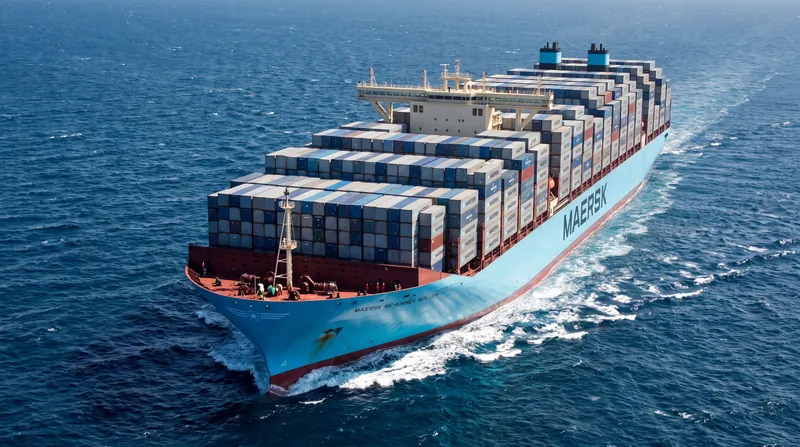
Thailand Scales Back $30 Billion Land Bridge Project Due to Viability and Environmental Concerns
7 sources
Maritime Trade
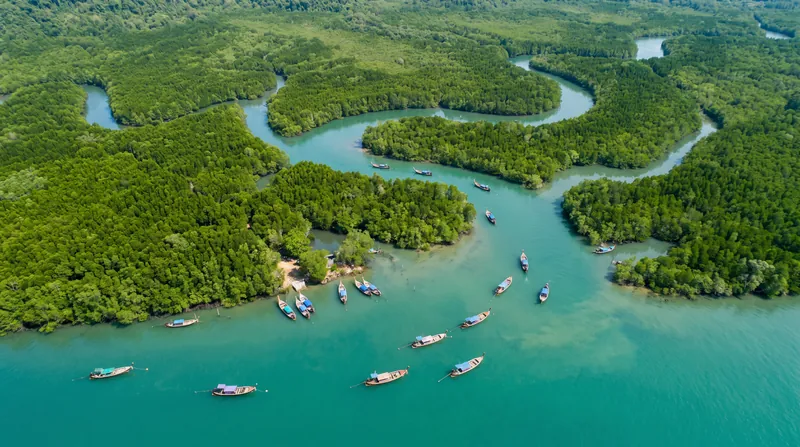
Supertanker Pays Record $4.6 Million to Skip Panama Canal Line Amid Global Chokepoint Stress
6 sources
Marine Engineering
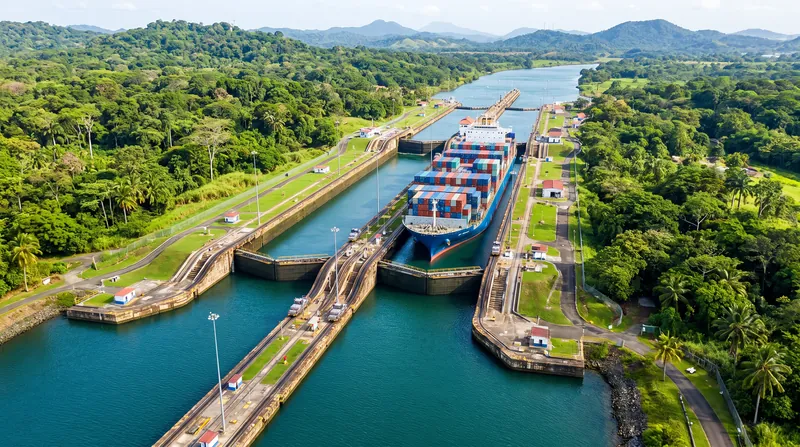
Skewed Blades and Kort Nozzles Quench Cavitation Pulses to Protect Ship Hulls
8 sources
Maritime Physics
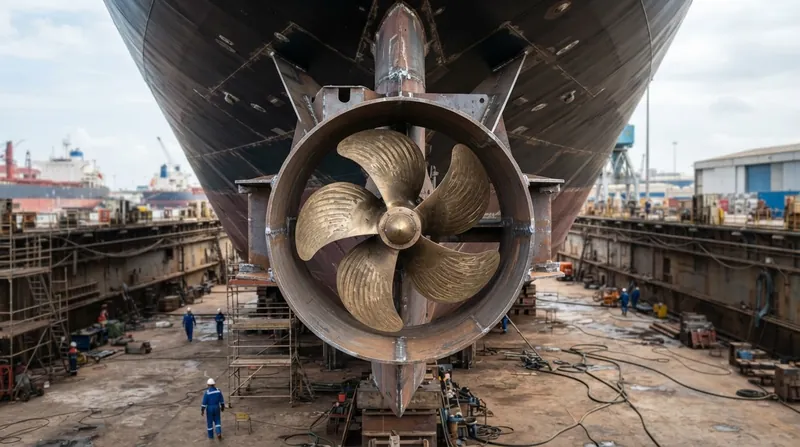
How Twistlocks and Lashing Rods Prevent Container Stacks From Collapsing During Parametric Rolling
6 sources
Comments
Every angle. Every day.
Get Transportation stories with full source coverage and perspective breakdowns, free every day.