
Smart Rings Finally Crack Cuffless Blood Pressure Tracking in 2026
The latest generation of smart rings from Oura and RingConn introduces continuous blood pressure insights and AI health agents, transforming the finger into a 24/7 medical dashboard.
By Tariq Nasser

In short
- The Oura Ring 5 launched in June 2026, shrinking by 40% and adding Nighttime Blood Pressure tracking.
- RingConn's Gen 3 ring offers daily blood pressure insights but requires calibration with a traditional cuff every 28 days.
- Smart rings use photoplethysmography (PPG) to measure pulse wave velocity and estimate blood pressure changes.
The wearable technology landscape has officially shifted from the wrist to the finger. In June 2026, the smart ring market crossed a major threshold with the release of the Oura Ring 5 and RingConn's Gen 3, bringing a long-sought holy grail to consumer gadgets: cuffless blood pressure insights.
For years, tracking cardiovascular strain required bulky, inflatable arm cuffs that were impossible to use continuously, especially during sleep. Now, a new generation of miniaturized optical sensors is allowing users to monitor their heart health passively, 24 hours a day, from a device weighing less than a standard wedding band.[1][4]
The catalyst for this summer's wearable arms race is the Oura Ring 5, which launched on June 4. The Finland-founded company managed to shrink its flagship device by 40%, claiming the title of the world's smallest smart ring. But the hardware miniaturization is secondary to the software payload.
The Ring 5 introduces "Nighttime Blood Pressure" tracking, a feature designed to monitor cardiovascular patterns during sleep, when the body's baseline metrics tell their clearest story. Rather than spitting out a clinical systolic and diastolic number, the ring detects shifts and patterns that indicate increasing cardiovascular strain, alerting users to take preventative action.[1][4]
This pivot toward holistic medical management is further evidenced by Oura's new GLP-1 medication tracking. As millions of consumers adopt weight-loss and diabetes drugs like Wegovy and Zepbound, the physiological side effects can be intense. GLP-1 agonists frequently cause an elevation in resting heart rate and can lead to significant lean muscle mass loss if not monitored. The Ring 5 allows users to track exactly how these medications impact their cardiovascular baseline, sleep architecture, and overall recovery, providing a vital feedback loop for patients and their doctors.[1][4]
Beyond cardiovascular and metabolic tracking, the frontier of wearable tech is expanding into cognitive longevity. Oura is rolling out an IRB-approved brain health study in partnership with Cambridge Cognition, a neuroscience technology company. By pairing the ring's continuous physiological data—like sleep stages and daily stress—with digital cognitive assessments, researchers hope to map how everyday behaviors relate to long-term cognitive function. These features arrive as Oura prepares for a highly anticipated IPO that could value the company at $11 billion, cementing the smart ring as a dominant consumer electronics category.[1][3]
Oura is not alone in the race to conquer the finger. At CES 2026, RingConn unveiled its Gen 3 smart ring, which takes a slightly different approach to blood pressure. The RingConn device offers daily blood pressure insights and haptic vibration alerts without requiring a monthly subscription fee, a major selling point for subscription-fatigued consumers.
However, it relies on a hybrid calibration model: users must calibrate the ring with a traditional medical arm cuff once every 28 days. If the user skips the monthly calibration, the optical estimates will gradually drift and lose accuracy.
Samsung is also looming large over the category. Following the successful launch of the Galaxy Ring, industry analysts expect Samsung to leverage its massive smartphone ecosystem to push for full FDA clearance for cuffless blood pressure estimation by late 2026 or 2027. Samsung's Galaxy Watches already offer blood pressure estimation in certain global markets, and porting that algorithm to the Galaxy Ring would add continuous tracking to the Android wearable ecosystem for the first time. The sheer scale of Samsung's manufacturing could rapidly commoditize features that currently command a premium.[2][5]
How do these devices actually measure blood pressure without squeezing your finger? The secret lies in advanced photoplethysmography (PPG). The rings emit green, red, and infrared light into the skin, measuring the light that reflects back to detect microscopic changes in blood volume with every single heartbeat. By analyzing the shape, amplitude, and timing of this pulse wave—a metric known as pulse wave velocity—sophisticated machine learning algorithms can estimate how much pressure is pushing against the arterial walls.[5]
Despite the technological leap, the medical community is urging consumers to understand the limitations of the current hardware. None of these smart rings are currently FDA-cleared as standalone medical blood pressure monitors. They are designed to track trends and directional shifts, not to replace the traditional cuff for diagnosing hypertension or making acute medication adjustments. Cardiologists emphasize that optical sensor accuracy can still vary significantly based on ring fit, skin tone, ambient temperature, and user movement.
Where the technology truly shines, however, is in capturing the "nocturnal dip." In a healthy cardiovascular system, blood pressure naturally drops by 10% to 20% during sleep. A lack of this nighttime dip is one of the strongest predictors of future heart disease, stroke, and kidney damage.
Because traditional inflatable cuffs are disruptive to sleep, this vital metric has historically been difficult to track outside of a clinical sleep lab. Smart rings, which are comfortable enough to wear to bed every night, are uniquely positioned to catch this hidden hypertension risk.[1][5]
The smart ring ecosystem is also becoming highly collaborative. In 2026, we are seeing deep software integrations between smart rings and the new wave of over-the-counter continuous glucose monitors (CGMs), such as the Abbott Lingo and Dexcom Stelo. When a smart ring's sleep and stress data is overlaid with a CGM's real-time blood sugar curve, users get an unprecedented, multi-dimensional view of their metabolic health. A poor night of sleep recorded by the ring can instantly explain a massive glucose spike after breakfast recorded by the CGM.[2][5]
The arrival of blood pressure tracking and CGM integration is part of a broader evolution in how we interact with health data. By conservative estimates, a person wearing a smart ring and a smartwatch in 2026 generates over 500 unique biometric data points per day, from heart rate variability and blood oxygen to skin temperature trends and respiratory rates. We are moving past the era of passive data dashboards—which often leave users overwhelmed by charts—and entering the age of active "AI health agents."[2]
These AI agents are designed to take action on the massive data sets they collect. For example, if a smart ring detects a trend of poor recovery and rising nighttime blood pressure, the integrated AI might automatically suggest adjusting your calendar to reduce commitments the next day, or prompt a smartwatch to recommend a low-intensity evening walk instead of a high-intensity interval workout. The goal is to reduce the cognitive load on the user, turning raw data into seamless, automated lifestyle interventions.[2][5]
These AI agents are designed to take action on the massive data sets they collect.
This shift toward agentic AI does raise significant data privacy questions. Health data is the most intimate information a consumer can generate, and the prospect of AI models continuously analyzing blood pressure, fertility windows, and cognitive decline requires ironclad security. Companies are increasingly processing this data on-device using neural processing units (NPUs) to ensure sensitive biometric profiles never leave the user's local hardware.[5]
As hardware components continue to shrink, the line between consumer gadget and medical device will blur even further. With breakthroughs in solid-state batteries and nano-scale sensors trickling down through the tech industry, future iterations of smart rings could feature even longer battery life, haptic feedback for real-time notifications, and deeper clinical integrations. For now, the 2026 smart ring class represents a massive victory for preventative health, putting a dedicated, unobtrusive cardiovascular monitor on the fingers of millions.[5]
Key terms
- Photoplethysmography (PPG)
- An optical technology that uses light to measure changes in blood volume at the skin's surface, commonly used in smartwatches and rings.
- Pulse Wave Velocity (PWV)
- The speed at which the blood pressure pulse travels through the arterial system, used by wearables to estimate blood pressure.
- Nocturnal Dip
- The natural, healthy decrease in blood pressure that occurs during sleep; a lack of this dip is a key indicator of cardiovascular risk.
- GLP-1 Agonists
- A class of medications used for type 2 diabetes and weight loss, which can affect resting heart rate and body composition.
Frequently asked
Can a smart ring replace my blood pressure cuff?
Not yet. In 2026, smart rings track blood pressure trends and nighttime shifts, but they are not FDA-cleared to replace traditional cuffs for medical diagnosis.
How does a ring measure blood pressure without squeezing?
They use photoplethysmography (PPG) optical sensors to measure pulse wave velocity—how fast blood moves through your vessels—which algorithms use to estimate pressure changes.
Do these rings require a monthly subscription?
It depends on the brand. Oura requires a monthly subscription for full data access, while competitors like RingConn currently offer their insights without recurring fees.
What is GLP-1 tracking on a smart ring?
New features allow users taking weight-loss or diabetes medications (like Ozempic or Wegovy) to track how the drug affects their resting heart rate, sleep quality, and muscle mass over time.
Viewpoints in depth
Wearable Tech Industry
Believes ambient, continuous tracking is the future of preventative health and a massive market opportunity.
Tech companies argue that passive, 24/7 data collection is the only way to truly understand human health. By removing the friction of traditional medical devices, they believe smart rings will shift healthcare from reactive treatments to proactive lifestyle interventions. They envision a near future where AI agents manage the massive data load, automatically adjusting a user's schedule or environment based on real-time cardiovascular strain.
Clinical Cardiology
Values the longitudinal data but insists on FDA validation and traditional cuff calibration for actual medical decisions.
Medical professionals welcome the influx of continuous cardiovascular data, particularly for tracking nighttime trends that are difficult to capture in a clinic. However, they caution that optical sensors are not yet FDA-cleared replacements for traditional cuffs. They emphasize that patients should use ring data to inform conversations with their doctors, rather than making independent changes to hypertension medications based on an algorithm's estimate.
Quantified Self Consumers
Eager to leverage 500+ daily data points to optimize sleep, medication, and daily performance.
Early adopters and biohackers view the 2026 smart ring class as the ultimate optimization tool. By combining continuous blood pressure insights with over-the-counter glucose monitors and GLP-1 tracking, this camp uses the massive data output to fine-tune their diets, workout schedules, and recovery protocols with unprecedented precision. For them, the ring is less about disease management and more about peak performance.
- Wearable Tech Industry
- Believes ambient, continuous tracking is the future of preventative health and a massive market opportunity.
- Clinical Cardiology
- Values the longitudinal data but insists on FDA validation and traditional cuff calibration for actual medical decisions.
- Quantified Self Consumers
- Eager to leverage 500+ daily data points to optimize sleep, medication, and daily performance.
Perspectives this story doesn't cover
- Traditional Medical Device Manufacturers
- Health Insurance Providers
Sources
Source coverage
5 outlets
3 viewpoints surfaced





- [1]MD+DI OnlineClinical Cardiology
Oura Debuts 'World's Smallest' Smart Ring, Adding Blood Pressure Insights, GLP-1 Management
Read on MD+DI Online → - [2]AI MagicXQuantified Self Consumers
The Future of AI Health Wearables: 500 Data Points a Day
Read on AI MagicX → - [3]BloombergWearable Tech Industry
Oura Prepares for Potential $11 Billion IPO With Ring 5 Launch
Read on Bloomberg → - [4]The VergeWearable Tech Industry
Less is more with the Oura Ring 5
Read on The Verge → - [5]Factlen Editorial TeamQuantified Self Consumers
Synthesis by Factlen editorial team
Read on Factlen Editorial Team →

More in Technology
See all →AI Voice Tech
OpenAI Launches 'GPT-Live' Voice Model, Ending AI Turn-Taking Delays with Full-Duplex Conversation
2 sources

Agentic OS
Leaked 'Project Aion' Prototype Reveals Microsoft's Vision for an AI-First Operating System
2 sources

Smartphone Cameras
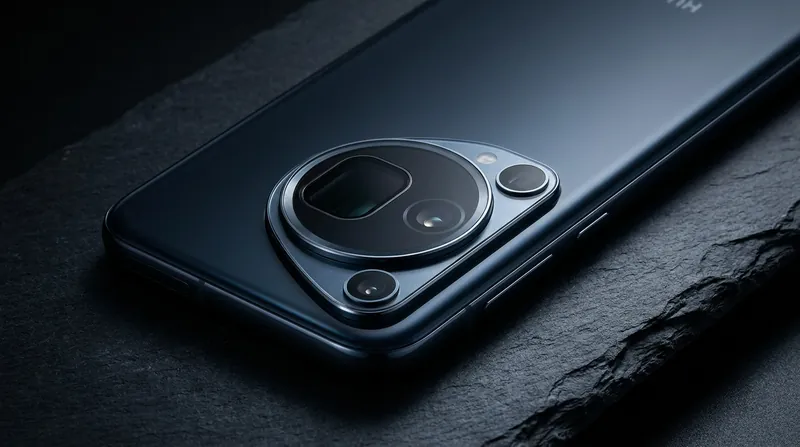
Huawei Unveils Dual-Lens, Single-Sensor Periscope Zoom System in Pura 80 Ultra Flagship Phone
3 sources
Mobile Hardware
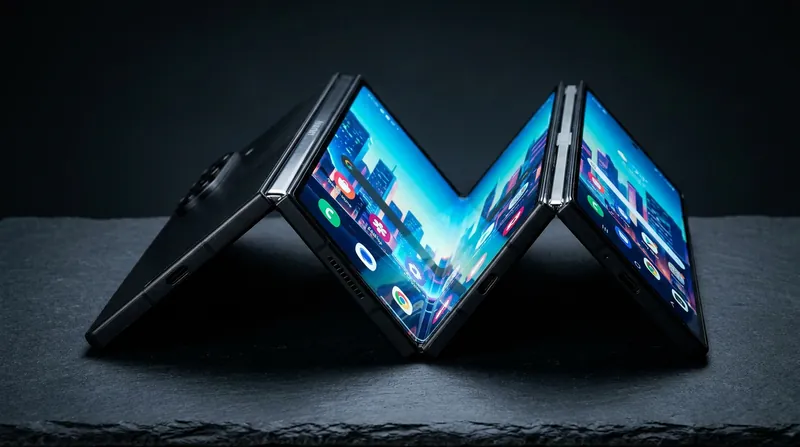
Samsung Confirms Triple-Folding 'Galaxy Z TriFold' for US Market Launch
5 sources
Comments
Every angle. Every day.
Get Technology stories with full source coverage and perspective breakdowns, free every day.