
Sam Neill Dies at 78 From Pneumonia Months After Beating Lymphoma
The beloved New Zealand actor, celebrated for his iconic roles in 'Jurassic Park' and 'The Piano', passed away suddenly in Sydney. Representatives confirmed he had recently beaten blood cancer and filmed four final projects.
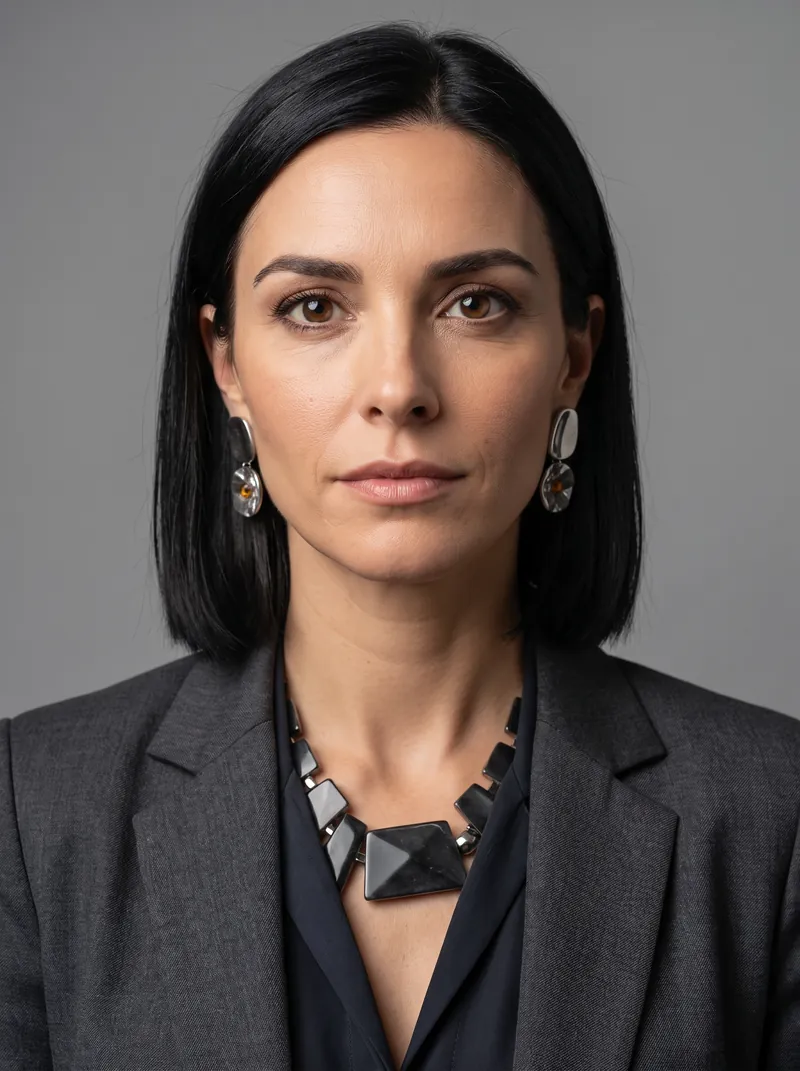
Share this story
Sir Nigel John Dermot "Sam" Neill, the versatile and universally beloved New Zealand actor whose remarkable five-decade career spanned intimate indie masterpieces and massive global blockbusters, died on Monday, July 13, in Sydney, Australia. He was 78 years old. Known for bringing a grounded, intelligent gravity to every role he inhabited, Neill became a household name around the world, most notably for his portrayal of the pragmatic paleontologist Dr. Alan Grant in the 'Jurassic Park' franchise.
His passing marks the end of an era for both the Hollywood establishment and the tight-knit Antipodean film community, where he was revered not just as a movie star, but as a foundational pillar of their cinematic identity and a tireless champion of local storytelling.[2]
The actor's passing was initially described by his grieving family as "sudden and unexpected," prompting a wave of shock across the entertainment industry and leading to intense media speculation regarding his health. On Thursday, his longtime representative, Philip Grenz, released a detailed statement clarifying the exact cause of death as pneumonia.
Grenz explained that the family chose to release this medical information specifically to dispel "inaccuracies and outright falsehoods" circulating in the press, which incorrectly assumed Neill had succumbed to the blood cancer he had been battling over the previous few years.[1]
"Prior to becoming sick, Sam had valiantly fought and beaten lymphoma through a new treatment called CAR-T therapy," Grenz stated emphatically to the press. He underscored that Neill had been entirely cancer-free at the time he contracted the fatal respiratory infection.
The clarification was important to Neill's family and medical advocates, as the actor had spent his final months publicly celebrating his remission and advocating for the very science that had given him a new lease on life. His sudden vulnerability to pneumonia highlights the fragile immune realities often faced by patients recovering from intensive, multi-year cancer treatments.[1]
Neill's recent health journey had been a profound source of inspiration for fans and fellow cancer patients alike. In early 2022, he was diagnosed with stage three angioimmunoblastic T-cell lymphoma, a rare and highly aggressive form of blood cancer.
After standard chemotherapy regimens ceased to be effective, Neill's medical team enrolled him in an Australian clinical trial for CAR-T cell therapy. This cutting-edge form of immunotherapy involves extracting a patient's own immune cells, genetically modifying them in a laboratory to recognize and attack cancer cells, and then infusing them back into the bloodstream to hunt the disease.[2]
The experimental treatment was a resounding success. By April 2026, Neill joyfully announced to the public that recent scans showed absolutely no trace of the disease remaining in his body. Rather than retreating into privacy, he used his elevated platform to advocate fiercely for wider, more equitable access to this expensive and complex treatment for blood cancer patients across Australia and New Zealand.
He worked closely with the Snowdome Foundation, a prominent blood cancer charity, to ensure that the medical breakthrough that saved his life could become a standard option for others facing similar dire diagnoses.[2]
Neill chronicled his harrowing but ultimately triumphant medical battle in his acclaimed 2023 memoir, 'Did I Ever Tell You This?'. Writing with his signature blend of profound introspection and dry, self-deprecating wit, he noted that while he was not inherently afraid of dying, the prospect deeply "annoyed" him.
He explained that he still had so much living he wanted to do, from watching his beloved grandchildren grow up to tending the vines at his cherished Two Paddocks winery in Central Otago. The memoir became a bestseller, praised for its candid look at mortality and the enduring joy of a life well-lived.
That exact signature dry wit was remembered fondly this week by his closest collaborators and friends. New Zealand actor Rima Te Wiata, who starred opposite Neill in Taika Waititi's universally beloved 2016 comedy 'Hunt for the Wilderpeople', noted the tragic, almost cosmic irony of his sudden passing. "I think he would be like: 'For goodness sake, I got over my cancer. And now look, now I get pneumonia. What next?'" she told the New Zealand Herald, perfectly capturing the wry humor Neill was famous for on set.
Globally, Neill will forever be immortalized as Dr. Alan Grant, the dinosaur-averse paleontologist who anchored Steven Spielberg's groundbreaking 1993 blockbuster 'Jurassic Park' and returned for multiple sequels, including 2022's 'Jurassic World Dominion'. Spielberg led Hollywood's outpouring of tributes this week, remembering Neill's modest style, immense talent, and the warm camaraderie he brought to the grueling, effects-heavy productions. For an entire generation of moviegoers, Neill's terrified yet awe-struck face looking up at a Brachiosaurus remains one of the defining images of modern cinema.[2]
"I adored making all the 'Jurassic' movies with him," Spielberg said in a heartfelt public statement released shortly after the news broke. "Along with Laura Dern and Jeff Goldblum, we will always have our 'Jurassic' family and Sam will never be forgotten by us or his many millions of fans around the world." Co-stars echoed Spielberg's sentiments, universally praising Neill for approaching massive franchise tentpoles with the exact same grounded humility and dedication to craft that he brought to tiny independent films.
Beyond running from genetically engineered dinosaurs, Neill's filmography was remarkably diverse and critically acclaimed. He delivered a haunting, complex performance alongside Holly Hunter in Jane Campion's Oscar-winning masterpiece 'The Piano' (1993), commanded the screen as a Soviet officer in 'The Hunt for Red October' (1990), and terrified audiences in the sci-fi horror cult classic 'Event Horizon' (1997). His ability to seamlessly transition between terrifying villains, pragmatic heroes, and deeply flawed, vulnerable men made him one of the most reliable and sought-after character actors of his generation.[2]
In his later years, Neill found a massive new audience on television, proving his enduring versatility in the prestige drama era. He starred as the ruthless, calculating Major Chester Campbell in the global BBC hit 'Peaky Blinders', going toe-to-toe with Cillian Murphy in some of the show's most memorable scenes. More recently, he led the acclaimed Australian legal drama 'The Twelve', a role that earned him widespread praise and had just been renewed for a highly anticipated third season shortly before his death.[2]
Despite the immense physical toll of his illness and subsequent recovery, Neill's legendary work ethic never wavered. According to his agent's statement, the actor had astonishingly filmed four separate projects "back-to-back" over the past year while in remission. These final performances, which span both film and television, are slated for posthumous release in the coming months, ensuring that audiences will have several more opportunities to appreciate his craft and that his cinematic legacy will continue to unfold even after his passing.[1]
Away from the glare of the cameras and the red carpets, Neill was an intensely private man who found his greatest peace and purpose among the rolling hills of his New Zealand farm. He established Two Paddocks in 1993, dedicating decades to growing it into an internationally award-winning producer of organic Pinot Noir.
The vineyard served as a quiet sanctuary for his family, his friends, and an eclectic collection of farm animals—many of whom he famously named after his Hollywood co-stars and frequently featured on his charmingly unpolished social media accounts.
In strict accordance with his lifelong preference for avoiding Hollywood spectacle, Neill's family announced they will honor him with a private, quiet memorial service at his farm at a later date. They requested that in lieu of flowers, fans and colleagues make donations to the Dunstan Hospital Foundation or the Snowdome Foundation. Through these charitable avenues, Neill's legacy of quiet generosity, environmental stewardship, and fierce advocacy for cancer research will continue to impact lives far beyond the silver screen.[1]
Key points
- Actor Sam Neill died suddenly from pneumonia at age 78 in Sydney, Australia.
- Representatives confirmed he was entirely cancer-free at the time of his death.
- Neill had recently beaten stage three blood cancer using advanced CAR-T cell therapy.
- He filmed four final projects back-to-back over the past year while in remission.
What we don’t know
- The exact release dates and titles of the four final projects Neill filmed over the past year.
- The specific date for his private family memorial service in New Zealand.
How we got here
1977
Neill achieves his first major acting recognition in the New Zealand film Sleeping Dogs.
1993
Stars in both the blockbuster Jurassic Park and the Oscar-winning indie film The Piano, cementing his global fame.
March 2022
Diagnosed with stage three angioimmunoblastic T-cell lymphoma and begins chemotherapy.
March 2023
Releases his memoir, Did I Ever Tell You This?, detailing his life and cancer battle.
April 2026
Announces he is completely cancer-free following a successful clinical trial for CAR-T cell therapy.
July 13, 2026
Passes away suddenly from pneumonia in Sydney, Australia, at the age of 78.
- Hollywood Collaborators
- Focus on his global cinematic legacy, professionalism, and modest demeanor.
- Antipodean Arts Community
- Focus on his foundational role in New Zealand and Australian cinema and his signature dry wit.
- Medical Advocates
- Focus on his transparency regarding his illness and his advocacy for advanced cancer treatments.
Perspectives this story doesn't cover
- Patients currently undergoing CAR-T cell therapy trials
- The winemaking community in Central Otago
Sources
Source coverage
2 outlets
3 viewpoints surfaced


- [1]PBS NewsMedical Advocates
'Jurassic Park' star Sam Neill died from pneumonia, agent says
Read on PBS News → - [2]WikipediaMedical Advocates
Sam Neill
Read on Wikipedia →
More in Entertainment
See all →Media Law
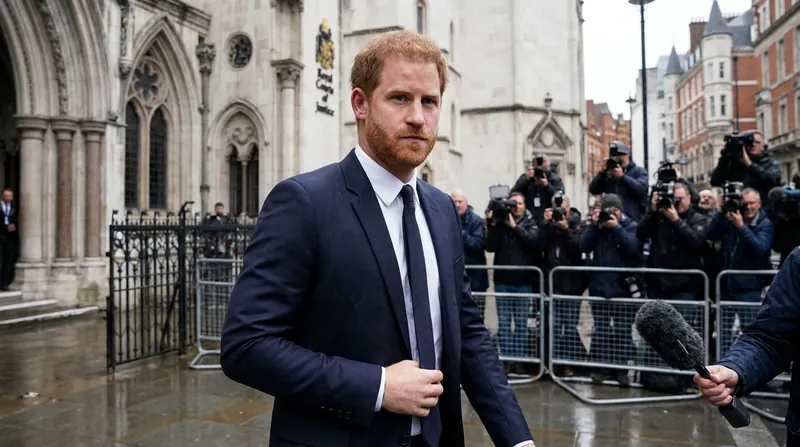
Prince Harry Loses Final Privacy Lawsuit Against Daily Mail Publisher
2 sources
Youth Mental Health
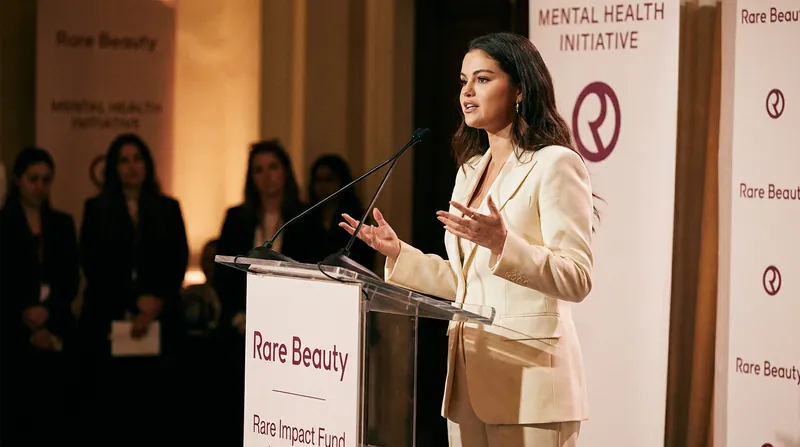
Selena Gomez's Rare Impact Fund Crosses $100 Million Goal Four Years Early, Launches Global School Initiative
2 sources
Music Business
BMG and Concord Agree to $7 Billion Merger, Creating the World's Largest Independent Music Company
1 sources

Music Legacy
Legendary Music Executive Clive Davis Dies at 94, Leaving a Half-Century Legacy of Pop Innovation
2 sources
Comments
Every angle. Every day.
Get Entertainment stories with full source coverage and perspective breakdowns, free every day.