
Robert Redford Dies at 89: A Retrospective Guide to His Legacy as a Star and Director
The generational icon who conquered Hollywood as a leading man and transformed it as an independent film pioneer has passed away at 89.
Share this story
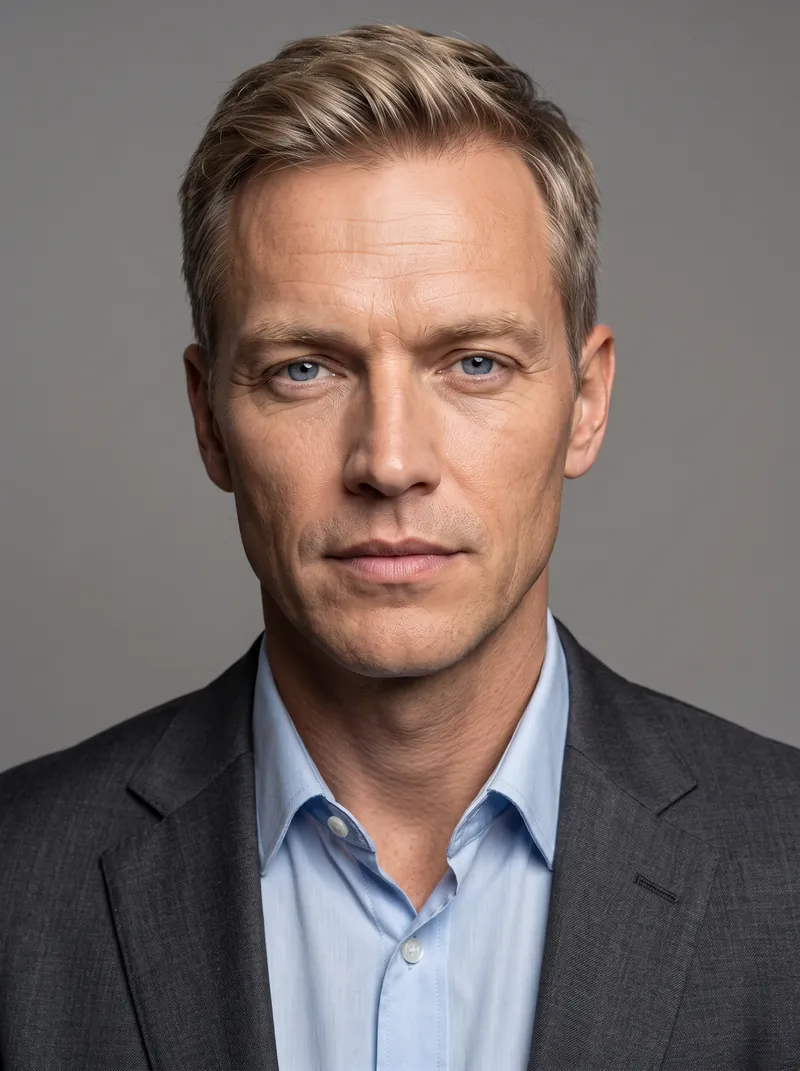
Robert Redford, the generational icon who conquered Hollywood twice—first as its most magnetic leading man and later as the godfather of American independent cinema—has died at 89. He passed away peacefully at his home in the mountains of Utah, surrounded by family, according to a statement released by his publicist. His death marks the end of an era for the film industry, prompting an immediate global outpouring of tributes from co-stars, directors, and politicians who revered his monumental contributions to the arts.[2][3]
As audiences worldwide seek to honor his memory this weekend, they face a fascinating choice between two distinct cinematic paths. We compare the two defining eras of Redford's career to help viewers navigate his expansive filmography and choose the viewing experience that best captures his enduring magic.
The first path is the "Golden Boy" era, spanning his meteoric rise in the late 1960s through his absolute dominance of the 1970s box office. This period cemented his status as a global sex symbol and cinematic titan, defined by his effortless charm and striking good looks in beloved classics like "Butch Cassidy and the Sundance Kid" and the sweeping romance of "The Way We Were."
When evaluating the Golden Boy era, the trade-offs are distinct. The argument for this path highlights his unmatched on-screen charisma and iconic pairings that defined the flawed American hero. The argument against this path notes that his sheer star power sometimes overshadowed his deeper thematic interests, with early roles relying heavily on his conventional good looks. The evidence of this era's supremacy, however, is undeniable: "The Sting" won Best Picture, and his pairing with Paul Newman remains the gold standard for cinematic chemistry.[1]
Beyond the buddy comedies, this era also showcased his ability to anchor weighty political thrillers. His portrayal of relentless Washington Post journalist Bob Woodward in "All the President's Men" captured the paranoid zeitgeist of 1970s America perfectly. For viewers seeking pure, unadulterated movie magic and a snapshot of a bygone Hollywood studio system, this era is practically flawless.[2]
The second path is the "Indie Godfather" era, beginning in the early 1980s when Redford stepped behind the camera and fundamentally rewired the industry's infrastructure. Seeking a refuge from the blockbuster machine he helped create, he founded the Sundance Institute in 1981, transforming a small Utah gathering into the premier launchpad for independent film.[2]
The Indie Godfather era presents its own distinct profile. The argument for this path is his profound structural impact on the industry, as he did more to democratize cinema than any other individual by launching generations of outsider auteurs. The argument against this path is that viewers must accept a slower, more contemplative pacing that lacks the breezy popcorn appeal of his 1970s blockbusters. The evidence of his success here is staggering: his directorial debut "Ordinary People" won four Academy Awards, and Sundance grew into a global kingmaker.[3]
Sundance provided a vital platform for two generations of outside-the-system filmmakers—from Quentin Tarantino to Ava DuVernay—who were eventually embraced by ticket buyers and studios alike. Redford insisted that his arts colony was not about insurgents attacking the mainstream, but rather about broadening the very concept of what mainstream cinema could be.[2]
Beyond the camera, Redford's legacy is deeply intertwined with his environmental and political activism. He leveraged his massive fame to lobby for the Clean Air and Clean Water Acts, serving as a dedicated trustee for the Natural Resources Defense Council. His commitment to the American West was not just a cinematic backdrop, but a lifelong crusade for conservation that earned him the Presidential Medal of Freedom.[1][3]
This off-screen dedication often bled into his on-screen choices. Films like "Jeremiah Johnson" and "The Candidate" reflected his deep skepticism of political corruption and his reverence for the natural world. He was a man who craved the solitude of his Utah wilderness home just as much as he understood how to command a Hollywood premiere.[2]
Even in his twilight years, Redford continued to challenge himself, blurring the lines between his two eras. In 2013's "All Is Lost," he delivered a masterclass performance as a shipwrecked sailor, speaking only 51 words. It was a bold, independent-spirited project that relied entirely on his enduring star presence to anchor the harrowing survival narrative.[1]
Ultimately, the Golden Boy era fits well when audiences want pure entertainment, undeniable star wattage, and sweeping romance. It does not fit when viewers are looking for gritty, outside-the-system storytelling or quiet domestic dramas.
Conversely, the Indie Godfather era fits well when you want to understand his structural impact on modern cinema through nuanced character studies. It does not fit when you are seeking the breezy escapism of a heist movie.
There is never a single winner without conditions when comparing these two monumental phases of his life. Both paths are essential to understanding the man who was always searching for meaning beyond his own reflection. Whether riding into the sunset as the Sundance Kid or building the actual Sundance empire, Robert Redford's dual legacy will shape American cinema forever.
Key points
- Robert Redford has died at age 89 at his home in Utah, surrounded by family.
- He leaves behind a monumental dual legacy as both a blockbuster leading man and an Oscar-winning director.
- His founding of the Sundance Institute in 1981 fundamentally democratized American independent cinema.
- Beyond Hollywood, Redford was a dedicated environmental activist who championed conservation in the American West.
What we don’t know
- How the Sundance Institute will transition its long-term leadership and vision in the wake of its founder's passing.
- Whether any unreleased documentary or voiceover projects featuring Redford remain in post-production.
How we got here
1969
Stars alongside Paul Newman in 'Butch Cassidy and the Sundance Kid,' cementing his status as a global leading man.
1976
Stars in 'All the President's Men,' capturing the paranoid political zeitgeist of the Watergate era.
1980
Makes his directorial debut with 'Ordinary People,' winning the Academy Award for Best Director.
1981
Founds the Sundance Institute in Utah to support and elevate independent filmmakers outside the studio system.
2016
Receives the Presidential Medal of Freedom for his contributions to the arts and environmental conservation.
2025
Passes away at age 89 at his home in the mountains of Utah.
- Mainstream Cinema Enthusiasts
- Celebrates his legacy primarily through his blockbuster acting roles and undeniable star power.
- Independent Film Advocates
- Views his greatest contribution as the founding of Sundance and his championing of outsider filmmakers.
- Environmental & Political Activists
- Focuses on his off-screen legacy of conservation, liberal advocacy, and protecting the American West.
Perspectives this story doesn't cover
- Emerging filmmakers who rely on the Sundance festival for distribution.
- Utah local residents impacted by the massive growth of the annual festival.
Sources
Source coverage
3 outlets
3 viewpoints surfaced



- [1]PBSEnvironmental & Political Activists
Robert Redford, the Hollywood golden boy who became an Oscar-winning director, dies at 89
Read on PBS → - [2]The Washington PostIndependent Film Advocates
Robert Redford, movie star and Sundance founder, dies at 89
Read on The Washington Post → - [3]The GuardianEnvironmental & Political Activists
South Africa World Cup midfielder Jayden Adams dies aged 25
Read on The Guardian →
More in Entertainment
See all →AI Music Rights
Musicians' Union Lawsuit Against Universal and Warner Highlights Competing Models for AI Licensing
5 sources

Franchise Strategy
The 'Moana' Misfire: What Disney's $250 Million Box Office Flop Reveals About the Remake Economy
6 sources

Gaming Industry
Saudi PIF's $55 Billion Buyout of EA Nears EU Approval, Reshaping the Gaming Industry
3 sources

Film Incentives
California's $750 Million Film Tax Credit Expansion Projects $6.6 Billion Economic Impact
3 sources
Comments
Every angle. Every day.
Get Entertainment stories with full source coverage and perspective breakdowns, free every day.