
Revolutionary Immune Reset Therapy Puts Severe Lupus Into Drug-Free Remission
A clinical trial using genetically modified immune cells has successfully driven severe systemic lupus erythematosus into deep remission, allowing patients to stop all standard medications. The breakthrough offers strong evidence that CAR-T cell therapy could fundamentally reset the immune system in autoimmune diseases.
By Factlen Editorial Team
- Clinical Researchers
- Focus on the unprecedented efficacy and the biological proof that severe autoimmune diseases can be fundamentally reset rather than just managed.
- Patient Advocates
- Emphasize the life-altering quality of life improvements, celebrating the transition from debilitating chronic illness to drug-free normalcy.
- Health Economists
- Highlight the unsustainable cost and scalability challenges of bespoke cell therapies, urging investment in off-the-shelf alternatives.
What's not represented
- · Insurance Providers
- · Patients ineligible for the trial
Why this matters
For the millions of people living with severe autoimmune conditions, this represents a paradigm shift from lifelong symptom management to a potential one-time functional cure. If scalable, it could eliminate the need for daily immunosuppressive drugs that carry heavy side effects.
Key points
- CAR-T therapy, originally for cancer, is successfully treating severe lupus.
- The therapy wipes out rogue B-cells, allowing the immune system to reboot.
- Trial patients have achieved deep remission without needing ongoing medication.
- The treatment's safety profile appears better in autoimmune patients than in oncology.
- High manufacturing costs and scalability remain the primary barriers to widespread use.
A revolutionary approach to treating systemic lupus erythematosus (SLE) is yielding unprecedented clinical results, effectively putting the disease into deep, drug-free remission. According to recent clinical trial data, patients with severe, treatment-resistant forms of the disease have experienced a complete reversal of symptoms after undergoing a cellular "immune reset." The breakthrough provides robust evidence that a technology originally designed for oncology can be safely and effectively repurposed for rheumatology.[1][2]
The breakthrough centers on CAR-T (chimeric antigen receptor T-cell) therapy, a sophisticated cellular engineering technique originally developed to hunt down and destroy treatment-resistant blood cancers. Researchers have successfully utilized this technology to target the root cause of autoimmune diseases, offering what medical experts are cautiously referring to as a functional cure for patients who had exhausted all other options.[2][5]
To understand the weight of this evidence, it is necessary to examine the underlying pathology of lupus. SLE is a chronic, systemic autoimmune condition where the body's adaptive immune system loses its ability to distinguish between foreign pathogens and healthy tissue, leading to widespread internal damage.[3]
The primary culprits in this biological misidentification are rogue B-cells. In a healthy immune system, B-cells act as factories that produce antibodies to neutralize viruses and bacteria. In lupus patients, a subset of these cells malfunctions and produces "autoantibodies" that relentlessly attack the patient's own kidneys, skin, joints, and central nervous system.[3][6]

Standard treatments for lupus rely on broad immunosuppression—using corticosteroids and targeted biologics to dampen the entire immune system. While this reduces the severity of the autoimmune attack, it leaves patients highly vulnerable to everyday infections and requires lifelong, daily medication that often carries severe, compounding side effects.[3][4]
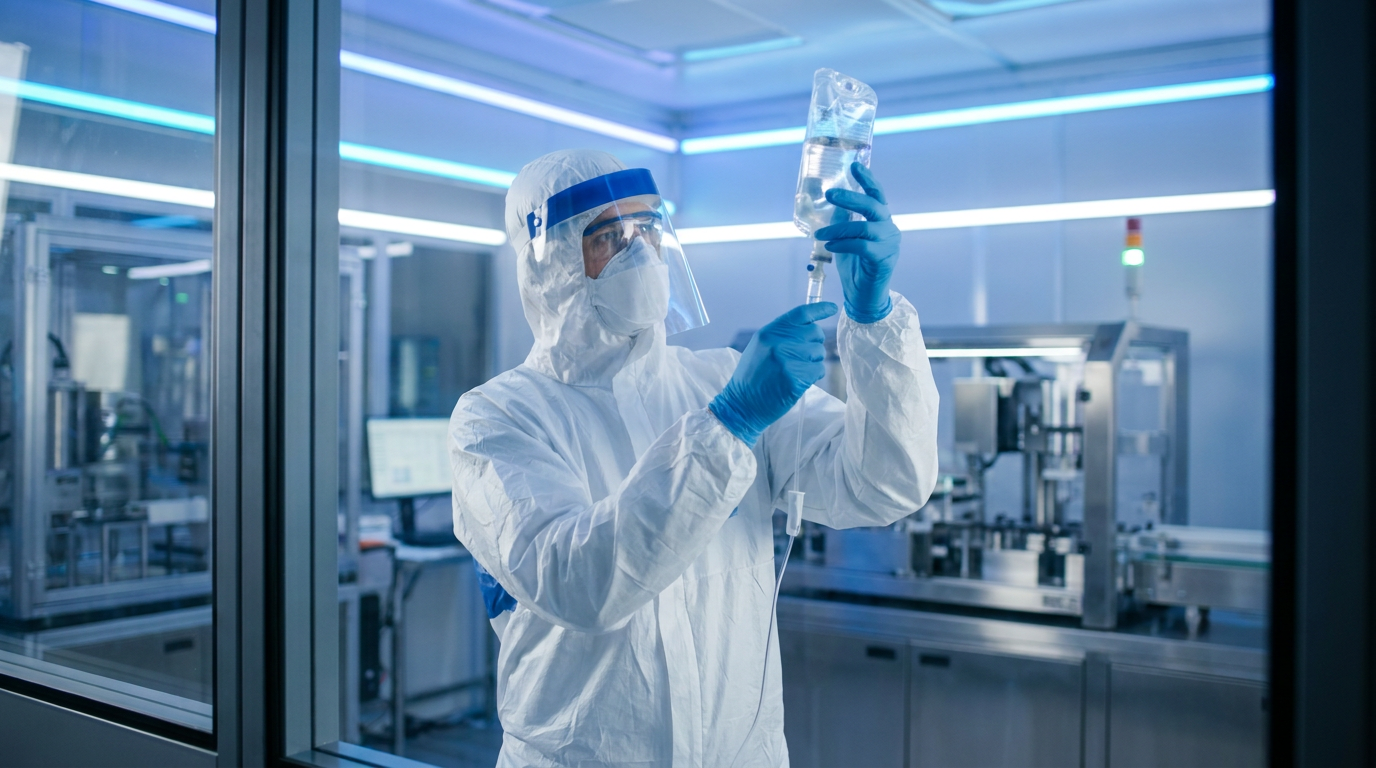
The CAR-T therapy approach fundamentally alters this paradigm by executing a targeted, temporary strike rather than permanent, broad suppression. The process begins by extracting a patient's own T-cells—the "soldiers" of the immune system—and genetically modifying them in a highly specialized laboratory environment.[2][6]
The CAR-T therapy approach fundamentally alters this paradigm by executing a targeted, temporary strike rather than permanent, broad suppression.
These engineered T-cells are equipped with a chimeric antigen receptor designed specifically to seek out the CD19 protein, a marker found on the surface of all B-cells. Once infused back into the patient's bloodstream, the CAR-T cells multiply, hunt down, and eradicate the entire B-cell population, effectively wiping the immune system's memory of the autoimmune disease.[2][4]
The clinical evidence supporting this mechanism is striking. In recent multi-center trials published in leading medical journals, patients who had failed multiple conventional therapies received a single infusion of the modified cells. Within weeks, their rogue B-cells were completely depleted, and their clinical disease activity scores plummeted to zero.[2][4]

BBC News highlighted the profound human impact of these metrics, profiling trial participants who transitioned from requiring continuous, debilitating medical care to living entirely normal, active lives. Crucially, these patients have not required any immunosuppressive medication since their treatment, a milestone previously considered unreachable in severe SLE.[1]
The most remarkable biological finding emerged several months after the initial treatment. As the patients' bodies naturally regenerated new B-cells from stem cells in the bone marrow, these new cells were "naive." They functioned normally and did not produce the destructive autoantibodies, proving that the immune system had been successfully rebooted without permanently compromising the patient's ability to fight future infections.[2][6]

Despite the overwhelming efficacy data, the evidence pack carries significant caveats regarding safety and acute toxicity. CAR-T therapy is known to trigger cytokine release syndrome (CRS), a potentially life-threatening systemic inflammatory response, as well as temporary neurotoxicity, requiring patients to be monitored in specialized hospital units.[4][5]
However, rheumatology researchers note a crucial distinction in the data: the safety profile in autoimmune patients appears substantially better than in cancer patients. Because lupus patients have a lower total burden of target cells compared to patients with advanced leukemia, the resulting immune storm during the CAR-T expansion phase is generally milder and highly manageable with standard interventions.[4][6]
The primary barrier to widespread adoption is not efficacy, but health economics and scalability. CAR-T is a bespoke, autologous therapy—meaning a new batch must be custom-manufactured for every single patient. The current list price for the cellular engineering alone ranges from $400,000 to $500,000, not including the required hospitalization and supportive care.[5][6]

To address this, pharmaceutical companies and biotech startups are aggressively pursuing "off-the-shelf" allogeneic CAR-T therapies and in vivo engineering techniques to bypass the manufacturing bottleneck. If successful, these next-generation approaches could dramatically reduce costs and transform the therapy from a last-resort option into an early intervention for millions of autoimmune patients worldwide.[5][6]
How we got here
2017
The FDA approves the first CAR-T cell therapy for the treatment of specific blood cancers.
2021
German researchers treat the first severe lupus patient with CAR-T therapy under compassionate use protocols.
Late 2022
Initial data published in Nature Medicine shows five lupus patients achieving complete remission following the therapy.
2024
Expanded multi-center clinical trials begin across the US and Europe to test the therapy in larger autoimmune cohorts.
June 2026
Long-term follow-up data confirms sustained, drug-free remission, prompting a massive industry pivot toward autoimmune applications.
Viewpoints in depth
Clinical Researchers
Focus on the unprecedented efficacy and the biological proof of an immune reset.
For rheumatologists and immunologists, the trial data represents a watershed moment in medical science. For decades, the treatment paradigm for autoimmune disease has been built entirely around suppression—using blunt instruments like steroids to quiet the immune system at the cost of the patient's overall health. Researchers view the CAR-T data as proof that the immune system can actually be 'rebooted.' The fact that newly generated B-cells emerge in a naive state, without the memory to produce autoantibodies, proves that a functional cure is biologically possible, fundamentally changing how the field approaches autoimmune pathology.
Patient Advocates
Emphasize the life-altering quality of life improvements and the end of daily medication.
From the perspective of patients and advocacy groups, the clinical metrics—while impressive—are secondary to the human impact. Severe lupus often means a lifetime of chronic fatigue, joint pain, organ threat, and the severe side effects of high-dose corticosteroids, including bone density loss and constant infection risk. Advocates celebrate the therapy as a miraculous return to normalcy, highlighting stories of patients who have returned to work, exercise, and family life without the shadow of daily medication. However, these groups are also urgently lobbying for pathways to make the treatment accessible, fearing it will remain an elite therapy out of reach for the average patient.
Health Economists
Highlight the unsustainable cost and scalability challenges of bespoke cell therapies.
Health economists and industry analysts view the breakthrough through a lens of logistical and financial friction. Autologous CAR-T therapy requires extracting a patient's cells, shipping them to a specialized facility, engineering them over several weeks, and shipping them back—a process that currently costs roughly half a million dollars per patient. Economists argue that while this model is viable for rare, terminal cancers, it is completely unsustainable for the millions of people living with autoimmune diseases. They argue that the true revolution will only arrive when the industry perfects 'off-the-shelf' allogeneic therapies or in vivo engineering that can be administered like a standard biologic drug.
What we don't know
- Whether the 'immune reset' will last for the patient's entire lifetime, or if rogue B-cells will eventually return.
- How quickly pharmaceutical companies can develop 'off-the-shelf' versions to lower the prohibitive costs.
- Which specific subset of lupus patients will benefit most, and who might be at higher risk for severe inflammatory side effects.
Key terms
- CAR-T Cell Therapy
- A treatment where a patient's T-cells are extracted, genetically engineered to attack a specific target, and infused back into the body.
- B-cells
- A type of white blood cell responsible for producing antibodies; in lupus, these cells malfunction and attack healthy tissue.
- Autoantibodies
- Proteins produced by the immune system that mistakenly target and damage the body's own organs and tissues.
- Systemic Lupus Erythematosus (SLE)
- The most common and severe form of lupus, a chronic autoimmune disease that can cause widespread inflammation and organ damage.
- Cytokine Release Syndrome (CRS)
- A potentially dangerous systemic inflammatory response that can occur when engineered T-cells rapidly multiply and attack their targets.
Frequently asked
Is CAR-T therapy a permanent cure for lupus?
Researchers are cautiously calling it a 'functional cure.' Patients in early trials have remained in drug-free remission for several years, but lifelong durability is still being studied.
How much does the treatment cost?
Currently, the bespoke cellular engineering process costs between $400,000 and $500,000 per patient, not including hospital care, making widespread access a major challenge.
Will this work for other autoimmune diseases?
Yes, early evidence suggests the same mechanism is highly effective for other B-cell driven conditions, and trials are currently expanding into multiple sclerosis and systemic sclerosis.
Are there severe side effects?
The treatment can cause cytokine release syndrome (CRS), a severe inflammatory response, though data shows this is generally milder in lupus patients than in cancer patients.
Sources
Source coverage
6 outlets
3 viewpoints surfaced






[1]BBCPatient Advocates
'I've never been this good' – revolutionary immune reset puts lupus in remission
Read on BBC →[2]Nature MedicineClinical Researchers
Long-term efficacy of CD19 CAR T cell therapy in systemic lupus erythematosus
Read on Nature Medicine →[3]National Institutes of Health
Systemic Lupus Erythematosus (SLE) Overview and Pathology
Read on National Institutes of Health →[4]The Lancet RheumatologyClinical Researchers
Safety and efficacy of CAR-T in autoimmune diseases: a multicenter trial
Read on The Lancet Rheumatology →[5]STAT NewsHealth Economists
CAR-T therapies pivot from cancer to autoimmune diseases as clinical data matures
Read on STAT News →[6]Factlen Editorial TeamHealth Economists
Synthesis by Factlen editorial team
Read on Factlen Editorial Team →

More in health
See all 6 stories →Metabolic Health
Muscle as an Organ of Longevity: The Science of Myokines and Metabolic Health
0 sources

Clinical Evidence
The Evidence for Exercise as a First-Line Mental Health Treatment
0 sources

Diabetes Research
FDA Approves First Disease-Modifying Therapy for Newly Diagnosed Stage 3 Type 1 Diabetes in Youth
0 sources
Longevity Science
The Science of 'Exercise Snacks': How 1-Minute Bursts of Movement Can Transform Longevity
0 sources

Every angle. Every day.
Get health stories with full source coverage and perspective breakdowns delivered to your inbox.