
Mexico Ends 40-Year Knockout Drought With Historic Win Over Ecuador, Advances to Round of 16
Propelled by a deafening home crowd at the Estadio Azteca, the Mexican national team defeated Ecuador to secure their first World Cup knockout stage victory since 1986.

- Mexican Media & Fans
- Celebrating the end of a historic sporting curse and the emotional release of breaking the 'quinto partido' barrier on home soil.
- International Analysts
- Recognizing Mexico's tactical evolution, the overwhelming impact of home-field advantage, and the shifting dynamics of the tournament bracket.
- Ecuadorian Camp
- Expressing frustration over a missed opportunity and focusing on the rebuilding phase following the immediate resignation of their manager.
Perspectives this story doesn't cover
- Upcoming opponents in the World Cup bracket
- Local businesses and organizers in Mexico City
Fast facts
- Mexico defeated Ecuador to advance to the next round of the 2026 World Cup.
- The victory marks Mexico's first knockout stage win in 40 years, breaking a historic curse.
- Ecuador manager Sebastian Beccacece resigned immediately following the defeat.
- The match was played in front of a deafening home crowd at the Estadio Azteca in Mexico City.
- Mexico utilized a high-pressing tactical system to overwhelm the Ecuadorian defense.
How we got here
1986
Mexico secures its last World Cup knockout stage victory on home soil.
1994-2022
Mexico suffers a series of consecutive Round of 16 eliminations, creating the 'quinto partido' curse.
June 2026
Mexico successfully navigates the group stage of the co-hosted 2026 World Cup.
June 30, 2026
Mexico defeats Ecuador at the Estadio Azteca to break the 40-year drought.
July 1, 2026
Ecuador manager Sebastian Beccacece announces his resignation.
The deafening roar that cascaded down the concrete tiers of the Estadio Azteca on Tuesday night was the sound of four decades of sporting frustration finally evaporating. Propelled by a relentless home crowd, the Mexican national team defeated Ecuador to secure their first World Cup knockout stage victory since 1986. The historic win not only propels El Tri into the next round of the tournament but also shatters a psychological barrier that has haunted generations of players and supporters. Playing with a visible swagger and tactical discipline, Mexico overwhelmed an Ecuadorian side that struggled to cope with both the high-altitude conditions and the sheer volume of the host nation's support.[1][3][4]
For Mexican soccer, the phrase "quinto partido" (the fifth game) has long been synonymous with heartbreak. In seven consecutive World Cups from 1994 to 2018, Mexico successfully navigated the group stage only to suffer agonizing defeats in the Round of 16. This 40-year drought became a defining narrative of the national team, a curse that seemed to strike regardless of the squad's talent or the manager in charge. By finally breaking through on home soil, this current generation of players has cemented their legacy, achieving a milestone that eluded legends of the past and instantly reshaping the country's expectations for the remainder of the 2026 tournament.[4][5]
The tactical approach deployed by Mexico was a stark departure from the cautious setups that have occasionally hindered them in past knockout fixtures. Embracing the energy of the "Fortress Azteca," the team utilized a high-pressing system that disrupted Ecuador's buildup play from the opening whistle. Dynamic wing play stretched the opposing defense, creating pockets of space in the final third that Mexico ruthlessly exploited. Analysts noted that this aggressive posture was a calculated risk, relying heavily on the adrenaline provided by the 80,000-plus supporters to sustain the physical demands of the press throughout the grueling 90 minutes.[1]
On the opposing touchline, the defeat signaled the immediate end of an era for the Ecuadorian national team. Shortly after the final whistle, manager Sebastian Beccacece announced his resignation, concluding his tenure with the South American squad. Beccacece acknowledged the difficulty of the environment, noting that his young team was ultimately overwhelmed by the occasion and the relentless pressure applied by the hosts. His departure leaves Ecuador searching for new leadership as they look to rebuild following a campaign that showed initial promise but ultimately fell short against a highly motivated Mexican side.[2]
The emotional resonance of the victory was palpable long after the match concluded. Mexican players collapsed onto the pitch in tears, embracing one another as the stadium erupted in a chorus of traditional songs and chants. For the veterans on the squad, the win represented redemption after years of bearing the weight of past failures. For the younger players, it was a validation of their talent on the sport's biggest stage. The scenes of jubilation extended far beyond the stadium, with thousands of fans flooding the streets of Mexico City, transforming the capital into a massive, impromptu celebration of national pride.[5]
The emotional resonance of the victory was palpable long after the match concluded.
Looking ahead, the landscape of the 2026 World Cup appears increasingly unpredictable, presenting Mexico with a unique opportunity. With traditional European powerhouses like Germany and the Netherlands having already suffered shock early exits, the tournament bracket has opened up significantly. Mexico now advances with immense momentum, carrying the hopes of a host nation that suddenly believes a deep run is not just a dream, but a tangible possibility. The challenge now will be managing the soaring expectations and maintaining their tactical discipline as the caliber of opposition intensifies in the later stages of the competition.[1][3]
The broader impact of this victory on North American soccer cannot be overstated. As co-hosts of the expanded 48-team tournament, Mexico's success provides a massive boost to the event's local engagement and commercial momentum. The electric atmosphere at the Azteca serves as a powerful reminder of the region's deep-rooted passion for the sport, setting a high bar for the remaining knockout fixtures. For the Mexican federation, the historic win validates years of investment in youth development and tactical modernization, proving that El Tri can finally compete—and win—when the stakes are at their absolute highest.[4][5]
For Ecuador, the post-mortem of this tournament will require a careful balancing of disappointment and perspective. Despite the painful exit, the South American side showcased a core of emerging talent during the group stages that bodes well for their future qualification cycles. The immediate challenge for the Ecuadorian federation will be identifying a successor to Beccacece who can harness this youthful potential and instill the tactical resilience required to navigate hostile environments like the one they faced in Mexico City. The experience gained at the Azteca, however bitter, will serve as a crucial learning curve for a squad still finding its identity on the global stage.[2]
As the dust settles on a historic night in Mexico City, the narrative surrounding the national team has fundamentally shifted. The burden of the "quinto partido" has been lifted, replaced by a surging wave of optimism and national unity. While the ultimate outcome of their 2026 campaign remains unwritten, this victory over Ecuador will be remembered as a watershed moment in Mexican sports history—a night when the ghosts of tournaments past were finally laid to rest under the bright lights of the Estadio Azteca.[5]
Ultimately, the story of this match is one of a host nation rising to meet a historic challenge. The synergy between the Mexican players and their supporters created an environment that was both intimidating and inspiring, a pure distillation of what makes World Cup soccer so captivating. As Mexico prepares for their next opponent, they do so not as a team burdened by history, but as a liberated squad riding a wave of unprecedented momentum. The 40-year wait is over, and for El Tri, a new chapter on the global stage has officially begun.[4][5]
Sources
Source coverage
5 outlets
3 viewpoints surfaced





- [1]ESPNInternational Analysts
Mexico send a World Cup message from 'Fortress Azteca' as fans aid win over Ecuador
Read on ESPN → - [2]BBC SportEcuadorian Camp
Beccacece reign as Ecuador manager over after exit
Read on BBC Sport → - [3]The GuardianInternational Analysts
World Cup 2026: France dazzle, Mexico swagger through
Read on The Guardian → - [4]Fox SportsMexican Media & Fans
Mexico breaks the curse: El Tri advances to Round of 16 with thrilling win over Ecuador
Read on Fox Sports → - [5]ReutersInternational Analysts
Mexico reach World Cup last 16 with emotional win over Ecuador
Read on Reuters →
Comments

More in Sports
See all →NFL Contracts
Patriots Make Christian Gonzalez the Highest-Paid Cornerback in NFL History
7 sources

Kansas City Current
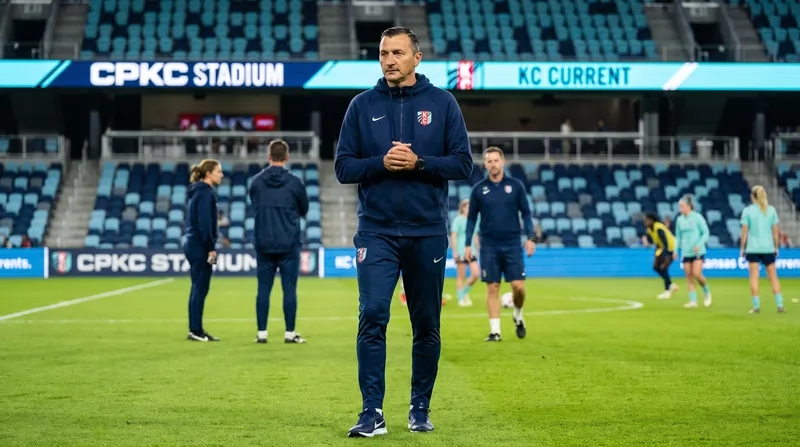
Kansas City Current Part Ways With Sporting Director Vlatko Andonovski
6 sources
Power ranking
Global Chess Power Rankings: Praggnanandhaa and So Surge Heading Into the Samarkand Olympiad
4 sources

Preview
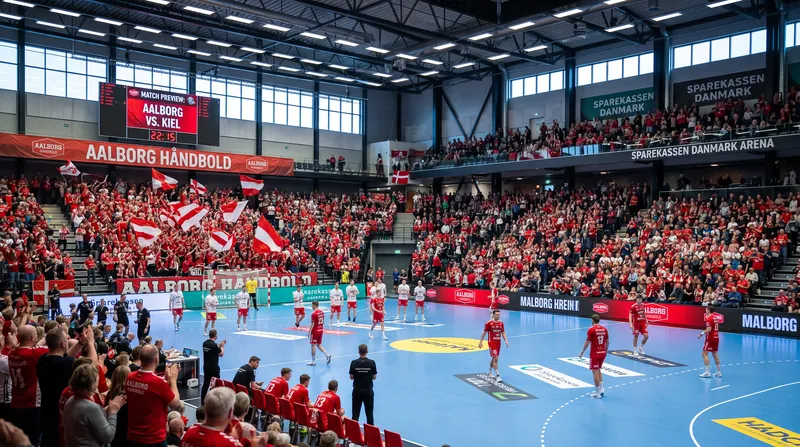
PSG Head Coach Stefan Madsen Returns to Aalborg as EHF Champions League Enters 24-Team Era
7 sources
Every angle. Every day.
Get Sports stories with full source coverage and perspective breakdowns delivered to your inbox.