
How Wellness Architecture is Rewiring the $876 Billion Luxury Real Estate Market
High-end homebuyers are abandoning traditional amenities in favor of 'biohacking' homes equipped with circadian lighting, hospital-grade air filtration, and dedicated recovery suites.

The definition of luxury real estate is fundamentally shifting. It is no longer defined solely by square footage, imported Italian marble, or panoramic views. In 2026, the ultimate residential status symbol is biological performance.
The era of the "smart home"—which primarily focused on convenience, security, and entertainment—is rapidly evolving into the era of the "wellness home." Ultra-high-net-worth buyers are increasingly demanding environments that actively biohack their bodies, regulate their nervous systems, and optimize their long-term longevity.
This shift in consumer priorities has triggered an unprecedented boom in the wellness real estate sector. According to new data released by the Global Wellness Institute (GWI) in May 2026, the global market for wellness-focused properties reached a staggering $876 billion in 2025.[1][2]
The trajectory is even steeper looking ahead. The GWI forecasts that the sector will more than double to $1.8 trillion by 2030. Expanding at an explosive 23.5% annual growth rate since 2019, wellness real estate is growing roughly double the rate of the next fastest-growing wellness sector, and completely dwarfing the 3% growth of overall global construction.[1]
What exactly makes a home a "wellness architecture" marvel? The foundational mechanism is light. For decades, artificial lighting has disrupted human biology, but the latest luxury builds integrate sophisticated circadian lighting systems as a core architectural feature rather than a simple bulb upgrade.
These systems, pioneered by wellness intelligence platforms, use advanced algorithms to simulate the natural solar day indoors. During the morning and afternoon, the home is bathed in cooler, blue-enriched light that suppresses melatonin production, boosting cognitive focus and daytime energy levels.
As evening approaches, the system automatically transitions to warmer, lower-intensity amber hues. This invisible shift signals the brain to begin melatonin production, preparing the body for restorative sleep. For globally mobile executives dealing with chronic jet lag, this environmental regulation is considered a vital, non-negotiable health intervention.
Air and water quality have also moved far beyond standard HEPA filters and basic purifiers. Modern luxury properties are being equipped with hospital-grade, whole-home purification systems that operate autonomously based on real-time environmental sensing.
Smart vents and integrated HVAC systems now continuously monitor for volatile organic compounds (VOCs), carbon dioxide, and particulate matter. If pollen counts spike outside or indoor humidity levels drop, the home's respiratory system adjusts room-to-room airflow and filtration without the homeowner ever having to touch a dial or open an app.
The traditional home gym is also being replaced—or heavily augmented—by the "Restoration Room." Buyers are shifting their focus from pure physical exertion to recovery, mental health, and nervous system regulation.[2]
These dedicated wellness suites feature built-in infrared saunas, cryotherapy chambers, and therapeutic cold plunge pools. Often located adjacent to the primary bedroom, these spaces are acoustically isolated and designed to serve as private sanctuaries for daily biohacking and meditation routines.
Aesthetically, this movement aligns perfectly with the rise of "quiet luxury." The flashy, high-gloss finishes of the past decade are being replaced by tactile, natural materials that soothe the senses and reduce visual noise.
Biophilic design—the practice of connecting occupants directly to the natural environment—is a dominant architectural trend in these spaces. This involves integrating living plant walls, indoor courtyards with retractable skylights, and organic materials like rammed earth, limewash, and rift-sawn white oak to create a seamless indoor-outdoor flow.[2]
Beyond the profound physical and mental health benefits, these wellness integrations are proving to be highly lucrative financial investments. Real estate data indicates that properties featuring integrated circadian lighting and advanced environmental systems command a 2% to 5% value premium in the luxury market, particularly for homes priced above the $3 million threshold.
While currently concentrated in the ultra-luxury tier, the technology is beginning to democratize. As the components become more scalable and affordable, wellness architecture is poised to become the new baseline standard for residential construction, transforming the places we live into active, intelligent partners in our long-term health.[2]
Key points
- The wellness real estate market reached $876 billion in 2025 and is projected to hit $1.8 trillion by 2030.
- Luxury buyers are prioritizing 'biohacking' features like circadian lighting and hospital-grade air filtration over traditional aesthetic amenities.
- Dedicated 'Restoration Rooms' featuring cold plunges and infrared saunas are replacing standard home gyms.
- Integrated wellness systems can add a 2% to 5% value premium to high-end residential properties.
Unanswered questions
- How quickly these advanced architectural wellness features will scale down to middle-market and affordable housing developments.
- The long-term maintenance costs and lifespan of integrated whole-home environmental sensing systems.
- Whether standard real estate appraisals will universally adopt standardized metrics for valuing invisible health technology.
How we got here
2018
The Global Wellness Institute releases its first report defining the wellness real estate sector.
2020–2022
The global pandemic fundamentally shifts buyer priorities toward indoor air quality and home-based health.
2024
Wellness real estate outpaces general global construction growth by nearly four times.
May 2026
New data reveals the market hit $876 billion, with forecasts projecting a surge to $1.8 trillion by 2030.
- Wellness Architects
- Focus on integrating health into the built environment, prioritizing biological performance over aesthetics.
- Market Analysts
- Focus on the economic growth, value premiums, and demographic shifts driving the sector.
- Luxury Homebuyers
- Focus on tangible health benefits, ease of use, and long-term ROI of wellness technology.
Perspectives this story doesn't cover
- Affordable housing advocates
- Traditional interior designers
Sources
Source coverage
2 outlets
3 viewpoints surfaced


- [1]Global Wellness InstituteMarket Analysts
Wellness Real Estate Market Reaches $876 Billion—Forecast to Hit $1.8 Trillion by 2030
Read on Global Wellness Institute → - [2]ForbesLuxury Homebuyers
Why Burnout Is A Legitimate Reason To Consider Selling Your Business
Read on Forbes →
More in Real Estate
See all →Secondary Markets
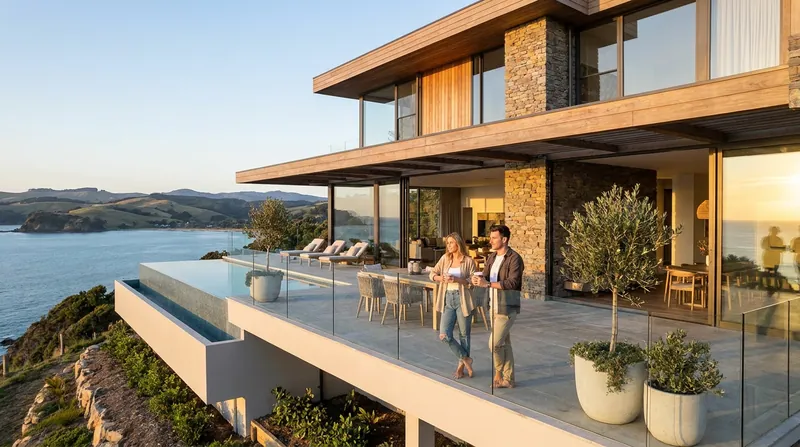
Luxury Market Rebalance: Secondary Cities See Sales Surge as Traditional Hubs Cool
3 sources
Wind Engineering
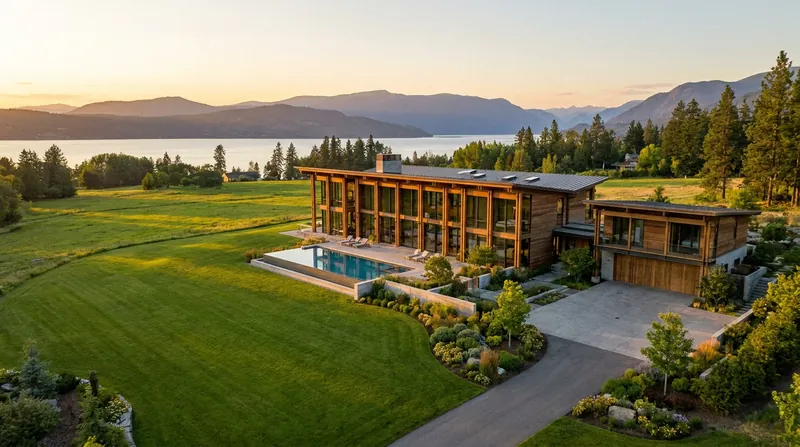
ISO 10137 Caps Residential Wind Acceleration at Two-Thirds of Office Limits: Why Slender Luxury Towers Install Tuned Mass Dampers
5 sources
Valuation Standards
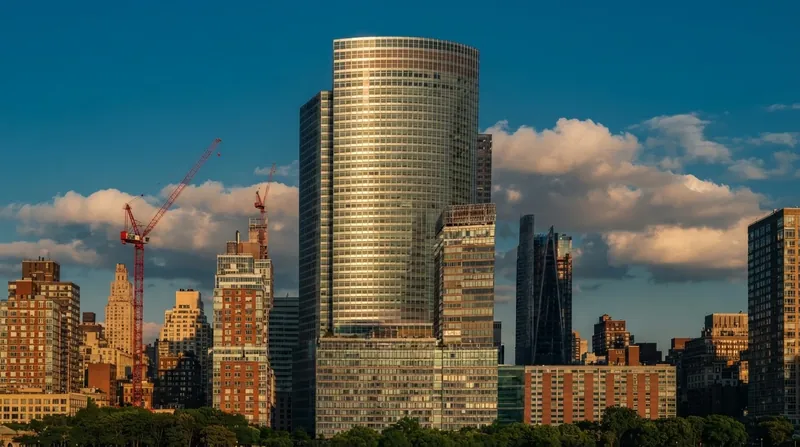
Floor Area Measurement Discrepancies Distort Prime Home Valuations by Up to 24%
2 sources
Miami Market
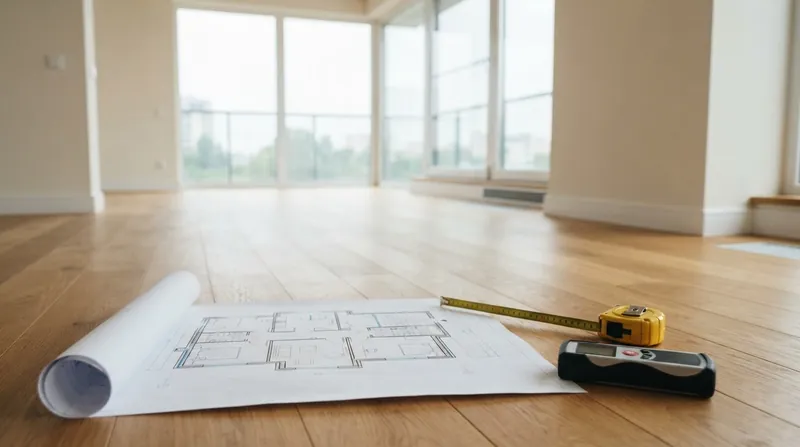
Miami-Dade On Pace to Shatter Annual $10M+ Home Sales Record, Exceeding 2025 Total by 14%
4 sources
Comments
Every angle. Every day.
Get Real Estate stories with full source coverage and perspective breakdowns, free every day.