
How Ventless Heat Pump Combos Are Rewriting the Rules of Laundry
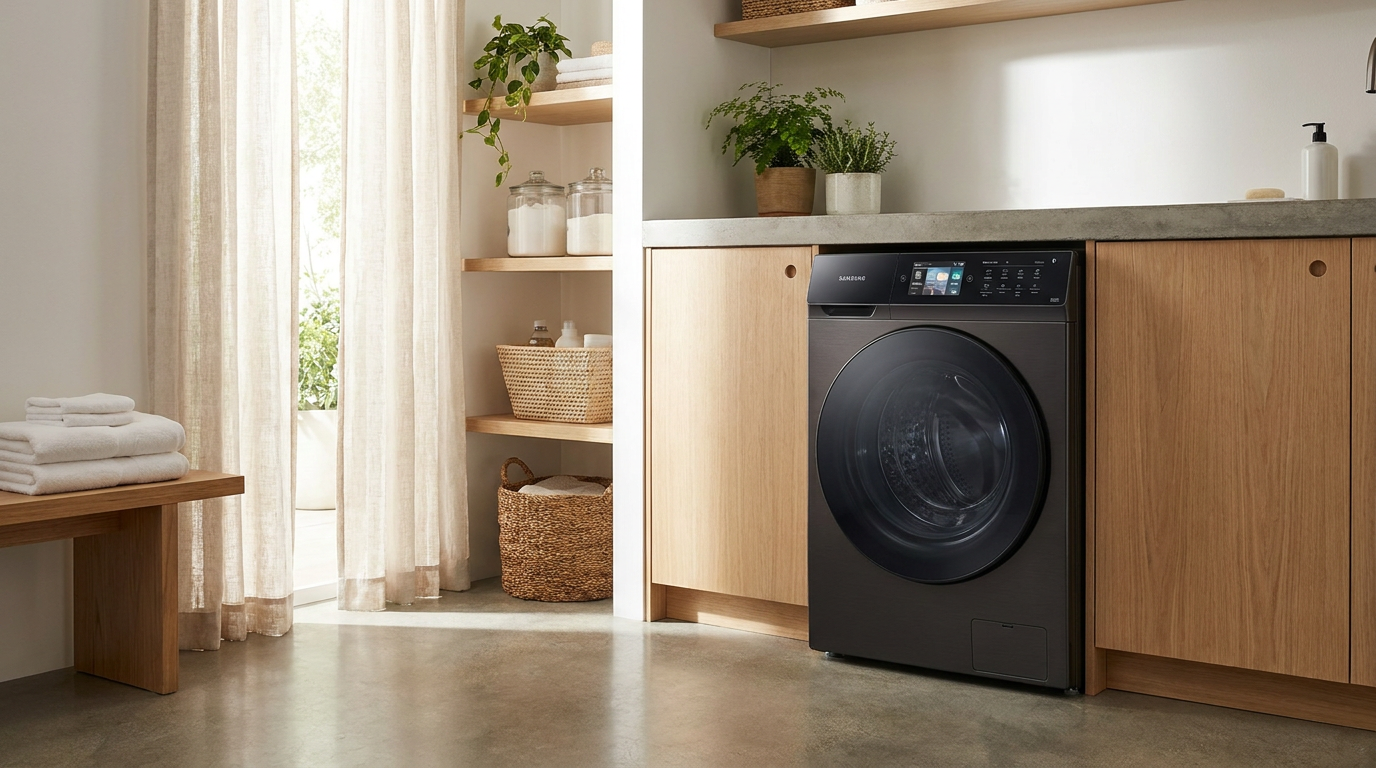
New 120-volt all-in-one machines wash and dry clothes in a single drum using half the energy of traditional setups. By eliminating the exhaust vent, they are transforming where and how households do laundry.
By Factlen Editorial Team
- Energy & Climate Advocates
- Focus on the massive reduction in household carbon footprints and the easing of strain on the electrical grid.
- Appliance & Tech Reviewers
- Value the convenience of single-cycle laundry and smart features, while rigorously testing cycle times and fabric care.
- Traditional Consumers
- Prioritize speed and high-volume throughput, expressing skepticism over longer cycle times and the damp feel of freshly dried clothes.
What's not represented
- · Large families who rely on running simultaneous wash and dry cycles to process massive amounts of laundry quickly.
- · Appliance repair technicians who must navigate the complex, integrated sealed refrigerant systems when these units break down.
Why this matters
By replacing two massive, energy-hungry appliances with a single efficient unit that plugs into a standard wall outlet, heat pump combos free up valuable home space and electrical capacity. This shift not only lowers monthly utility bills but removes a major hurdle for households looking to electrify their homes and transition away from fossil fuels.
Key points
- Ventless heat pump combos wash and dry clothes in a single, uninterrupted cycle, eliminating the need to transfer wet laundry.
- The machines use a closed-loop refrigerant system to extract moisture, using 50% to 60% less energy than traditional vented dryers.
- Because they do not require an exterior exhaust vent, the units can be installed anywhere with a water connection and a drain.
- Most full-size models run on a standard 120-volt outlet, freeing up 240-volt electrical capacity for EV chargers or induction stoves.
- While highly efficient, the all-in-one cycle takes roughly two hours, which is longer than running a separate washer and dryer simultaneously.
For decades, the American laundry routine has been defined by a mandatory intermission: the transfer. Forgetting to move wet clothes from the washing machine to the dryer results in a musty pile that requires a second wash, wasting both time and water. But a new generation of home appliances is quietly eliminating this chore entirely.
Enter the full-size, ventless heat pump washer-dryer combo. While compact all-in-one units have been popular in Europe and Asia for years, they historically lacked the capacity and speed demanded by North American households. That changed recently with the introduction of high-capacity models like the GE Profile UltraFast and the LG WashCombo, which promise to wash and dry a family-sized load in a single, uninterrupted cycle.[1][2]
The appeal of the "one and done" laundry experience is undeniable. Users can load dirty clothes before leaving for work or going to bed, and return hours later to clean, dry laundry. However, the true revolution lies not just in convenience, but in the underlying thermal technology that makes these massive machines drastically more efficient than their predecessors.[3]
To understand the shift, it helps to look at how traditional dryers operate. Conventional electric and gas dryers draw in ambient room air, heat it to high temperatures using electric coils or gas burners, tumble it through wet clothes, and then exhaust that hot, moisture-laden air outside through a wall vent. This process is inherently wasteful, as it literally blows climate-controlled indoor air out of the house, forcing the home's HVAC system to work harder to replace it.[2][3][5]
Heat pump combos completely discard this vented exhaust model. Instead, they operate as a closed-loop system, functioning much like a household air conditioner or refrigerator running in reverse.[3][5]

Inside the machine, a refrigerant loop is used to capture and move thermal energy. The system heats the air and sends it through the wet laundry drum to extract moisture. Then, instead of venting that humid air outside, the machine passes it over cold evaporator coils.[5]
As the warm, moist air hits the cold coils, the water condenses and is drained away through the same hose used by the washing machine. The newly dehumidified air is then reheated by the condenser coils and recirculated back into the drum to continue the drying process. Because the system recycles its own heat, it uses roughly 50% to 60% less energy than a conventional electric dryer.[1][4][5]
This closed-loop efficiency unlocks a massive logistical advantage: the machines do not require an exterior exhaust vent. This allows homeowners and renters to place their laundry setup anywhere with a water connection and a drain, from a hallway closet to a kitchen under-counter space.[3][4]
Furthermore, because heat pump technology is so efficient, these full-size combo units run on a standard 120-volt electrical outlet. Traditional electric dryers require a dedicated 240-volt circuit. By freeing up that 240-volt slot in the home's electrical panel, homeowners gain crucial electrical capacity that can be repurposed for an electric vehicle charger, an induction stove, or a home heat pump system without requiring an expensive panel upgrade.[2][4]
Furthermore, because heat pump technology is so efficient, these full-size combo units run on a standard 120-volt electrical outlet.
The financial case for switching is becoming increasingly compelling. While the upfront cost of these premium combo units is high—often ranging from $2,000 to $3,000—the operational savings accumulate rapidly. Energy Star estimates that heat pump dryers use less than one-fourth the energy of traditional setups.[1]

For a family of four doing a load of laundry every day, the energy savings can translate to hundreds of dollars a year, potentially paying off the premium in just a few years. Additionally, because the machine transitions seamlessly from washing to drying, users can easily schedule the entire cycle to run overnight, taking advantage of cheaper time-of-use electricity rates.[2]
Government incentives are also sweetening the deal. Under the Inflation Reduction Act (IRA), qualified buyers may soon be eligible for up to $840 in federal rebates for heat pump dryers, alongside various state and local utility incentives that can cut the initial purchase price significantly.[2]
Despite the glowing reviews, the transition to a heat pump combo requires an adjustment in consumer expectations. The most notable difference is cycle time. While a traditional separate washer and dryer might process two loads simultaneously in about 90 minutes, a single combo unit takes roughly two hours to complete one wash-and-dry cycle.[2]
For households that prefer to "rapid-fire" multiple loads of laundry on a Sunday afternoon, the sequential nature of a single drum can feel like a bottleneck. However, proponents argue that the ability to run loads passively overnight or during the workday negates the need for marathon laundry sessions.[2]
Another quirk of the technology is the tactile feel of the clothes at the end of a cycle. Because heat pump dryers operate at lower maximum temperatures than traditional resistance dryers, clothes can sometimes feel mildly damp to the touch immediately upon removal. This residual humidity usually evaporates within seconds of hitting the room air, but it can be jarring for users accustomed to pulling scalding-hot garments from a vented dryer.[2]

Those lower drying temperatures, however, come with a hidden benefit: they are significantly gentler on fabrics. High heat is the primary culprit behind fabric shrinkage and the degradation of elastic fibers. By extracting moisture at lower temperatures, heat pump combos extend the lifespan of clothing.[3][5]
Maintenance also looks slightly different with these machines. Because there is no external vent to clog with lint, the risk of dryer fires is virtually eliminated. However, the internal lint filters require diligent cleaning. Some models, like the LG WashCombo, require filter cleaning after every load, while the GE Profile utilizes a multi-stage filter that can go several cycles between cleanings.[2][3]
To round out the premium experience, manufacturers have integrated advanced smart features. Many units include bulk detergent and fabric softener dispensers that hold enough liquid for up to 30 loads, automatically dispensing the precise amount needed based on the load's weight and soil level.[1][2]

As the appliance industry shifts toward electrification and efficiency, the ventless heat pump combo represents a rare convergence of convenience and sustainability. It solves the age-old problem of forgotten wet laundry while simultaneously reducing household carbon footprints and easing the strain on the electrical grid.
While the longer cycle times and high initial price tags may give some buyers pause, the trajectory is clear. Just as LED bulbs replaced incandescent lights, the closed-loop heat pump is poised to become the new standard for modern laundry, proving that the most environmentally friendly choice can also be the most convenient.[6]
How we got here
Decades ago
Heat pump technology is first developed and widely adopted for home air conditioning and refrigeration.
2022
Compact, small-capacity heat pump dryers begin gaining traction in the North American market as an eco-friendly alternative.
2024
Major manufacturers like GE and LG release full-size, high-capacity 120V heat pump washer-dryer combos in the US.
2026
Ventless combo units become a mainstream choice for home electrification, aided by federal and state energy rebates.
Viewpoints in depth
Energy & Climate Advocates
Focus on the massive reduction in household carbon footprints and the easing of strain on the electrical grid.
For environmental groups and utility regulators, the heat pump dryer is a critical piece of the home electrification puzzle. Traditional electric resistance dryers are notorious energy hogs, and gas dryers directly combust fossil fuels inside the home. By cutting energy use by up to 60% and eliminating the need to blow climate-controlled indoor air outside through a vent, these machines drastically lower a home's overall energy demand. Furthermore, by running on a standard 120V outlet, they free up the 240V slots in electrical panels, allowing homeowners to install EV chargers or heat pump water heaters without triggering a multi-thousand-dollar electrical service upgrade.
Appliance & Tech Reviewers
Value the convenience of single-cycle laundry and smart features, while rigorously testing cycle times and fabric care.
Tech-focused reviewers praise the 'one and done' workflow, noting that the ability to load dirty clothes at night and wake up to dry laundry fundamentally changes household chore dynamics. They highlight the integration of smart features, such as bulk detergent dispensers that automatically calculate the perfect amount of soap based on load weight. However, these reviewers are also quick to point out the learning curve. They frequently note that clothes can feel slightly damp immediately upon removal due to the lower drying temperatures, and they caution buyers to measure their spaces carefully, as these full-size combo units are incredibly heavy and physically imposing.
What we don't know
- How the complex, sealed refrigerant systems inside these all-in-one units will hold up to a decade of heavy household use compared to simpler traditional dryers.
- Whether the longer, two-hour cycle times will ultimately be embraced by large families accustomed to running multiple loads simultaneously.
Key terms
- Heat pump dryer
- A ventless dryer that uses a refrigerant system to heat air and extract moisture, recycling the heat rather than venting it outside.
- Closed-loop system
- A system that recirculates the same air continuously, cooling it to remove moisture and reheating it to dry clothes, rather than drawing in fresh air.
- Evaporator coil
- The cold component in a heat pump system where warm, moist air is cooled, causing the water to condense and drain away.
- Condenser coil
- The hot component in a heat pump system that reheats the dehumidified air before sending it back into the dryer drum.
- Time-of-use rates
- Electricity pricing that varies based on the time of day, often making it cheaper to run appliances overnight.
Frequently asked
Do heat pump washer-dryer combos need a vent?
No, they are completely ventless. They use a closed-loop system to extract moisture and drain it through the standard washer drain hose.
Can I plug a heat pump combo into a regular outlet?
Yes, most full-size heat pump combos run on a standard 120-volt electrical outlet, freeing up your 240-volt outlet for other appliances.
How long does a load of laundry take?
A typical wash-and-dry cycle in a combo unit takes about two hours from start to finish, which is longer than a traditional vented dryer.
Do clothes feel dry when they come out?
Because heat pump dryers operate at lower temperatures, clothes may feel slightly damp to the touch immediately upon removal, but this residual moisture evaporates within seconds.
Sources
Source coverage
6 outlets
3 viewpoints surfaced






[1]Reviewed.comAppliance & Tech Reviewers
GE Profile PFQ97HSPVDS Review
Read on Reviewed.com →[2]ElectrekAppliance & Tech Reviewers
LG WashCombo vs. GE Profile heat pump washer-dryers compared, 10 reasons to get either
Read on Electrek →[3]Rewiring AmericaEnergy & Climate Advocates
Washer/heat pump dryer combo: what is it?
Read on Rewiring America →[4]Efficiency VermontEnergy & Climate Advocates
How does a heat pump washer-dryer work?
Read on Efficiency Vermont →[5]MassCECEnergy & Climate Advocates
How Heat Pump Clothes Dryers Work
Read on MassCEC →[6]Factlen Editorial Team
Synthesis by Factlen editorial team
Read on Factlen Editorial Team →

Every angle. Every day.
Get shopping stories with full source coverage and perspective breakdowns delivered to your inbox.