
How to Maintain a Heat Pump for Maximum Efficiency and Longevity
Heat pumps offer unparalleled energy efficiency for home heating and cooling, but they require specific maintenance routines to perform at their best. From airflow management to thermostat strategies, understanding these systems is key to lowering utility bills and extending equipment lifespan.
By Factlen Editorial Team
- Energy Efficiency Advocates
- Focused on maximizing the environmental benefits and grid stability offered by heat pumps.
- HVAC Professionals
- Focused on the mechanical longevity, safety, and technical performance of the equipment.
- Homeowners
- Focused on indoor comfort, practical upkeep, and lowering monthly utility costs.
What's not represented
- · Renters who cannot control their building's HVAC maintenance
- · Manufacturers designing self-cleaning or lower-maintenance systems
Why this matters
A poorly maintained heat pump can consume up to 25% more energy, erasing the financial and environmental benefits of the system. Proper upkeep ensures your home stays comfortable while saving you hundreds of dollars annually.
Key points
- Heat pumps move heat rather than creating it, making them highly efficient but sensitive to airflow.
- A neglected heat pump can consume 10% to 25% more energy than a well-maintained one.
- Indoor air filters should be checked monthly and replaced every one to three months.
- Outdoor units require at least 18 inches of clearance and should never be covered in winter.
- A 'set it and forget it' thermostat strategy prevents inefficient backup heating from activating.
- Annual professional servicing is necessary to check refrigerant levels and electrical components.
The electrification of the modern home is accelerating at an unprecedented pace, and the air-source heat pump has firmly established itself as the crown jewel of this transition. As millions of households worldwide move away from volatile fossil fuels and seek greener alternatives, these advanced systems are rapidly replacing traditional gas furnaces and standalone air conditioning units. Homeowners are drawn to the promise of lower utility bills, reduced carbon footprints, and the convenience of having a single appliance handle both heating and cooling duties year-round. However, transitioning to this new technology requires a fundamental shift in how residents understand and interact with their HVAC systems. A heat pump is not simply a drop-in replacement for a furnace; it is a sophisticated piece of machinery that demands a specific, proactive approach to maintenance to deliver on its lofty promises of efficiency and comfort.[7]
Unlike conventional heating systems that burn oil, propane, or natural gas to generate warmth through combustion, heat pumps operate on a radically different thermodynamic principle: they move heat from one place to another. During the winter months, the system extracts ambient thermal energy from the outside air—even when temperatures drop below freezing—and pumps that concentrated heat indoors to warm the living space. When summer arrives, the cycle seamlessly reverses, with the system absorbing heat from inside the house and expelling it outdoors, much like a traditional refrigerator. This process of transferring heat rather than creating it from scratch is the secret behind the technology's remarkable performance metrics and its growing popularity among energy-conscious consumers.[4]
Because they simply transfer thermal energy rather than expending fuel to create it, heat pumps are absolute marvels of energy efficiency. Under optimal operating conditions, a modern heat pump can deliver up to three times more heat energy to a home than the electrical energy it consumes to run its compressor and fans. This high Coefficient of Performance (COP) is what allows homeowners to see significant reductions in their monthly energy expenditures. However, this impressive efficiency is not guaranteed simply by installing the unit. The system's ability to maintain this delicate thermodynamic balance relies entirely on unobstructed airflow, precise fluid dynamics, and clean mechanical components.[4][7]
This high-efficiency mechanism comes with a significant operational caveat that many new adopters fail to realize: heat pumps are highly sensitive machines. While an old cast-iron boiler or a forced-air gas furnace might continue to chug along and produce heat even when severely neglected, a heat pump will quickly falter if its basic maintenance needs are ignored. The system is constantly moving massive volumes of air across its indoor and outdoor coils to facilitate heat exchange. If anything impedes that airflow—be it dust, debris, or mechanical wear—the compressor is forced to work overtime, drawing excess electricity and placing immense strain on the entire system.[7]
The financial and environmental stakes for proper upkeep are surprisingly high, transforming maintenance from a mere suggestion into an absolute necessity. According to research published by the U.S. Department of Energy, the difference in energy consumption between a well-maintained heat pump and a severely neglected one can range anywhere from 10% to 25%. For the average household, a 25% penalty on heating and cooling costs can translate to hundreds of dollars wasted annually, completely negating the financial benefits that prompted the switch to a heat pump in the first place. Beyond the immediate hit to the wallet, this excess energy consumption also places unnecessary strain on the local electrical grid.[1]

The most critical, yet frequently overlooked, component of routine heat pump maintenance is the indoor air filter. While a dirty filter in a traditional gas furnace might slightly reduce the system's efficiency while still managing to blast hot air into the home, a heat pump reacts much more poorly to restricted airflow. Because the air handler relies on a steady, unimpeded volume of air to distribute the moderately heated or cooled air throughout the ductwork, a clogged filter acts like a chokehold on the entire operation. The system's blower motor must work exponentially harder to pull air through the accumulated dust, driving up electricity usage and accelerating mechanical wear and tear.[3][7]
Energy experts, government agencies, and HVAC manufacturers universally agree on the importance of vigilant filter management. The standard recommendation is for homeowners to physically inspect their indoor filters at least once a month. Depending on the specific type of filter used, the ambient air quality of the region, and whether the household includes shedding pets, these filters should be washed or completely replaced every one to three months. Upgrading to a filter with a higher MERV (Minimum Efficiency Reporting Value) rating can improve indoor air quality by trapping smaller particles, but homeowners must ensure their specific heat pump model is designed to handle the increased air resistance that comes with denser filtration media.[1][3][6]
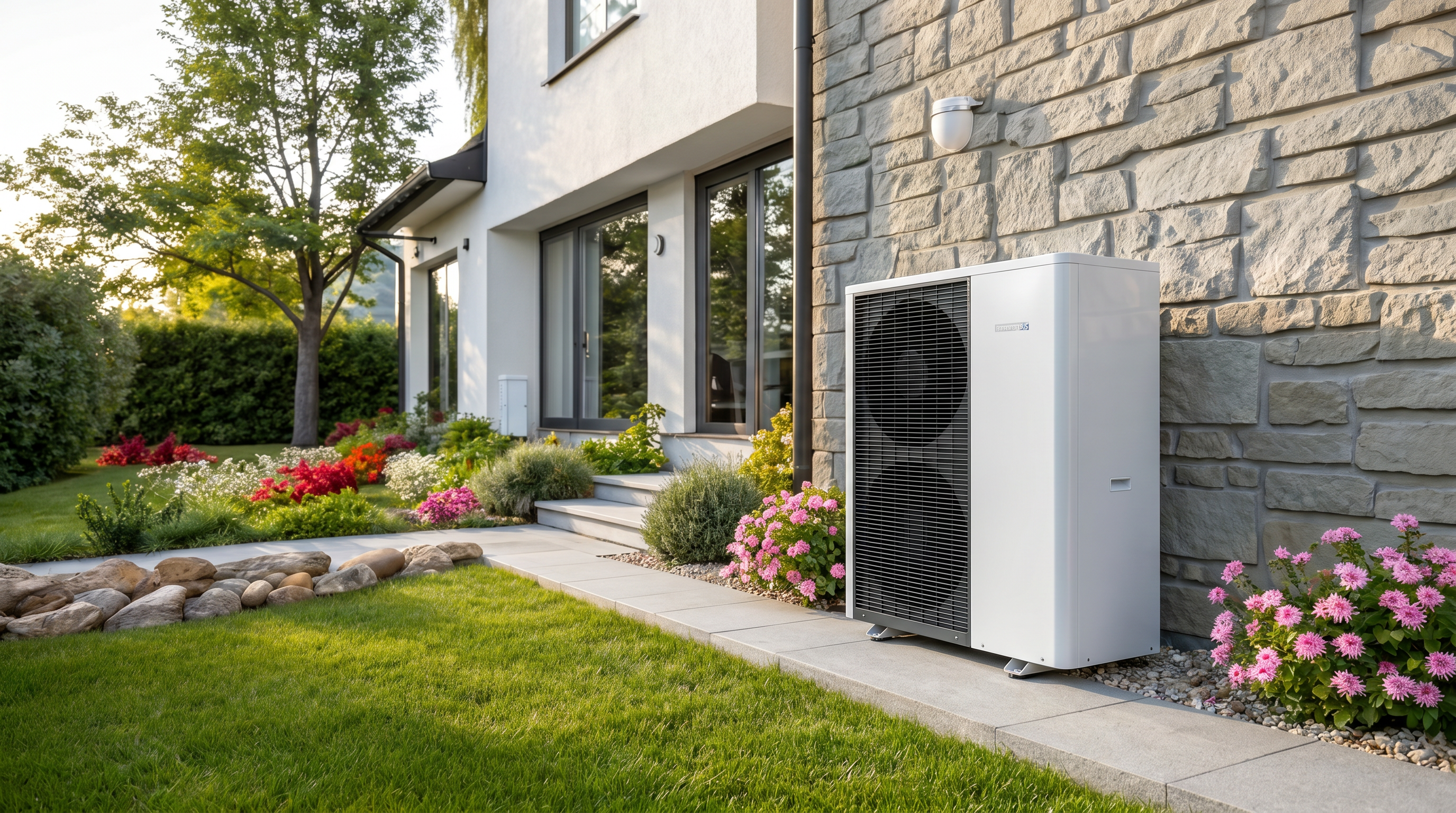
Moving outdoors, the external compressor unit—often referred to as the condenser—requires its own dedicated and seasonal maintenance routine to ensure the system can "breathe" properly. This large metal box sitting outside the home is the workhorse of the entire setup. It acts as the lungs of the heat pump, pulling in vast amounts of ambient air to facilitate the crucial heat exchange process across its delicate aluminum fins and copper coils. If this outdoor unit is choked by environmental debris, the system's ability to extract or expel heat plummets, forcing the compressor to run longer cycles to achieve the desired indoor temperature.[6][7]
HVAC professionals emphasize that the outdoor unit needs a strictly enforced perimeter of clear space to function at peak capacity. The industry standard dictates a minimum of 18 inches of clearance on all sides of the condenser, with even more space required above it. Homeowners should make it a seasonal habit to trim back encroaching shrubs, rake away dead leaves, and remove any accumulated dirt, pollen, or grass clippings from the exterior fins. Taking a gentle garden hose to the outside of the unit—after ensuring the power is safely disconnected—can help wash away the grime that naturally builds up over months of exposure to the elements.[6][7]
HVAC professionals emphasize that the outdoor unit needs a strictly enforced perimeter of clear space to function at peak capacity.
Winter presents a unique and often misunderstood set of challenges for heat pump maintenance, particularly in regions that experience heavy snowfall, freezing rain, or frequent ice storms. Because the outdoor unit must extract heat from the frigid winter air, it is constantly drawing moisture-laden air across its freezing coils. This naturally leads to frost accumulation on the exterior of the unit. While modern heat pumps are equipped with automatic defrost cycles that temporarily reverse the system's operation to melt away this light frost, they are not designed to battle through heavy, compacted snowdrifts or solid blocks of ice.[3][7]
A remarkably common mistake among new heat pump owners is attempting to cover the outdoor unit with a tarp or custom enclosure to protect it from harsh winter weather. While this instinct to shield an expensive appliance is understandable, doing so actively starves the system of the massive volume of air it desperately needs to extract heat. Covering a heat pump effectively suffocates the machine, rendering it entirely useless and potentially causing severe damage to the compressor if it attempts to run while enclosed. The unit is engineered to withstand rain, snow, and freezing temperatures without the need for a protective blanket.[3][7]

Instead of covering the unit, the homeowner's winter focus should be on keeping the immediate area clear of snowdrifts and ice buildup. After a heavy winter storm, residents should carefully brush snow off the top and sides of the condenser, ensuring the fan grille remains unobstructed. It is also crucial to monitor the area beneath the unit; as the heat pump runs its defrost cycle, the melted ice drips down and can refreeze at the base. If this drainage path becomes blocked by a solid glacier of ice, the accumulating water can back up into the unit and damage the delicate lower coils.[3][7]
Beyond physical cleaning and debris removal, another major paradigm shift for new heat pump owners involves how they interact with their home's thermostat. For decades, standard energy conservation advice—heavily promoted during the era of fossil fuel furnaces—dictated turning the thermostat down significantly at night or when leaving the house for work. The logic was simple: why burn expensive oil or gas to heat an empty house? However, with modern heat pumps, the prevailing wisdom has shifted dramatically toward a "set it and forget it" approach to temperature management.[2][7]
Deep thermostat setbacks can actually waste a significant amount of energy when operating a heat pump. Because these systems are designed to maintain a steady temperature efficiently rather than providing rapid blasts of intense heat, forcing the system to recover from a large temperature drop can be highly counterproductive. When a heat pump detects a sudden demand to raise the indoor temperature by several degrees, it often assumes it cannot meet the demand quickly enough and triggers the system's electric resistance backup heating. This backup heat is notoriously inefficient and expensive to run, entirely erasing any energy savings gained during the setback period.[1][2][6]
To maximize both comfort and savings, energy experts advise finding a comfortable baseline temperature and leaving the thermostat alone, especially during the peak heating season. If a homeowner absolutely must adjust the temperature, the changes should be gradual—no more than one or two degrees at a time—to prevent the energy-hungry backup strips from engaging. Investing in a smart thermostat specifically designed for heat pumps can also help manage this process, as these advanced devices learn the system's recovery rate and can slowly ramp up the temperature without triggering the auxiliary heat.[1][2][7]
While diligent DIY tasks like regular filter changes, outdoor debris removal, and proper thermostat management are absolutely vital to the daily operation of the system, they do not replace the necessity of an annual professional servicing. Just as a car requires regular oil changes and mechanical inspections despite the owner keeping the windshield clean and the tires inflated, a heat pump requires the specialized attention of a certified HVAC technician. Experts strongly recommend scheduling a comprehensive tune-up at least once a year, ideally in the spring or fall before the system faces the extreme demands of peak summer or winter weather.[5][6]

During a comprehensive professional tune-up, certified technicians perform a variety of critical tasks that go far beyond a typical homeowner's capability or comfort level. One of the most important checks involves verifying the correct refrigerant charge. If a heat pump is operating with too little refrigerant due to a micro-leak, or too much due to an improper installation, its efficiency will plummet, and the compressor will face a significantly higher risk of premature failure. Technicians use specialized gauges to measure these pressures and ensure the lifeblood of the system is perfectly balanced.[1][4][5]
In addition to refrigerant checks, the annual service visit includes a thorough inspection of the system's electrical components. The technician will examine the electrical terminals for signs of wear or corrosion, tighten any loose connections, and test the capacitors and contactors that supply power to the heavy-duty motors. They will also verify that the system's complex electronic controls are functioning correctly, ensuring that the defrost sensors are accurate and that the thermostat is communicating properly with both the indoor air handler and the outdoor condenser.[1][5]
Another crucial aspect of the professional tune-up is the deep cleaning of the indoor and outdoor coils. While a homeowner can rinse the outside of the condenser with a hose, a technician will use specialized, non-corrosive chemical cleaners to remove the stubborn grime, grease, and embedded dirt that accumulates deep within the aluminum fins over a year of continuous operation. They will also inspect and clean the indoor condensate drain pan and line, preventing the buildup of algae or mold that could eventually cause a messy and damaging water leak inside the home.[1][4][5]

Ultimately, treating a residential heat pump as a high-performance machine rather than a passive, indestructible appliance pays massive dividends over the long term. A proactive and consistent maintenance routine—combining monthly homeowner vigilance with annual professional expertise—ensures optimal indoor comfort regardless of the weather outside. More importantly, it minimizes the household's carbon emissions, keeps monthly utility bills as low as possible, and helps the expensive mechanical system reach its full 15-to-25-year operational lifespan, proving that a little preventative care is the ultimate key to sustainable home heating and cooling.[5][6][7]
Viewpoints in depth
Energy Efficiency Advocates
Focused on maximizing the environmental benefits and grid stability offered by heat pumps.
For environmental advocates and energy policymakers, proper heat pump maintenance is a macro-level priority. When millions of units operate at peak efficiency, it significantly reduces the overall strain on the electrical grid and slashes residential carbon emissions. They emphasize that a neglected heat pump drawing 25% more power negates many of the environmental benefits that prompted the homeowner to switch from fossil fuels in the first place.
HVAC Professionals
Focused on the mechanical longevity, safety, and technical performance of the equipment.
Technicians view heat pumps as complex, high-performance machines that require precise calibration. While they encourage homeowners to handle basic filter changes, they stress that only a certified professional can accurately measure refrigerant charge, test electrical loads, and ensure the compressor isn't slowly destroying itself due to micro-leaks or failing capacitors. To them, annual maintenance is preventative medicine that avoids catastrophic mid-winter failures.
Homeowners
Focused on indoor comfort, practical upkeep, and lowering monthly utility costs.
For the average homeowner, the primary concerns are keeping the house comfortable and the electricity bills low without needing an engineering degree. They value clear, actionable advice—like the 'set it and forget it' thermostat rule and the 18-inch clearance guideline. From this perspective, maintenance is an investment of a few minutes a month that pays off directly in household budget savings and consistent indoor temperatures.
What we don't know
- How future smart-home integrations might automate filter-change alerts based on actual airflow rather than time intervals.
- The exact degree to which newer cold-climate heat pumps will reduce the need for backup electric resistance heating in extreme sub-zero temperatures.
Key terms
- Heat Pump
- An energy-efficient HVAC system that provides both heating and cooling by moving thermal energy between the indoors and outdoors.
- Compressor
- The core component of the outdoor unit that circulates refrigerant and facilitates the transfer of heat.
- Defrost Cycle
- An automatic function where the heat pump temporarily reverses its operation to melt frost or ice buildup on the outdoor coils during winter.
- Electric Resistance Heating
- A less efficient, secondary heating mechanism built into some heat pumps that activates only when the primary system cannot meet the thermostat demand.
- Refrigerant
- The chemical fluid circulating through the heat pump that absorbs and releases heat as it changes between liquid and gas states.
Frequently asked
Should I cover my heat pump in the winter?
No. Covering the outdoor unit restricts the airflow it needs to extract heat from the outside air. Simply keep it clear of heavy snow and ice.
Is it better to turn the thermostat down at night?
For heat pumps, it is generally better to 'set it and forget it.' Large temperature setbacks can force the system to use inefficient backup heating to recover.
How often does a heat pump need professional servicing?
Experts recommend having a certified HVAC technician inspect and service your heat pump at least once a year to check refrigerant levels and electrical components.
Can I clean the outdoor coils myself?
While you can clear away leaves and debris, chemically cleaning the delicate fins and coils is usually best left to a professional during an annual tune-up.
Sources
Source coverage
7 outlets
3 viewpoints surfaced







[1]U.S. Department of EnergyEnergy Efficiency Advocates
Operating and Maintaining Your Heat Pump
Read on U.S. Department of Energy →[2]BC HydroEnergy Efficiency Advocates
Heat pump maintenance and operation
Read on BC Hydro →[3]New York StateEnergy Efficiency Advocates
Heat Pump Maintenance Guide
Read on New York State →[4]RheemHVAC Professionals
Heat Pump vs. Air Conditioner: What’s the Difference?
Read on Rheem →[5]DaikinHVAC Professionals
How to maintain an air-to-air heat pump
Read on Daikin →[6]PalmettoHVAC Professionals
Heat Pump Maintenance: A Complete Guide
Read on Palmetto →[7]Factlen Editorial TeamHomeowners
Synthesis by Factlen editorial team
Read on Factlen Editorial Team →
Every angle. Every day.
Get home stories with full source coverage and perspective breakdowns delivered to your inbox.