
How the Proposed U.S.-Iran Peace Deal Could Reshape Global Energy Markets
A potential peace agreement between the U.S. and Iran aims to reopen the Strait of Hormuz and lift oil sanctions, triggering a massive rally in global markets. If finalized, the deal could reverse the recent global energy shock and significantly lower inflation.
By Factlen Editorial Team
- Global Markets & Investors
- Focused on the deflationary impact of cheap energy, the bond rally, and the resumption of international trade.
- Iranian State Leadership
- Views the deal as a critical mechanism to lift crippling sanctions and rescue the domestic economy from collapse.
- U.S. Administration
- Frames the agreement as a major diplomatic victory that will lower domestic gas prices and stabilize the region.
What's not represented
- · Maritime Insurance Underwriters
- · OPEC+ Competitors
Why this matters
The Strait of Hormuz is the world's most critical oil chokepoint. Reopening it and lifting sanctions on Iranian crude would flood the market with new supply, directly lowering gas prices for consumers and easing the inflation crisis that has battered global economies.
Key points
- The U.S. and Iran have signaled progress on a framework to reopen the Strait of Hormuz and lift oil sanctions.
- Global energy markets reacted immediately, with oil prices sliding on the prospect of millions of barrels returning to the market.
- European bonds surged as traders bet that cheaper energy would lower inflation and ease pressure on central banks.
- Luxury stocks, heavily reliant on Middle Eastern consumers, spiked nearly 5% in early trading.
- Implementation remains uncertain, requiring complex demining operations and legal assurances for financial institutions.
The global economy is bracing for a massive structural shift following announcements from both Washington and Tehran regarding a proposed peace framework. The deal, which aims to end the recent conflict, centers on two massive economic levers: reopening the Strait of Hormuz to commercial shipping and lifting U.S. sanctions on Iranian oil exports.[1]
Markets reacted violently to the upside on Friday morning. European bonds surged as traders aggressively repriced inflation expectations, betting that a flood of cheap energy would stay the hands of central banks and lower borrowing costs across the continent.[2]
The immediate mechanism driving this relief is the anticipated drop in global crude prices. Oil benchmarks slid on the news, clearing the way for a broader equities rally as investors digested the sheer volume of supply that could soon be unlocked by the diplomatic breakthrough.[5]
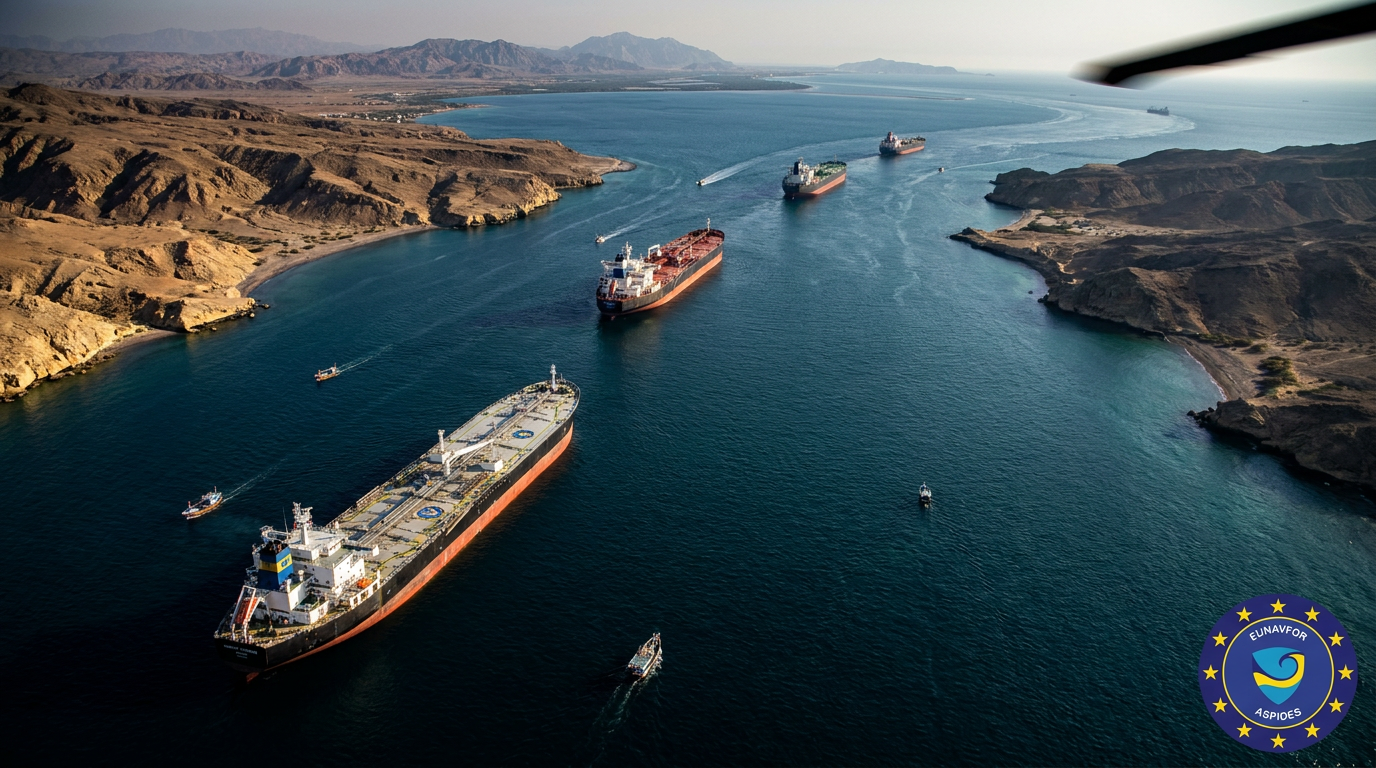
To understand the stakes, one must look at the geography of the Strait of Hormuz. At its narrowest point, the strait is just 21 miles wide, yet it serves as the transit point for roughly a fifth of the world's total oil consumption, connecting Middle Eastern producers to global markets.

During the recent conflict, the effective blockade of this chokepoint triggered a severe energy shock. Shipping insurance premiums skyrocketed, and millions of barrels were stranded or forced into highly inefficient alternative routes, artificially constraining global supply.
The proposed deal would immediately demilitarize these vital shipping lanes. According to Iranian state media, the framework explicitly outlines the reopening of the strait, which would allow maritime insurers to lower premiums and restore the normal flow of supertankers from Saudi Arabia, the UAE, and Kuwait.[1]
Beyond the transit of allied oil, the framework includes the lifting of U.S. sanctions on Iran's domestic energy sector. Iran holds some of the world's largest proven oil and gas reserves, but years of sanctions and recent warfare have severely curtailed its export capacity.[1]
Energy analysts estimate that a full lifting of sanctions could return upwards of a million barrels per day of Iranian crude to the global market within months. This influx of supply is exactly what traders are pricing in as they bid up risk assets and dump safe-haven commodities.[5]

Energy analysts estimate that a full lifting of sanctions could return upwards of a million barrels per day of Iranian crude to the global market within months.
The macroeconomic implications are profound. Prior to the breakthrough, European Central Bank Governing Council member Emmanuel Moulin warned that the energy shock was broadening into other goods and services, threatening a new wave of entrenched inflation even if wages had not yet spiked.[3]
If energy prices collapse back to pre-war levels, the pressure on central banks to maintain punishingly high interest rates will evaporate. This dynamic is precisely why European sovereign debt rallied so aggressively, as bond yields move inversely to prices and inflation expectations.[2]
The ripple effects extend far beyond energy and bonds. The luxury goods sector, which had been battered by the loss of the fast-growing Middle Eastern consumer market during the conflict, saw an immediate resurgence. Shares of industry giant LVMH spiked nearly 5% in early trading.[4]

From a political standpoint, the Trump administration is framing the tentative agreement as a historic diplomatic and economic victory. The administration has heavily touted the progress of the deal, emphasizing the immediate relief it will bring to global markets and domestic consumers.[2]
In Tehran, state media has cautiously celebrated the framework as a necessary step to rescue the Iranian economy, which has been suffocated by economic isolation, currency devaluation, and the physical toll of the recent regional conflict.[1]
Even countries indirectly affected by the war are recalibrating their economic outlooks. Germany's Bundesbank noted that while the nation's economy will recover more slowly than initially expected due to the Iran war, fiscal stimulus and the prospect of normalized trade are expected to drive growth in 2026.[6]

However, the mechanics of implementing the deal remain fraught with uncertainty. Reopening the strait requires complex demining operations, the establishment of verified maritime corridors, and the rebuilding of trust among commercial shipping fleets.
Furthermore, the lifting of sanctions is rarely a binary event. Financial institutions and multinational energy companies will demand ironclad legal assurances from the U.S. Treasury before committing capital to Iranian infrastructure or purchasing its crude.
There is also the persistent risk of domestic hardliners in both countries scuttling the framework before it can be signed. Skeptics warn that any localized skirmish in the Persian Gulf could instantly unravel the fragile trust built during these negotiations.
How we got here
Early 2026
Regional conflict escalates, effectively closing the Strait of Hormuz to commercial shipping and stranding oil supplies.
Spring 2026
A global energy shock broadens, driving up inflation and forcing central banks to maintain hawkish monetary policies.
June 11, 2026
Rumors of a breakthrough in U.S.-Iran backchannel negotiations begin to circulate in financial markets.
June 12, 2026
Both U.S. and Iranian sources confirm a proposed framework to reopen the strait and lift sanctions, triggering a market rally.
Viewpoints in depth
Global Markets & Central Banks
Investors view the deal as a massive deflationary relief valve.
For global macro investors and central bankers, the geopolitical nuances of the deal are secondary to the raw mathematics of energy supply. The blockade of the Strait of Hormuz had created an artificial supply constraint that threatened to embed inflation permanently into the European and American economies. By reopening the strait and bringing Iranian crude back online, markets are pricing in a scenario where central banks can finally declare victory over inflation and begin lowering interest rates, which explains the aggressive rally in sovereign bonds.
U.S. Administration
The White House frames the deal as a dual diplomatic and economic victory.
The Trump administration is positioning the framework as a masterclass in high-stakes diplomacy that directly benefits the American consumer. By bringing Iran to the table and securing the reopening of the world's most vital energy chokepoint, the administration aims to take credit for the subsequent drop in domestic gas prices. The political calculus relies on the tangible economic relief arriving well ahead of the next election cycle, overshadowing any criticism regarding concessions made to Tehran.
Iranian State Leadership
Tehran sees the framework as a necessary lifeline for a suffocating economy.
For Iran's leadership, the decision to engage in the peace framework is driven by severe domestic economic pressure. Years of stringent U.S. sanctions, compounded by the physical and financial costs of the recent conflict, have led to currency collapse and hyperinflation. State media's cautious celebration of the deal indicates that the government views the lifting of oil sanctions as the only viable path to stabilize the rial, fund domestic infrastructure, and quell rising internal unrest.
What we don't know
- How quickly maritime insurers will be willing to underwrite commercial shipping through the Strait of Hormuz once the deal is signed.
- Whether hardline political factions in either the U.S. or Iran will attempt to block the final implementation of the framework.
- The exact timeline for multinational energy companies to resume purchasing Iranian crude without fear of secondary sanctions.
Key terms
- Strait of Hormuz
- A narrow waterway between the Persian Gulf and the Gulf of Oman, through which roughly 20% of global oil consumption passes.
- Sovereign Bonds
- Debt securities issued by a national government; their yields often move inversely to inflation expectations, meaning prices rise when inflation fears cool.
- Energy Shock
- A sudden, dramatic increase in the price of energy (like oil or natural gas) that ripples through the broader economy, raising the cost of manufacturing and transportation.
Frequently asked
Why did luxury stocks like LVMH spike on this news?
The Middle East is a major growth market for luxury goods. The prospect of peace and economic normalization in the region caused investors to buy back into these companies, anticipating a return of consumer spending.
How quickly will gas prices drop?
While crude oil futures dropped immediately on the financial markets, it typically takes several weeks for those wholesale price reductions to reach consumer gas stations, assuming the deal holds and shipping resumes.
What happens if the deal collapses?
If negotiations fail, shipping insurance premiums will likely remain elevated, and oil prices could rapidly return to their recent highs, renewing global inflationary pressures on central banks.
Sources
Source coverage
6 outlets
3 viewpoints surfaced


[1]CNBCIranian State Leadership
Proposed Iran-U.S. deal would reopen Hormuz strait and lift oil sanctions, Iran state media says
Read on CNBC →[2]BloombergU.S. Administration
European Bonds Surge as Trump Touts Progress on Iran Peace Deal
Read on Bloomberg →ECB’s Moulin Sees Broadening Energy Shock, But Not In Wages Yet
Read on Bloomberg →Luxury stocks spike on proposed U.S.-Iran peace deal; LVMH up almost 5%
Read on CNBC →SpaceX, Peace Talks Clear Way for Rally: 3-Minutes MLIV
Read on Bloomberg →Germany to Grow in 2026 as Spending Offsets War, Bundesbank Says
Read on Bloomberg →
Every angle. Every day.
Get business stories with full source coverage and perspective breakdowns delivered to your inbox.