
How Precision Fermentation is Creating Real Dairy Ice Cream Without Cows
Food scientists are using engineered microflora to brew bio-identical whey proteins, creating sustainable, animal-free ice cream that perfectly mimics traditional dairy.
By Factlen Editorial Team
- Food Tech & Biotech Innovators
- Viewing precision fermentation as the necessary evolution of the dairy industry.
- Consumer Packaged Goods Brands
- Focusing on functionality, supply chain stability, and corporate climate goals.
- Sustainability Advocates
- Championing the technology for its potential to reduce environmental impact and animal exploitation.
What's not represented
- · Traditional Dairy Farmers
- · Dairy Allergy Sufferers
Why this matters
Precision fermentation offers a way to decouple our favorite comfort foods from the massive environmental footprint of industrial animal agriculture. By brewing bio-identical dairy proteins, the food industry can drastically reduce greenhouse gas emissions and water usage without asking consumers to compromise on taste or texture.
Key points
- Precision fermentation uses engineered microflora to brew proteins that are molecularly identical to cow's milk.
- The resulting whey and casein proteins allow food formulators to create vegan ice cream with the exact melting and scooping properties of traditional dairy.
- The process drastically reduces the environmental footprint of dairy production, cutting greenhouse gas emissions by up to 97%.
- Major food conglomerates, including Unilever and Nestlé, are actively integrating fermentation-derived proteins into their mainstream product lines.
For decades, the holy grail of vegan desserts has been a truly convincing, uncompromised ice cream. While almond, oat, and coconut bases have improved dramatically in recent years, they frequently suffer from icy textures, rapid melting profiles, or lingering nutty aftertastes that betray their plant-based origins. The missing ingredients in these alternatives are whey and casein—the unique, highly functional proteins found naturally in cow's milk. These specific proteins are culinary workhorses; they trap air during the churning process, seamlessly emulsify fats, and create the rich, dense, scoopable mouthfeel that defines a premium traditional ice cream.
Now, a quiet revolution is taking place in the frozen dessert aisle, driven by a rapidly maturing biotechnology called precision fermentation. Rather than trying to mask the inherent deficiencies of plant-based milks with gums and stabilizers, food scientists are brewing the exact proteins found in cow's milk without involving a single animal in the process. The result is an entirely new category of 'animal-free dairy' that promises the exact culinary indulgence of traditional ice cream, but with a fraction of the environmental footprint and zero ethical compromises regarding animal welfare.
The underlying science behind this shift is not entirely new, even if its application to consumer desserts feels like science fiction. Precision fermentation has been used safely and extensively for decades in both the pharmaceutical and food industries. Most notably, it is the standard method used to produce insulin for diabetics, as well as the rennet enzyme utilized in the vast majority of commercial cheese-making globally, according to the Commonwealth Scientific and Industrial Research Organisation (CSIRO). What is genuinely novel today is the technology's application to bulk macronutrients like dairy proteins, scaling up from micro-ingredients to the foundational building blocks of our food.[2]
The mechanism relies on harnessing microbial hosts, such as specific strains of yeast or filamentous fungi, to act as microscopic 'cell factories'. The process begins in a digital environment rather than a pasture. Scientists take the digitized genetic sequence for cow whey protein—which is widely mapped and available in open biological databases—and safely insert those specific genetic instructions into the microflora. This effectively programs the microbes to understand exactly how to build a dairy protein, molecule by molecule, without ever needing to interact with a living cow.[1][7]

Once programmed, these engineered microbes are placed into massive, sterile stainless-steel fermentation tanks, operating much like a modern commercial brewery. Inside these bioreactors, the microflora are fed a carefully calibrated, nutrient-rich broth consisting of basic plant sugars, vitamins, and minerals. As the microbes consume the sugars and multiply, they naturally ferment the mixture and excrete whey protein that is biologically and molecularly identical to the whey produced by a bovine mammary gland. The tanks provide an optimized environment, controlling temperature and pH to maximize the microbes' protein production efficiency.[7]
When the fermentation cycle is complete, the resulting liquid undergoes a rigorous filtration and purification process. Using gold-standard dairy industry technology, the microbial cells and residual plant sugars are completely separated out, leaving behind a pure, isolated whey protein powder. Because this final ingredient is molecularly indistinguishable from traditional dairy protein, it behaves exactly the same way in complex culinary applications. This allows food formulators to create ice cream, cream cheese, and fluid milk that taste, melt, and function just like the real thing, bridging the sensory gap that has long plagued the alternative protein sector.[7][8]
The environmental implications of shifting dairy protein production from sprawling agricultural farms to localized fermentation tanks are staggering. Traditional dairy agriculture is highly resource-intensive, requiring vast amounts of arable land for grazing and feed production, consuming massive volumes of fresh water, and generating significant methane emissions from the cows themselves. The Good Food Institute notes that precision fermentation offers a highly efficient, low-footprint alternative, leveraging the incredibly fast growth rates of microorganisms within closed-loop bioprocessing systems that can be situated virtually anywhere, regardless of local climate or soil quality.[1]
The environmental implications of shifting dairy protein production from sprawling agricultural farms to localized fermentation tanks are staggering.
The quantitative sustainability metrics associated with this technology represent a paradigm shift for food production. Perfect Day, a California-based pioneer and current market leader in the precision fermentation space, estimates that its animal-free whey protein reduces greenhouse gas emissions by up to 97 percent compared to conventional dairy production. Furthermore, the process reduces blue water consumption by up to 99 percent and non-renewable energy use by up to 60 percent. For sustainability advocates, this represents a critical, scalable pathway to decarbonizing the global food system without forcing consumers to compromise on the tastes and textures they love, as highlighted by Green Queen.[5][7]

These dramatic environmental savings have caught the immediate attention of multinational food conglomerates, many of which are desperately searching for viable ways to meet ambitious corporate climate pledges. Unilever, the world's largest ice cream manufacturer and the parent company of iconic brands like Ben & Jerry's, Breyers, and Magnum, has publicly identified precision fermentation as a 'significant trend' for the future of its massive frozen portfolio. For these legacy brands, reducing Scope 3 emissions—the indirect emissions that occur in their agricultural supply chains—is an existential business imperative.[5]
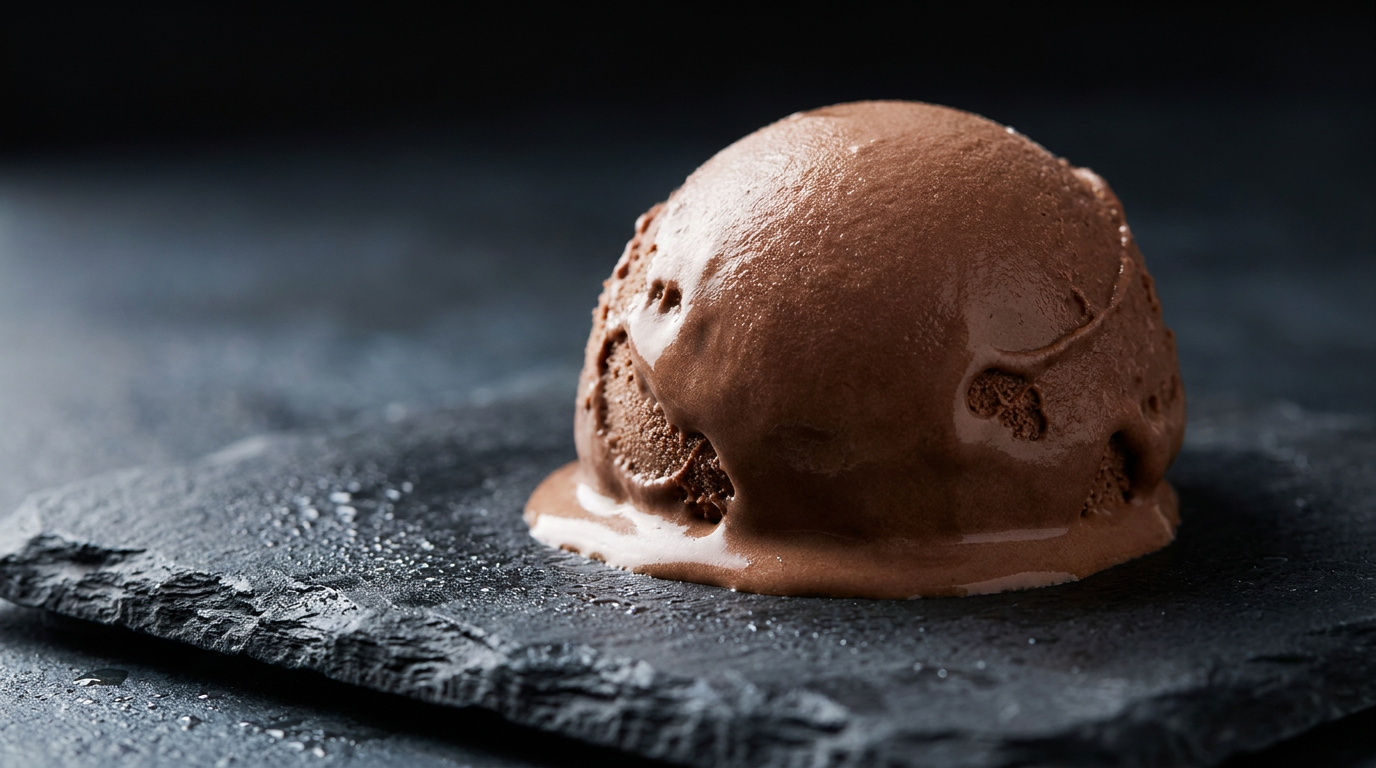
The inherent challenges of formulating with plant-based proteins—such as structural instability, texture degradation over time, and the introduction of major allergens with nut-based milks—make bio-identical whey an incredibly attractive plug-and-play solution for major brands. In early 2024, Unilever took a major step forward by partnering with Perfect Day to launch a lactose-free chocolate frozen dessert under its mainstream Breyers brand. This launch marked a watershed moment: the first time a multinational ice cream brand utilized fermentation-derived whey in a mass-market product, signaling a shift from niche startup novelty to mainstream commercial viability.[3][5]
Other industry giants are rapidly following suit, eager to secure their footing in the animal-free dairy landscape. Nestlé has successfully piloted animal-free dairy beverages through its internal accelerator programs, while Mars Wrigley recently introduced a chocolate bar utilizing Perfect Day's fermentation-derived protein. By integrating these novel, high-tech ingredients into established, familiar consumer brands rather than launching entirely new product lines, these massive companies are actively attempting to normalize animal-free dairy for the average grocery shopper, lowering the barrier to trial and acceptance.[6]
The regulatory landscape is also shifting rapidly to accommodate this entirely new food category, particularly in the United States, which has emerged as the global leader in alternative proteins. The U.S. Food and Drug Administration (FDA) has established a clear, navigable pathway for precision-fermented ingredients. The agency has issued multiple 'no questions' letters to companies in the space, officially granting their novel proteins Generally Recognized As Safe (GRAS) status after rigorous reviews of their safety and compositional data.[4]

The momentum in regulatory approvals is accelerating. In addition to Perfect Day's early success, European biotechnology firms like Verley and Formo have recently secured FDA clearance for their own fermentation-derived whey and casein proteins, signaling a rapidly maturing and increasingly competitive market. This regulatory green light effectively de-risks the ingredients for major food manufacturers, providing them with the legal clarity and confidence required to integrate these proteins into new formulations and scale up their commercialization efforts across the American market.[4]
However, the technology is not without its unique consumer hurdles and necessary caveats. Because the proteins produced in these fermentation tanks are molecularly identical to those found in cow's milk, they interact with the human immune system in the exact same way, meaning they will still trigger dairy allergies. Consequently, products utilizing these ingredients must be strictly and prominently labeled with milk allergy warnings by law, creating a slightly confusing paradigm for shoppers given that the products are simultaneously certified vegan and entirely animal-free.[7]
Furthermore, scaling up production to meet even a fraction of global dairy demand remains a monumental engineering and financial challenge for the sector. Achieving true price parity with heavily subsidized conventional dairy requires the construction of massive, capital-intensive bioreactors and the continuous optimization of microbial strains to ensure they can produce high yields reliably batch after batch. Until these economies of scale are fully realized, precision-fermented products will likely carry a premium price tag, limiting their immediate accessibility to budget-conscious consumers.[8]
Finally, broad consumer acceptance remains the ultimate open question for the future of animal-free dairy. While the promise of a sustainable, cruelty-free ice cream that perfectly mimics the real thing is undeniably appealing, companies must carefully navigate the optics of 'lab-grown' or 'synthetic' food narratives. Long-term success will likely depend on transparent, accessible education, emphasizing to the public that the final product is a pure, familiar protein—simply brewed in a modern tank rather than milked from a cow.[3]
How we got here
2014
Perfect Day is founded, pioneering the use of precision fermentation for dairy proteins.
2020
The FDA issues its first 'no questions' letter for animal-free whey, opening the US market.
Early 2024
Unilever partners with Perfect Day to launch a lactose-free chocolate frozen dessert under the Breyers brand.
2025-2026
European biotech firms like Verley and Formo secure FDA GRAS status, signaling a rapidly maturing global market.
Viewpoints in depth
Food Tech & Biotech Innovators
Viewing precision fermentation as the necessary evolution of the dairy industry.
Biotech startups and researchers argue that traditional animal agriculture is fundamentally unscalable given the realities of climate change and resource scarcity. By digitizing the genetic code of milk proteins and brewing them via microflora, they believe society can decouple its favorite comfort foods from the environmental degradation of industrial farming. For this camp, the technology is not a compromise or a 'substitute,' but an exact replica that improves upon the original by stripping out cholesterol, lactose, and antibiotics.
Consumer Packaged Goods Brands
Focusing on functionality, supply chain stability, and corporate climate goals.
For multinational food conglomerates, precision fermentation solves a critical formulation problem. Plant-based proteins often introduce off-flavors or icy textures that alienate mainstream consumers. Bio-identical whey allows these brands to maintain the exact taste and mouthfeel their customers expect while drastically slashing the Scope 3 carbon emissions associated with their dairy supply chains. They view the technology as a vital tool for meeting ambitious sustainability pledges without sacrificing product quality.
Sustainability Advocates
Championing the technology for its potential to reduce environmental impact and animal exploitation.
Environmental NGOs and animal welfare organizations see precision fermentation as a silver bullet for some of the food system's most entrenched problems. They highlight the staggering reductions in land use, water consumption, and methane emissions compared to traditional dairy farming. Furthermore, by removing the cow from the equation entirely, this camp celebrates the elimination of the ethical concerns associated with industrial animal agriculture, pushing for rapid regulatory approval and market adoption.
What we don't know
- How quickly the industry can scale up bioreactor capacity to achieve true price parity with heavily subsidized conventional dairy.
- Whether mainstream consumers will fully embrace 'animal-free dairy' once the novelty wears off, or if skepticism around 'lab-grown' foods will hinder mass adoption.
Key terms
- Precision Fermentation
- A technology that uses genetically engineered microorganisms, like yeast or fungi, to produce specific complex molecules, such as dairy proteins, in a controlled environment.
- Microflora
- Microscopic organisms, including bacteria, yeast, and fungi, used as 'cell factories' to brew target proteins.
- Whey Protein
- One of the primary proteins found in cow's milk, responsible for the creamy texture and structural stability of dairy products.
- GRAS Status
- Generally Recognized As Safe, an FDA designation indicating that an ingredient has been proven safe for consumption by expert consensus.
Frequently asked
Is animal-free dairy safe for people with milk allergies?
No. Because precision fermentation creates proteins that are molecularly identical to those found in cow's milk, they will still trigger dairy allergies.
Does animal-free dairy contain lactose?
No. The fermentation process only produces the isolated dairy proteins (like whey or casein), completely leaving out lactose, cholesterol, and hormones.
Is precision-fermented ice cream considered vegan?
Yes. Because no animals are involved in the production process, the resulting products are certified vegan, despite containing real dairy proteins.
How is this different from plant-based milks like oat or almond?
Plant-based milks rely on proteins from nuts or grains, which behave differently in cooking and freezing. Precision fermentation creates the exact same proteins found in cow's milk, offering identical texture and melting properties.
Sources
Source coverage
8 outlets
3 viewpoints surfaced








[1]The Good Food InstituteSustainability Advocates
The Science of Fermentation
Read on The Good Food Institute →[2]CSIROFood Tech & Biotech Innovators
Precision fermentation
Read on CSIRO →[3]Dairy Business MEAConsumer Packaged Goods Brands
Unilever partners with Perfect Day for animal-free dairy dessert
Read on Dairy Business MEA →[4]Cultivated XFood Tech & Biotech Innovators
Verley Receives FDA 'No Questions' Letter for Precision-Fermented Dairy Proteins
Read on Cultivated X →[5]Green QueenSustainability Advocates
Unilever Exploring Precision Fermentation To Make Cow-Free Ice Cream
Read on Green Queen →[6]Ingredients NetworkConsumer Packaged Goods Brands
Unilever and Perfect Day's animal-free dairy dessert: Is precision fermentation the future?
Read on Ingredients Network →[7]Perfect DayFood Tech & Biotech Innovators
How Animal-Free Ice Cream is Made
Read on Perfect Day →[8]GEAFood Tech & Biotech Innovators
Precision fermentation: The future of animal-free dairy
Read on GEA →

Every angle. Every day.
Get food drink stories with full source coverage and perspective breakdowns delivered to your inbox.