
How Oral Weight-Loss Pills Work: The Science Behind the New Wegovy Tablet
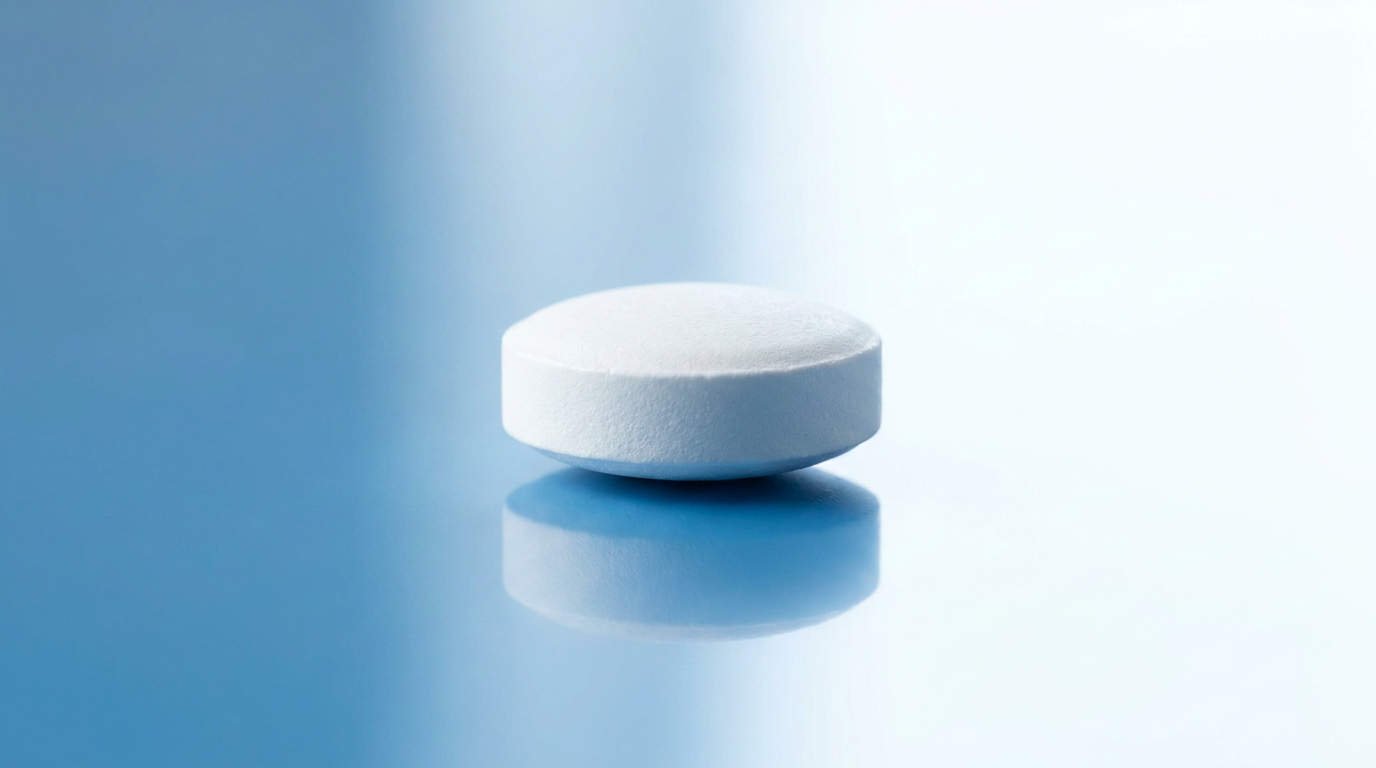
The approval of a daily pill form of Wegovy marks a major breakthrough in metabolic science, utilizing a unique chemical shield to deliver complex peptides through the stomach.
By Factlen Editorial Team
- Metabolic Researchers
- Focuses on the biological breakthrough of oral peptide delivery and the clinical efficacy data.
- Public Health Advocates
- Emphasizes the democratization of obesity treatment and the removal of access barriers.
- Clinical Practitioners
- Focuses on the practical realities of patient adherence, side effect management, and long-term care.
What's not represented
- · Health Insurance Providers (assessing the financial impact of widespread daily pill prescriptions)
- · Fitness and Nutrition Coaches (adapting training programs for clients with rapidly suppressed appetites)
Why this matters
The approval of a highly effective, daily weight-loss pill removes the barrier of needle phobia and cold-chain storage, fundamentally democratizing access to next-generation metabolic care. This shift promises to make treating chronic obesity as routine as taking a daily vitamin or blood pressure medication.
Key points
- The UK's MHRA has approved Wegovy in a daily pill format, offering an alternative to weekly injections.
- The pill uses a chemical enhancer called SNAC to protect the medication from stomach acid and allow absorption.
- Clinical trials show the high-dose pill helps patients lose an average of 15.1% of their body weight over 68 weeks.
- The medication must be taken on a completely empty stomach with a small amount of water to work effectively.
- By crossing the blood-brain barrier, the drug reduces 'food noise' and dampens reward-driven eating behaviors.
The landscape of metabolic health is undergoing its most significant shift since the introduction of GLP-1 receptor agonists. Following its debut in the United States earlier this year, the UK's Medicines and Healthcare products Regulatory Agency (MHRA) has officially approved Wegovy in a daily pill form. This regulatory green light marks the first time a highly effective, next-generation weight-loss medication will be available to British patients without the need for a needle. For millions of people managing obesity, the transition from a weekly subcutaneous injection to a simple morning tablet represents a profound lowering of the barrier to entry for medical treatment.[1]
The significance of this development extends far beyond mere convenience. Injectable medications require cold-chain logistics—refrigerated shipping and storage—which complicates distribution and limits access in certain regions. Furthermore, clinical psychologists note that needle phobia prevents a substantial percentage of eligible patients from seeking treatment. By packaging the active ingredient, semaglutide, into a shelf-stable daily tablet, pharmaceutical developers have effectively democratized access to a drug class that is fundamentally rewriting the rules of nutritional science and obesity management.[6]
Yet, from a biological perspective, creating a weight-loss pill was an engineering nightmare. Semaglutide is a peptide—a short chain of amino acids. For over a century, pharmacologists have struggled to deliver peptide-based drugs, such as insulin, through the digestive tract. The human stomach is an evolutionary fortress designed to break down proteins. When a standard peptide enters the stomach, the highly acidic environment denatures it, and digestive enzymes like pepsin rapidly cleave it into useless fragments long before it can reach the bloodstream.[3]
The breakthrough that made the Wegovy pill possible relies on a chemical absorption enhancer known as salcaprozate sodium, or SNAC. Rather than trying to armor the pill with a heavy enteric coating to survive the stomach, researchers took the opposite approach: they designed the tablet to dissolve rapidly in the stomach and temporarily alter the local environment. Each tablet contains a small amount of semaglutide co-formulated with a massive 300-milligram payload of SNAC.[3]

When the tablet hits the gastric fluid, the SNAC acts as a localized chemical shield. It immediately acts as a buffer, neutralizing the acidic pH in the microscopic area directly surrounding the dissolving pill. By raising the local pH to a more neutral level, SNAC effectively inactivates pepsin in that specific zone, preventing the enzyme from shredding the fragile semaglutide molecule. This creates a temporary, safe harbor within the hostile environment of the stomach.[3]
But protecting the peptide is only half the battle; it still needs to enter the bloodstream. Here, SNAC performs its second, more remarkable function. It interacts with the lipid membranes of the epithelial cells lining the stomach wall, temporarily increasing their fluidity. This "membrane fluidization" allows the large semaglutide molecules to slip directly through the cells—a process called transcellular absorption—and into the dense network of blood vessels surrounding the stomach. Once the drug is safely absorbed, the SNAC is rapidly metabolized and cleared from the body, and the stomach's normal acidic environment is restored.[3]
Because this mechanism relies on such a delicate, localized chemical reaction, the dosing instructions for the pill are exceptionally rigid. Patients must take the tablet on a completely empty stomach, immediately upon waking, with no more than half a glass of water. They must then wait at least 30 minutes before eating, drinking anything else, or taking other medications. Any food in the stomach would trigger the release of massive amounts of acid and digestive enzymes, completely overwhelming the SNAC buffer and destroying the medication before it could be absorbed.[1][3]
Because this mechanism relies on such a delicate, localized chemical reaction, the dosing instructions for the pill are exceptionally rigid.
The central question for both clinicians and patients has been whether this complex oral delivery system can match the dramatic results of the weekly injections. The clinical data suggests it can. The efficacy of the high-dose oral formulation was rigorously tested in the OASIS 1 trial, a phase 3 study involving 667 adults with overweight or obesity.[2]
The results of the OASIS 1 trial, published in The Lancet, demonstrated striking efficacy. Participants who adhered to the daily 50-milligram oral semaglutide regimen achieved an average body weight reduction of 15.1% over 68 weeks. In stark contrast, the placebo group, which followed the same diet and exercise interventions without the active medication, lost an average of just 2.4% of their body weight.[2][4]

The depth of the weight loss was equally notable. Nearly 90% of the patients taking the oral medication lost at least 5% of their body weight, a threshold widely recognized by cardiologists as clinically significant for improving metabolic health. Furthermore, 54% of the participants lost at least 15% of their body weight, and roughly one-third shed 20% or more. These figures closely mirror the outcomes seen in trials for the 2.4-milligram injectable version of Wegovy, proving that the oral delivery mechanism is highly viable.[4]
To understand why this medication is so effective, it is necessary to look at how GLP-1 receptor agonists alter human biology. The drug works through two distinct pathways: one in the gut, and one in the brain. Peripherally, semaglutide significantly slows gastric emptying. By reducing the rate at which food leaves the stomach and enters the small intestine, the medication creates a prolonged, physical sensation of fullness. Patients simply cannot eat as much in a single sitting without feeling uncomfortably stuffed.[7]
However, researchers increasingly believe that the drug's central action in the brain is the true driver of its success. GLP-1 receptors are densely concentrated in the hypothalamus and the brainstem—the neurological command centers for appetite and energy balance. When the medication crosses the blood-brain barrier and binds to these receptors, it fundamentally alters the body's hunger signaling.[7]
This neurological shift directly addresses a phenomenon that patients and clinicians colloquially refer to as "food noise." Food noise describes the persistent, intrusive, and often overwhelming thoughts about eating that plague many individuals with obesity. It is driven by the brain's dopamine-fueled reward pathways, which evolved to seek out calorie-dense foods but have become maladaptive in a modern environment flooded with ultra-processed options.[7]

By modulating these reward circuits, oral semaglutide effectively turns down the volume on food noise. Patients consistently report a sudden, liberating sense of apathy toward highly palatable foods. Instead of relying on sheer willpower to resist cravings—a strategy that biological drives almost always defeat in the long run—patients find themselves naturally satisfied with smaller portions and less interested in snacking. This biological regulation allows individuals to implement healthy nutritional changes without the constant psychological friction of deprivation.[5]
This profound metabolic shift does not come without side effects. Because the drug fundamentally alters digestion, gastrointestinal distress is highly common. In the OASIS 1 trial, a significant majority of participants experienced mild to moderate nausea, particularly during the initial months as their dosage was gradually escalated. Diarrhea, constipation, and occasional vomiting are also frequently reported, requiring patients to work closely with their healthcare providers to manage symptoms and adjust their dietary intake to ensure they are getting adequate protein and nutrients.[2]
As the Wegovy pill enters the market, the pharmaceutical landscape is already preparing for the next wave of innovation. Competitors are developing non-peptide oral GLP-1 agonists, such as Eli Lilly's Orforglipron, which are synthesized from small molecules rather than amino acids. Because small molecules are not destroyed by stomach acid, these future drugs will not require the complex SNAC buffer system and could potentially be taken with food, further simplifying the patient experience.[6]
For now, the arrival of oral semaglutide represents a watershed moment in the treatment of chronic metabolic disease. By transforming a complex, weekly medical procedure into a simple daily habit—much like taking a statin or a multivitamin—the medical community is taking a massive step toward destigmatizing obesity. It reinforces the scientific consensus that severe weight struggles are not a failure of character, but a biological mismatch that can now be addressed with a glass of water and a daily pill.[5]
How we got here
1921 to 2010s
Decades of failed attempts to create oral peptide medications, as stomach acid consistently destroys them.
2019
The FDA approves the first oral GLP-1 medication (Rybelsus) at a low dose specifically for Type 2 diabetes.
June 2023
The OASIS 1 phase 3 trial publishes results showing high-dose oral semaglutide is highly effective for general obesity.
January 2026
Novo Nordisk launches the Wegovy pill in the United States.
June 2026
The UK's MHRA approves the Wegovy pill, paving the way for prescription access in Britain.
Viewpoints in depth
Metabolic Researchers' View
Focuses on the biological breakthrough of oral peptide delivery and the clinical efficacy data.
Researchers view the successful oral delivery of a peptide as a landmark achievement in pharmacology. For decades, the gastrointestinal tract was considered an impenetrable barrier for large protein-based drugs. By proving that SNAC technology can safely and consistently deliver semaglutide into the bloodstream, scientists believe this opens the door not just for obesity treatments, but for oral versions of other complex biologic drugs that currently require injection.
Public Health Advocates' View
Emphasizes the democratization of obesity treatment and the removal of access barriers.
Public health experts argue that moving from a weekly injection to a daily pill fundamentally changes the accessibility of metabolic care. Needles carry a significant psychological barrier for many patients, and injectable pens require cold-chain shipping and refrigeration. A shelf-stable pill can be distributed more equitably, potentially reaching millions of patients who were previously excluded from the latest generation of weight-loss therapies.
Clinical Practitioners' View
Focuses on the practical realities of patient adherence, side effect management, and long-term care.
Doctors and dietitians note that while the pill is more convenient, it comes with rigid dosing requirements—it must be taken on an empty stomach with exactly half a glass of water, followed by a 30-minute fasting period. Practitioners emphasize that the medication is a tool, not a cure, and must be paired with nutritional counseling to ensure patients maintain muscle mass and nutrient intake while their appetite is drastically reduced.
What we don't know
- It remains unclear how the long-term maintenance of weight loss on the oral pill compares to the injectable version over multiple years.
- The exact pricing and insurance coverage landscape for the daily pill in various international markets is still being determined.
- Researchers are still studying whether the daily fluctuations in drug concentration from a pill affect 'food noise' differently than the steady release of a weekly injection.
Key terms
- GLP-1 Receptor Agonist
- A class of medications that mimic a natural intestinal hormone to regulate blood sugar, slow digestion, and reduce appetite.
- Peptide
- A short chain of amino acids; because they are proteins, they are typically destroyed by stomach acid if swallowed.
- SNAC (Salcaprozate Sodium)
- A chemical absorption enhancer that temporarily alters the stomach environment to allow large molecules to enter the bloodstream.
- Gastric Emptying
- The process by which food leaves the stomach and enters the small intestine; slowing this process increases physical fullness.
- Food Noise
- A colloquial term for persistent, intrusive thoughts about food and eating, driven by the brain's reward pathways.
- Transcellular Absorption
- The passage of a substance directly through a cell membrane, rather than squeezing through the gaps between cells.
Frequently asked
Do the weight-loss pills work as well as the injections?
Yes. Clinical trials show that the high-dose (50mg) oral semaglutide tablet produces about 15.1% body weight loss over 68 weeks, which is highly comparable to the results seen with the weekly injections.
Why do I have to take the pill on an empty stomach?
The pill relies on a delicate chemical reaction in the stomach to protect the medication from digestive acids. Food or large amounts of water disrupt this localized environment, destroying the drug before it can be absorbed.
Are the side effects different from the injectable version?
The side effect profile is very similar to the injections, with gastrointestinal issues like nausea, diarrhea, and constipation being the most common, especially when first increasing the dose.
Will I have to take the pill forever?
Obesity is increasingly treated as a chronic metabolic condition. Studies suggest that stopping GLP-1 medications entirely leads to weight regain, though pills may eventually be used as a lower-dose maintenance therapy after initial weight loss.
Sources
Source coverage
7 outlets
3 viewpoints surfaced





[1]BBC NewsPublic Health Advocates
Weight-loss drug Wegovy to be available in pill form in UK for first time
Read on BBC News →[2]The LancetMetabolic Researchers
Oral semaglutide 50 mg taken once per day in adults with overweight or obesity (OASIS 1): a randomised, double-blind, placebo-controlled, phase 3 trial
Read on The Lancet →[3]PubMed CentralMetabolic Researchers
Current Understanding of Sodium N-(8-[2-Hydroxylbenzoyl] Amino) Caprylate (SNAC) as an Absorption Enhancer: The Oral Semaglutide Experience
Read on PubMed Central →[4]American Diabetes AssociationMetabolic Researchers
Oral Semaglutide 50 mg May be Effective Option for Obesity Treatment, According to OASIS 1 Study Authors
Read on American Diabetes Association →[5]Factlen Editorial TeamClinical Practitioners
Synthesis by Factlen editorial team
Read on Factlen Editorial Team →[6]BBC Science FocusPublic Health Advocates
The weight-loss pill everyone wants is finally here
Read on BBC Science Focus →[7]HCPLiveClinical Practitioners
Mechanisms of Action of GLP-1 Agonists in T2D
Read on HCPLive →

More in health
See all 6 stories →Metabolic Health
Muscle as an Organ of Longevity: The Science of Myokines and Metabolic Health
0 sources

Clinical Evidence
The Evidence for Exercise as a First-Line Mental Health Treatment
0 sources

Diabetes Research
FDA Approves First Disease-Modifying Therapy for Newly Diagnosed Stage 3 Type 1 Diabetes in Youth
0 sources

Longevity Science
The Science of 'Exercise Snacks': How 1-Minute Bursts of Movement Can Transform Longevity
0 sources

Every angle. Every day.
Get health stories with full source coverage and perspective breakdowns delivered to your inbox.