
How Independent Leagues and Backcountry Platforms Are Revolutionizing Competitive Snowboarding in 2026
A wave of rider-led leagues and hybrid backcountry events is fundamentally reshaping competitive snowboarding, offering athletes unprecedented prize purses and creative control outside the traditional Olympic cycle.
By Ryder James
Share this story
For decades, competitive snowboarding has operated on a boom-and-bust cycle dictated by the four-year Olympic window. Athletes would peak for the global stage, only to return to a fragmented calendar of independent contests and federation-run qualifiers that struggled to maintain mainstream attention.
But in 2026, the sport is undergoing a structural revolution. Frustrated by inconsistent prize purses and a lack of year-round storytelling, the snowboarding community is taking its destiny into its own hands. A wave of new, rider-led leagues and independent progression platforms is fundamentally reshaping how athletes compete, how they are compensated, and how fans consume the sport.
The most high-profile disruptor is the MoonPay X Games League (XGL), which officially launches its winter season with an inaugural draft in September 2026. Moving away from the traditional individualistic nature of action sports, XGL is adopting a Formula One-style team model.[1]
During the upcoming draft at Cosm Los Angeles, four regionally based, city-affiliated clubs will select a total of 40 athletes. Each club's roster will consist of exactly ten competitors—five men and five women—and must feature a multidisciplinary mix of both skiers and snowboarders.[1]
This team-based format is designed to foster local fan loyalties and create a consistent narrative across a multi-stop winter tour. Athletes will compete not just for individual glory, but to accumulate points for their respective clubs, culminating in a high-stakes championship finale.
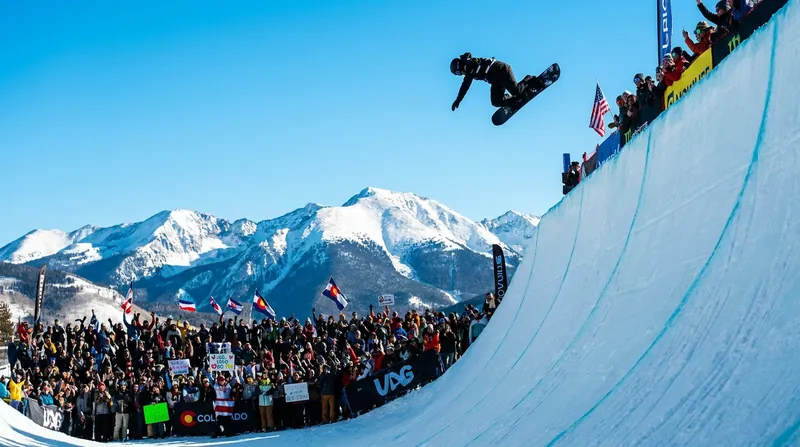
Running parallel to the X Games expansion is The Snow League, founded by three-time Olympic gold medalist Shaun White. Designed to mirror the structure of the World Surf League, this new professional tour focuses heavily on the halfpipe discipline and boasts a massive $2.2 million prize pool.
The Snow League concluded its inaugural season in March 2026 at the iconic LAAX resort in Switzerland, crowning its first world champions. By establishing a points-based ranking system and head-to-head championship brackets, the league aims to provide athletes with a consistent, year-round living rather than relying solely on sporadic sponsor bonuses.
Crucially, The Snow League has secured the blessing of the World Snowboard Federation (WSF). The league's events are integrated into the World Snowboard Points List (WSPL), ensuring a transparent pathway for rising stars to qualify for the elite tour based on objective global rankings.
While stadium-style halfpipe and slopestyle events dominate the broadcast networks, a quieter revolution is happening in the backcountry. Traditional contests often force riders to perform in suboptimal weather, but new formats are prioritizing the raw, creative essence of the sport.
Enter "RnD" (Research and Development), a women's backcountry freestyle event founded by professional snowboarder Robin Van Gyn. Held at Whitewater Mountain Resort in British Columbia, the 2026 edition brought together fifteen of the world's best female riders for a hybrid competition that blends filmmaking with live performance.
The RnD format is uniquely tailored to the realities of backcountry riding. The event spans three filming days and one live contest day. A rider's final score is weighted heavily toward their live run (70%), but also factors in their strongest filmed clip (30%) captured during the scouting and building phase.
This structure allows athletes to navigate variable lighting and weather conditions safely, working alongside professional film crews to build their media portfolios. It removes the pressure of a rigid broadcast window, allowing the mountain's natural terrain to dictate the pace of progression.
The stakes at RnD 2026 were higher than ever. Beyond a $10,000 first-place prize—claimed this year by Amelia "Billy" Pelchat—the top two finishers earned golden tickets to compete in the prestigious Natural Selection Tour in Revelstoke.
By serving as a direct pipeline to the Natural Selection Tour, RnD is solving a critical visibility gap for women in freeride snowboarding. It provides a vital stepping stone for athletes who have the talent but previously lacked the platform to showcase their skills to major sponsors.
The emergence of XGL, The Snow League, and RnD represents a broader philosophical shift. The power dynamic is moving away from the International Ski and Snowboard Federation (FIS), the governing body that controls the Olympic qualification pathways.
For years, riders have expressed frustration with FIS courses and schedules, which are often designed to satisfy international broadcast requirements rather than the safety and progression of the athletes. The new independent leagues are built by snowboarders, for snowboarders, ensuring that course design and competition formats serve the sport's core culture.
As the industry looks toward the 2026 Milan-Cortina Winter Olympics, these parallel ecosystems will face their first major test of coexistence. Athletes will have to balance the prestige of representing their countries with the financial stability and creative freedom offered by the new professional tours.
Ultimately, this structural overhaul guarantees one thing: competitive snowboarding is entering a golden era. With more prize money, better formats, and platforms dedicated to elevating underrepresented voices, the sport is finally building a sustainable foundation that matches the heights of its athletes' progression.
Key points
- The MoonPay X Games League will hold its inaugural Winter Draft in September 2026, selecting 40 athletes for a team-based tour.
- Shaun White's The Snow League concluded its first season in March 2026, offering a massive $2.2 million prize pool.
- The RnD backcountry event in British Columbia utilizes a hybrid format, judging women on both live runs and filmed clips.
- These independent platforms are shifting power away from traditional federations, prioritizing athlete compensation and creative freedom.
How we got here
June 2024
Shaun White officially announces the formation of The Snow League.
March 2026
The Snow League concludes its inaugural season and crowns its first champions in LAAX, Switzerland.
March 2026
The third annual RnD event takes place at Whitewater Resort, awarding Natural Selection Tour spots.
September 2026
The MoonPay X Games League holds its inaugural Winter Draft at Cosm Los Angeles.
January 2027
The first official winter season of the X Games League is scheduled to begin.
- Independent League Advocates
- Founders and organizers pushing for rider-led formats that prioritize consistent compensation and creative freedom.
- The Athletes
- Competitors navigating the new landscape of increased opportunities and complex schedules.
- Traditional Federations
- Governing bodies focused on global standardization and the established Olympic qualification pathway.
Perspectives this story doesn't cover
- Grassroots snowboarders who may be priced out of elite training pipelines.
- Local resort operators managing the logistical impact of hosting massive league events.
Sources
Source coverage
1 outlets
3 viewpoints surfaced

- [1]SnowboarderIndependent League Advocates
X Games League Announces Winter Draft
Read on Snowboarder →
More in Sports
See all →Operation Giant Slalom
How 'Operation Giant Slalom' Dismantled a Transnational Cartel Network
4 sources
Injury
Snowboard Injury Report: Brearley, McMorris, and Hirano Target 2026–27 Returns Following Grueling Olympic-Year Setbacks
6 sources
Standings
Josie Baff and Adam Lambert Headline the 2026 Australia New Zealand Cup Snowboard Cross Standings Chase
5 sources
Olympic Programming
Inside the IOC's Review of Snowboard Parallel Giant Slalom for the 2030 Olympics
2 sources
Comments
Every angle. Every day.
Get Sports stories with full source coverage and perspective breakdowns, free every day.