
How Amazon's New 'Auto-Buy' AI is Rewriting the Rules of Deal Hunting in 2026
Amazon has rolled out 'Alexa for Shopping,' introducing automated purchasing triggers and native 365-day price histories that shift the burden of deal hunting from humans to algorithms.
By Factlen Editorial Team
- E-Commerce Platforms
- Argue that agentic AI removes friction, boosts conversion rates, and provides a superior, personalized shopping experience.
- Third-Party Retailers
- Value the ability to deploy AI concierges quickly to drive sales, but remain cautious about relying on Amazon's infrastructure while competing with its retail arm.
- Consumer Analysts
- Welcome the transparency of native price histories but warn about the risks of relinquishing purchasing control to automated systems.
What's not represented
- · Independent developers of third-party price tracking extensions whose business models are threatened by Amazon's native tools.
Why this matters
The introduction of 'agentic commerce' means consumers no longer have to manually track prices or wait for flash sales. By delegating the checkout process to an AI with strict price limits, shoppers can automatically secure the best deals while protecting themselves from artificially inflated discounts.
Key points
- Amazon has launched 'Alexa for Shopping,' replacing its previous AI assistant, Rufus.
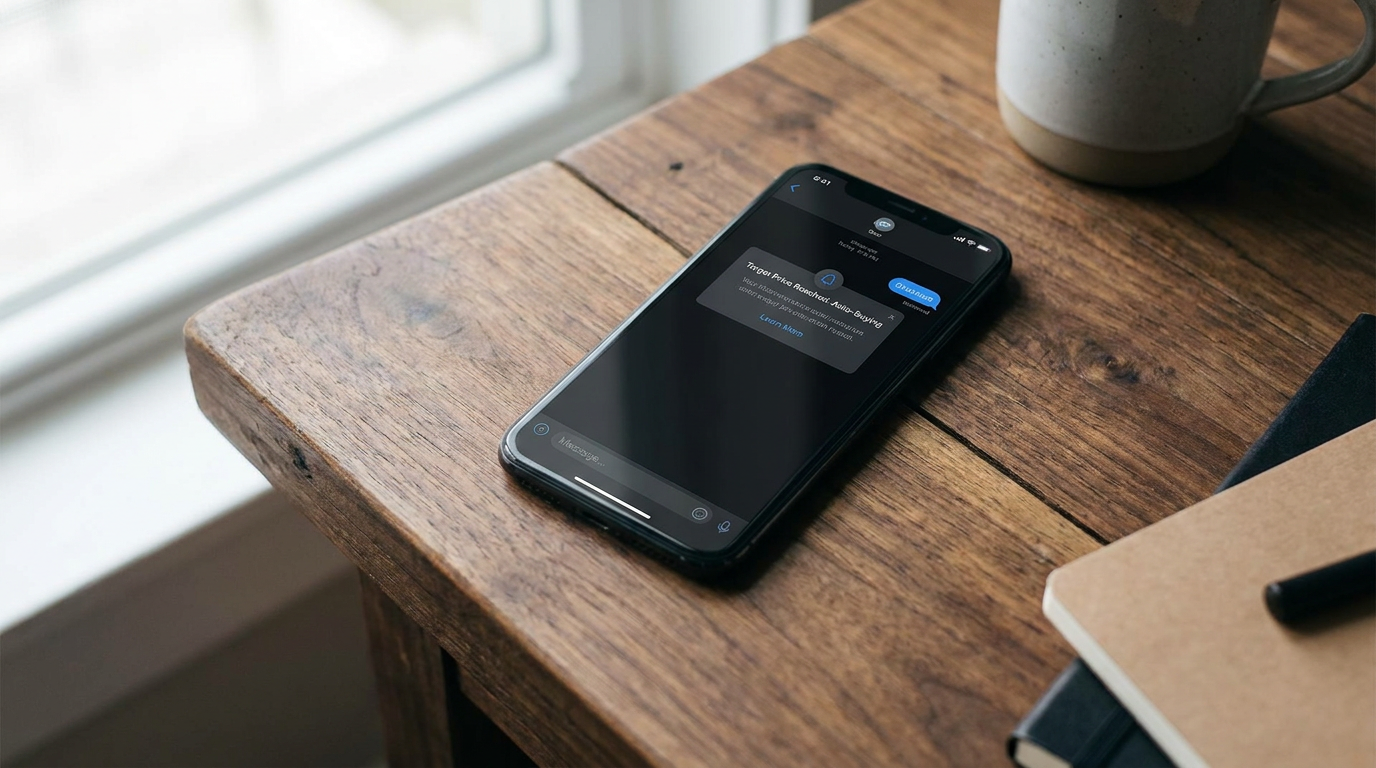
- A new 'Auto-Buy' feature allows users to set target prices and have the AI automatically execute the purchase when the price drops.
- Amazon has integrated native 365-day price history charts directly into its product pages, increasing transparency.
- AWS has released the 'Agentic Shopping Assistant,' allowing third-party retailers to build their own AI shopping concierges.
- Conversational AI shopping sessions yield conversion rates 3.5 times higher than traditional keyword searches.
The era of manually refreshing browser tabs to catch a fleeting flash sale is officially ending. In May 2026, Amazon launched "Alexa for Shopping," a sweeping overhaul of its e-commerce interface that replaces its previous AI assistant, Rufus. Available across the Amazon app, website, and Echo Show devices, the new system merges deep product catalogs with conversational AI. But beyond answering basic product questions, the update introduces a suite of aggressive deal-hunting tools that fundamentally change how consumers interact with the digital storefront. The most disruptive of these features is "Auto-Buy," a mechanism that shifts the burden of price monitoring from the human to the machine.[1][2]
For deal hunters, Auto-Buy represents the holy grail of automated commerce. Shoppers can now tell the AI their exact target price for a specific item—such as a pair of premium noise-canceling headphones or a smart home hub—and walk away. The system continuously monitors the fluctuating price tag and automatically executes the purchase the moment the item drops to the user's specified threshold. By eliminating the friction of manual checkout, Amazon is betting that consumers will authorize more purchases in advance, capturing sales that might otherwise be lost to hesitation or missed notifications.[1][2]
Alongside automated purchasing, Amazon has integrated a native 365-day price history chart directly into its product detail pages. For years, savvy shoppers have relied on third-party browser extensions like CamelCamelCamel or Keepa to verify whether a "discount" was a genuine deal or merely a temporary drop from an artificially inflated MSRP. By baking a full year of pricing transparency directly into the native interface, Amazon is attempting to build absolute trust with the buyer, ensuring they don't need to leave the ecosystem to validate a purchase.[1][4]

The stakes for this rollout are immediate. Amazon has shifted its 2026 Prime Day to late June, positioning the massive four-day sales event as the first large-scale stress test for its agentic shopping tools. During the event, Alexa for Shopping will generate personalized deal guides based on a user's purchase history and stated preferences, explaining exactly why each item was selected. If the AI recommendations convert, and the Auto-Buy triggers execute flawlessly under the strain of millions of concurrent users, Amazon will have successfully proven the viability of autonomous retail.[1][2][4]
But Amazon's ambitions extend far beyond its own marketplace. In early June, Amazon Web Services (AWS) introduced the "Agentic Shopping Assistant," a white-label version of the technology designed for third-party retailers. Built on the same Bedrock AgentCore infrastructure that powers Alexa for Shopping, the AWS tool allows independent brands to deploy their own conversational AI agents in a matter of weeks, rather than spending years developing the technology in-house. This effectively turns Amazon's internal retail advantage into a scalable software-as-a-service product.[3][5]
But Amazon's ambitions extend far beyond its own marketplace.
Early adopters are already demonstrating the financial potential of these bespoke AI concierges. Tapestry, the parent company of Kate Spade, launched an AI Gift Concierge in April 2026 that guides shoppers through conversational prompts—asking about the recipient's style, the occasion, and the budget—before recommending specific items. The financial incentive for retailers to adopt this technology is massive. According to Amazon's internal data, conversational shopping sessions yield conversion rates 3.5 times higher than traditional keyword searches, as the AI actively guides the consumer through the decision-making process.[3][5]

This shift represents a fundamental rewiring of digital commerce, moving the industry from static storefronts to dynamic, "agentic" ecosystems. As enterprise retailers increasingly deploy AI-driven dynamic pricing algorithms to maximize margins and adjust costs in real-time, consumers are now being armed with their own AI agents to negotiate, monitor, and snipe the best possible deals. It is an algorithmic arms race, where software programs negotiate with other software programs to settle on a final transaction price while the human buyer sleeps.[2][6]
Amazon is not alone in recognizing the lucrative potential of agentic commerce. Google is rapidly integrating direct shopping features into its AI-powered search results, partnering with platforms like Shopify to let AI agents interact directly with merchant checkout systems. Meanwhile, Microsoft has added native checkout capabilities to its Copilot assistant, working with legacy brands to build custom shopping experiences. The race to own the "discovery-to-purchase" pipeline is the defining battleground of 2026's retail landscape.[3]

However, the transition to agentic commerce requires a massive leap of faith from both sides of the transaction. Retailers must trust AWS with their customer interactions and proprietary product data, even as they compete directly against Amazon's retail arm for market share. Conversely, consumers must trust that their AI agents will not trigger accidental purchases, overdraw their accounts, or fall for artificially inflated "discounts" designed to trigger Auto-Buy thresholds.[2][3]
As the 2026 summer sales season kicks off, the definition of a "smart shopper" is undergoing a radical transformation. The advantage no longer belongs to the consumer with the most patience, the most browser tabs open, or the deepest knowledge of coupon codes. Instead, the retail landscape is being conquered by those with the best-calibrated algorithms. By turning deal-hunting into an automated background process, AI is poised to make the thrill of the hunt obsolete—replacing it with the quiet efficiency of the machine.[2][6]
How we got here
Early 2024
Amazon launches Rufus, its first-generation AI shopping assistant, focused primarily on answering product questions.
April 2026
Tapestry launches the Kate Spade AI Gift Concierge, an early test of Amazon's white-label agentic shopping technology.
May 2026
Amazon officially replaces Rufus with 'Alexa for Shopping,' introducing Auto-Buy and native 365-day price histories.
June 2026
Amazon Web Services publicly releases the Agentic Shopping Assistant for third-party retailers.
Late June 2026
Amazon shifts Prime Day to serve as the first massive stress test for its new suite of autonomous purchasing tools.
Viewpoints in depth
E-Commerce Platforms
Argue that agentic AI removes friction, boosts conversion rates, and provides a superior, personalized shopping experience.
For platform operators like Amazon and BigCommerce, agentic AI represents the ultimate solution to cart abandonment. By shifting the shopping experience from a static search bar to a conversational concierge, platforms can actively guide consumers through the decision-making process. The introduction of Auto-Buy takes this a step further by securing a commitment to purchase before the price even drops, effectively locking in future revenue and smoothing out demand spikes.
Third-Party Retailers
Value the ability to deploy AI concierges quickly to drive sales, but remain cautious about relying on Amazon's infrastructure while competing with its retail arm.
Independent brands and enterprise retailers recognize the immense financial upside of conversational commerce, particularly given the 3.5x increase in conversion rates. Tools like the AWS Agentic Shopping Assistant allow them to deploy sophisticated AI without massive in-house development costs. However, there is underlying tension: by relying on AWS to power their customer interactions, retailers are feeding data into the infrastructure of their largest competitor, raising long-term strategic concerns about platform dependency.
Consumer Analysts
Welcome the transparency of native price histories but warn about the risks of relinquishing purchasing control to automated systems.
Consumer advocates view the integration of native 365-day price histories as a massive win for transparency, finally giving shoppers the tools to verify whether a discount is genuine without leaving the app. However, they urge caution regarding Auto-Buy features. Analysts warn that delegating financial transactions to an algorithm requires immense trust, and consumers must be vigilant to ensure their AI agents aren't manipulated by artificial price fluctuations designed specifically to trigger automated purchasing thresholds.
What we don't know
- How frequently Auto-Buy triggers will result in accidental purchases or buyer's remorse returns.
- Whether third-party price tracking extensions will survive now that Amazon offers native 365-day price histories.
- How regulators will view the data-sharing implications of third-party retailers using AWS's shopping assistant infrastructure.
Key terms
- Agentic Commerce
- A retail model where artificial intelligence agents operate autonomously to negotiate prices, monitor inventory, and execute purchases on behalf of a human user.
- Auto-Buy
- A feature that automatically completes a transaction when a product's price drops to a user-defined threshold.
- Dynamic Pricing
- The practice of continuously adjusting product prices in real-time based on algorithms that analyze demand, competitor pricing, and inventory levels.
- Conversion Rate
- The percentage of website visitors who complete a desired action, such as making a purchase.
Frequently asked
What is Amazon's Auto-Buy feature?
Auto-Buy allows shoppers to set a target price for a specific item. If the item's price drops to that threshold, the AI automatically executes the purchase on the user's behalf.
Do I need an Amazon Prime membership to use Alexa for Shopping?
No. Alexa for Shopping and its associated features, including price history and Auto-Buy, are available to all Amazon customers on the app and website without a Prime membership.
What is the AWS Agentic Shopping Assistant?
It is a white-label software tool from Amazon Web Services that allows third-party retailers to build their own conversational AI shopping agents using Amazon's underlying technology.
How does AI affect e-commerce conversion rates?
According to Amazon's data, conversational shopping sessions—where an AI guides the user through prompts—yield conversion rates 3.5 times higher than traditional keyword searches.
Sources
Source coverage
6 outlets
3 viewpoints surfaced





[1]AmazonE-Commerce Platforms
Amazon introduces Alexa for Shopping, the world's most personalized AI assistant for shopping
Read on Amazon →[2]PYMNTSConsumer Analysts
Amazon Puts Alexa for Shopping to the Test on Prime Day
Read on PYMNTS →[3]GeekWireThird-Party Retailers
Amazon offers its AI shopping tech to outside retailers in new phase of agentic commerce race
Read on GeekWire →9 ways to use Amazon's AI tools to find the best Prime Day deals
Read on Amazon →[5]Retail DiveThird-Party Retailers
Amazon introduces AI shopping assistant tool for retailers
Read on Retail Dive →[6]BigCommerceE-Commerce Platforms
Agentic Commerce: How AI Agents Are Transforming Retail in 2026
Read on BigCommerce →

Every angle. Every day.
Get shopping stories with full source coverage and perspective breakdowns delivered to your inbox.