
FIFA Rejects France's Black Armband Request, Sparks Controversy With Mid-World Cup Rule Change Plan
FIFA denied the French national team's request to wear black armbands in honor of manager Didier Deschamps' late mother, prompting the governing body to propose a mid-tournament standardization of tribute rules. Despite the off-field friction, France rallied to defeat Norway 4-1 in a show of solidarity for their absent coach.
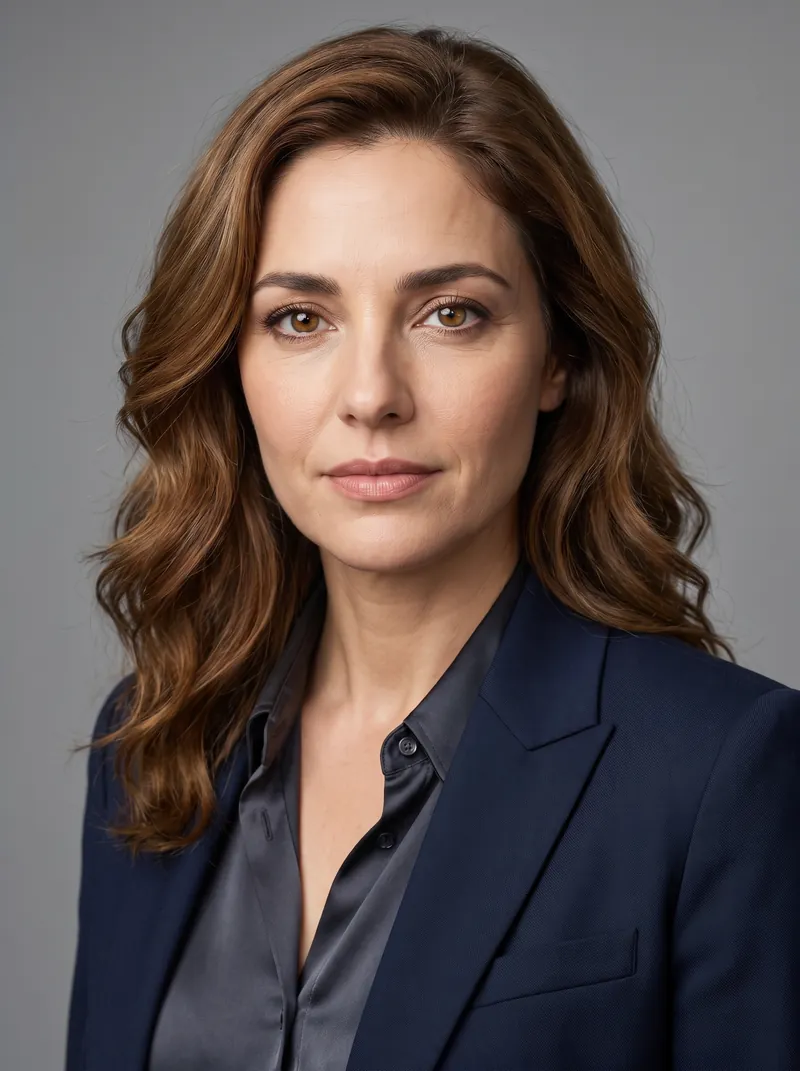
The French national team's dominant run through the 2026 World Cup group stage has intersected with off-field administrative friction, following FIFA's decision to reject a request for players to wear black armbands.
The French Football Federation (FFF) had sought permission to don the mourning bands during their final Group I match against Norway in Boston, intending to honor Ginette Deschamps, the late mother of long-serving manager Didier Deschamps. The governing body's refusal, rooted in strict uniform regulations, has sparked widespread discussion about the sport's bureaucratic rigidity and reportedly prompted FIFA to begin drafting a mid-tournament clarification on tribute protocols.
The emotional backdrop to the fixture was established earlier in the week when Deschamps received news of his mother's passing. The 57-year-old manager, who has led Les Bleus for 14 years and previously announced his intention to step down after this tournament, personally informed his squad of the bereavement before departing the United States to attend the funeral in France. His absence left longtime assistant coach Guy Stéphan in charge of a squad that was visibly determined to deliver a performance in their manager's honor.[2]
In an effort to publicly demonstrate their support, the FFF submitted a formal request to FIFA to modify their match kits with the traditional black armbands. The request was swiftly denied. FIFA's equipment regulations are notoriously stringent, designed to maintain a uniform broadcast aesthetic and prevent the proliferation of unsanctioned political, personal, or commercial messaging on the pitch. While the governing body has occasionally granted exceptions for global tragedies, individual bereavement requests are often rejected to avoid setting complex precedents.
The administrative tension was compounded by a pre-match miscommunication regarding a planned minute of silence. Ahead of kickoff at the Boston venue, the French delegation was under the impression that the stadium-wide silence was dedicated to Ginette Deschamps. However, FIFA soon issued a clarification that the tribute had been scheduled well in advance to honor the victims of a recent devastating earthquake in Venezuela. The mix-up highlighted the communication gaps between the tournament organizers and the competing federations during sensitive moments.
In response to the public and internal backlash over the armband denial, FIFA is reportedly accelerating plans to implement a standardized tribute protocol. The proposed mid-tournament rule change would establish a clear, universal framework for how nations can request and execute memorials, removing the ambiguity that led to the FFF's rejected appeal. By formalizing the process, FIFA aims to provide teams with approved avenues for expressing grief—such as designated stadium screen graphics or pre-match floral tributes—without compromising the integrity of the official match kits.
Despite the off-field distractions and the absence of their talismanic manager, the French squad delivered a clinical performance on the pitch. Facing a Norwegian side that had rested several key starters, France surged to a 4-1 victory. Ousmane Dembélé spearheaded the attack with a rapid hat-trick, ensuring that Les Bleus finished the group stage with a perfect record of three wins and nine points. The victory underscored the tactical continuity and psychological resilience that Deschamps has instilled in the squad over his tenure.
While the players were barred from wearing armbands, the French supporters in the stands found their own way to bypass the uniform restrictions. Fans unfurled a massive banner reading "AVEC TOI DIDIER" (With you Didier), ensuring that a visible message of solidarity was broadcast to the world. The grassroots tribute provided the emotional resonance that the official channels had denied, capturing the deep connection between the French public and the manager who guided them to World Cup glory in 2018.[2]
Assistant coach Guy Stéphan also ensured that the team's respects were paid within the bounds of FIFA's regulations. Before taking his place on the touchline, Stéphan carried a bouquet of flowers onto the pitch, a quiet but poignant gesture that honored his longtime colleague's mother. The seamless transition of leadership on the bench, coupled with the squad's unified front, demonstrated a team fully focused on their ultimate objective despite the emotional toll of the week.[2]
As the tournament transitions into the knockout phases, France remains one of the heavy favorites to lift the trophy. Deschamps is expected to rejoin the squad at their base camp ahead of their Round of 32 fixture at MetLife Stadium in New Jersey. The team's ability to navigate both personal tragedy and bureaucratic hurdles with a dominant 4-1 win sends a formidable message to the rest of the field as the stakes continue to rise.
The armband controversy ultimately serves as a catalyst for a broader conversation about humanity in global sports governance. If FIFA successfully implements its new tribute protocol, it could mark a significant shift toward a more empathetic, yet structured, approach to player and staff welfare. For the French national team, the incident has only galvanized a squad that is now playing not just for national pride, but for the manager who has defined their modern era.
The essentials
- FIFA rejected France's request to wear black armbands honoring Didier Deschamps' late mother.
- Deschamps left the US camp to attend the funeral, leaving Guy Stéphan in charge.
- A pre-match minute of silence was held for Venezuela earthquake victims, causing initial confusion.
- France defeated Norway 4-1 to finish the group stage with a perfect nine points.
- FIFA is reportedly drafting a mid-tournament rule clarification to standardize future tribute requests.
Timeline
Tuesday, June 23
Didier Deschamps learns of his mother's passing and leaves the US camp to return to France.
Thursday, June 25
The French Football Federation formally requests permission for players to wear black armbands.
Friday, June 26
FIFA denies the request, citing strict uniform and equipment regulations.
Friday, June 26
France defeats Norway 4-1 under the guidance of assistant coach Guy Stéphan.
Sunday, June 28
Reports emerge that FIFA is drafting a mid-tournament rule clarification to standardize future tribute requests.
- French Football Federation
- Believes that basic human empathy and bereavement should warrant exceptions to standard kit rules.
- FIFA Administration
- Focuses on maintaining strict uniform protocols to ensure visual consistency and avoid political messaging creep.
- Tournament Observers
- Views the incident as a catalyst for necessary bureaucratic reform, advocating for clearer, standardized tribute rules.
Perspectives this story doesn't cover
- Players' Union Representatives
- Grief Counselors in Sports
Sources
Source coverage
2 outlets
3 viewpoints surfaced


- [1]EntrevueFrench Football Federation
Outrageous! FIFA has refused the black armband for the French national team in tribute to Didier Deschamps' mother
Read on Entrevue → - [2]Ground NewsTournament Observers
FIFA refused France's request to wear black armband for Didier Deschamps' mom
Read on Ground News →
More in Sports
See all →World Cup Disciplinary
FIFA Launches Investigation Into Argentina Players Over Falklands Banner Following World Cup Semi-Final
7 sources
Bernabéu Shakeup
José Mourinho Returns to Real Madrid for Shock Second Stint as Head Coach
4 sources
World Cup
World Cup Final Four Set: France Faces Spain, Argentina Clashes with England in Blockbuster Semi-Finals
6 sources
World Cup 2026
Norway Upsets Brazil in World Cup Round of 16 as Neymar Announces International Retirement
4 sources
Comments
Every angle. Every day.
Get Sports stories with full source coverage and perspective breakdowns, free every day.