
Landmark Discovery Reveals Hidden Ecosystem of Worms and Bacteria Thriving Beneath Deep-Sea Hydrothermal Vents
Scientists have uncovered a thriving ecosystem of giant tubeworms and snails living in volcanic caves beneath the ocean floor, fundamentally expanding the known boundaries of Earth's biosphere.

For nearly half a century, marine biologists believed the vibrant ecosystems of deep-sea hydrothermal vents were strictly confined to the surface of the ocean floor. Since their initial discovery, these towering chimneys of superheated, mineral-rich water have been celebrated as oases of life in the barren deep, hosting crabs, mussels, and towering tubeworms that cling to the exterior rock.[2]
That foundational assumption has now been overturned. A landmark study published in Nature Communications reveals a hidden, secondary ecosystem of giant tubeworms, snails, and chemosynthetic bacteria thriving in volcanic caves beneath the seafloor itself.[1]
The discovery was made at the East Pacific Rise, a volcanically active mid-ocean ridge where tectonic plates diverge, located 2,515 meters below the surface of the Pacific Ocean. Here, seawater seeps into the crust, is heated by underlying magma, and shoots back out loaded with toxic chemicals.[1]
During a 30-day expedition aboard the Schmidt Ocean Institute's research vessel Falkor (too), an international team of scientists deployed the remotely operated vehicle (ROV) SuBastian to investigate how these isolated vent communities reproduce and spread.
In an unprecedented experiment, the ROV used a robotic arm equipped with a chisel to physically lift lobate lava shelves that form the hardened ocean crust. No previous expedition had attempted to peel back the seafloor to look underneath.[1]
Beneath the rock, researchers uncovered fluid-filled cavities bathed in 25°C (75°F) water—a stark contrast to the near-freezing 2°C temperatures of the surrounding deep ocean. These subterranean pockets were not empty voids, but bustling biological communities.
The primary claim of the evidence pack is definitive: animal life exists and thrives within the shallow subseafloor crust. The cavities were teeming with adult giant tubeworms (Riftia pachyptila) measuring up to 50 centimeters (19 inches) in length, alongside smaller Oasisia alvinae worms and mobile predators like snails and bristle worms.[1]
The presence of fully grown tubeworms beneath the crust provides strong physical evidence that these organisms do not merely fall into cracks by accident. Instead, they actively grow, feed, and survive in the subseafloor environment, utilizing the same chemosynthetic bacteria as their surface-dwelling counterparts to convert toxic minerals into energy.[1]
This discovery solves a decades-old biological mystery regarding larval dispersal. When new hydrothermal vents form following volcanic eruptions, they are rapidly colonized by tubeworms. Yet, scientists rarely find tubeworm larvae in the open water above the vents, leaving their method of travel entirely unknown.[2]
Researchers now hypothesize a "subseafloor conveyor belt." Microscopic larvae likely travel through the porous volcanic rock, carried by circulating hydrothermal fluids, before settling in the subsurface cavities or eventually emerging onto the seafloor to build new colonies.[1]
To test this fluid connectivity, the team glued mesh boxes over cracks in the crust. When they retrieved the boxes days later, they found animals had migrated from below the seafloor into the traps, confirming that the subsurface acts as an active migration corridor.[2]
The evidence suggests this hidden biosphere significantly alters our understanding of ocean chemistry. Because these subseafloor animals host dense communities of carbon-fixing bacteria, their presence below the crust impacts local geochemical flux measurements, meaning the ocean floor processes more carbon and minerals than current models account for.[1]
While the evidence for life beneath the East Pacific Rise is definitive, the global extent of this phenomenon remains an area of transparent uncertainty. It is currently unknown if similar subseafloor ecosystems exist at all hydrothermal vents worldwide, or if they are unique to fast-spreading tectonic ridges.[1]
Furthermore, scientists do not yet know the exact transit times for larvae navigating this subterranean maze, nor the maximum depth into the Earth's crust that these complex animal communities can survive before the heat becomes lethal.
The confirmation of subseafloor life dramatically raises the stakes for deep-sea conservation. Extractive industries targeting seafloor massive sulfides for battery metals have historically modeled their environmental impact based only on surface ecosystems. If life extends deep into the volcanic crust, mining operations could cause catastrophic, three-dimensional habitat destruction.[1]
As marine biologists continue to sequence the genetics of these subterranean dwellers, the discovery stands as a humbling reminder of the ocean's resilience. Finding animals living beneath the vents fundamentally expands the known boundaries of the Earth's biosphere, proving that life will find a way to flourish in the most extreme environments imaginable.
Key points
- Scientists discovered a hidden ecosystem of giant tubeworms and snails living in volcanic caves beneath deep-sea hydrothermal vents.
- The discovery at the East Pacific Rise marks the first time animal life has been found beneath the ocean's crust.
- Researchers hypothesize that microscopic larvae use a 'subseafloor conveyor belt' of warm fluids to travel between vents.
- The findings suggest that the biological and geochemical impact of hydrothermal vents is much larger than previously understood.
What we don’t know
- Whether these subseafloor ecosystems exist at all hydrothermal vents globally or only at fast-spreading ridges.
- The maximum depth into the Earth's crust that these complex animal communities can survive.
- The exact transit times and survival rates of microscopic larvae traveling through the subseafloor conveyor belt.
How we got here
1977
Scientists discover the first deep-sea hydrothermal vents and their thriving surface ecosystems along the Galapagos Rift.
Summer 2023
The Schmidt Ocean Institute expedition aboard the RV Falkor (too) lifts volcanic crust at the East Pacific Rise, discovering the hidden ecosystem.
October 2024
The landmark findings are formally published in the journal Nature Communications, confirming animal life beneath the seafloor.
June 2026
Ongoing research continues to map the global extent of these subseafloor ecosystems and their geochemical impact.
- Deep-Sea Ecologists
- Focusing on the biological mechanisms of survival and larval dispersal in extreme environments.
- Earth & Climate Scientists
- Examining how this hidden biosphere impacts global carbon and chemical cycles.
- Marine Conservationists
- Highlighting the severe implications for deep-sea mining and ocean protection policies.
Perspectives this story doesn't cover
- Deep-Sea Mining Industry Representatives
- International Seabed Authority Regulators
Sources
Source coverage
2 outlets
3 viewpoints surfaced


- [1]Nature CommunicationsDeep-Sea Ecologists
Animal life in the shallow subseafloor crust at deep-sea hydrothermal vents
Read on Nature Communications → - [2]NewsweekMarine Conservationists
Scientists Find Hidden Ecosystem Hidden Beneath Hydrothermal Vents
Read on Newsweek →
More in Science
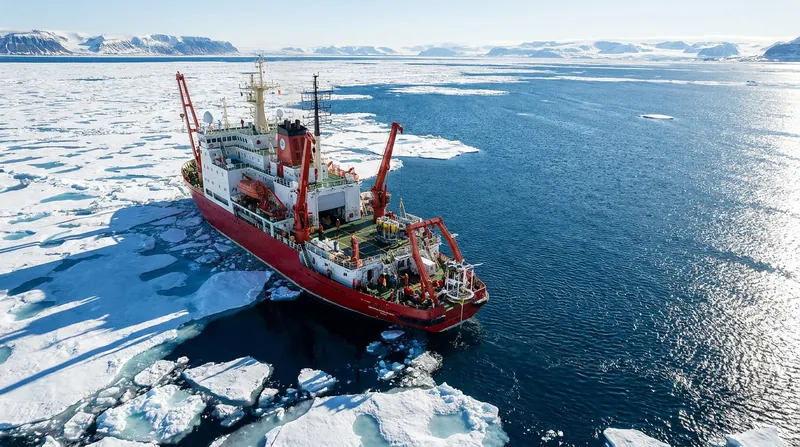
See all →Soil Carbon
Decades-Long Experiment Reveals Warming Unlocks 'Stable' Soil Carbon, Threatening New Climate Feedback Loop
5 sources
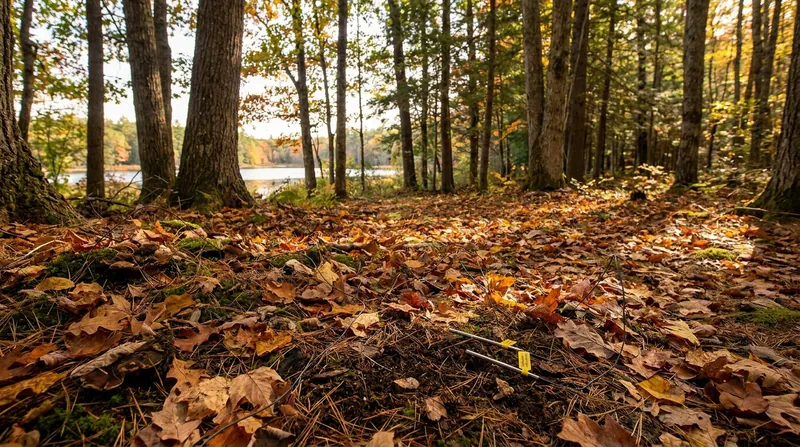
Mass Extinctions
Scientists Pinpoint Warming Oceans and Oxygen Loss as Cause of Earth's Greatest Mass Extinction
2 sources
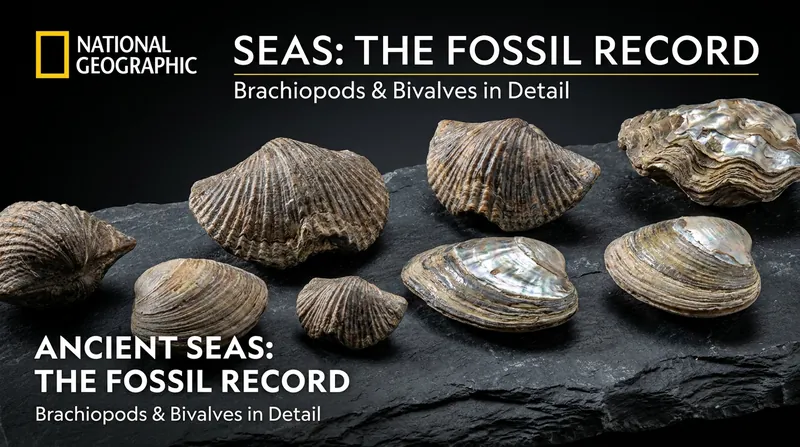
Evolutionary Biology
Theoretical Model Predicts Mass Extinction When Environmental Change Outpaces Evolutionary Adaptation
3 sources
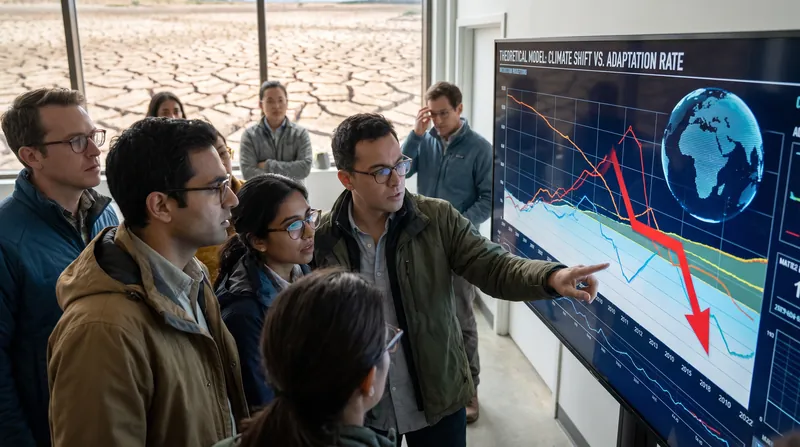
Beaver Rewilding
The Evidence Pack: How Beaver Rewilding is Engineering Climate Resilience in River Ecosystems
7 sources
Comments
Every angle. Every day.
Get Science stories with full source coverage and perspective breakdowns, free every day.