
Fast Food's Zero-Waste Era: How Seaweed and Microbial Plastics Are Finally Replacing the 'Forever Wrapper'
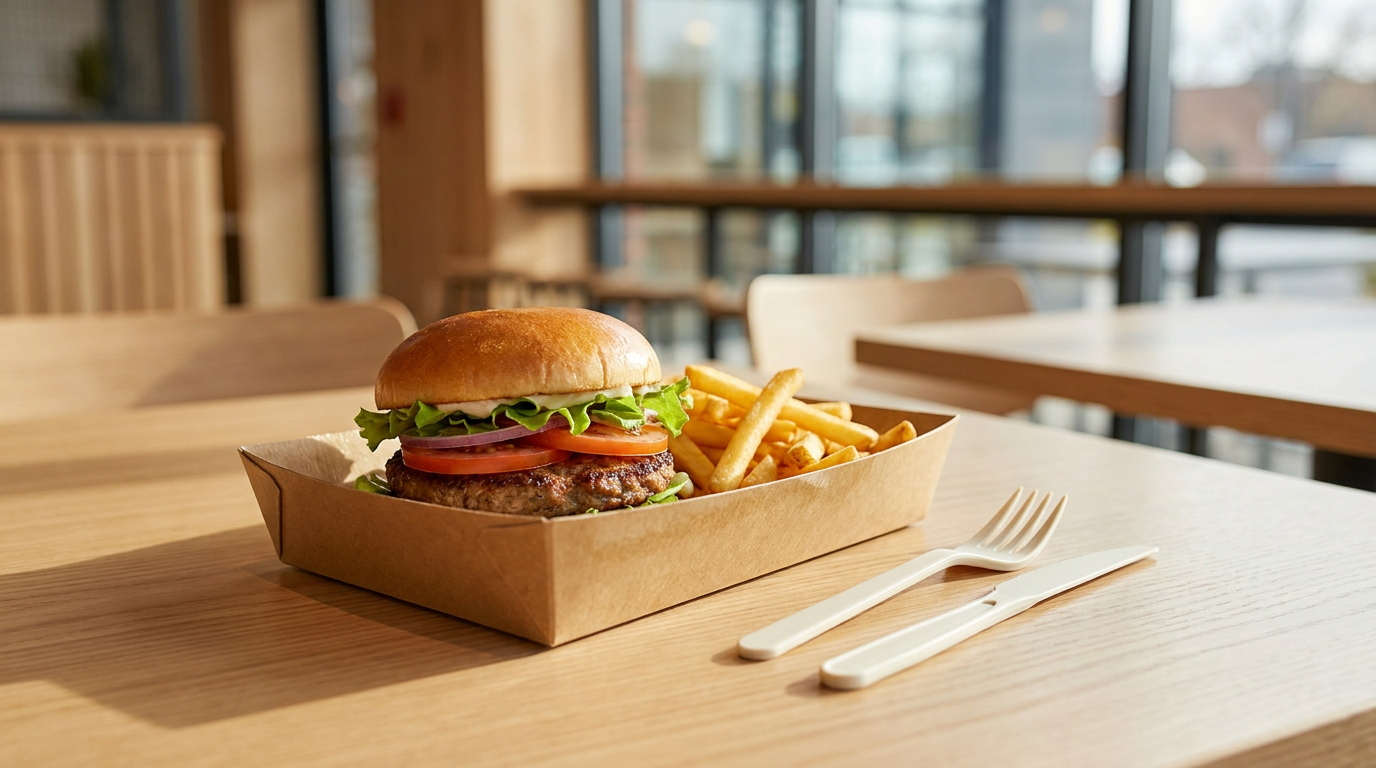
Driven by strict new environmental mandates, major fast-food chains are ditching unrecyclable plastic-lined containers for marine-safe seaweed coatings and home-compostable bioplastics.
By Factlen Editorial Team
- Materials Innovators
- Scientists and startups focused on developing marine-safe, bio-based alternatives that mimic the performance of traditional plastics.
- Fast-Food Operators
- Restaurant chains prioritizing packaging solutions that maintain food quality, prevent grease leaks, and comply with new mandates.
- Environmental Regulators
- Policymakers enforcing strict single-use plastic bans and extended producer responsibility to force industry compliance.
- Packaging Manufacturers
- Industrial suppliers working to scale up the production of biopolymers and bring down the cost premiums of sustainable materials.
What's not represented
- · Waste Management Facilities
- · Franchise Owners
Why this matters
Fast-food packaging accounts for a massive portion of global single-use plastic waste, much of which ends up in oceans and landfills. The industry's shift toward marine-biodegradable seaweed coatings and microbial plastics means the convenience of a quick meal will no longer leave a centuries-long toxic footprint on the environment.

More in food drink
See all 41 stories →Gut-Brain Axis
Psychobiotics and the Gut-Brain Axis: How Diet Shapes Mood and Mental Health
8 sources
Culinary Science
The Science of the Maillard Reaction: How Heat and Chemistry Transform Home Cooking
7 sources
Crop Science
Beyond Arabica: The Forgotten Coffee Species Making a Climate-Resilient Comeback
6 sources

Food Science
The Science of Building Umami in Plant-Based Cooking
8 sources
Every angle. Every day.
Get food drink stories with full source coverage and perspective breakdowns delivered to your inbox.