
A Revolutionary 'Immune Reset' Therapy Is Putting Severe Lupus Into Drug-Free Remission
Early trial data shows that CAR-T cell therapy, originally developed for blood cancers, can effectively reset the immune system in patients with severe autoimmune diseases.
By Factlen Editorial Team
- Clinical Researchers
- Focused on the curative potential and the biological mechanism of erasing autoimmune memory.
- Biotech Developers
- Focused on scaling the technology and overcoming the manufacturing bottlenecks of personalized cell therapy.
- Patient Advocacy
- Focused on the transformative quality-of-life improvements and the urgency of expanding trial access.
Why this matters
For decades, severe autoimmune diseases have been managed with lifelong immunosuppressive drugs that carry heavy side effects. This breakthrough suggests we may soon be able to offer a one-time, curative 'reset' that frees patients from chronic medication entirely.
The landscape of autoimmune disease treatment is witnessing what may be its most significant breakthrough in decades. Five patients in England suffering from severe, treatment-resistant systemic lupus erythematosus (SLE) are now in complete, drug-free remission following a pioneering clinical trial. These patients, who previously endured debilitating daily symptoms including severe joint pain, chronic fatigue, and progressive organ damage, have seen their condition entirely reverse after receiving a single infusion of genetically modified immune cells. The results offer the first concrete clinical evidence that a one-time cellular intervention can effectively halt a disease that has historically required a lifetime of heavy medical management.[1][2]
The experimental treatment, known as CAR-T (chimeric antigen receptor T-cell) therapy, represents a profound paradigm shift in the fields of rheumatology and immunology. Originally developed and approved to hunt down and destroy aggressive blood cancers like leukemia and lymphoma, the technology is now being successfully deployed to execute a hard 'reset' on a malfunctioning immune system. For the roughly five million people worldwide living with lupus—the vast majority of whom are women—the prospect of a curative treatment rather than endless symptom mitigation is unprecedented. It marks a transition from merely suppressing the immune system's daily attacks to fundamentally correcting the underlying biological error.[1][3]
To understand the magnitude of this shift, it is necessary to look at how lupus operates. SLE is a chronic autoimmune condition where the body's immune system loses its ability to distinguish between foreign pathogens and healthy tissue. The primary culprits in this biological friendly fire are rogue B-cells that continuously produce harmful autoantibodies. These autoantibodies circulate through the bloodstream, systematically attacking the patient's own kidneys, lungs, heart, skin, and joints. Standard care relies on broad-spectrum immunosuppressive drugs, such as high-dose corticosteroids, which dampen the entire immune system. While these drugs can slow the disease, they leave patients highly vulnerable to severe infections and often fail to halt long-term organ deterioration in the most refractory cases.[3][6]
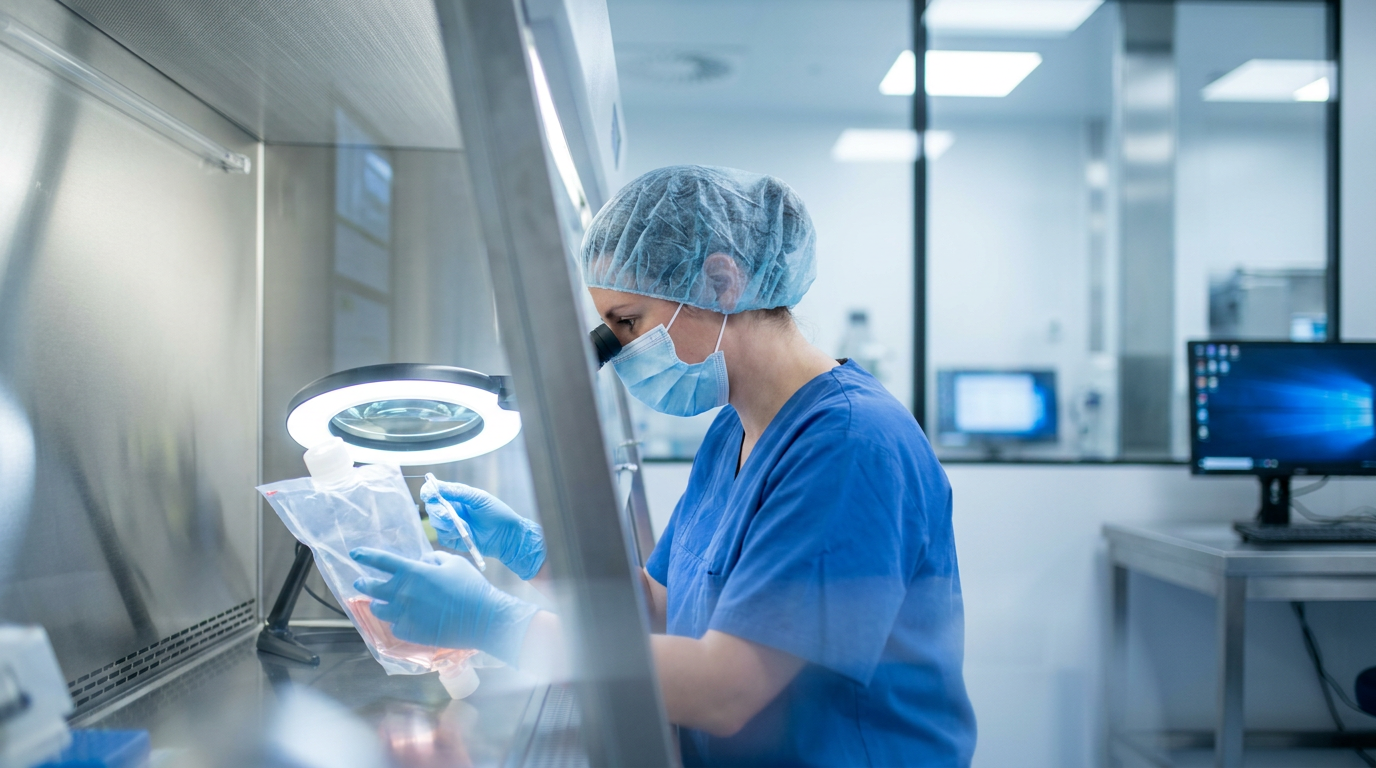
CAR-T therapy abandons the blunt instrument of broad immunosuppression in favor of a highly targeted, cellular strike force. The process begins with clinicians extracting a patient's own T-cells—a specialized type of white blood cell naturally responsible for hunting down viral infections and cellular abnormalities. These extracted cells are then transported to a highly specialized laboratory, where they undergo complex genetic engineering. Scientists insert a new gene into the T-cells, equipping them with a synthetic receptor designed to seek out and bind to a specific protein called CD19, which is prominently expressed on the surface of all B-cells.[1][6]

Once the genetic modification is complete and the cells have been multiplied into the millions, these engineered T-cells are infused back into the patient's bloodstream. Acting as a precision-guided biological weapon, the CAR-T cells systematically hunt down and destroy the CD19-expressing B-cells throughout the body, effectively wiping out the source of the harmful autoantibodies. This deep depletion clears the board. Once the rogue B-cells are eradicated and the CAR-T cells naturally recede, the patient's body gradually repopulates its B-cell compartment using stem cells from the bone marrow. Crucially, these new, healthy 'naive' B-cells do not carry the faulty autoimmune memory that drove the lupus, resulting in a clean biological slate.[3][6]
The clinical evidence validating this mechanism is now emerging from the CARLYSLE Phase 1 study, a groundbreaking trial led by University College London (UCL) and University College London Hospitals (UCLH). The trial specifically recruited patients with severe, refractory lupus who had exhausted all conventional treatment options and were facing declining health. Many of the participants suffered from lupus nephritis, a particularly dangerous complication of the disease that causes severe inflammation in the kidneys and frequently leads to end-stage renal failure requiring dialysis or transplantation.[1][3]
The early data from the CARLYSLE trial has been deeply encouraging to the medical community. Among the cohort of six patients who received a lower dose of the CAR-T therapy, five achieved full clinical remission within just a few months of their infusion. Clinical assessments showed that disease activity scores plummeted, anti-double-stranded DNA antibodies—a key biomarker for lupus—completely disappeared from their bloodwork, and patients with kidney involvement saw their organ function stabilize or actively improve. Most importantly, these patients have not needed to resume any of their previous immunosuppressive medications to keep the disease at bay.[1][3]

The early data from the CARLYSLE trial has been deeply encouraging to the medical community.
The human impact of these clinical metrics is profound. One patient in the UCL trial, who had lived with severe lupus for over three decades and was forced to abandon her career as a fitness instructor due to chronic, debilitating pain, reported that she no longer experiences any of the disease's main symptoms. Following the CAR-T treatment, she was able to go skiing for the first time in ten years and dance at her daughter's wedding. These outcomes highlight the dramatic quality-of-life improvements the therapy can deliver, transforming patients from chronic invalids to fully active individuals.[1][2]
The remarkable success observed in lupus is now catalyzing a broader revolution across the entire autoimmune disease landscape. Recognizing the potential of the immune reset mechanism, researchers and biotech firms are launching a wave of new clinical trials to test CAR-T therapy against a wide spectrum of other severe, treatment-resistant conditions. At the Norton Cancer Institute in the United States, for example, the RESOLUTION trial is actively evaluating the therapy for patients suffering from myositis and scleroderma—devastating diseases characterized by severe muscle weakness and life-threatening hardening of the skin and internal organs.[4]
The evidence base supporting this broader application is expanding rapidly across the scientific literature. Recent case reports published in top-tier peer-reviewed journals have documented CAR-T therapy successfully inducing deep remission in patients suffering from multiple, overlapping autoimmune diseases simultaneously, including systemic sclerosis and autoimmune hemolytic anemia. In these highly refractory cases, patients who previously required daily blood transfusions to survive have remained entirely symptom-free for over a year post-infusion, demonstrating the therapy's ability to tackle complex, multi-system immune dysfunctions that defy standard pharmacological interventions.[6][7]

Despite the immense promise and the celebratory tone of early readouts, researchers are maintaining a stance of transparent caution regarding the data. The evidence currently available is drawn primarily from Phase 1 safety trials and single-patient case studies, meaning the overall sample sizes remain extremely small. The primary goal of these early-stage trials is to establish baseline safety and dosing parameters. While the efficacy signals are undeniably remarkable, the medical community emphasizes that these results must be rigorously validated in much larger, randomized controlled trials before CAR-T can be considered a standard of care for autoimmune conditions.[3][7]
A critical unknown that researchers are actively monitoring is the long-term durability of the immune reset. While patients in the UK and early German cohorts have remained in drug-free remission for months—and in some cases, several years—it is not yet definitively clear if the rogue, autoantibody-producing B-cells will eventually return as the immune system continues to age and encounter new environmental triggers. Immunologists are conducting deep sequencing on the repopulated B-cells to determine if the autoimmune memory has been permanently erased from the bone marrow, or if the disease is merely experiencing a prolonged suppression.[6][7]
Safety also remains a paramount consideration as the therapy moves forward. In the oncology setting, where CAR-T was pioneered, the treatment carries known risks of severe, sometimes fatal side effects. These include Cytokine Release Syndrome (CRS)—a dangerous systemic inflammatory response triggered by the rapid destruction of cancer cells—and neurotoxicity. However, early safety data from the autoimmune trials indicates a significantly milder side-effect profile. In the CARLYSLE study, researchers observed no cases of moderate or severe CRS and no neurotoxicity, suggesting the therapy may be much better tolerated in autoimmune patients who lack the heavy tumor burdens seen in cancer.[3][6]
As the clinical evidence solidifies, the biotechnology industry is already racing to solve the logistical and economic challenges associated with CAR-T. The current autologous process—extracting, engineering, and reinfusing a patient's own cells—is highly complex, takes weeks to complete, and costs hundreds of thousands of dollars per patient. To address this bottleneck, developers are heavily investing in 'off-the-shelf' allogeneic CAR-T products. These therapies use immune cells harvested from healthy donors that are genetically modified and manufactured in bulk in advance, potentially vastly increasing patient access and driving down the prohibitive costs of personalized cellular engineering.[4][5]

Another highly promising alternative emerging in the recent clinical data is the use of T-cell engagers (TCEs). These are advanced bispecific antibody drugs designed to bind to both a patient's existing, unengineered T-cells and the target CD19 B-cells, physically forcing them together to initiate a targeted immune attack without the need for complex cell extraction and laboratory modification. Recent data presented by Cullinan Therapeutics demonstrated that a TCE reduced peripheral B-cell counts by over 80% in a vast majority of lupus patients, offering a potentially much more scalable and accessible pharmacological route to achieving the same profound immune reset.[5]
For the millions of patients tethered to daily immunosuppressants and facing the slow, inevitable progression of organ damage, the rapid convergence of these cellular therapies represents the most significant beacon of hope in modern medical history. The transition from merely managing chronic decline to actively engineering a durable, biological cure is no longer a distant theoretical concept. It is a tangible clinical reality currently unfolding in trial centers around the world, promising to rewrite the standard of care for autoimmune diseases in the decade to come.[2][7]
Viewpoints in depth
Clinical Researchers
Focused on the curative potential and the biological mechanism of erasing autoimmune memory.
For immunologists and trial investigators, the primary excitement lies in the depth of the biological response. By completely depleting the CD19-expressing B-cells, the therapy doesn't just suppress inflammation; it forces the immune system to rebuild itself from scratch. Researchers emphasize that the newly generated 'naive' B-cells appear to lack the faulty programming that caused the disease, offering the first genuine biological pathway to a permanent cure for systemic autoimmune conditions.
Biotech Developers
Focused on scaling the technology and overcoming the manufacturing bottlenecks of personalized cell therapy.
While celebrating the clinical efficacy, industry voices are acutely aware that bespoke, patient-specific CAR-T manufacturing cannot easily scale to treat the millions of people with autoimmune diseases. Their focus is rapidly shifting toward 'off-the-shelf' allogeneic therapies and bispecific T-cell engagers (TCEs). These modalities aim to deliver the same profound B-cell depletion but in a format that can be mass-produced, stored in hospital pharmacies, and administered without complex cellular engineering logistics.
Patient Advocacy
Focused on the transformative quality-of-life improvements and the urgency of expanding trial access.
For patient communities, the narrative centers on escaping the grueling cycle of chronic illness and the heavy toll of lifelong immunosuppressive drugs, which often cause severe weight gain, bone density loss, and vulnerability to infections. Advocates highlight stories of patients returning to work and normal physical activities, pushing for accelerated trial timelines and broader inclusion criteria so that these life-altering therapies can reach those with refractory disease sooner.
What we don't know
- Whether the immune reset is permanent, or if rogue autoantibody-producing B-cells will eventually return over the years.
- How the long-term safety profile of CAR-T therapy in autoimmune patients will compare to its use in oncology.
- Whether highly scalable 'off-the-shelf' donor cell therapies will prove as effective as personalized autologous treatments.
Sources
Source coverage
7 outlets
3 viewpoints surfaced







[1]BBCPatient Advocacy
'I've never been this good' – revolutionary immune reset puts lupus in remission
Read on BBC →[2]The GuardianPatient Advocacy
Lupus patients in England in remission after pioneering NHS trial of GM therapy
Read on The Guardian →[3]University College LondonClinical Researchers
Early promise reported in severe lupus for Autolus Therapeutics' CAR T therapy
Read on University College London →[4]Norton Cancer InstituteClinical Researchers
CAR T-cell therapy for lupus, myositis and scleroderma: New clinical trial offers hope
Read on Norton Cancer Institute →[5]Fierce BiotechBiotech Developers
Cullinan's new data makes clearest case yet for autoimmune TCEs
Read on Fierce Biotech →[6]PMCClinical Researchers
CAR-T cell therapy: A new dawn in the treatment of autoimmune disease
Read on PMC →[7]Factlen Editorial TeamBiotech Developers
Synthesis by Factlen editorial team
Read on Factlen Editorial Team →

More in health
See all 6 stories →Metabolic Health
Muscle as an Organ of Longevity: The Science of Myokines and Metabolic Health
0 sources

Clinical Evidence
The Evidence for Exercise as a First-Line Mental Health Treatment
0 sources

Diabetes Research
FDA Approves First Disease-Modifying Therapy for Newly Diagnosed Stage 3 Type 1 Diabetes in Youth
0 sources
Longevity Science
The Science of 'Exercise Snacks': How 1-Minute Bursts of Movement Can Transform Longevity
0 sources

Every angle. Every day.
Get health stories with full source coverage and perspective breakdowns delivered to your inbox.