
WSL Injury Report: Toledo, Chianca, and Moniz Headline a Wave of Triumphant Returns
As the 2026 Championship Tour enters its final stretch, elite surfers are proving that advanced rehabilitation and dedicated recovery periods can successfully salvage careers after severe injuries.
By Factlen Editorial Team
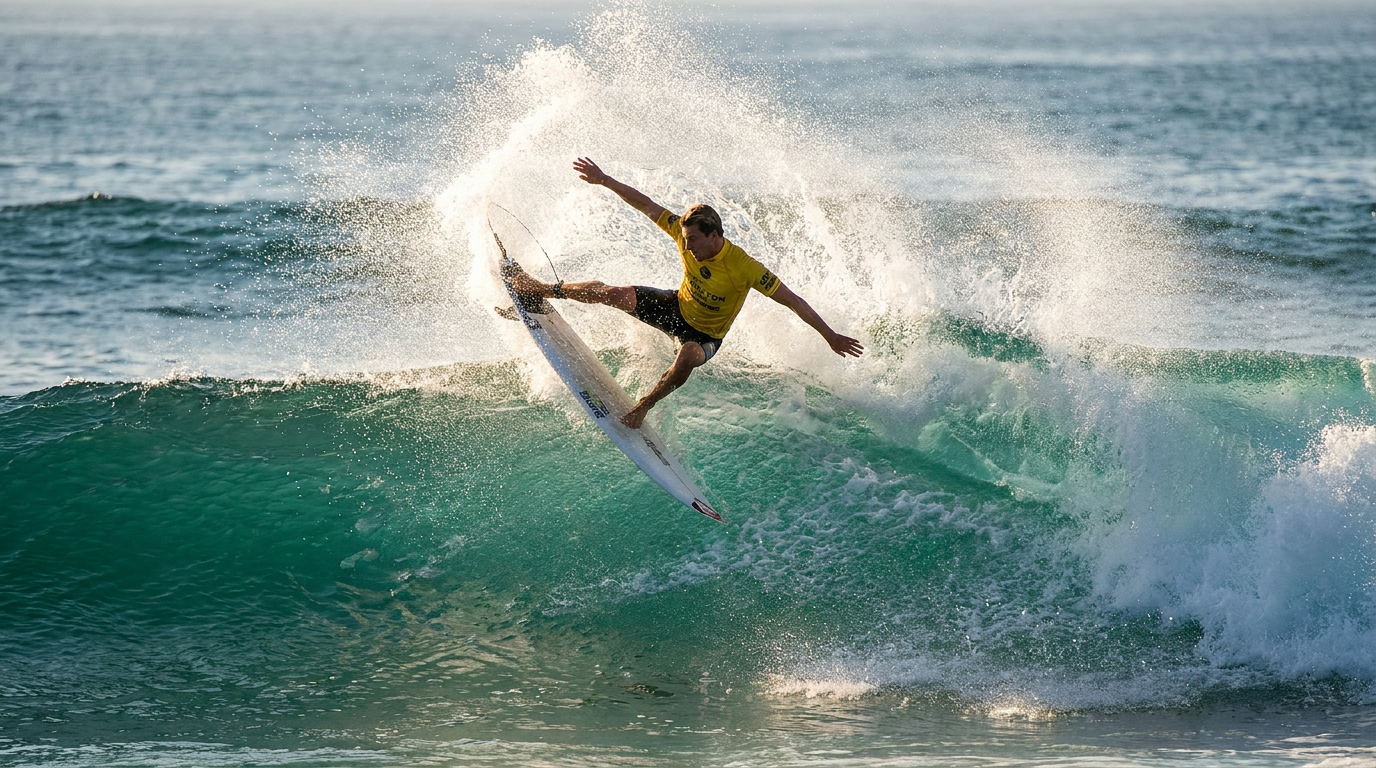
- WSL Medical Staff
- Focuses on the implementation of standardized recovery protocols and long-term athlete welfare.
- Returning Athletes
- Emphasizes the mental and physical relief of taking dedicated time to heal, which ultimately extended their careers.
- High-Performance Coaches
- Highlights the biomechanical changes required to rehab surfing-specific injuries and prevent future trauma.
Why this matters
Surfing's progression into heavier waves and massive aerials has spiked the sport's injury rate. The successful return of these athletes proves that modern sports science and institutional support can extend careers and protect athletes' long-term health.
Professional surfing in 2026 is an arena of unprecedented physical demands. The waves on the World Surf League (WSL) Championship Tour are heavier, the aerial maneuvers are higher, and the toll on the human body is immense. Yet, as the current season heads into its crucial final stretch, the narrative is being defined not by who is missing from the water, but by who has triumphantly returned.
For decades, surf industry culture quietly encouraged athletes to "rub dirt on it" and compete through agonizing pain, a mentality that frequently resulted in shortened careers and chronic joint issues. Today, a profound paradigm shift toward advanced sports science, biomechanical rebuilding, and mandatory medical leaves has completely transformed the sport's injury landscape.
At the forefront of this movement is two-time World Champion Filipe Toledo. After withdrawing from the 2024 season to address severe mental burnout and a lingering foot injury, Toledo's return to the 2026 tour has been nothing short of spectacular. He utilized his time away to undergo a complete physical and psychological reset.[1]
Working closely with biomechanists, Toledo rebuilt the strength in his lower body without the relentless, grinding pressure of the global competition schedule. The result is a rejuvenated athlete whose signature explosive aerials have returned with effortless precision, proving that a long-term approach to health pays immediate competitive dividends.[1]
"Taking a step back was the hardest decision of my career, but it saved my longevity in the sport," Toledo noted earlier this season, reflecting a growing consensus among elite competitors that strategic rest is a weapon, not a weakness.[1]
Perhaps the most dramatic and inspiring return belongs to Brazilian standout João Chianca. In December 2023, Chianca suffered a near-fatal concussion after a horrific wipeout at Pipeline, an injury that sent shockwaves through the surfing community and sidelined him for months of uncertainty.[1]

Brain injuries in surfing were historically misunderstood and often dangerously rushed. However, Chianca's recovery became a masterclass in modern neurological rehabilitation. Working closely with the WSL's medical team and independent concussion specialists, he followed a strict, graduated return-to-water protocol.
Brain injuries in surfing were historically misunderstood and often dangerously rushed.
Now fully integrated back into the 2026 Championship Tour, Chianca is charging heavy reef breaks with the same fearless commitment that originally made him a fan favorite. His success is living proof that comprehensive, patient medical oversight can safely guide athletes back from the brink of tragedy.
The success stories extend well beyond the Brazilian storm. Hawaiian surfer Seth Moniz has finally found his rhythm again after a multi-year battle with a debilitating lower back injury that severely hampered his mechanics and repeatedly threatened his spot on the elite tour.
Moniz's rehabilitation focused heavily on core stabilization and pelvic alignment. By utilizing high-performance training centers to correct the rotational imbalances that plague modern surfers, he is now surfing pain-free and executing high-torque maneuvers that were physically impossible for him just two years ago.

On the women's side, Brisa Hennessy's journey underscores the vital importance of holistic health management. Hennessy previously stepped away from competition to deal with a complex web of systemic issues, including a ruptured eardrum, a pituitary gland adenoma, and hypothyroidism.[2]
Her recovery required a deeply multidisciplinary approach, blending endocrinology with traditional physical therapy. Hennessy's triumphant return to the upper echelon of the rankings in 2026 highlights how treating the whole athlete—rather than just the structural injury—yields the most sustainable competitive outcomes.[2]

The World Surf League has actively supported this cultural shift, expanding its traveling medical staff and implementing stricter injury-replacement rules. These updated policies allow surfers to retain their seeding while they heal properly, removing the financial and competitive anxiety that previously forced injured surfers to rush their recoveries.
By freezing rankings for legitimate medical leaves, the tour ensures that athletes are not punished for prioritizing their health. This institutional support guarantees that fans ultimately get to see the world's best surfers performing at 100 percent capacity.
As the tour heads into its critical late-season events, the overarching narrative has shifted from attrition to resilience. The triumphant returns of Toledo, Chianca, Moniz, and Hennessy serve as a powerful reminder that with the right medical care and institutional patience, a devastating diagnosis is no longer the end of the ride.[1][2]
What we don't know
- Whether the WSL will implement mandatory mid-season rest periods for all competitors in future seasons.
- How the long-term effects of heavy-water concussions will shape future helmet mandates on the Championship Tour.
Sources
Source coverage
2 outlets
3 viewpoints surfaced


[1]SurferReturning Athletes
The Comeback Kids: How Toledo and Chianca Reclaimed Their Spots at the Top
Read on Surfer →[2]SurflineReturning Athletes
Beyond the Reef: Brisa Hennessy's Holistic Approach to Health and Competition
Read on Surfline →

More in sports
See all 11 stories →Women's Soccer Growth
NWSL Shatters Attendance and Viewership Records at 2026 Midseason Mark
7 sources

Hungarian Grand Prix
Ferrari Dominates Hungarian Grand Prix Friday Practice as Leclerc and Hamilton Set the Pace
6 sources
Transfer Market
World Cup Golden Ball Winner Demands Manchester City Exit for Real Madrid
8 sources

Franchise Valuations
Seattle Seahawks Sold for Record $9.6 Billion, Shattering NFL Franchise Valuation
3 sources

Every angle. Every day.
Get sports stories with full source coverage and perspective breakdowns delivered to your inbox.