
US Cancels Planned Strikes on Iran as Administration Claims Peace Deal is Near
President Trump abruptly canceled planned military strikes against Iran, announcing that a diplomatic agreement is close while maintaining a strict economic blockade backed by Gulf allies.
By Factlen Editorial Team
- US Administration & Allies
- Argues that the threat of force combined with economic pressure has brought Iran to the negotiating table without requiring financial concessions.
- Diplomatic Skeptics
- Warn that the rapid shifts between military threats and peace claims create dangerous unpredictability and risk accidental conflict.
- Iranian Leadership
- Views the US announcements as psychological warfare and demands sanctions relief before formal negotiations can begin.
- Market Analysts
- Focuses on the stabilization of energy prices while noting that long-term volatility remains priced into the market.
What's not represented
- · European Union diplomats attempting to mediate
- · Iranian civilian population affected by sanctions
Why this matters
A direct military confrontation between the US and Iran would severely disrupt global energy markets and risk a broader Middle Eastern conflict. The sudden pivot to diplomacy, if successful, could stabilize the region, though the whiplash in policy leaves allies and markets on edge.
Key points
- President Trump abruptly canceled planned military strikes against Iran.
- The administration claims a comprehensive peace agreement with Tehran is imminent.
- US officials confirm the 'maximum pressure' economic blockade remains fully in place.
- Gulf allies have expressed strong support for the US strategy of economic containment.
- Iranian officials dismiss the peace claims as psychological warfare, demanding sanctions relief.
- Global oil markets stabilized as the immediate threat of military conflict receded.
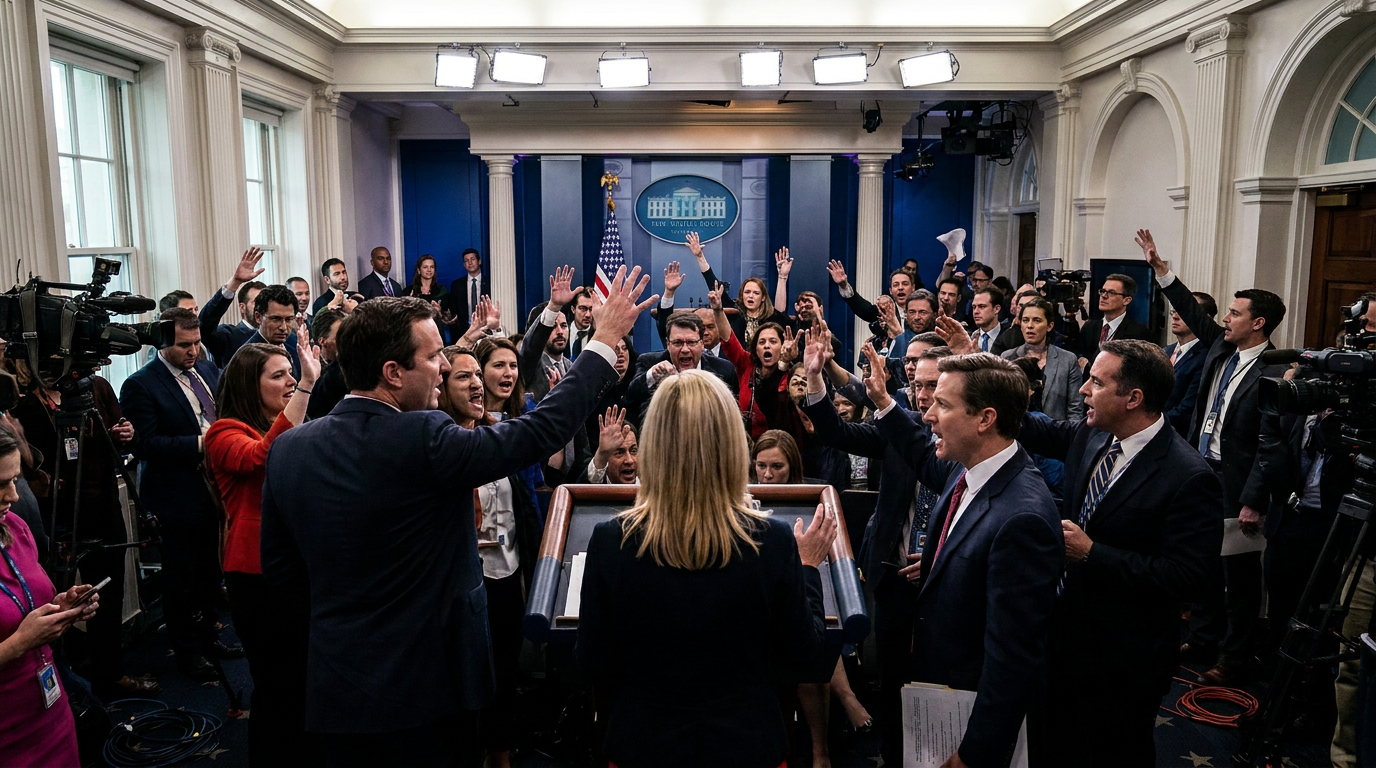
US President Donald Trump has abruptly called off planned military strikes against Iranian targets, declaring instead that a comprehensive peace agreement with Tehran is imminent. The sudden reversal averts what appeared to be an inevitable armed conflict in the Persian Gulf, shifting the administration's posture from kinetic action back to high-stakes diplomacy within a matter of hours. The decision to stand down military assets was reportedly made at the eleventh hour, surprising both international observers and some defense officials who had been preparing for a significant escalation. By stepping back from the brink, the administration has temporarily cooled a rapidly boiling crisis, though the underlying tensions that brought the two nations to the edge of war remain entirely unresolved.[1][5][7]
The announcement of a potential peace deal came as a whiplash moment in US foreign policy. President Trump characterized the canceled strikes as a deliberate and calculated de-escalation, asserting that the United States and Iran are now on the verge of a historic diplomatic breakthrough. However, the administration has provided few concrete details about the framework of this proposed deal, the channels through which it is being negotiated, or the specific terms being discussed. This lack of clarity has led to widespread speculation among diplomatic circles about what concessions, if any, have been offered by either side to facilitate such a rapid pivot from military confrontation to peace talks.[1][5][7]
Despite the sudden pivot away from military action, US officials have been quick to emphasize that the "maximum pressure" economic campaign against Tehran remains fully in effect and will not be relaxed as a precondition for talks. Representative Ryan Zinke and other prominent Republican lawmakers have publicly assured domestic audiences that any forthcoming agreement will not involve the transfer of substantial financial assets to the Iranian government. This messaging is designed to draw a stark contrast with previous diplomatic frameworks, such as the 2015 nuclear deal, which critics frequently attacked for releasing frozen funds to Tehran.[3][8]
The administration's dual-track approach—threatening overwhelming military force while simultaneously tightening an economic stranglehold—appears to have the robust backing of key regional partners in the Middle East. Following a comprehensive diplomatic tour of the region, US Ambassador Mike Waltz reported that there is "zero daylight" between Washington and its Gulf allies regarding the current strategy. Nations like the United Arab Emirates and Bahrain have strongly validated the US posture, viewing the strict economic blockade as a necessary mechanism to contain Iranian influence and force structural changes in Tehran's regional behavior.[2][6]

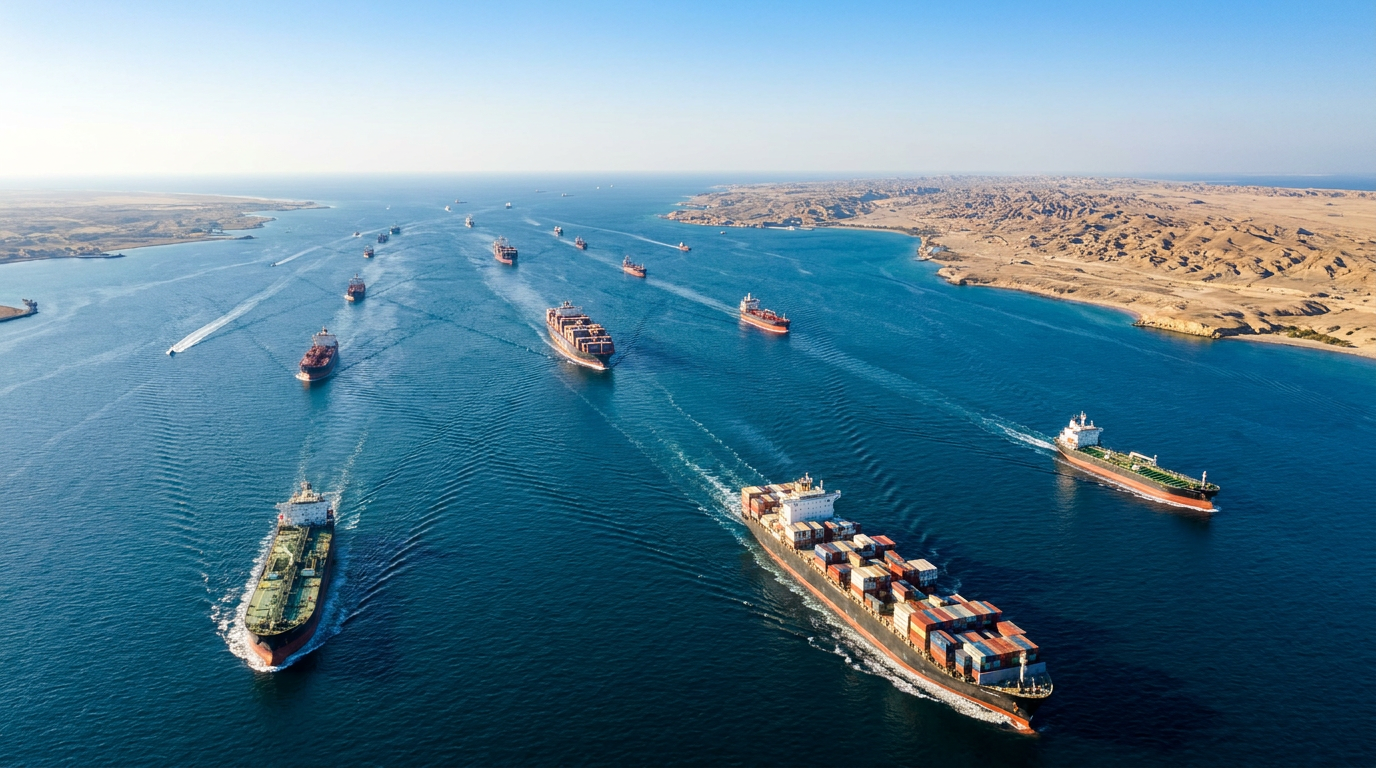
The immediate de-escalation had a pronounced and calming effect on global energy markets, which had been bracing for severe disruptions. Brent crude prices, which had spiked sharply on fears that a military conflict could close the vital Strait of Hormuz, stabilized around $82 per barrel as the threat of immediate kinetic action receded. Energy analysts and commodity traders note that while the immediate crisis has passed, the underlying volatility in the region continues to price a significant risk premium into global oil markets, as the fundamental disputes between Washington and Tehran remain unsettled.[4]
The immediate de-escalation had a pronounced and calming effect on global energy markets, which had been bracing for severe disruptions.
Critics and veteran foreign policy analysts have characterized the administration's approach over the past 48 hours as "whiplash diplomacy." The rapid oscillation between authorizing military strikes and declaring an imminent peace deal has raised profound questions about the predictability and coherence of US foreign policy. Some diplomatic strategists argue that this unpredictability is a deliberate negotiating tactic designed to keep adversaries off balance and force concessions. Conversely, other experts warn that such erratic signaling risks catastrophic miscalculation, as adversaries may struggle to distinguish between genuine diplomatic overtures and imminent military threats.[1][5][7]

In Tehran, the response to the US claims of an imminent diplomatic breakthrough has been notably cooler and deeply skeptical. Iranian officials and state-aligned media have frequently dismissed such announcements as psychological warfare designed for domestic US consumption, insisting that no genuine or equitable negotiations can occur while crippling economic sanctions remain in place. The Iranian leadership continues to demand verifiable sanctions relief as an absolute precondition for any formal diplomatic engagement, creating a significant structural hurdle to the peace deal touted by Washington.[8]
The coming weeks will serve as a critical test of whether the administration's claims of a diplomatic breakthrough can materialize into a verifiable and lasting agreement. With military options temporarily shelved and Gulf allies firmly aligned behind the ongoing economic blockade, the focus now shifts entirely to back-channel negotiations and diplomatic maneuvering. The international community remains watchful, waiting to see if Tehran will agree to the stringent terms being drafted in Washington, or if the current pause in hostilities is merely a brief interlude before the next cycle of escalation in the Persian Gulf.[2][5][6][7]
How we got here
Previous week
Tensions escalate in the Persian Gulf over maritime incidents and rhetoric.
48 hours ago
The US military reportedly prepares for targeted strikes against Iranian assets.
24 hours ago
President Trump abruptly cancels the planned military strikes at the last minute.
Today
Administration officials claim a peace deal is near while affirming the ongoing economic blockade.
Viewpoints in depth
US Administration's View
The combination of credible military threats and severe economic sanctions is forcing Tehran to the negotiating table.
Administration officials argue that their 'maximum pressure' campaign is working exactly as intended. By bringing the US to the brink of military action and then stepping back, they believe they have demonstrated resolve while leaving room for diplomacy. Crucially, they emphasize that unlike previous agreements, this approach will not require releasing frozen funds to Iran, ensuring that the economic leverage remains entirely in Washington's hands until structural changes in Iranian policy are achieved.
Iranian Leadership's View
US claims of peace are psychological warfare, and no talks can occur under the current sanctions regime.
Tehran views the rapid oscillation between military threats and peace overtures as a coordinated campaign of psychological warfare designed to destabilize the Iranian government and project US dominance. Iranian officials maintain a firm stance that formal negotiations are impossible while the 'maximum pressure' sanctions remain in place. They argue that yielding to such tactics would only invite further coercion, demanding verifiable sanctions relief as a prerequisite for any genuine diplomatic engagement.
Diplomatic Skeptics' View
The erratic shifts in US policy create dangerous unpredictability that risks accidental conflict.
Veteran diplomats and foreign policy analysts express deep concern over the administration's 'whiplash' approach. They argue that while unpredictability can sometimes be a useful tactical tool, using it in high-stakes geopolitical standoffs risks catastrophic miscalculation. If adversaries cannot reliably distinguish between a genuine diplomatic overture and an imminent military strike, the likelihood of an accidental escalation increases dramatically, undermining long-term regional stability.
What we don't know
- The specific terms or concessions being discussed in the alleged back-channel negotiations.
- Whether Iran is actually participating in these talks or if the claims are entirely unilateral.
- How long the current pause in military escalation will last if a formal agreement is not reached quickly.
Key terms
- Strait of Hormuz
- A highly strategic waterway between the Persian Gulf and the Gulf of Oman, through which a significant portion of the world's oil supply passes.
- Maximum Pressure
- A US foreign policy strategy utilizing intense, comprehensive economic sanctions to force diplomatic concessions from an adversary.
Frequently asked
Did the US actually attack Iran?
No. Planned military strikes were authorized but abruptly canceled by the President before they were executed.
Is the US sending money to Iran as part of the deal?
According to US officials, any forthcoming agreement will not involve transferring financial assets to Tehran, maintaining the current economic blockade.
How are global oil markets reacting?
Prices have stabilized after an initial spike, as the immediate threat of a conflict disrupting the Strait of Hormuz has receded.
Sources
Source coverage
8 outlets
4 viewpoints surfaced








[1]NPRDiplomatic Skeptics
Trump says he has canceled planned strikes on Iran and peace deal is near — again
Read on NPR →[2]Fox NewsUS Administration & Allies
Mike Waltz says Gulf allies back Trump’s Iran pressure campaign after regional trip: ‘Zero daylight’
Read on Fox News →[3]Al JazeeraUS Administration & Allies
US Congressman says Trump won’t send loads of money to Iran
Read on Al Jazeera →[4]ReutersMarket Analysts
Oil prices stabilize as US-Iran strike threat recedes
Read on Reuters →[5]The New York TimesDiplomatic Skeptics
Trump's Whiplash on Iran: Canceled Strikes and Renewed Peace Claims
Read on The New York Times →[6]The Wall Street JournalUS Administration & Allies
Gulf States Signal Support for Renewed US Economic Blockade on Tehran
Read on The Wall Street Journal →[7]BBC NewsDiplomatic Skeptics
US calls off Iran strikes as Trump claims diplomatic breakthrough is close
Read on BBC News →[8]Tehran TimesIranian Leadership
Iran dismisses US peace deal claims as 'psychological warfare'
Read on Tehran Times →

Every angle. Every day.
Get news politics stories with full source coverage and perspective breakdowns delivered to your inbox.