
US and Iran Send Mixed Signals on Potential Peace Agreement Amid Ongoing Hormuz Clashes
President Trump announced that a settlement with Iran is imminent, but Iranian officials quickly denied that a final agreement has been reached. The diplomatic confusion comes as US forces continue to strike vessels in the Strait of Hormuz, leaving the region in a state of volatile uncertainty.
By Factlen Editorial Team
- US Executive Branch
- Argues that a historic settlement is imminent and represents a major diplomatic victory.
- Iranian Leadership
- Maintains that negotiations are ongoing and refuses to confirm a finalized deal until all terms are met.
- Regional & Market Observers
- Focuses on the disconnect between diplomatic rhetoric and the reality of ongoing military strikes and market volatility.
What's not represented
- · Families of the deceased Indian sailors
- · Commercial shipping companies operating in the Gulf
Why this matters
A finalized US-Iran peace agreement would fundamentally reshape Middle Eastern geopolitics and stabilize global energy markets. However, a collapse in these fragile talks—especially amid active military engagements in the Strait of Hormuz—risks a broader regional escalation that could severely disrupt global shipping and oil supplies.
Key points
- President Trump announced that a historic peace settlement with Iran could be signed this weekend.
- Iran's foreign ministry publicly contradicted the claim, stating no final agreement has been reached.
- The diplomatic confusion coincides with ongoing military engagements in the Strait of Hormuz.
- Recent US strikes in the strait resulted in the deaths of three Indian sailors.
- Global oil markets are experiencing volatility as traders weigh the conflicting reports.
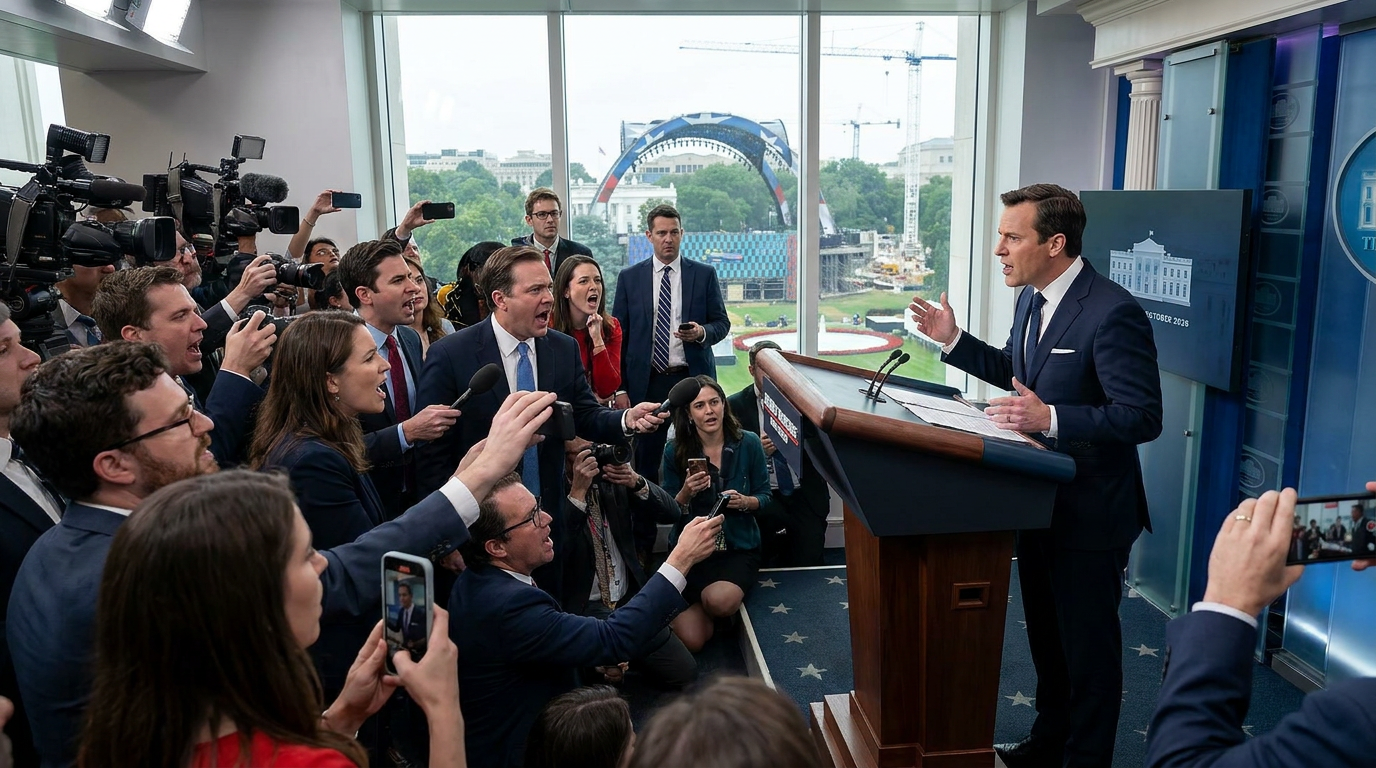
The geopolitical landscape of the Middle East was thrown into a state of whiplash on Friday, as contradictory statements from Washington and Tehran clouded the prospect of a historic peace agreement. President Donald Trump announced that a "great settlement" with Iran had been reached and could be signed as early as this weekend. The declaration suggested a sudden end to years of escalating tensions and proxy conflicts that have destabilized the region. However, the optimism was swiftly punctured by Iranian officials, who publicly denied that any final conclusion had been drawn in the ongoing negotiations.[1][2][4][7]
The stark disconnect between the two capitals highlights the fragile and highly volatile nature of the current diplomatic backchannels. While the White House projects confidence in its deal-making, Iran's foreign ministry has urged caution, emphasizing that significant hurdles remain before any binding document can be signed. This public contradiction has left international observers and regional allies scrambling to understand the true status of the talks, with many questioning whether the US announcement was a strategic pressure tactic or a genuine miscommunication.[2][4][7]
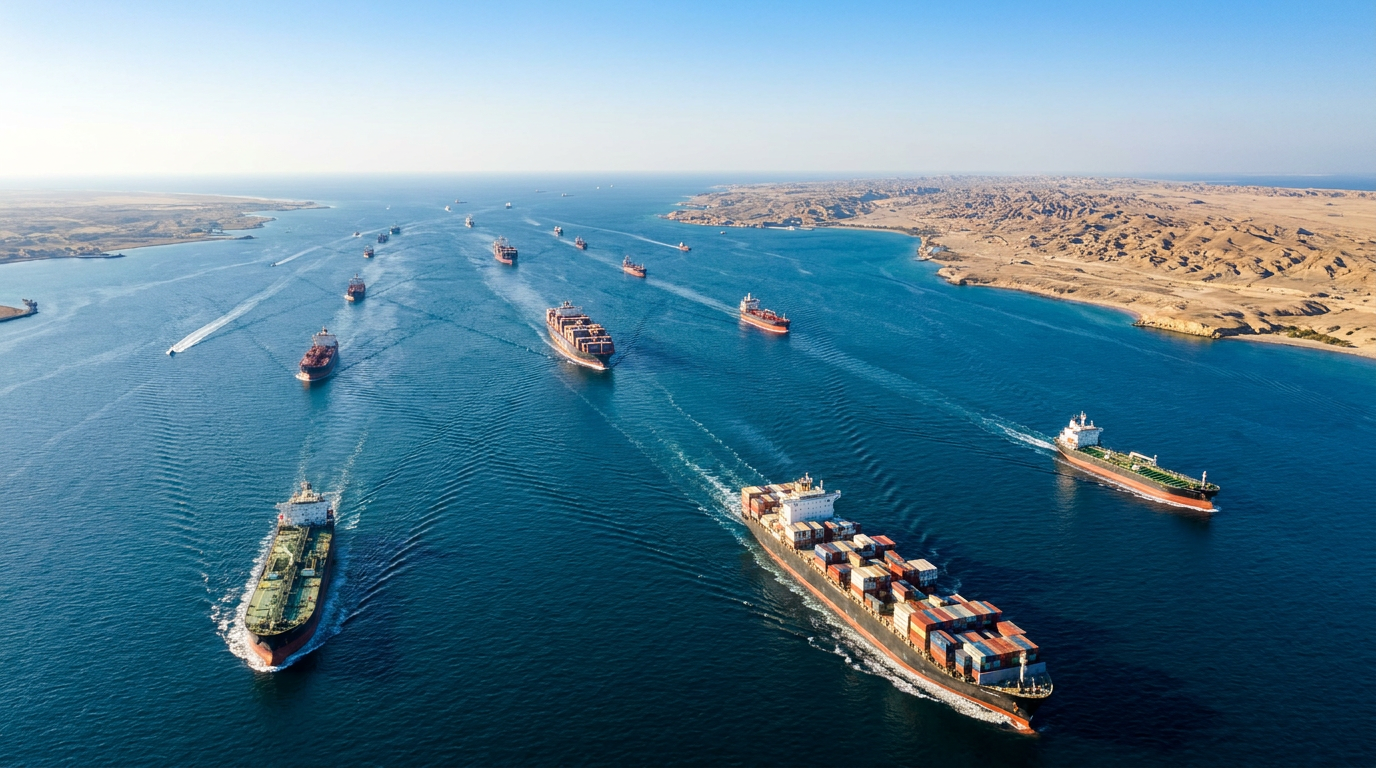
Complicating the diplomatic narrative is the stark reality of ongoing violence in one of the world's most critical maritime chokepoints. Even as talks of a ceasefire dominate headlines, military engagements have continued unabated in the Strait of Hormuz. Earlier this week, the United States military conducted strikes against three vessels navigating the narrow waterway. The operation, which US officials framed as a necessary defensive measure, resulted in the deaths of three Indian sailors, sparking international concern and underscoring the lethal stakes of the standoff.[3]

The deaths of the Indian nationals have added a complex diplomatic layer to the crisis, drawing New Delhi into a conflict it has largely sought to avoid. Families of the deceased sailors are demanding answers, while maritime security firms are issuing heightened threat warnings for commercial vessels transiting the Persian Gulf. The juxtaposition of a purported peace deal with deadly military strikes has fueled skepticism among geopolitical analysts, who argue that a genuine diplomatic breakthrough is impossible while active combat operations continue in the region.[3][8]
The deaths of the Indian nationals have added a complex diplomatic layer to the crisis, drawing New Delhi into a conflict it has largely sought to avoid.
Global energy markets have reacted to the whiplash with predictable volatility. The Strait of Hormuz is the transit point for roughly a fifth of the world's daily oil consumption, making it highly sensitive to any hint of conflict or resolution. Following the initial announcement of a potential settlement, crude prices experienced a brief dip, only to rebound sharply as reports of the ongoing strikes and Iran's denial circulated. Traders are now pricing in a significant risk premium, bracing for the possibility that the talks could collapse entirely.[5][8]

Regional powers are watching the developments with a mixture of hope and deep apprehension. Gulf states, which have long borne the brunt of regional instability, are desperate for a de-escalation but remain wary of any agreement that does not comprehensively address maritime security. Meanwhile, Israeli officials have maintained a cautious silence, though defense analysts suggest Jerusalem is closely monitoring the terms of any potential US-Iran deal to ensure it does not compromise its own national security imperatives.[6]
The internal political dynamics in both the United States and Iran are also playing a crucial role in shaping the narrative. In Washington, the administration is eager to secure a major foreign policy victory, framing the potential deal as a testament to its doctrine of peace through strength. Conversely, the Iranian leadership faces immense domestic pressure to secure sanctions relief without appearing to capitulate to American demands. This delicate balancing act explains the rapid pushback against the US president's premature declaration of victory.[1][4][7]

As the weekend approaches, the window for a diplomatic breakthrough remains open, but the path forward is fraught with obstacles. Negotiators are reportedly working around the clock to bridge the remaining gaps, even as military commanders on both sides maintain a high state of readiness. The coming days will be critical in determining whether the contradictory statements were merely a temporary stumble on the road to a historic settlement, or the opening salvos of a renewed and far more dangerous phase of the Middle East crisis.[2][5]
How we got here
Early June 2026
Backchannel diplomatic talks reportedly accelerate between US and Iranian officials.
June 10, 2026
US military forces strike three vessels in the Strait of Hormuz, resulting in casualties.
June 11, 2026
President Trump publicly claims a 'great settlement' is on the verge of being signed.
June 12, 2026
Iran's foreign ministry contradicts the US, stating no final agreement has been reached.
Viewpoints in depth
US Executive Branch
The administration views the potential agreement as a major foreign policy victory achieved through strength.
Washington has framed the ongoing negotiations as a triumph of its pressure campaigns, projecting confidence that a deal is all but finalized. By publicly announcing the imminent signing of a 'great settlement,' the administration is attempting to set the narrative and build domestic political momentum. Officials argue that the combination of economic sanctions and targeted military actions, such as the recent strikes in the Strait of Hormuz, have successfully forced Tehran to the negotiating table on American terms.
Iranian Government
Tehran is pushing back against premature announcements, demanding concrete concessions before signing.
Iranian officials are acutely aware of the domestic political risks associated with appearing to capitulate to US demands. By swiftly denying that a final agreement has been reached, the foreign ministry is signaling that it will not be rushed into a public relations victory for Washington. Tehran maintains that significant issues, likely including sanctions relief and maritime security guarantees, must be fully resolved before any binding document is signed, emphasizing that negotiations are a process, not a sudden event.
Regional Observers
Analysts and neighboring states remain deeply skeptical due to the ongoing violence in the region.
For regional stakeholders and geopolitical analysts, the stark disconnect between diplomatic rhetoric and military reality is a cause for major concern. Observers point to the recent US strikes in the Strait of Hormuz and the resulting casualties as evidence that the fundamental drivers of the conflict remain unresolved. There is a widespread belief that a genuine, lasting peace agreement is incompatible with active combat operations, leading many to view the current situation as a highly volatile standoff rather than the dawn of a new era of stability.
What we don't know
- The exact terms being negotiated in the unfinalized peace agreement.
- Whether the recent US strikes in the Strait of Hormuz will derail the ongoing diplomatic talks.
- How regional allies like Israel and Saudi Arabia will respond if a deal is officially signed.
Key terms
- Strait of Hormuz
- A vital shipping lane between the Persian Gulf and the Gulf of Oman, through which roughly a fifth of the world's oil supply passes.
- Backchannel diplomacy
- Unofficial or secret negotiations between nations, often used to lay the groundwork for formal public agreements.
Frequently asked
Is there a finalized peace deal between the US and Iran?
No. While the US president claimed an agreement was imminent, Iran's foreign ministry stated that no final conclusion has been reached.
What is happening in the Strait of Hormuz?
Despite the diplomatic talks, military engagements are ongoing. The US military recently struck three vessels in the strait, resulting in the deaths of three Indian sailors.
Why does this matter globally?
The Strait of Hormuz is a critical chokepoint for global oil supplies. Both a historic peace deal and a violent escalation would have massive impacts on global energy markets and international shipping.
Sources
Source coverage
8 outlets
3 viewpoints surfaced








[1]NPRUS Executive Branch
Morning news brief
Read on NPR →[2]The GuardianIranian Leadership
Middle East crisis live: Iran says no final peace agreement reached, after Trump claims deal could be signed soon
Read on The Guardian →[3]Al JazeeraRegional & Market Observers
US-Iran ceasefire? Not for Indian sailors being killed in Hormuz
Read on Al Jazeera →[4]Fox NewsUS Executive Branch
White House projects confidence as historic Iran settlement nears completion
Read on Fox News →[5]ReutersRegional & Market Observers
Oil markets volatile amid conflicting US-Iran peace deal claims
Read on Reuters →[6]The Times of IsraelRegional & Market Observers
Jerusalem watches warily as US and Iran send mixed signals on diplomatic breakthrough
Read on The Times of Israel →[7]Tehran TimesIranian Leadership
Foreign Ministry: No final agreement reached, negotiations continue
Read on Tehran Times →[8]BloombergRegional & Market Observers
Strait of Hormuz strikes add risk premium to crude despite peace talks
Read on Bloomberg →

Every angle. Every day.
Get news politics stories with full source coverage and perspective breakdowns delivered to your inbox.