
US and Iran Reach Draft Peace Deal to End War, but Clash Over Terms
Pakistani mediators announced that a final text has been agreed upon to extend the US-Iran ceasefire and reopen the Strait of Hormuz, though Washington and Tehran are already disputing the exact terms of the memorandum.
By Factlen Editorial Team
- US Administration
- Focuses on verifiable disarmament and performance-based economic relief.
- Iranian Leadership
- Frames the deal as a victory for sovereignty that secures immediate financial relief.
- Mediators & Markets
- Prioritizes immediate de-escalation and the resumption of global maritime trade.
What's not represented
- · Israeli government officials, who have been conducting parallel military operations against Iranian allies in Lebanon.
- · Civilian populations in Iran and the Gulf states most directly impacted by the economic fallout of the war.
Why this matters
The formalization of this peace agreement would end a devastating conflict that has threatened to engulf the Middle East. By reopening the Strait of Hormuz, the deal immediately stabilizes global energy markets, lowering oil prices and easing inflationary pressures worldwide.
Key points
- Pakistani mediators announced a final draft text has been agreed upon to end the US-Iran war.
- The proposed memorandum extends the current ceasefire by 60 days and reopens the Strait of Hormuz.
- Washington and Tehran are fiercely disputing the actual terms of the agreement.
- Iran claims the deal unfreezes $24 billion and protects its nuclear enrichment rights.
- The U.S. insists the deal is performance-based and requires Iran to dismantle its nuclear program.
- Global oil prices dropped more than 3% as markets priced in the de-escalation.
The United States and Iran have reportedly reached a draft agreement to end their devastating months-long war, with Pakistani mediators announcing Friday that a "final, agreed upon text" is ready for signature. The proposed memorandum of understanding is designed to formalize a fragile ceasefire that has largely held since April, extending the pause in hostilities for an additional 60 days.[1][5]
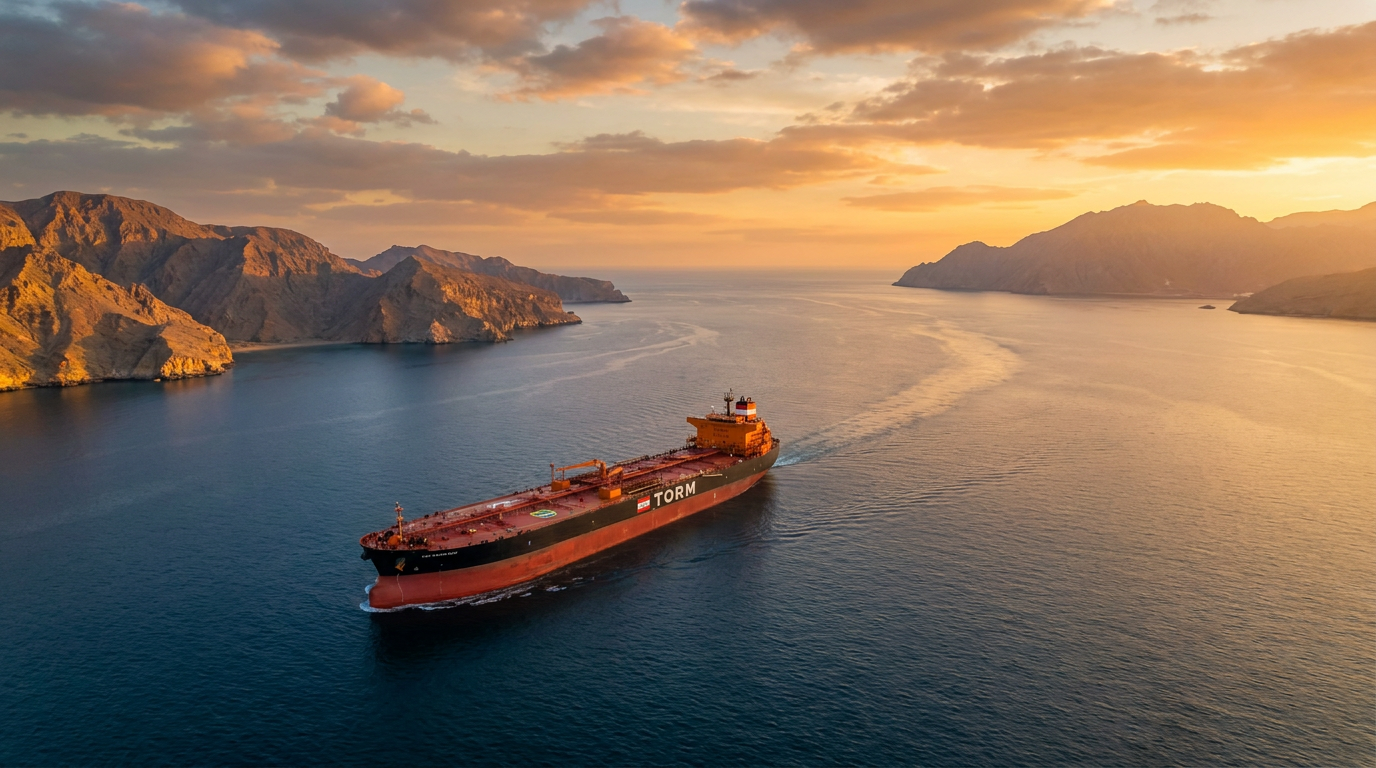
Crucially for the global economy, the framework mandates the immediate lifting of the U.S. naval blockade on Iranian ports and the reopening of the Strait of Hormuz to international shipping. Pakistan's Prime Minister Shehbaz Sharif, who has spearheaded the intense diplomatic mediation alongside Qatar, urged both sides to finalize the logistical next steps, declaring on social media that "peace has never been this close as it is now."[1][3]
However, within hours of the breakthrough announcement, Washington and Tehran began fiercely clashing in public over the exact terms of the deal, releasing wildly contradictory accounts of what they had actually agreed to at the negotiating table. Iranian state media outlets, including the official IRNA and semi-official Mehr News agencies, published purported drafts of the 14-point memorandum that framed the agreement as a massive concession by the United States.[5][6]
According to the Iranian leaks, the U.S. has agreed to unfreeze $24 billion in blocked Iranian financial assets and suspend crippling sanctions on Tehran's oil exports during the 60-day negotiation window. The Iranian accounts also asserted that Tehran would maintain its sovereign right to enrich uranium, and that the U.S. and its allies would be required to present a $300 billion reconstruction plan to rebuild infrastructure damaged during the conflict.[5][7]

President Donald Trump forcefully rejected the Iranian narrative on Friday morning, taking to social media and addressing reporters in the Oval Office to dismiss the leaked terms as "fake news" that bear "no relation to the truth" of the written agreement. Trump insisted that the U.S. had made no such sweeping financial concessions and warned the Iranian leadership that they "better get their act together, and fast."[4]
had made no such sweeping financial concessions and warned the Iranian leadership that they "better get their act together, and fast."
Vice President J.D. Vance echoed the administration's denial, stating categorically that the agreement is a rigid, performance-based framework. "The Iranians are not receiving any cash, and no funds are being released for simply signing a deal or attending a meeting," Vance said, emphasizing that economic benefits would only flow once Tehran met strict, verifiable obligations.[4][6]
Behind the scenes, U.S. officials maintain that the core of the agreement requires Iran's nuclear program to be systematically dismantled before any significant economic relief is granted. According to diplomatic sources in Washington, the American interpretation of the text dictates that Iran's existing stockpile of highly enriched uranium will be destroyed or removed from the country. The 60-day window, U.S. negotiators argue, is strictly a period for technical talks on how to execute that disarmament, not a grace period for Iran to sell oil unhindered.[3][6]
This stark divergence in how the two capitals are selling the memorandum to their respective domestic audiences highlights the immense political fragility of the pact. Despite the fierce rhetorical battle over the fine print, the mere prospect of an imminent signing sent ripples of profound relief through global financial markets, which have been battered by months of geopolitical uncertainty.[2][7]
The conflict, which erupted in late February and featured unprecedented direct military exchanges between the two nations, had severely disrupted international trade and threatened to pull neighboring Gulf states into a wider regional conflagration. As news of the finalized text broke, oil prices sank more than 3% on Friday, with Brent crude dropping to around $89 a barrel and U.S. West Texas Intermediate falling to $86.50.[2]

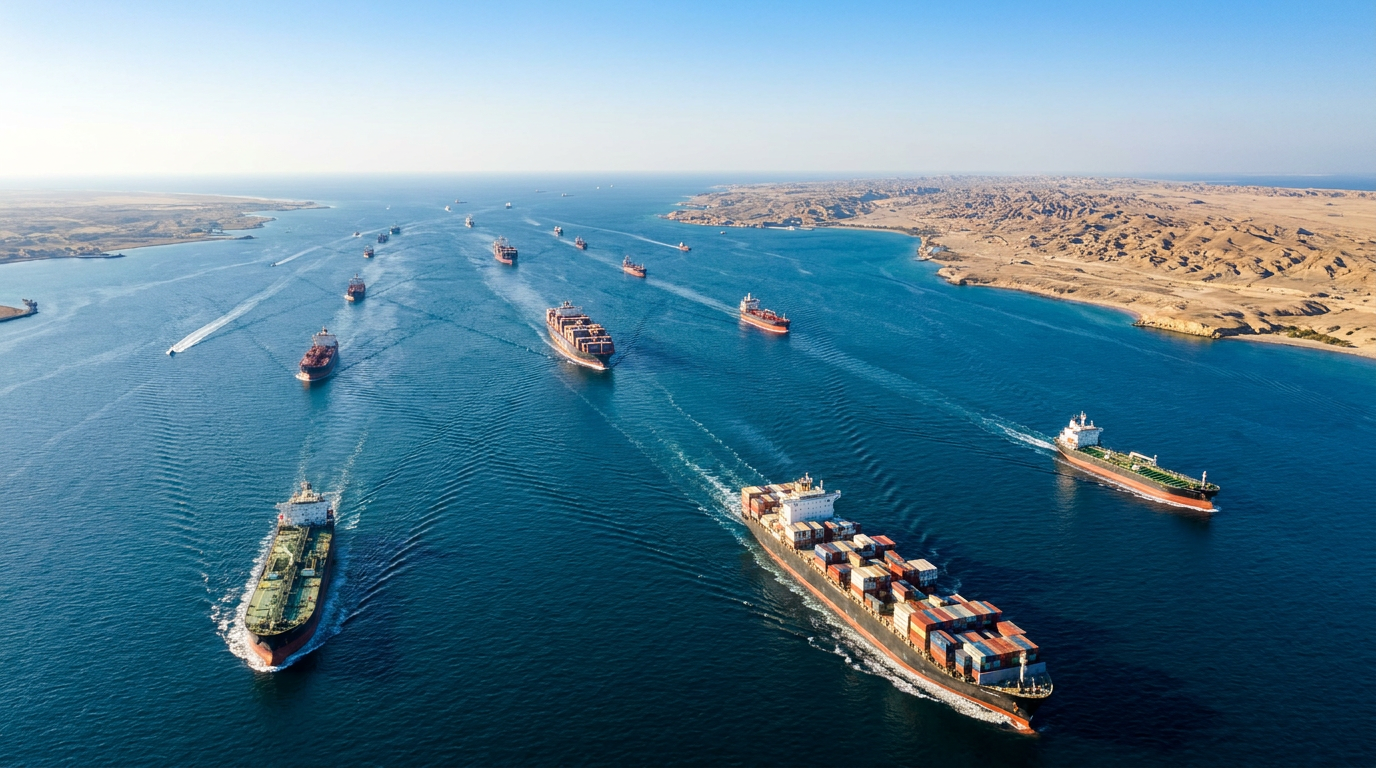
Traders and energy analysts are rapidly pricing in the return of normal maritime traffic through the Strait of Hormuz, a critical maritime chokepoint that handles nearly a fifth of the world's daily oil consumption. The path to the Geneva signing table, however, remains fraught with logistical and political hurdles. Iranian Foreign Minister Abbas Araghchi cautioned Friday that while a memorandum of understanding "has never been closer," the media should refrain from speculation until the final documents are inked.[6][7]
Meanwhile, the U.S. military has already begun dispatching Air Force C-17 transport planes to Europe, reportedly carrying equipment and personnel to support Vice President Vance's expected attendance at the signing ceremony. If the agreement holds, it will mark the most significant diplomatic breakthrough since the war began, shifting the conflict from the battlefield to the negotiating table—though the starkly different expectations in Washington and Tehran suggest the diplomatic fight is only just beginning.[1][7]

How we got here
Late February 2026
Direct military conflict erupts between the United States and Iran, severely disrupting global trade.
April 8, 2026
A fragile ceasefire is brokered by Pakistan, temporarily halting the direct military exchanges.
June 11, 2026
President Trump cancels planned airstrikes on Iran, claiming a peace agreement is imminent.
June 12, 2026
Pakistani mediators announce a 'final, agreed upon text' has been reached, though the U.S. and Iran immediately clash over the specific terms.
Viewpoints in depth
US Administration's view
Focuses on verifiable disarmament and performance-based relief.
U.S. officials insist the memorandum is a rigid, performance-based framework. They argue that Iran will receive no financial windfall simply for signing the document, and that any sanctions relief is strictly contingent on Tehran dismantling its nuclear infrastructure and destroying its enriched uranium stockpile. The administration views the 60-day window as a technical period to execute this disarmament.
Iranian Leadership's view
Frames the deal as a victory for sovereignty and economic survival.
Iranian state media and officials are projecting the agreement as a capitulation by Washington. They emphasize the immediate lifting of the naval blockade, the unfreezing of billions in foreign assets, and insist that Tehran's peaceful nuclear enrichment program will remain untouched during the 60-day negotiation window. This framing is crucial for the government to sell the ceasefire to domestic hardliners.
Mediators and Markets
Prioritizes immediate de-escalation and the resumption of global trade.
For mediating nations like Pakistan and Qatar, as well as global financial markets, the exact nuclear parameters are secondary to the immediate reopening of the Strait of Hormuz. Their primary goal is to formalize the ceasefire, prevent further regional contagion, and stabilize energy prices that have battered the global economy over the past several months.
What we don't know
- Whether the stark public disagreements over the terms will derail the planned signing ceremony in Geneva.
- The exact sequencing of how sanctions relief and nuclear disarmament will be verified during the 60-day window.
- How the agreement will address the ongoing parallel conflict between Israel and Hezbollah in Lebanon.
Key terms
- Memorandum of Understanding (MoU)
- A formal agreement between two or more parties that establishes a framework for future negotiations, often used as a preliminary step before a comprehensive treaty.
- Strait of Hormuz
- A narrow, strategically vital waterway between the Persian Gulf and the Gulf of Oman through which roughly 20% of the world's oil consumption passes.
- Uranium Enrichment
- The process of increasing the concentration of the uranium-235 isotope, which can be used to generate civilian nuclear power or, at higher levels, to build nuclear weapons.
Frequently asked
When will the US-Iran peace deal be officially signed?
Diplomatic sources suggest the memorandum of understanding could be signed as early as this weekend in Geneva, Switzerland, though a finalized date has not been officially confirmed.
Will the Strait of Hormuz reopen immediately?
Yes, both U.S. and Iranian accounts of the draft agreement indicate that the Strait of Hormuz will be reopened to normal commercial shipping within 30 days of the deal taking effect.
Is the U.S. paying Iran $24 billion?
This is highly contested. Iranian state media claims $24 billion in frozen assets will be released, but the U.S. administration insists no funds are being released upfront and that any economic relief is strictly performance-based.
Sources
Source coverage
7 outlets
3 viewpoints surfaced






[1]CBS NewsMediators & Markets
Live Updates: 'Final, agreed upon text' of U.S.-Iran peace deal has been reached, Pakistan says
Read on CBS News →[2]The GuardianMediators & Markets
Chaotic talks on a US-Iran deal continue on the Trump rollercoaster
Read on The Guardian →[3]AxiosUS Administration
What's in the Iran deal Trump says he's ready to sign
Read on Axios →[4]TIMEUS Administration
Trump Says Iran's Leaked Peace Deal Terms Have 'No Relation to the Truth'
Read on TIME →[5]Anadolu AgencyIranian Leadership
US, Iran agree on peace deal's 'final text' to end war: Pakistan
Read on Anadolu Agency →[6]CNAIranian Leadership
US and Iran signal peace deal near despite differences over terms
Read on CNA →[7]The Straits TimesMediators & Markets
US-Iran peace deal could be signed on June 14 in Geneva
Read on The Straits Times →

Every angle. Every day.
Get news politics stories with full source coverage and perspective breakdowns delivered to your inbox.