
US and Iran Near Peace Deal to End War, but Clash Over Terms of Agreement
Pakistan announced a finalized text for a US-Iran peace agreement, but Washington and Tehran immediately traded conflicting claims over nuclear concessions and frozen assets.
By Factlen Editorial Team
- US Administration
- Argues the deal forces Iran to dismantle its nuclear program before receiving any sanctions relief.
- Iranian State Media
- Claims the agreement preserves Iran's nuclear rights and secures massive financial concessions from the US.
- Regional Mediators & Analysts
- Focuses on the immediate need to halt hostilities and reopen shipping lanes, regardless of the political spin.
What's not represented
- · Israeli government officials, who may oppose terms that leave Iran's nuclear infrastructure intact.
- · European energy importers heavily impacted by the Strait of Hormuz closure.
Why this matters
An agreement would halt a devastating regional war that has disrupted global energy markets and blocked the Strait of Hormuz. However, if the conflicting interpretations cause the deal to collapse, the Middle East faces an immediate return to high-intensity conflict and severe economic shocks.
Key points
- Pakistan announced a finalized text for a US-Iran peace deal to end the 2026 war.
- The agreement could be signed in Geneva as early as June 14.
- Iranian state media claims the deal unfreezes $24 billion and preserves uranium enrichment.
- President Trump and US officials deny the Iranian claims, calling the deal "performance-based."
- The agreement includes a 60-day ceasefire to negotiate final nuclear terms.
- The reopening of the Strait of Hormuz within 30 days is a central pillar of the draft.
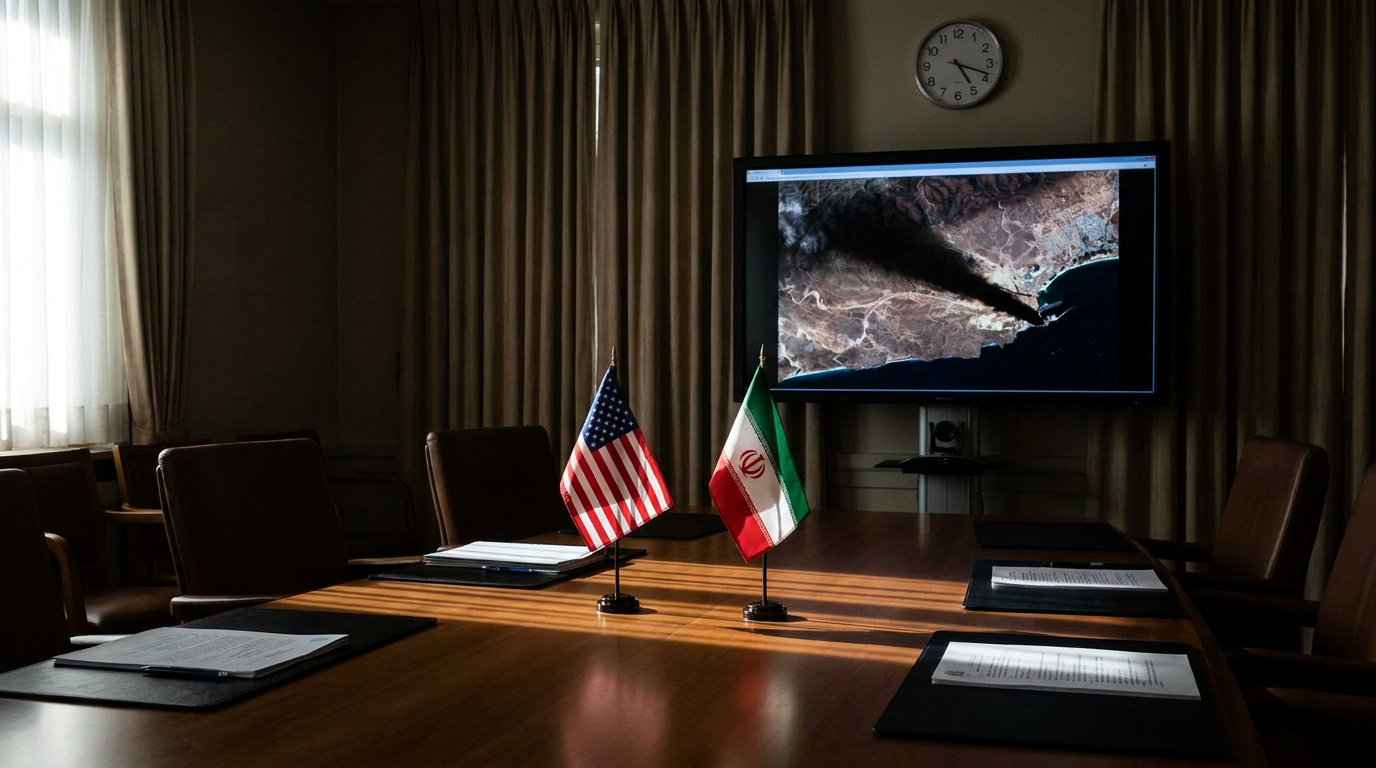
The United States and Iran are on the precipice of a landmark peace agreement to end the devastating 2026 war, but a fierce public dispute over the deal's terms threatens to unravel the diplomatic breakthrough before the ink is dry.[1][4]
Pakistani Prime Minister Shehbaz Sharif, whose government has acted as a primary mediator, announced on Friday that a "final, agreed upon text" of a Memorandum of Understanding has been reached.[1][4]
The announcement followed a dramatic de-escalation by US President Donald Trump, who confirmed he had canceled scheduled military strikes against Iranian targets late Thursday because a diplomatic settlement was ready.[5][9]
Diplomatic sources indicate the memorandum could be signed as early as June 14 in Geneva, with US Vice President J.D. Vance and Iranian Parliament Speaker Mohammed Baqer Qalibaf expected to formalize the truce.[2][9]

However, the optimism surrounding the ceasefire was immediately punctured when Iranian state media published purported details of the draft that painted the agreement as a massive strategic concession by Washington.[2][5]
Iran's IRNA and Mehr news agencies claimed the deal would unfreeze $24 billion in Iranian assets, allow Tehran to maintain its uranium enrichment capabilities, and force the withdrawal of US forces from areas surrounding the Islamic Republic.[1][9]
The White House forcefully rejected the Iranian narrative. President Trump took to social media to call the leaked terms "fake news" that bear "no relation to the truth," accusing Iranian leadership of negotiating in bad faith.[3][9]
President Trump took to social media to call the leaked terms "fake news" that bear "no relation to the truth," accusing Iranian leadership of negotiating in bad faith.
US officials, including Vice President Vance, described a strict "performance-based" plan, asserting that Iran's nuclear program would be dismantled, all nuclear material destroyed or removed, and no cash released until Tehran meets its obligations.[1][3]
The core contradiction lies in the fate of Iran's highly enriched uranium stockpile. While US officials insist the material will be removed, Iranian sources claim Tehran successfully demanded the uranium remain inside the country to be blended down under United Nations supervision.[1][8]

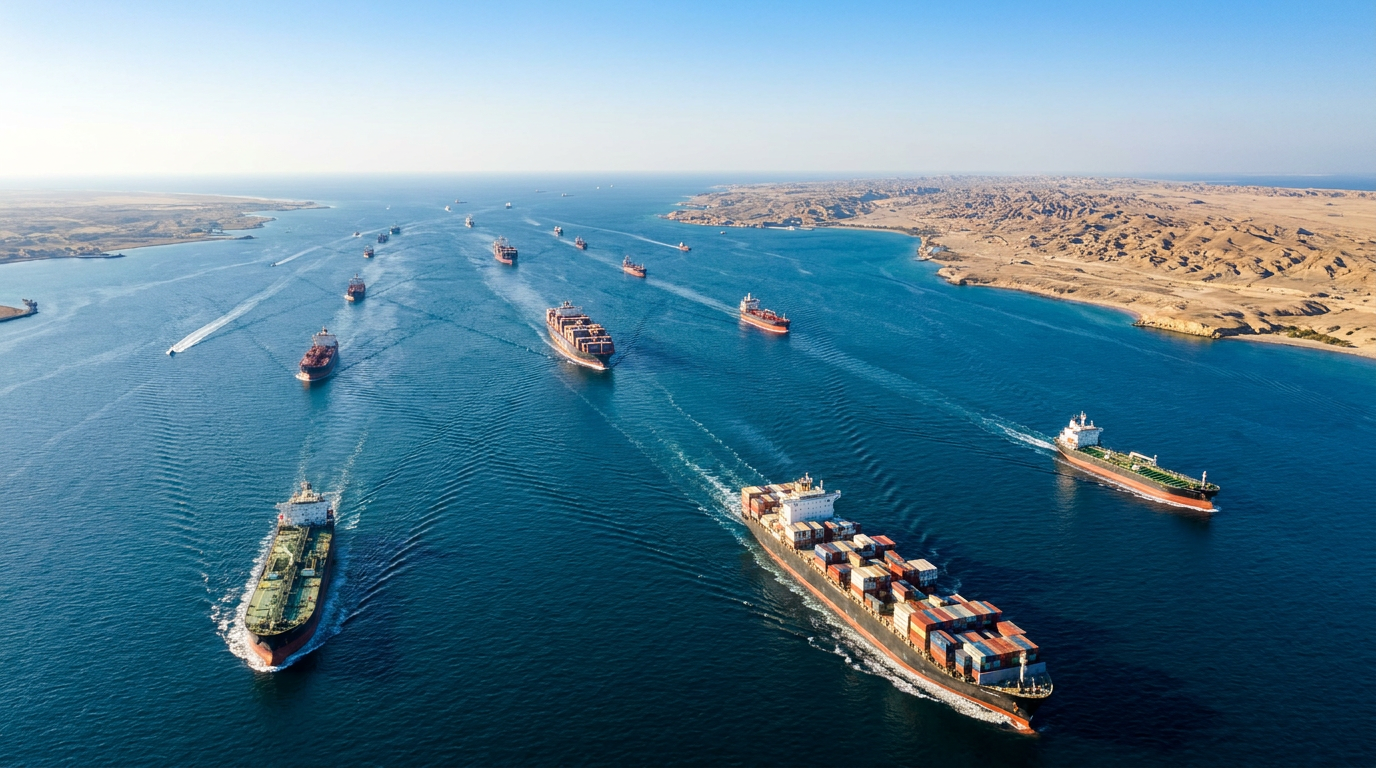
Despite the glaring discrepancies, both sides appear to agree that the memorandum addresses the Strait of Hormuz, a critical global energy chokepoint that has been effectively blockaded during the conflict.[8][9]
The draft reportedly stipulates a return to pre-war shipping volumes through the strait within 30 days, though Iranian media insists Tehran will not cede its management or oversight of the vital waterway.[2][3]
Another major sticking point involves the scope of the ceasefire. Iranian sources claim the 60-day truce will explicitly include a halt to Israeli military operations against Hezbollah in Lebanon.[2][9]
US officials have maintained a noticeable silence on the Lebanon provision, with the White House's outlined terms focusing strictly on bilateral US-Iran hostilities and the cessation of Iranian funding for regional proxy groups.[3]
Regardless of the final text, regional analysts note that the war has fundamentally altered the security architecture of the Persian Gulf, forcing neighboring countries to adapt to a new reality.[6][7]

The conflict exposed the vulnerabilities of the Gulf Arab states and demonstrated that traditional US deterrence was insufficient to prevent a full-scale regional war.[6]
How we got here
Feb 28, 2026
The US and Israel launch joint military operations, initiating the 2026 Iran War.
April 2026
A fragile initial ceasefire is negotiated, shifting the conflict to a blockade of the Strait of Hormuz.
June 10, 2026
Escalating military strikes threaten to collapse the ceasefire entirely.
June 11, 2026
President Trump cancels scheduled strikes, announcing a peace deal is ready to be signed.
June 12, 2026
Pakistan announces a finalized text, but the US and Iran immediately clash over the specific terms.
Viewpoints in depth
US Administration
The White House frames the deal as a strict, performance-based capitulation by Iran.
US officials insist the agreement is a definitive victory that neutralizes Iran's nuclear threat. They emphasize that no sanctions will be lifted and no frozen assets released until Tehran verifiably dismantles its nuclear infrastructure and ceases funding regional proxies. The administration views the Iranian state media leaks as a desperate attempt by a weakened regime to save face domestically.
Iranian State Media
Tehran's official outlets portray the agreement as a strategic victory that preserves its core capabilities.
Iranian news agencies claim the deal secures the release of $24 billion in frozen assets and forces a US military retreat from the region, all while allowing Iran to maintain its right to enrich uranium. This narrative is crucial for the Iranian government to project strength to its domestic audience and its regional allies after suffering severe military and economic losses during the war.
Gulf Arab States
Regional neighbors are focused on long-term stability and the reopening of vital shipping lanes.
For countries like Saudi Arabia and the UAE, the exact terms of the nuclear concessions are secondary to the immediate need to reopen the Strait of Hormuz and halt the regional crossfire. However, defense analysts note that these states are deeply anxious about the new security equilibrium, realizing that US deterrence did not prevent the outbreak of war, prompting a push for independent collective security frameworks.
What we don't know
- Whether the public dispute over the terms will cause the fragile agreement to collapse before it is signed.
- The exact mechanism and timeline for unfreezing any Iranian assets.
- Whether the ceasefire will explicitly include a halt to Israeli operations against Hezbollah in Lebanon.
Key terms
- Memorandum of Understanding (MOU)
- A formal agreement between two or more parties that establishes a framework for future negotiations, though it is often not legally binding.
- Strait of Hormuz
- A narrow, strategically vital waterway between the Persian Gulf and the Gulf of Oman through which a significant portion of the world's oil supply passes.
- Axis of Resistance
- A network of autonomous militant groups and political factions across the Middle East, including Hezbollah and Hamas, that are supported by Iran.
Frequently asked
Is the war between the US and Iran officially over?
Not yet. While mediators say a text has been finalized, the agreement has not been signed, and conflicting claims threaten to derail the process.
What happens to the Strait of Hormuz?
Both sides indicate the draft agreement includes provisions to reopen the Strait of Hormuz and return to pre-war shipping volumes within 30 days.
Will Iran keep its nuclear program?
This is the primary point of dispute. The US claims the program will be dismantled, while Iranian state media insists Tehran will retain its right to enrich uranium.
Sources
Source coverage
9 outlets
3 viewpoints surfaced









[1]CBS NewsUS Administration
Live Updates: 'Final, agreed upon text' of U.S.-Iran peace deal has been reached, Pakistan says
Read on CBS News →[2]The Straits TimesIranian State Media
US-Iran peace deal could be signed on June 14 in Geneva
Read on The Straits Times →[3]TIMEUS Administration
Trump Says Iran's Leaked Peace Deal Terms Have 'No Relation to the Truth'
Read on TIME →[4]AP NewsUS Administration
Live updates: Pakistan says US and Iran agree on 'final' text of a peace deal
Read on AP News →[5]The GuardianIranian State Media
US-Iran peace deal remains elusive as Trump and Tehran trade conflicting claims
Read on The Guardian →[6]Chatham HouseRegional Mediators & Analysts
Iran and the new Persian Gulf equilibrium
Read on Chatham House →[7]Al JazeeraRegional Mediators & Analysts
How the Gulf will manage collective security after the Iran war ends
Read on Al Jazeera →[8]The Times of IsraelRegional Mediators & Analysts
Pakistani mediator: Final text of US-Iran MOU reached; Vance insists it's a good deal for US
Read on The Times of Israel →[9]The Jerusalem PostRegional Mediators & Analysts
Donald Trump claims Iran leaked false information on peace deal terms
Read on The Jerusalem Post →

Every angle. Every day.
Get news politics stories with full source coverage and perspective breakdowns delivered to your inbox.