
US and Iran Near Memorandum of Understanding to Reopen Strait of Hormuz and Extend Ceasefire
The United States and Iran are reportedly close to signing a preliminary agreement that would reopen the Strait of Hormuz, lift the US naval blockade, and extend a regional ceasefire for 60 days.
By Factlen Editorial Team
- US Administration
- Seeks to secure maritime trade and dismantle Iran's nuclear capabilities through conditional relief.
- Iranian Government
- Demands immediate sanctions relief and the unfreezing of assets before making structural concessions.
- Regional Mediators
- Focuses on pragmatic de-escalation to prevent a broader war that would destabilize the Middle East.
- Global Energy Markets
- Prioritizes the immediate and unconditional reopening of the Strait of Hormuz to stabilize oil prices.
What's not represented
- · Israeli government officials concerned about the implications for their ongoing conflict with Hezbollah.
- · Lebanese civilians caught in the crossfire of the proxy war.
- · European allies who rely heavily on the stability of Middle Eastern energy exports.
Why this matters
The reopening of the Strait of Hormuz would immediately ease global energy markets, as the waterway handles roughly 20% of the world's seaborne oil shipments. Furthermore, a 60-day ceasefire would halt a regional conflict that has severely disrupted international shipping and threatened to draw the United States and Iran into a broader, prolonged war.
Key points
- The US and Iran are negotiating a Memorandum of Understanding to end their months-long military conflict.
- The deal would establish a 60-day ceasefire and lift the US naval blockade on Iranian ports.
- Iran would immediately reopen the Strait of Hormuz to unrestricted commercial shipping.
- The US would grant temporary sanctions waivers, though the timeline for unfreezing $24 billion in assets remains disputed.
- President Trump claims the deal is nearly final, while Iranian officials state that no text has been formally approved.
The United States and Iran are reportedly on the verge of signing a preliminary Memorandum of Understanding (MOU) aimed at de-escalating a months-long military conflict that has severely disrupted global commerce. Mediated by diplomatic teams from Qatar and Pakistan, the proposed framework seeks to immediately reopen the strategically vital Strait of Hormuz, lift the ongoing United States naval blockade on Iranian ports, and establish a comprehensive 60-day ceasefire across the region, including in Lebanon. The agreement marks a significant pivot from a strategy of direct military pressure to a delicate negotiating phase, offering a temporary reprieve for global energy markets that have been rattled by the effective closure of the waterway.[1][2][7]
Speaking from the Oval Office, President Donald Trump expressed high confidence in the diplomatic progress, announcing that the two nations had reached a "great settlement" and that the documents were in a "pretty final stage." He suggested that the formal signing of the MOU could take place in Europe as early as this weekend, with Vice President JD Vance slated to attend the ceremony. Trump emphasized that the immediate reopening of the Strait of Hormuz was a non-negotiable cornerstone of the deal, declaring that the waterway would officially open as soon as the ink was dry on the agreement.[3][5]
Despite the White House's public optimism, Iranian officials have deliberately distanced themselves from the accelerated timeline, projecting a much more cautious stance. Iranian Foreign Ministry spokesperson Esmaeil Baghaei explicitly stated that "nothing has been finalized yet," accusing the United States of repeatedly shifting its negotiating positions during the talks. Furthermore, hardline Iranian media outlets closely tied to the Islamic Revolutionary Guard Corps (IRGC) have denied that any initial text has been formally approved, signaling that internal consensus within Tehran regarding the concessions may still be a significant hurdle before any signing can occur.[4][5]
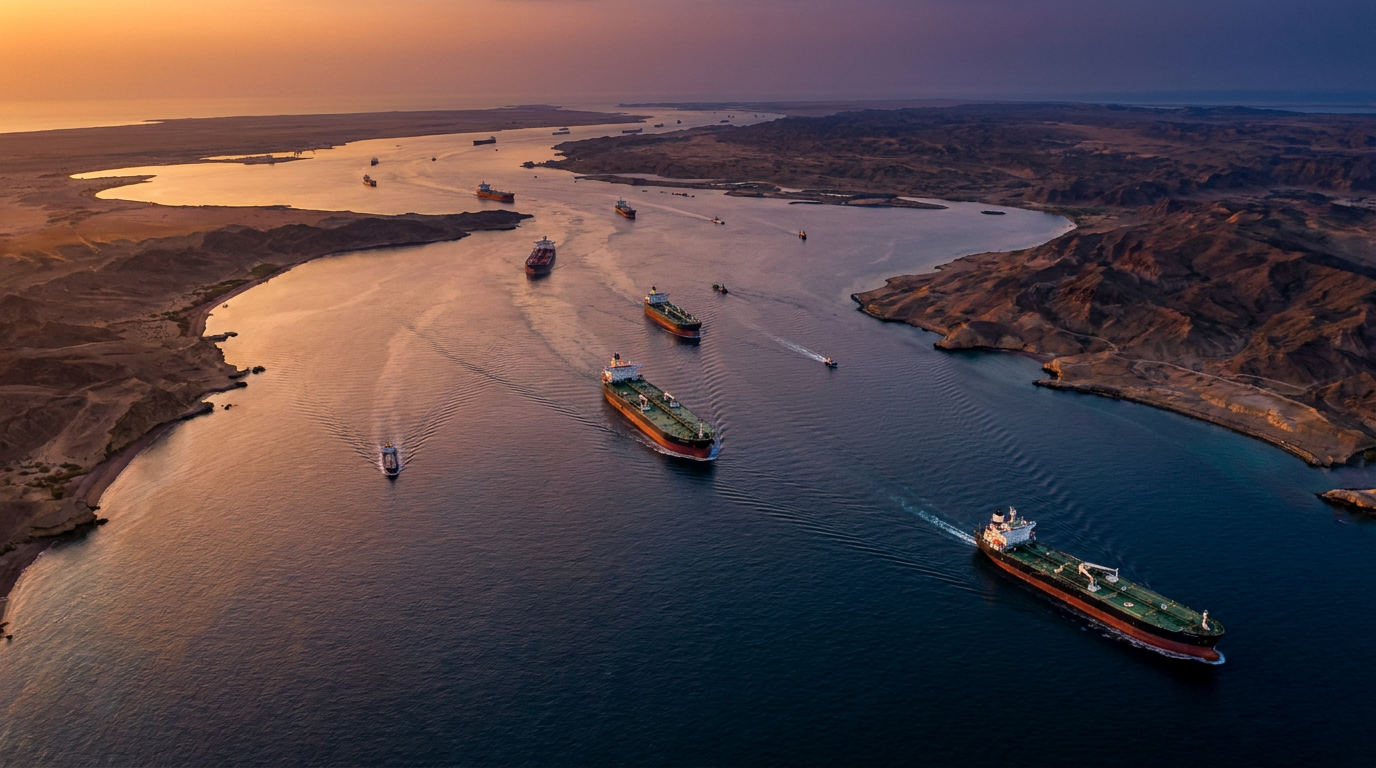
The centerpiece of the proposed memorandum is the immediate and unconditional reopening of the Strait of Hormuz, a critical maritime chokepoint that handles roughly twenty percent of the world's seaborne oil shipments. Under the drafted terms, Iran would be required to cease imposing tolls, halt the harassment of commercial vessels, and remove naval mines within a thirty-day window. The goal is to return shipping volumes to pre-war levels as quickly as possible, a move that would provide immediate relief to global energy markets and lower the heightened risk premiums currently baked into international oil prices.[1][7]

Under the drafted terms, Iran would be required to cease imposing tolls, halt the harassment of commercial vessels, and remove naval mines within a thirty-day window.
In exchange for unblocking the strait and ensuring freedom of navigation, the United States would agree to lift its naval blockade on Iranian ports, which has been strictly enforced since mid-April. The agreement also outlines the issuance of temporary sanctions waivers that would permit Iran to legally sell its oil on the global market for the duration of the 60-day ceasefire. This economic lifeline is a critical demand from Tehran, which has seen its economy heavily battered by the combination of international sanctions and the physical blockade of its maritime trade routes.[1][2]
While the MOU successfully addresses the immediate cessation of hostilities, the framework for managing Iran's nuclear program remains a heavily contested issue. President Trump has publicly insisted that Iran must agree to never possess a nuclear weapon and has demanded the destruction or removal of its highly enriched uranium stockpile, potentially under the supervision of United Nations inspectors. However, Iranian negotiators view the nuclear issue as a separate, longer-term discussion, resisting efforts to bundle structural nuclear concessions into a preliminary ceasefire agreement designed primarily to halt military action.[2][6]
The exact timing and sequencing of sanctions relief represent one of the most significant remaining hurdles in the negotiations. Iran is demanding the immediate unfreezing of an estimated $24 billion in assets held in bank accounts abroad upon the signing of the MOU. Conversely, the Trump administration is highly wary of front-loading financial benefits, insisting that any sanctions relief must be strictly staggered and tied to demonstrated, verifiable Iranian compliance with the agreement's terms to ensure Tehran does not use the funds to rebuild its military capabilities during the truce.[6]

Beyond the Persian Gulf, the 60-day ceasefire outlined in the MOU would also extend to Lebanon, where Iran-backed Hezbollah militants have been engaged in intense, ongoing fighting with Israeli forces. The pause in hostilities is intended to provide a crucial window for broader diplomatic negotiations to stabilize the Israel-Lebanon border. However, the durability of this regional truce remains uncertain, as Israeli Prime Minister Benjamin Netanyahu has publicly maintained that the broader war against Iran and its proxy network "has not yet ended," complicating the enforcement of a comprehensive ceasefire.[1][3][4]
If the Memorandum of Understanding is successfully signed, it will trigger a critical 60-day negotiating window intended to hammer out the details of a comprehensive, permanent peace accord. During this period, diplomats will face the daunting task of translating the broad strokes of the MOU into binding, verifiable commitments regarding nuclear enrichment, regional security, and permanent sanctions relief. Analysts warn that while the preliminary agreement represents a vital off-ramp from direct military confrontation, the underlying structural conflicts ensure that the path to a lasting resolution remains highly volatile and fraught with diplomatic peril.[2][6]
How we got here
February 2026
The US and Israel launch a military campaign against Iran, sparking a broader regional conflict.
April 2026
A fragile initial ceasefire is established, though skirmishes and blockades continue.
May 2026
Iran effectively closes the Strait of Hormuz to commercial traffic, driving up global energy prices.
Early June 2026
Qatar and Pakistan mediate intensive talks to draft a formal Memorandum of Understanding.
June 11, 2026
President Trump announces the deal is in a 'pretty final stage' and could be signed within days.
Viewpoints in depth
US Administration's View
The White House views the MOU as a victory that secures maritime trade and curbs Iran's nuclear ambitions.
President Trump and his negotiating team frame the preliminary agreement as a successful culmination of their military pressure campaign. By securing the immediate reopening of the Strait of Hormuz without tolls and demanding the removal of highly enriched uranium, the administration argues it is protecting global commerce while ensuring Iran cannot reach the nuclear threshold. US officials emphasize that any financial relief will be strictly tied to verifiable Iranian compliance, avoiding the front-loaded concessions of previous diplomatic efforts.
Iranian Government's View
Tehran prioritizes immediate economic relief and an end to the US naval blockade.
For the Iranian government, the primary objective of the MOU is to alleviate the crushing economic pressure of international sanctions and the US naval blockade on its ports. Iranian negotiators are demanding the immediate release of billions of dollars in frozen assets held abroad, arguing that economic relief must precede any structural concessions on their nuclear program. Hardline factions within Iran remain deeply skeptical of US guarantees, insisting that Iran must maintain its leverage in the Strait of Hormuz until tangible economic benefits are realized.
Regional Mediators
Qatar and Pakistan are focused on preventing a broader regional war.
Mediating nations, particularly Qatar and Pakistan, view the MOU as a critical off-ramp to prevent the conflict from spiraling into a full-scale regional war. Their diplomatic efforts have focused on finding a pragmatic middle ground—such as the 60-day ceasefire window—that allows both Washington and Tehran to claim victory domestically while de-escalating military tensions in volatile arenas like Lebanon and the Persian Gulf.
What we don't know
- Whether Iran will agree to the US demand to destroy or remove its highly enriched uranium stockpile.
- The exact sequencing of sanctions relief and how compliance will be verified.
- How the ceasefire will be enforced in Lebanon, where Hezbollah and Israeli forces remain engaged.
Key terms
- Strait of Hormuz
- A narrow, strategically vital waterway between the Persian Gulf and the Gulf of Oman, through which roughly 20% of the world's oil passes.
- Memorandum of Understanding (MOU)
- A preliminary, non-binding agreement outlining the broad terms of a deal before a final, detailed treaty is negotiated.
- Highly Enriched Uranium (HEU)
- Uranium that has been processed to a purity level sufficient for use in nuclear weapons, a major sticking point in US-Iran negotiations.
- Sanctions Waivers
- Temporary exemptions granted by the US government allowing certain countries or entities to purchase Iranian oil without facing financial penalties.
Frequently asked
Will the agreement lower global gas prices?
Yes, the reopening of the Strait of Hormuz is expected to ease global energy markets. Oil prices already dropped more than 3% following news of the potential deal.
Does this mean the war is completely over?
No. The MOU establishes a 60-day ceasefire to allow for further negotiations. A permanent peace accord has yet to be drafted.
What happens to Iran's nuclear program?
The MOU sets a framework for negotiations, with the US demanding the removal of highly enriched uranium. However, concrete steps will require a subsequent, detailed agreement.
Sources
Source coverage
7 outlets
4 viewpoints surfaced







[1]AxiosRegional Mediators
What's in the Iran deal Trump says he's ready to sign
Read on Axios →[2]CBS NewsUS Administration
U.S.-Iran memorandum of understanding likely to be signed next week
Read on CBS News →[3]CNBC AfricaUS Administration
Trump says Iran deal could be reached in 'two or three days' and Strait of Hormuz will reopen 'immediately'
Read on CNBC Africa →[4]Arab NewsIranian Government
Trump says Iran deal 'largely negotiated', dispute over Hormuz reopening
Read on Arab News →[5]Iran InternationalIranian Government
President Donald Trump said an Iran deal could be signed over the weekend
Read on Iran International →[6]The Soufan CenterGlobal Energy Markets
Efforts by U.S. and Iranian leaders to present a potential war-ending agreement as a victory are holding up the finalization of a preliminary MOU
Read on The Soufan Center →[7]NDTV ProfitRegional Mediators
A memorandum of understanding that the US and Iran are on the verge of signing calls for the immediate reopening of the Strait of Hormuz
Read on NDTV Profit →

Every angle. Every day.
Get news politics stories with full source coverage and perspective breakdowns delivered to your inbox.